Abstract
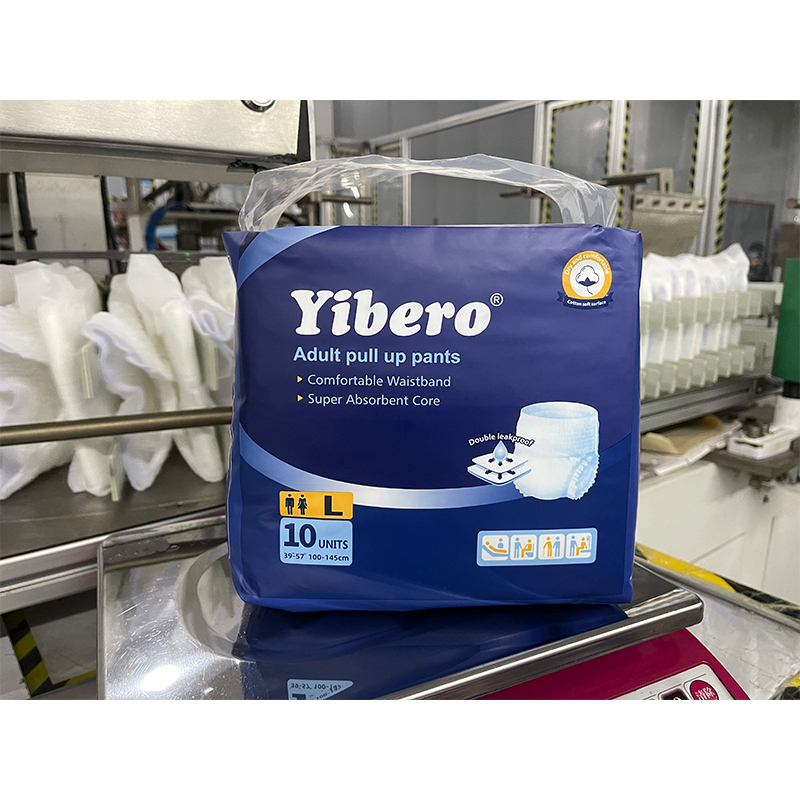
The effective management of adult incontinence represents a significant aspect of personal care, directly impacting an individual’s dignity, aliw, skin integrity, and overall quality of life. This document provides a comprehensive examination of the proper methodology for using adult incontinence pants, often referred to as pull-up style diapers. It moves beyond a superficial overview to present a detailed, seven-step process grounded in principles of clinical hygiene, materials science, and empathetic caregiving. The analysis covers the initial selection phase, emphasizing the importance of correct sizing and absorbency levels to prevent leakage and skin irritation. It delineates meticulous procedures for skin preparation, application for both ambulatory individuals and those requiring assistance, fit verification, pag alis, plus environmentally conscious disposal. The objective is to equip users, family members, and professional caregivers with the requisite knowledge to use these products effectively, thereby maximizing their protective function while safeguarding skin health and promoting a sense of normalcy for the wearer.
Key Takeaways
- Measure hip and waist size to select the correct product dimensions for a secure fit.
- Cleanse and dry the skin thoroughly before each change to prevent irritation.
- Position the rear of the pant, marked by tapes or a label, toward the back.
- Pull the pant up like regular underwear, ensuring leg cuffs are not folded inward.
- A proper guide on how to use adult incontinence pants can dramatically reduce leaks.
- Tear the side seams to remove the pant without pulling it down the legs.
- Roll the used product inward, secure it, and dispose of it in a designated waste bin.
Table of Contents
- An Introduction to Incontinence and Absorbent Technology
- Step 1: Selecting the Ideal Adult Incontinence Pants
- Step 2: Preparing the Skin for Optimal Health and Comfort
- Step 3: Applying the Incontinence Pant While Standing
- Step 4: Applying the Incontinence Pant for a Person Lying Down
- Step 5: Checking the Fit to Guarantee Security and Prevent Leaks
- Step 6: Correctly Removing the Used Incontinence Pant
- Step 7: Hygienic Disposal and Environmental Considerations
- Living with Confidence: Beyond the Basics of Product Use
- FAQ: Answering Your Pressing Questions
- Conclusion
- References
An Introduction to Incontinence and Absorbent Technology
The experience of urinary or fecal incontinence is a deeply personal matter that affects millions of people across the globe. It is a condition that transcends age, gender, and geography, arising from a multitude of physiological causes, including weakened pelvic floor muscles, nerve damage, prostate issues, or mobility challenges. The emotional and psychological dimensions of incontinence can be profound, often leading to social withdrawal, anxiety, and a diminished sense of self-worth. In our exploration of solutions, it is vital to approach the topic not as a mere medical problem but as a human condition that calls for compassion, understanding, and practical support. The development of modern absorbent hygiene products has been a revolutionary step in providing that support, offering a means to manage leakage with discretion and restore a significant degree of freedom and confidence.
At the heart of these products lies a fascinating application of materials science. The core component responsible for their effectiveness is the Super-Absorbent Polymer (SAP). Imagine tiny, granular crystals that, upon contact with liquid, can absorb and retain hundreds of times their own weight, transforming the liquid into a stable gel. This process, known as osmosis, locks moisture away from the skin, a primary defense against skin irritation and breakdown. Surrounding the SAP core are layers of non-woven fabrics, engineered to be soft against the skin while facilitating the rapid transfer of fluid inward, a property called wicking. The outer layer, or backsheet, is typically made of a breathable, cloth-like material that prevents fluid from escaping yet allows air to circulate, reducing heat and humidity. Understanding these components is not merely academic; it empowers us to appreciate why one product might feel softer, absorb faster, or keep skin drier than another. It forms the basis for making an informed choice, which is the first step toward successful incontinence management.
Step 1: Selecting the Ideal Adult Incontinence Pants
The journey toward effective incontinence management begins with a choice. A selection made without careful consideration can lead to a cascade of negative outcomes: leakage, skin discomfort, wasted money, and emotional distress. To navigate the vast market of available products, one must become an educated consumer, armed with knowledge about sizing, absorbency, and product features. Adult incontinence pants, designed to be pulled on like regular underwear, are often favored by individuals who maintain a degree of mobility and independence. Their design promotes a sense of normalcy and dignity, a stark contrast to more clinical-looking tab-style briefs. A reliable supplier of hygiene products will offer a range of options to meet diverse needs.
How to Determine the Correct Size
Sizing is the most fundamental aspect of product selection. An ill-fitting pant is the primary culprit behind most leakage incidents. A product that is too large will have gaps around the legs or waist, creating direct channels for fluid to escape. A product that is too small will be uncomfortable, may cause chafing, and its absorbent core might not be positioned correctly to handle voids.
To find the right size, you will need a flexible measuring tape.
- Measure the Waist: Wrap the tape around the natural waistline, which is typically just above the belly button. The tape should be snug but not tight.
- Measure the Hips: Wrap the tape around the fullest part of the hips and buttocks.
- Use the Larger Measurement: Compare the waist and hip measurements. Use the larger of the two numbers to consult the sizing chart provided by the manufacturer on the product packaging or website.
Every brand has its own sizing chart, so a “Large” in one brand may be equivalent to a “Medium” in another. Never assume your size. Always measure and check the chart with each new purchase or brand switch.
Understanding Absorbency Levels
After size, absorbency is the next critical factor. Manufacturers typically categorize their products into levels such as light, katamtaman, heavy, and overnight or maximum. These terms can be ambiguous, so it is helpful to think about them in terms of capacity and usage scenarios.
| Absorbency Level | Approximate Capacity | Best Use Case |
|---|---|---|
| Liwanag | Up to 250 ml (8 oz) | For drips, minor leaks, stress incontinence (e.g., from coughing or laughing). |
| Katamtaman | 250 ml – 500 ml (8-17 oz) | For light to moderate bladder voids, urge incontinence, or when changes are frequent. |
| Malakas na | 500 ml – 1000 ml (17-34 oz) | For full bladder voids, moderate fecal incontinence, or extended wear during the day. |
| Overnight/Maximum | Over 1000 ml (34 oz+) | For total incontinence, multiple voids, extended overnight use, or heavy fecal incontinence. |
Consider the user’s specific needs. Does leakage occur only with certain activities? Are we managing full bladder voids? Is the primary concern uninterrupted sleep through the night? Answering these questions will guide you to the appropriate absorbency level, preventing both under-protection (mga leak) and over-protection (unnecessary bulk and expense).
Comparing Incontinence Product Types
While this guide focuses on pants, understanding the broader landscape of products is beneficial. Different situations may call for different solutions.
| Product Type | Best For | Pros | Cons |
|---|---|---|---|
| Pants/Pull-Ups | Mobile, active individuals; promotes independence. | Easy to use, feels like regular underwear, discreet. | Less adjustable fit; requires removing pants to change. |
| Tab-Style Briefs | Immobile individuals or those requiring caregiver assistance. | Highly adjustable fit; can be changed while lying down. | Can be bulky; may feel less like regular underwear. |
| Pads/Liners | Light to moderate urinary incontinence only. | Very discreet; fits inside regular underwear. | Not suitable for heavy leaks or fecal incontinence. |
| Mga underpad | Protecting surfaces like beds, chairs, or wheelchairs. | Provides secondary protection; easy to change. | Does not contain leaks on the body; a backup solution. |
For many, a combination of products works best. For instance, using high-quality disposable adult incontinence pants during the day for activity and an underpad at night for extra bed protection.
Step 2: Preparing the Skin for Optimal Health and Comfort
Before a new incontinence pant is ever applied, the groundwork for skin health must be laid. The skin in the perineal area is particularly vulnerable. When exposed to the moisture and chemical irritants in urine and feces, its protective barrier, the acid mantle, can break down. This condition, known as Incontinence-Associated Dermatitis (IAD), manifests as redness, pamamaga ng katawan, pain, and can even lead to secondary fungal infections or pressure injuries. Kaya nga, a regimen of careful cleansing and protection is not an optional extra; it is an integral part of how to use adult incontinence pants correctly.
The Cleansing Process
The goal of cleansing is to remove irritants without stripping the skin of its natural oils. Harsh soaps and vigorous rubbing do more harm than good.
- Gather Supplies: You will need soft disposable washcloths or wipes, a pH-balanced perineal cleanser, warm water (if using cloths), and a soft towel.
- Gentle Cleansing: Use a no-rinse, pH-balanced cleanser designed for incontinence care. These cleansers are formulated to be gentle on delicate skin. If using wipes, ensure they are for sensitive skin and free of alcohol. Cleanse the entire area from front to back, using a fresh part of the cloth for each wipe to prevent the spread of bacteria. Pay special attention to skin folds.
- Pat, Don’t Rub: After cleansing, gently pat the skin completely dry with a soft towel. Do not rub, as the friction can cause microscopic tears in the skin, increasing its vulnerability. Allow the skin to air-dry for a few moments if possible.
The Role of Barrier Creams
Once the skin is clean and dry, the next step is protection. A barrier cream or ointment creates a waterproof seal on the skin, preventing moisture from making direct contact. There are two main types:
- Zinc Oxide-Based Creams: These are opaque, white creams that form a thick, durable barrier. They are excellent for irritated or denuded skin as they also have mild anti-inflammatory properties.
- Petrolatum or Dimethicone-Based Ointments: These are clear ointments that form a transparent, breathable barrier. They are ideal for preventing skin breakdown before it starts and allow for easy visualization of the underlying skin.
Apply a thin, even layer of the chosen barrier cream to the entire area that will be covered by the incontinence pant. A common mistake is to apply too much, which can clog the absorbent pores of the pant itself, reducing its effectiveness. The layer should be just enough to create a visible sheen on the skin.
Step 3: Applying the Incontinence Pant While Standing
For individuals who can stand, even with support, the process of putting on an adult incontinence pant is straightforward and similar to dressing in regular underwear. The key is to ensure the product is oriented correctly and smoothed into place to activate its protective features.
Identifying the Front and Back
Before starting, unfold the new pant and identify the front and back. This is a simple but crucial detail. Most manufacturers provide clear indicators:
- The back is often indicated by colored stitching in the waistband, a printed label or tag, or the adhesive tape used for rolling up the pant for disposal.
- The front may have a subtle pattern or be plainer than the back.
- The absorbent core is usually wider and extends higher up in the back to provide better protection when sitting or lying down. Take a moment to familiarize yourself with the specific brand’s indicators.
The Step-by-Step Application
- Positioning: Holding the pant with the back side facing away from you, step into the leg openings one foot at a time, just as you would with underwear. If balance is a concern, sit on the edge of a bed or a sturdy chair to perform this step.
- Pulling Up: Grasp the waistband and pull the pant up over your hips until it rests comfortably at your waist. The motion should be smooth and even.
- Adjusting the Core: Once the pant is in place, run your hand between your legs from front to back. This action helps to settle the absorbent core into the natural contours of your body, creating a “channel” that guides fluid inward.
- Checking the Leg Cuffs: The inner leg cuffs, often called leak guards, are a primary line of defense. Reach inside the pant and run a finger along the elastic of each leg opening. Ensure the cuffs are standing up and not folded inward. They should rest snugly in the groin crease, forming a seal against the skin. A folded cuff is an open invitation for a leak.
Think of the leg cuffs as two small walls designed to contain a flood. If one wall is folded down, the barrier is compromised. Taking a few extra seconds to check them is one of the most effective ways to prevent leakage.
Step 4: Applying the Incontinence Pant for a Person Lying Down
For individuals with limited mobility who spend most of their time in bed, a caregiver’s assistance is required. The technique for how to use adult incontinence pants in this scenario prioritizes the person’s comfort, dignidad, and the caregiver’s safety. While tab-style briefs are often easier for this situation, pull-up pants can still be used effectively with the correct method.
Preparation and Communication
Before you begin, gather all your supplies: the new pant, gloves, cleansing materials, and a barrier cream. Communication is paramount. Explain to the person what you are about to do, step by step, even if you believe they cannot understand. This act respects their personhood and can reduce anxiety. Ensure the bed is at a comfortable working height for you to prevent back strain.
The Roll and Pull Technique
- Position the Person: With the person lying on their back, gently help them bend their knees, placing their feet flat on the bed.
- Roll and Bunch the Pant: Take the new incontinence pant and, starting from the waistband, roll or bunch it down toward the leg openings. Identify the back of the pant.
- Place Under the Feet: Slip the bunched-up pant over one foot, then the other. The back of the pant should be oriented toward the bed.
- Pull to the Knees: Gently pull the pant up to the person’s knees.
- Turn and Pull: Ask the person to turn onto their side, facing away from you. If they need help, use proper body mechanics, drawing them toward you by their shoulder and hip. With the person on their side, pull the pant up over their buttocks and hips on the exposed side. Make sure the waistband is high enough in the back.
- Complete the Application: Gently roll the person back toward you, onto their other side. Now you can pull the other side of the pant up over the remaining hip.
- Final Adjustments: Once the person is back on their back, make the final adjustments. Ensure the pant is centered, the waistband is even, and the absorbent core is positioned correctly. As with the standing application, run your hand through the groin area to check that the inner leg cuffs are standing up and not folded.
This method requires practice but minimizes the need for lifting and reduces friction on the person’s skin.
Step 5: Checking the Fit to Guarantee Security and Prevent Leaks
A pant that has been applied must be checked. A few moments spent verifying the fit can prevent hours of cleanup and discomfort. This step is a crucial part of learning how to use adult incontinence pants effectively. The goal is a fit that is snug but not constricting, secure but not uncomfortable.
The Four-Point Fit Check
Perform a quick check of four key areas:
- The Waistband: The waistband should sit flat against the skin around the entire waist. There should be no significant gaps at the front, back, or sides. It should feel secure, like a comfortable pair of underwear, not tight or pinching.
- The Hips: The material should lie smoothly over the hips and buttocks. Bunching or excessive looseness can indicate the size is too large.
- The Leg Openings: The elastic around the legs should be snug in the groin crease. You should be able to run a finger underneath it, but it should not be loose. If there are visible gaps when standing or sitting, leaks are almost certain.
- The Absorbent Core: The padded area should be centered and lie flat against the body. It should cover the perineal area completely, extending high enough in the front and back for comprehensive protection.
Simulating Movement
Incontinence does not happen in a static position. Ask the user (if able) to sit down, stand up, and walk a few steps. How does the pant feel? Does it shift or bunch up? A well-fitting product should move with the body and stay in place. For non-ambulatory individuals, observe the fit after repositioning them in bed. The integrity of the fit around the legs is especially important when a person is lying on their side. A high-quality pant will maintain its seal through these movements. If a product consistently fails this test, it may be time to reconsider the size, antas ng absorbency, or even the brand. The market offers a wide variety of choices, including those from specialized manufacturers like disposable adult diaper, which are designed for a secure fit.
Step 6: Correctly Removing the Used Incontinence Pant
The removal process is just as important as the application. The objective is to contain the contents of the used pant cleanly and avoid contaminating the skin or surrounding surfaces. Adult incontinence pants are cleverly designed with a feature that makes this easy: tear-away side seams.
The Standing Removal Process
For a person who is standing, the process is simple:
- Tear the Sides: Grasp the top of the waistband on one side and firmly tear it downwards. The seam is designed to rip open easily. Repeat on the other side.
- Remove from the Front: With both sides torn, the pant can be brought forward between the legs and removed without needing to be pulled down over the feet and ankles. This prevents any waste on the outside of the pant from being smeared down the legs.
- Cleanse the Skin: Proceed immediately with the cleansing and skin protection routine outlined in Step 2 before applying a fresh product.
The Assisted Removal Process (Lying Down)
For a person in bed, the process involves a similar rolling technique as the application:
- Position the Person: Gently help the person bend their knees and turn onto their side, away from you.
- Tear the Top Side: Tear the side seam on the hip that is facing up.
- Tuck and Roll: Begin rolling the used pant inward on itself, containing the waste. Tuck the rolled portion under the person’s hip.
- Clean the Exposed Skin: Cleanse and dry the exposed back and buttocks.
- Turn and Complete: Gently roll the person back toward you, over the used pant. Now you can access the other side. Tear the second side seam and pull the pant out from between their legs, continuing to roll it inward as you remove it.
- Dispose and Cleanse: Set the rolled pant aside for disposal and finish cleansing the person’s front before applying a new product.
This systematic approach ensures hygiene is maintained throughout the changing process, protecting both the user and the caregiver.
Step 7: Hygienic Disposal and Environmental Considerations
The final step in the lifecycle of a disposable incontinence product is its disposal. Proper disposal is a matter of hygiene, kontrol ng amoy, and social courtesy. While these products provide immense benefits, their environmental impact is also a growing consideration.
The Standard Disposal Method
- Roll and Secure: After removing the used pant, continue to roll it inward into a tight bundle. The plastic backsheet should be on the outside, containing the soiled inner core. Many adult incontinence pants have a small piece of adhesive tape on the back of the waistband specifically for this purpose. Use it to secure the rolled-up bundle.
- Bag It: Place the rolled pant into a disposable bag. Specially designed scented disposal bags are available that help to control odor.
- Dispose of It: Tie the bag securely and place it in a designated household trash receptacle, preferably one with a lid. Never flush an adult incontinence pant or any part of it down the toilet. The absorbent materials will swell and cause severe plumbing blockages.
Environmental and Future Perspectives
The convenience of disposable products comes at an environmental cost. The vast majority end up in landfills, where their plastic components can take centuries to decompose. The industry is actively responding to these concerns. Drylock Technologies, for example, is a company known for its focus on innovation and sustainability in the hygiene sector. We are seeing the emergence of products made with more plant-based materials, biodegradable components, and more efficient designs that use less material without sacrificing performance. As a consumer, you can contribute by choosing brands that are transparent about their sustainability efforts and by using products to their full, appropriate capacity to avoid unnecessary changes. While the perfect “green” solution is not yet mainstream, the conversation is shifting, and technological advancements offer hope for a more sustainable future in incontinence care.
Living with Confidence: Beyond the Basics of Product Use
Mastering the technical skills of how to use adult incontinence pants is the foundation, but living well with incontinence involves more. It is about integrating management strategies into a full and active life. It is about emotional resilience and proactive planning.
Travel and Social Outings
The fear of a public leak can be paralyzing. Overcome it with preparation. Create a “go-kit” that you can keep in a car or a discreet bag. Your kit should include:
- Two or three spare incontinence pants.
- A travel-size pack of cleansing wipes.
- A small tube of barrier cream.
- Disposal bags.
- A change of underwear and possibly trousers.
Before going to a new place, you can use a smartphone app or website to locate public restrooms in advance. Knowing you are prepared for any eventuality can alleviate much of the anxiety associated with leaving home.
Exercise and Physical Activity
Staying active is vital for physical and mental health. Incontinence should not be a barrier. For high-impact activities, consider using a product with a slightly higher absorbency level than your usual choice. Ensure the fit is especially snug around the legs. Pelvic floor exercises, often called Kegels, can also be incredibly effective for many types of urinary incontinence. Consult a physical therapist specializing in pelvic health for proper instruction.
The Emotional Component
It is okay to feel frustrated, embarrassed, or sad. Acknowledging these feelings is the first step toward managing them. Sharing your experience with a trusted family member, friend, or a support group can be immensely helpful. Realizing you are not alone in this journey is powerful. The goal is not to let incontinence define you. It is a condition you manage, not a label that you wear. Effective product use is a tool that empowers you to continue engaging with the world, pursuing your hobbies, and maintaining your relationships with confidence and dignity. The provision of these products is a core mission for many international manufacturers, from those in China like tagagawa ng lampin to European leaders, all aiming to improve quality of life.
FAQ: Answering Your Pressing Questions
How often should I change an adult incontinence pant?
A general rule is to change the pant every 3 sa 4 oras, or immediately after a fecal incontinence episode. Gayunpaman, this is highly individual. You should change the product whenever it is wet to protect the skin. Many products have a wetness indicator—a line that changes color or disappears when wet—which can be a helpful guide. Do not wait until the product is completely saturated, as this increases the risk of leaks and skin damage.
What causes the product to leak at night?
Night-time leaks are often due to a combination of factors. The product may not have a high enough absorbency level for 8+ hours of use. The user’s sleeping position, especially on their side, can cause gaps to form around the leg cuffs. Sa wakas, the volume of urine produced at night can be greater. To combat this, use a product specifically designed for “overnight” use, ensure the leg cuffs are properly positioned before sleep, and consider adding a disposable underpad to the bed for secondary protection.
Can I use two pads or pants at once for extra protection?
This practice, known as “double-padding,” is generally not recommended. Incontinence products are designed with a waterproof outer layer. Placing one pad inside another or a pad inside a pant will not increase the overall absorbency. The liquid will hit the waterproof back of the first product and, unable to be absorbed by the second, will simply spill out the sides. It is far more effective and economical to use a single product with the correct, higher absorbency level.
Why is my skin red and irritated even though I change frequently?
Redness and irritation, or IAD, can occur even with frequent changes if the skin is not being properly cared for. Ensure you are using a gentle, pH-balanced cleanser, not regular soap. Pat the skin completely dry after every change. Most importantly, consistently use a barrier cream to protect the skin from moisture. If the irritation persists or worsens, consult a healthcare provider, as it could be a sign of a fungal infection that requires medicated treatment.
How can I manage odors associated with incontinence?
Modern incontinence products have excellent odor-control technology, with the SAP core helping to neutralize the ammonia in urine. The most effective way to manage odor is through timely changes and good hygiene. When disposing of a used product, sealing it in a dedicated disposal bag is very effective. Maintaining good hydration by drinking plenty of water can also help by diluting the urine, making it less concentrated and less odorous.
Conclusion
The path to successfully managing adult incontinence is paved with knowledge, practice, and a compassionate mindset. It begins not with the product itself, but with an understanding of the individual’s needs—their level of mobility, their type of incontinence, their skin’s sensitivity. From there, the process unfolds in a series of deliberate steps: careful selection of size and absorbency, meticulous skin preparation, and precise application and removal techniques. Each step is a link in a chain that, when forged correctly, provides a robust system of protection and care. Learning how to use adult incontinence pants is more than a practical skill; it is a way to restore control, preserve dignity, and enable a life lived with greater freedom and confidence. Whether you are a user navigating your own needs or a caregiver providing support for a loved one, embracing these principles transforms incontinence management from a daunting task into an empowering act of care.
References
Drylock Technologies. (n.d.). Tungkol sa amin. LinkedIn. Retrieved from https://es.linkedin.com/company/drylock-technologies
Hansoms (Xiamen) Global Hygienic Products Co., Ltd. (n.d.). Tahanan. Retrieved from
NEW YIFA Group. (n.d.). Tahanan. Retrieved from
Quanzhou ERA Sanitary Products Co., Ltd. (n.d.). Tungkol sa amin. Retrieved from
Royal Hijyen. (n.d.). Catalog. Retrieved from
Voegeli, D. (2012). Incontinence-associated dermatitis: new insights into an old problem. British Journal of Nursing, 21(Sup12), S20–S28.
Yates, A. (2019). How to choose and use absorbent pads and products. Nursing Times, 115(12), 48–51. Retrieved from
Yiberodiaper. (n.d.). Tahanan. Retrieved from https://www.yiberodiaper.com/
Yiberodiaper. (n.d.). Jiayue Yibero Mataas na Kalidad na Disposable Adult Diaper Incontinence Pants para sa mga Matatanda. Retrieved from https://www.yiberodiaper.com/product/jiayue-yibero-high-quality-disposable-adult-diaper-incontinence-pants-for-adults/
Zhongtian (Tsina) Industrial. (n.d.). Profile ng Kumpanya. AAB. Retrieved from


