Abstract
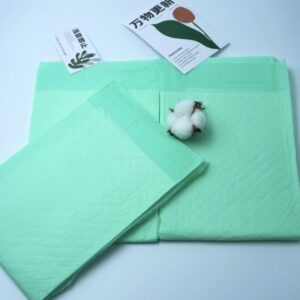
An underpad is a multi-layered absorbent sheet designed to protect surfaces from moisture and soiling. Its primary function is rooted in the principles of hygiene management and the preservation of underlying materials such as mattresses, chairs, and flooring. Constructed with a moisture-wicking top layer, an absorbent core, and an impermeable backing, underpads are engineered to quickly draw liquid away from the surface and lock it within the core. The core's efficacy is largely due to the inclusion of superabsorbent polymers (SAPs), which can retain significant volumes of fluid relative to their mass, transforming liquid into a gel to prevent leaks and maintain a drier surface. These pads are utilized across a wide spectrum of applications, including clinical healthcare for managing incontinence, post-operative care, and medical procedures. They are also integral to home care for the elderly, individuals with mobility challenges, and for infant care during diaper changes. Beyond human applications, they serve a practical purpose in veterinary medicine and pet ownership for training and containment.
Key Takeaways
- Protect surfaces like beds and chairs from moisture damage.
- Manage incontinence with dignity in healthcare and home settings.
- Maintain a hygienic environment during baby diaper changes.
- Discover what is an underpad for in pet training and crate lining.
- Choose pads based on absorbency, laki ng, and material for best results.
- Use during medical procedures to maintain a sterile field.
- Provide a waterproof barrier for various messy household tasks.
Table of Contents
- The Fundamental Role of Underpads in Hygiene and Protection
- Understanding the Science of Absorbency
- Key Applications: What is an Underpad For in Practice?
- A Practical Buyer's Guide: 5 Criteria for Selecting the Right Underpad
- Comparing Underpad Types: Making an Informed Choice
- Proper Use and Disposal for Optimal Hygiene
- Frequently Asked Questions (FAQ)
- Conclusion
- References
The Fundamental Role of Underpads in Hygiene and Protection
The inquiry into the purpose of an underpad extends beyond a simple definition; it delves into a consideration of dignity, cleanliness, and the preservation of our immediate environment. At its core, an underpad is a technological and material response to the universal human need for hygiene and security in the face of moisture, whether predictable or unexpected.
Defining the Underpad: More Than Just a Sheet
To begin, let us establish what an underpad is. It is not merely a piece of cloth or paper. It is an engineered composite material, a carefully constructed pad with distinct layers, each serving a specific function. You can think of it as a personal, portable, and disposable (or reusable) shield for surfaces. The top layer, which comes into contact with the user or potential fluid, is designed for softness and rapid fluid acquisition. It acts as a one-way gate, allowing liquid to pass through quickly while remaining as dry as possible to the touch. Beneath this lies the absorbent core, the heart of the underpad. Sa wakas, the bottom layer, or backsheet, is a waterproof barrier that prevents any fluid from seeping through to the furniture or bedding it is tasked with protecting. The very structure of the underpad speaks to its purpose: containment, aliw, and confidence.
A Brief Journey Through the History of Absorbent Products
The modern underpad did not emerge from a vacuum. Its existence is part of a longer narrative of human innovation in absorbent hygiene products. For centuries, societies have sought ways to manage bodily fluids, from the swaddling clothes of infants to the materials used for menstrual hygiene and elder care (Schutte-Smith, 2025). Early solutions often involved natural, reusable materials like moss, grasses, or woven textiles. While functional to a degree, they lacked the efficiency, convenience, and hygienic standards of modern products. The 20th century witnessed a revolution in this domain, driven by advancements in polymer science and non-woven manufacturing processes. The development of disposable diapers and sanitary napkins paved the way for the underpad, applying similar principles of absorption and containment to the challenge of surface protection (Mukherjee, 2025). This evolution reflects a broader societal shift towards prioritizing sanitation, simplifying caregiving, and enhancing the quality of life for individuals with specific physical needs.
The Core Components: Deconstructing a Modern Underpad
To truly grasp an underpad's function, we must examine its anatomy. A typical high-quality disposable underpad consists of three primary components working in concert.
- The Topsheet (Non-Woven Fabric): This is the user-facing layer. It is usually made from a soft polypropylene material that is spun into a fabric-like sheet. Its primary virtues are its softness, which is gentle on the skin, and its hydrophilicity, which means it allows water to pass through it easily. The goal is to wick moisture away from the skin and into the core as fast as possible to prevent irritation and discomfort.
- The Absorbent Core (Fluff Pulp and SAP): Herein lies the pad's power. The core is a blend of fibrous fluff pulp and a granular material known as superabsorbent polymer (SAP). The fluff pulp, made from wood, rapidly distributes the liquid across the core, while the SAP particles absorb and lock it away.
- The Backsheet (Polyethylene Film): This is the final line of defense. The backsheet is a thin, durable, and waterproof plastic film that prevents any leakage onto the surface below. It is often embossed to give it a cloth-like feel and to reduce slipping.
Each layer is indispensable. Without the wicking topsheet, moisture would pool on the surface. Without the absorbent core, the liquid would have nowhere to go. And without the waterproof backsheet, the entire purpose of the pad would be defeated.
Understanding the Science of Absorbency
The effectiveness of a modern underpad feels almost like magic. A thin, lightweight sheet can absorb and hold a surprisingly large volume of liquid without leaking. This capability is not magic, but a triumph of materials science, specifically the science of superabsorbent polymers. Investigating this technology illuminates precisely how an underpad functions at a microscopic level.
The Magic of Superabsorbent Polymers (SAPs)
Superabsorbent polymers are the unsung heroes of the absorbent hygiene product world. These are polymers that can absorb and retain extremely large amounts of a liquid relative to their own mass (Bachra et al., 2023). Chemically, SAPs are typically sodium polyacrylate, a chain of repeating molecular units. When dry, SAP is a white, granular powder, much like salt or sugar.
Imagine each tiny grain of SAP as a microscopic, coiled-up sponge. When this grain comes into contact with a water-based fluid, such as urine, the process of osmosis begins. The concentration of water outside the polymer network is much higher than inside it. This imbalance drives water molecules to rush into the polymer's structure. As the water enters, the coiled polymer chains unfurl and expand, trapping the water molecules within a gel matrix. This process can allow an SAP to absorb up to 300 times its weight in purified water. The result is that the liquid is no longer a liquid; it is chemically and physically locked into a semi-solid gel, preventing it from being squeezed out even under pressure. This is why the surface of an underpad can feel relatively dry even after it has absorbed a significant amount of fluid (Torii et al., 2025).
The Role of Fluff Pulp and Non-Woven Topsheets
While SAPs are the key to high capacity, they cannot work alone. They need a partner to manage the initial flow of liquid. This is the role of fluff pulp. Fluff pulp is a cellulose-based material, usually derived from pine wood, that is processed to create a bulky, fibrous mat. It acts like a network of tiny channels, or capillaries, that quickly captures incoming liquid and distributes it evenly across the area of the pad. This distribution ensures that the liquid reaches as many SAP particles as possible, maximizing the pad's overall absorbency and preventing a single area from becoming oversaturated and leaking.
The non-woven topsheet, as mentioned earlier, facilitates this entire process. It must be porous enough to let fluid pass through instantly but also strong enough to withstand use without tearing. Its design is a delicate balance, offering comfort against the skin while serving as an efficient gateway to the absorbent core.
How Layers Work in Concert for Maximum Efficacy
Let's trace the path of a single drop of liquid to understand the system's synergy.
- Makipag ugnay sa: The liquid first touches the soft, non-woven topsheet.
- Acquisition: The topsheet's hydrophilic properties immediately pull the liquid downward, away from the surface.
- Distribution: The liquid enters the fluff pulp core, which acts like a sponge, rapidly dispersing the fluid horizontally and vertically.
- Pagsipsip & Retention: As the liquid spreads, it encounters the thousands of SAP granules embedded within the pulp. The SAPs activate, absorbing the fluid and transforming it into a stable gel.
- Containment: Throughout this process, the impermeable polyethylene backsheet ensures that no moisture escapes from the bottom of the pad, keeping the underlying surface completely dry.
This elegant, multi-stage process happens in seconds. It is a testament to thoughtful engineering, where each material is chosen and placed to perform a specific task in a larger, coordinated effort to manage moisture effectively.
Key Applications: What is an Underpad For in Practice?
Having explored the composition and scientific principles of underpads, we can now turn to their practical applications. The question "what is an underpad for?" is best answered by examining the diverse contexts in which they provide an invaluable service. Their versatility makes them a staple in settings ranging from advanced medical facilities to the average family home.
Incontinence Management in Healthcare and Home Settings
Perhaps the most recognized use for underpads is in the management of urinary or fecal incontinence. For individuals in hospitals, long-term care facilities, or receiving care at home, incontinence can be a source of physical discomfort and emotional distress. Mga underpad, often referred to as chux pads in clinical environments, are placed on beds, wheelchairs, and other chairs to protect them from soiling. This protection is not just about preserving furniture; it is about promoting health and dignity. A high-quality underpad keeps the skin drier, reducing the risk of moisture-related skin breakdown and infections. It also simplifies the cleanup process for caregivers, allowing them to focus more on the patient's well-being. For those seeking a reliable supply of hygiene products, a comprehensive provider like Yibero Diaper offers a range of solutions that cater to these demanding needs.
Protecting Mattresses, Chairs, and Other Surfaces
Beyond formal caregiving, underpads are a practical tool for everyday life. They serve as excellent mattress protectors, especially for children who are transitioning out of diapers and may still have occasional nighttime accidents. A disposable underpad placed over the fitted sheet can save a mattress from permanent stains and odors, making middle-of-the-night changes quick and simple. Similarly, they can be used on couches, car seats, or any surface that requires protection from potential spills or accidents. The peace of mind that comes from knowing your valuable furnishings are shielded is a significant benefit.
Essential Uses in Infant and Toddler Care
For parents and childcare providers, underpads are a multi-purpose essential. During a diaper change, placing an infant on a disposable underpad creates a clean, hygienic surface, protecting the changing table or floor from messes. This is particularly useful when using public changing stations, providing a sanitary barrier between the baby and the surface. They are also useful for "nappy-free" time, allowing a baby to kick and play without a diaper while protecting carpets and playmats. Their portability makes them a must-have item in any diaper bag.
Veterinary and Pet Care Applications
The utility of underpads extends to our animal companions. Veterinarians use them to line examination tables and recovery cages, ensuring a clean environment for animals post-surgery or during treatment. At home, they are widely used as puppy training pads. Their absorbent nature and waterproof backing make them ideal for teaching a young dog where it is appropriate to relieve itself indoors. They are also perfect for lining pet carriers during travel, protecting a pet's bed if they are elderly and incontinent, or for use under food and water bowls to catch messy spills.
Beyond Hygiene: Other Practical Uses
The absorbent and waterproof qualities of underpads lend them to a variety of other uses. They can be placed on a workbench to absorb spills from oils or paints. Gardeners can use them as a clean surface for repotting plants, containing soil and water. They can even be used as temporary floor protection during small home repair projects or artistic endeavors involving wet media. Their design приоритеizes containment, making them a versatile problem-solver for any task that involves potential mess.
A Practical Buyer's Guide: 5 Criteria for Selecting the Right Underpad
Understanding the purpose and science of underpads is the first step. The next is selecting the product that best fits a specific need. Not all underpads are created equal, and making an informed choice requires a consideration of several key factors. This guide outlines five critical criteria to help you navigate the options and find the ideal underpad for your situation.
Criterion 1: Absorbency Level and Capacity
The most fundamental characteristic of an underpad is its ability to absorb liquid. Manufacturers typically offer a range of absorbency levels, often categorized as light, katamtaman, heavy, or overnight.
- Light Absorbency: Suitable for minor leaks, surface protection during quick procedures like a blood draw, or as a baby changing liner.
- Moderate Absorbency: A versatile middle ground, ideal for managing predictable incontinence during the day or for protecting chairs and car seats.
- Heavy/Overnight Absorbency: Designed for managing significant incontinence, especially for overnight use. These pads contain a higher concentration of SAP and a thicker fluff pulp core to provide maximum protection and ensure an uninterrupted night's sleep.
Consider the volume of liquid you need to manage. For overnight bed protection, choosing a high-absorbency pad is paramount. For simply protecting a chair during the day, a moderate level may suffice.
Criterion 2: Size and Coverage Area
Underpads come in a wide array of sizes, from small squares perfect for a chair to large rectangles capable of covering a significant portion of a bed. The right size depends entirely on the application. Before purchasing, measure the surface you intend to protect. For a bed, you want a pad that is large enough to cover the area where the user's torso will be, with extra room on the sides to account for movement during sleep. A common size for bed use is 30×36 inches (approx. 76×91 cm). For a wheelchair or recliner, a smaller pad, such as 23×36 inches (approx. 58×91 cm), is often more appropriate as it can be tucked in securely without excess bulk.
Criterion 3: Material and Skin Sensitivity
The topsheet of the underpad is the layer that may come into contact with skin. For individuals who will be sitting or lying on the pad for extended periods, skin comfort and health are of the utmost importance. Look for pads with a soft, cloth-like, non-woven topsheet. Some individuals have sensitive skin that can be irritated by certain materials or fragrances. In such cases, choosing a hypoallergenic and fragrance-free pad is a wise decision. A breathable pad, which allows some air circulation, can also help to maintain skin integrity and reduce heat buildup.
Criterion 4: Disposable vs. Reusable (Washable) Options
Underpads are available in two main formats: disposable and reusable.
- Disposable Underpads: These are designed for single use. Their primary advantages are convenience and hygiene. After being soiled, they can be rolled up and disposed of, eliminating the need for laundering. This is ideal in clinical settings or for situations where laundry is impractical.
- Reusable Underpads: These are made with a fabric top layer and a waterproof vinyl or polyurethane backing. After use, they can be machine washed and dried, making them a more economical and environmentally friendly option over the long term. Gayunpaman, they require a higher upfront investment and the commitment to regular laundering.
The choice between them depends on a balance of convenience, long-term cost, and environmental considerations.
Criterion 5: Backsheet and Durability
The backsheet is the waterproof barrier that prevents leaks. Most disposable pads use a polyethylene backsheet. Some are smoother, while others are embossed with a "cloth-like" texture. A cloth-like backsheet is often quieter, reducing the rustling sounds that can disturb sleep. It can also feel more comfortable and less "clinical." Dagdag pa, consider the durability of the pad. A well-constructed pad should resist tearing and bunching up, even with movement. Some heavy-duty pads have extra-strong backsheets that are designed for repositioning a patient in bed, though this should always be done with care and according to caregiver guidelines. Finding the right disposable underpads with a durable backsheet is a key step toward effective and reliable hygiene management.
Comparing Underpad Types: Making an Informed Choice
With a clear understanding of what to look for, a direct comparison can be useful. The most significant choice a user often makes is between disposable and reusable underpads. Each has a distinct profile of advantages and disadvantages that cater to different priorities and lifestyles.
Disposable vs. Reusable Underpads: A Comparative Analysis
This table breaks down the key differences to help guide your decision-making process.
| Tampok | Disposable Underpads | Reusable (Washable) Mga underpad |
|---|---|---|
| Kaginhawaan | High; simply discard after use. Ideal for travel and clinical settings. | Lower; requires immediate laundering to prevent stains and odors. |
| Upfront Cost | Low per pad, but purchased in packs. | High for a single pad. |
| Long-Term Cost | Can become expensive over time with continuous, frequent use. | More economical over time, as it can be washed hundreds of times. |
| Environmental Impact | Higher; contributes to landfill waste. | Lower; reduces waste significantly over its lifespan. |
| Absorbency Options | Wide range available, from light to maximum/overnight. | Typically offers moderate to heavy absorbency. |
| Maintenance | None; dispose of responsibly. | Requires machine washing and drying. May require special detergents. |
| Feel and Comfort | Modern versions have soft, cloth-like topsheets. Can be very thin. | Often feels more like regular bedding. Can be thicker and warmer. |
Selecting Underpads by Application
The optimal underpad is one that is matched to its specific task. This table provides recommendations for common use cases, integrating the criteria discussed previously.
| Paglalapat | Recommended Absorbency | Recommended Size | Key Features to Look For |
|---|---|---|---|
| Overnight Bed Protection (Nasa hustong gulang na) | Heavy or Overnight | 30×36 inches or larger | High SAP content, cloth-like backsheet for quietness, soft topsheet. |
| Wheelchair or Recliner Use | Katamtaman | 23×24 or 23×36 inches | Durable backsheet, non-slip texture, good absorbency for pressure points. |
| Baby Changing Station | Light to Moderate | 17×24 inches or similar | Soft topsheet, portable, often sold in smaller, convenient packs. |
| Puppy Training | Katamtaman | Varies by dog size | Can include attractants, durable enough to resist tearing from paws. |
| Post-Surgical Home Care | Moderate to Heavy | Varies by need | Sterile packaging if needed, high absorbency for wound drainage. |
Proper Use and Disposal for Optimal Hygiene
Selecting the correct underpad is only half the battle. Using it properly and managing its disposal or cleaning are essential for it to fulfill its hygienic purpose. Improper use can lead to leaks, skin irritation, and frustration, negating the benefits of the product.
Best Practices for Placement and Changing
Effective placement is key to preventing leaks. When placing an underpad on a bed, unfold it completely and smooth out any wrinkles. Position it so that it covers the area directly beneath the user's hips and midsection. For individuals who move frequently in their sleep, a larger pad or one with adhesive strips may be beneficial to keep it in place. For chairs and wheelchairs, the pad should be tucked securely into the sides to prevent it from shifting.
The frequency of changing an underpad depends on its level of soilage and absorbency. An underpad should be changed immediately once it is significantly wet or soiled. Leaving a person on a wet pad, even a highly absorbent one, increases the risk of skin breakdown and discomfort. For light-duty uses, such as a baby changing mat, it can be disposed of after each change. A good rule of thumb is to check the pad regularly and change it proactively to maintain a clean and dry environment.
Responsible Disposal of Disposable Underpads
Hygiene does not end with the use of the product; it extends to its disposal. After use, a disposable underpad should be carefully folded or rolled inward to contain the soiled area. This prevents contact with the wet surface and helps to control odor. Many underpads can be rolled into a tight bundle and secured with their own adhesive strips or tape. The bundled pad should then be placed in a plastic bag or a designated disposal receptacle before being put in the household trash. It is imperative to never flush an underpad, or any part of it, down a toilet. The absorbent materials, especially SAP and fluff pulp, will expand and cause severe plumbing blockages.
Care and Maintenance of Reusable Underpads
Reusable underpads represent a commitment to a different kind of maintenance. For best results, they should be washed as soon as possible after being soiled to prevent stains and odors from setting in. Most can be washed in a standard washing machine with household detergent. It is often recommended to use a warm or hot water setting to ensure sanitation. Avoid using fabric softeners or chlorine bleach, as these can degrade the absorbent materials and reduce the pad's effectiveness and lifespan. Tumble dry on a medium heat setting or as directed by the manufacturer. Ensuring the pad is completely dry before reuse is crucial for both comfort and absorbency. Having several reusable pads on hand allows for a clean one to be in use while others are in the laundry cycle.
Frequently Asked Questions (FAQ)
What are 'chux' and are they the same as underpads? Oo nga, "chux" is a colloquial term for disposable underpads. The name is believed to have originated from the brand name "Chux" and became a generic term, particularly common in medical and caregiving settings in North America. When someone refers to chux pads, they are talking about the same disposable absorbent sheets used for surface protection.
How often should I change an underpad? An underpad should be changed as soon as it becomes soiled or significantly wet. For incontinence management, this means checking the pad regularly and replacing it to protect the user's skin. Leaving a person on a wet pad can lead to skin irritation and breakdown. For other uses, like puppy training, it should be changed after each use to maintain a clean training area.
Can you sleep directly on an underpad? Oo nga, underpads are designed to be slept on. High-quality pads feature a soft, cloth-like topsheet that is gentle on the skin. They are often placed directly on top of the fitted sheet on a bed. This allows for quick cleanup in case of an accident, as only the underpad needs to be replaced, not all the bedding.
How do I choose the right absorbency level? Choose the absorbency level based on the expected amount of fluid. Use light absorbency for minor drips or as a changing station liner. Moderate absorbency is a good all-purpose choice for daytime use. Heavy or overnight absorbency is best for managing significant incontinence, especially for uninterrupted sleep, as these pads contain more superabsorbent polymer (SAP) to lock away large volumes of liquid.
Are underpads safe for pets? Oo nga, underpads are widely and safely used for pets. They are excellent for puppy house training, lining crates and carriers, or for older pets experiencing incontinence. Just ensure the pet does not chew on or ingest the pad, as the inner materials are not digestible.
Can underpads be used for purposes other than incontinence? Absolutely. Their absorbent and waterproof nature makes them incredibly versatile. They can be used as a clean surface for baby "nappy-free" time, under high chairs to catch spills, for messy craft projects, as a liner for workbenches, or for protecting car seats from wet swimsuits or muddy paws.
Are reusable underpads as absorbent as disposable ones? Reusable and disposable underpads can have comparable absorbency, but the highest levels of absorbency are often found in disposable "overnight" products that use large amounts of superabsorbent polymers. A high-quality reusable pad offers excellent protection for moderate to heavy needs and is more than sufficient for most situations.
Conclusion
The underpad, in its elegant simplicity, embodies a profound response to the human need for security, hygiene, and dignity. It is far more than a disposable sheet; it is a carefully engineered tool that leverages advanced materials science to offer a practical solution to the universal challenge of managing moisture. From the sterile corridors of a hospital to the quiet comfort of a bedroom, and from a baby's changing table to a puppy's training corner, the applications are as varied as the needs they meet. By understanding the interplay of its layers—the soft topsheet, the powerful absorbent core, and the impermeable backsheet—we can appreciate the thought and innovation contained within. Choosing the right underpad involves a thoughtful consideration of absorbency, laki ng, materyal na bagay, and lifestyle, weighing the convenience of disposable options against the sustainability of reusable ones. Ultimately, the underpad serves to protect our environments, simplify the work of caregiving, and provide peace of mind, allowing individuals and their caregivers to focus on what truly matters: health, aliw, and quality of life.
References
Bachra, Y., Damiri, F., Berrada, M., Tuteja, J., & Sand, A. (2023). Introduction of superabsorbent polymers. In Properties and Applications of Superabsorbent Polymers (pp. 1-18). Springer, Singapore. https://doi.org/10.1007/978-981-99-1102-8_1
Mukherjee, A. (2025). The development and challenges of infant diapers ensuring good health with sustainability aspects: Landscape of UN perspective. In Sustainable Textile and Apparel Chain Management (pp. 155-190). Springer, Cham. https://doi.org/10.1007/978-3-031-80240-9_7
Schutte-Smith, M. (2025). Review: Sanitary pads—composition, regulation, and ongoing research to address associated challenges. Journal of Materials Science, 60(28), 1-24. https://doi.org/10.1007/s10853-025-11151-7
Torii, K., Mishra, M. K., Tomita, I., & Takagi, K. (Eds.). (2025). Superabsorbent polymers. In Polymer Modification: Principles, Techniques, and Applications. CRC Press.
Zarrabi, H., Talebi, A., Afzali, N., & Vaezi, M. (2025). Toward eco-friendly menstrual products: A comparative life cycle assessment of sanitary pads made from bamboo pulp vs. a conventional one. Environmental Science and Pollution Research, 32, 9050–9067. https://doi.org/10.1007/s11356-025-36269-8


