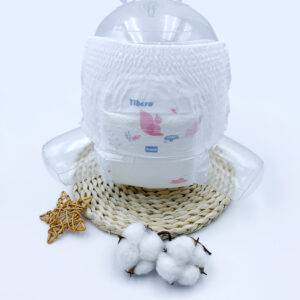
Abstract
The selection of a suitable baby diaper presents a complex challenge for caregivers and procurement specialists globally, extending beyond simple containment to encompass dermatological health, chemical safety, and environmental considerations. This document examines the multifaceted criteria for identifying a truly healthy baby diaper in the 2025 marketplace. It provides a systematic analysis of diaper materials, focusing on the roles and potential risks of superabsorbent polymers, pulp bleaching processes (Totally Chlorine-Free versus Elemental Chlorine-Free), and the exclusion of additives like fragrances and lotions. The investigation extends to the interpretation of international certification standards, such as OEKO-TEX and various ecolabels, which serve as proxies for safety and sustainability. Furthermore, the functional aspects of diaper performance, including absorbency metrics, leak prevention engineering, and breathability, are evaluated in relation to infant well-being. The ergonomic design for optimal fit and the lifecycle impact of disposable diapers are also considered. This comprehensive guide synthesizes scientific evidence and industry best practices to empower informed decision-making for both individual consumers and businesses engaged in large-scale sourcing and custom product development.
Key Takeaways
- Prioritize diapers made with Totally Chlorine-Free (TCF) pulp to avoid dioxin exposure.
- Choose fragrance-free and lotion-free options to minimize skin irritation and allergies.
- Look for independent certifications like OEKO-TEX Standard 100 for verified safety.
- Ensure a proper fit to prevent leaks and chafing, which are crucial for skin health.
- A breathable outer cover is a key feature of a healthy baby diaper for preventing rash.
- Evaluate absorbency and wetness indicators to keep the baby’s skin dry and comfortable.
- For businesses, verify supplier transparency and quality control for raw materials.
Table of Contents
- 1. Deconstructing the Diaper: Material Composition and Safety
- 2. The Label Literacy Test: Decoding Certifications and Standards
- 3. Performance Under Pressure: Absorbency, Leakage Protection, and Breathability
- 4. A Perfect Fit: The Ergonomics of Diaper Design
- 5. The Environmental Footprint: A Realistic Look at Eco-Friendly Options
- 6. Skin Deep: Prioritizing Dermatological Health
- 7. Beyond the Shelf: Sourcing, OEM / ODM, and Supply Chain Integrity
- Frequently Asked Questions (FAQ)
- Conclusion
- References
1. Deconstructing the Diaper: Material Composition and Safety
The modern disposable diaper is a marvel of material science, a layered construct designed to perform a demanding function. Yet, for a parent or a conscientious product manager, what lies within those layers is a matter of profound significance. The pursuit of a healthy baby diaper begins not on the store shelf, but in understanding the very substances that will be in close contact with a baby’s delicate skin for thousands of hours. This requires a shift in perspective, moving from a consumer of a finished product to an investigator of its constituent parts. We must ask not only “Does it work?” pero “What is it made of, and are those materials unconditionally safe?”.
The Core Issue: Absorbency Without Harmful Chemicals
At the heart of every disposable diaper is its absorbent core. The primary function of this core is to pull liquid away from the skin and lock it away, preventing wetness from causing discomfort and, more seriously, diaper dermatitis. For decades, the efficiency of this process has been improving, leading to thinner, more absorbent products. This advancement, however, has been driven by sophisticated chemistry. The central tension, then, is achieving maximum absorbency while ensuring the chemical agents used are inert, non-toxic, and non-irritating. A parent’s peace of mind depends on the certainty that the solution to wetness does not introduce a different, more insidious problem. The materials chosen for this core, and for the layers surrounding it, form the foundation of what constitutes a healthy baby diaper. The absence of harmful residuals, volatile organic compounds (VOCs), and known allergens is not a luxury feature; it is the fundamental requirement.
Understanding Superabsorbent Polymers (SAP)
The hero of the absorbent core is the superabsorbent polymer, or SAP. Before its widespread adoption, diapers relied on bulky fluff pulp alone, resulting in thick, less effective products. Imagine a tiny, dry crystal that, upon contact with liquid, can absorb and retain hundreds of times its own weight, transforming into a gel. That is SAP. Chemically, it is typically sodium polyacrylate. Its introduction revolutionized the diaper industry.
The safety of SAP has been a subject of considerable study and some public concern, often linked to early, unrelated issues with tampons in the 1980s. Gayunpaman, extensive research has since been conducted. Modern, high-quality SAP used in diapers is a large polymer, meaning its molecules are too big to be absorbed through the skin (Odio & O’Connor, 2021). The manufacturing process has been refined to ensure that the concentration of any leftover reactants, such as acrylic acid, is well below safety thresholds established by regulatory bodies worldwide. When selecting a healthy baby diaper, the concern is less about the presence of SAP itself—it is nearly ubiquitous—and more about the quality and purity of the SAP used. Reputable manufacturers source their polymers from established chemical companies that adhere to stringent purity standards, ensuring the final product is free from harmful contaminants. A diaper that feels dry to the touch even when full is a testament to the effectiveness of its SAP gel, which locks urine away and helps maintain a stable pH on the skin’s surface.
The Chlorine Question: TCF vs. ECF Pulp
Ang lambot, fluffy material mixed with the SAP in the diaper’s core is wood pulp. This pulp provides structure and helps distribute liquid quickly to the SAP. To make this pulp white, soft, and pure, it must be bleached. The method of bleaching is a point of significant differentiation among diaper brands.
Historically, elemental chlorine gas was used. This process was found to create dioxins as a byproduct. Dioxins are a group of highly toxic and persistent environmental pollutants that can accumulate in the body and are linked to a range of health problems. In response to these concerns, the industry moved away from this method.
Two primary alternatives are now used:
- Elemental Chlorine-Free (ECF): This method uses chlorine dioxide instead of elemental chlorine gas. It dramatically reduces the formation of dioxins but does not eliminate them entirely. The trace levels are generally considered safe by regulatory agencies, and ECF is the most common bleaching method used in the paper and diaper industry today.
- Totally Chlorine-Free (TCF): This method avoids any type of chlorine or chlorine-based compounds. Instead, it uses oxygen, ozone, or hydrogen peroxide for the bleaching process. TCF processing ensures that dioxins are not created as a byproduct.
For those seeking the highest standard for a healthy baby diaper, TCF is the preferred choice. While the risk from the trace dioxins in ECF diapers is considered minimal by many regulators, the TCF method offers a greater margin of safety and demonstrates a manufacturer’s commitment to eliminating potential sources of harmful chemicals. It also carries a significant environmental benefit, as it prevents chlorinated compounds from being released into waterways from the pulp mill.
Avoiding Fragrances, Lotions, and Dyes
In an effort to appeal to the consumer’s senses, many diaper brands add fragrances, lotions, or printed colorful designs. While these may seem like harmless additions, they can be a source of significant problems for infants.
- Fragrances: Ang terminong “fragrance” o “parfum” on an ingredient list can hide a complex mixture of dozens or even hundreds of chemicals. These formulations are often protected as trade secrets. Many of these fragrance components are known allergens or sensitizers, which can trigger skin reactions or even respiratory issues in sensitive babies (Steinemann, 2017). A diaper’s job is to manage waste, not to act as an air freshener. A truly healthy baby diaper should be free of all added scents.
- Lotions: Some diapers are coated with a thin layer of lotion, often containing ingredients like petrolatum or mineral oil. The stated purpose is to protect the baby’s skin. Gayunpaman, these lotions can also contain allergens or unnecessary chemicals. Furthermore, they can interfere with the diaper’s primary function of wicking moisture away, potentially trapping wetness against the skin. A better approach is to keep the diaper material pure and allow parents to apply a barrier cream of their own choosing if needed.
- Dyes: Colorful patterns on the outside of the diaper are common. While most reputable brands use pigments that are free of heavy metals and other toxic substances, the dyes used can still be a source of irritation for some babies with extreme sensitivities. The wetness indicator line, which changes color when wet, is a functional dye and is generally considered safe as it is designed to not come into direct contact with the skin. Gayunpaman, for the most minimalist and hypoallergenic option, a diaper with no printed designs beyond the wetness indicator is the safest bet.
| Chemical/Additive | Common Purpose in Diapers | Potential Health Concern | Recommendation |
|---|---|---|---|
| Phthalates | Softening plastics, fragrance carrier | Endocrine disruption, developmental issues | Avoid. Choose phthalate-free certified products. |
| Fragrance (Parfum) | Masking odors, consumer appeal | Allergies, skin sensitization, respiratory irritation | Avoid. Opt for fragrance-free diapers. |
| Dioxins/Furans | Byproduct of chlorine bleaching | Carcinogenic, reproductive and developmental harm | Choose Totally Chlorine-Free (TCF) pulp. |
| Lotions/Creams | Skin conditioning | Can contain allergens, may trap moisture | Avoid. Apply barrier cream separately if needed. |
| Disperse Dyes | Colored patterns and designs | Allergic contact dermatitis in sensitive individuals | Prefer diapers with minimal or no decorative prints. |
| Lead/Heavy Metals | Contaminant in inks or raw materials | Neurotoxicity, developmental delays | Ensure manufacturer tests for heavy metals. |
2. The Label Literacy Test: Decoding Certifications and Standards
In a crowded market filled with ambiguous terms like “natural,” “pure,” at “banayad na,” the consumer is often left confused. These marketing words have no regulated definition. How, then, can one objectively verify a manufacturer’s claims? The answer lies in independent, third-party certifications. These programs provide a standardized, verifiable benchmark for safety and, in some cases, environmental performance. Learning to read and understand these labels is like learning a new language—the language of product integrity. It transforms you from a passive recipient of marketing messages into an empowered judge of a product’s quality.
Global Standards: OEKO-TEX, Nordic Swan, EU Ecolabel
Not all certifications are created equal. Some are more rigorous and comprehensive than others. For those sourcing or buying diapers for markets across Europe, Asia, and the Americas, familiarity with a few key international standards is invaluable.
- OEKO-TEX Standard 100: This is one of the most recognized and trusted certifications for textiles and, by extension, for the non-woven fabrics used in diapers. If a diaper is certified to Standard 100, it means every component—from the top sheet to the absorbent core to the fastening tabs—has been tested and found free from a long list of harmful substances. This list includes banned azo dyes, formaldehyde, phthalates, heavy metals, and pesticides. The testing is conducted by independent partner institutes. For a healthy baby diaper, ang “Product Class I” certification is the most relevant, as it has the strictest limits, designed for articles that have direct, extensive skin contact with infants and toddlers.
- Nordic Swan Ecolabel: This is the official ecolabel of the Nordic countries. It takes a holistic, lifecycle approach. To earn the Nordic Swan, a diaper must meet stringent requirements not only for the chemicals used but also for its environmental impact during production and its performance and quality. It forbids the use of lotions and perfumes, sets strict limits on waste from the factory, and requires that a certain percentage of the materials come from renewable sources. A diaper with this label has passed a high bar for both health and environmental responsibility.
- EU Ecolabel: Similar to the Nordic Swan, the EU Ecolabel is a voluntary program that certifies products with a reduced environmental impact. For diapers, this includes criteria related to raw material sourcing (promoting sustainably managed forests for pulp), limitations on hazardous substances, and reduced energy consumption and emissions during production. It also sets minimum performance standards to ensure the “eco” product actually works well.
These certifications provide a layer of assurance that goes beyond a company’s own marketing. They represent a commitment to transparency and a willingness to be held accountable to a public, rigorous standard.
Hypoallergenic and Dermatologically Tested: What Does It Mean?
Two phrases appear frequently on diaper packaging: “hypoallergenic” at “dermatologically tested.” They sound reassuring, but their meaning can be imprecise.
- Hypoallergenic: This term suggests that a product is less likely to cause an allergic reaction. Gayunpaman, in many regions, including the United States, there are no federal standards or definitions that govern the use of this term. A company can theoretically call its product hypoallergenic without any supporting evidence. A more meaningful interpretation is that the manufacturer has intentionally avoided common allergens, such as fragrances, latex, and certain dyes. A truly hypoallergenic healthy baby diaper is one that is free from these known irritants.
- Dermatologically Tested: This phrase indicates that the product has been tested on human skin, usually under the supervision of a dermatologist, to assess its potential for causing irritation. A common method is the Human Repeat Insult Patch Test (HRIPT), where the product’s materials are applied to the skin of volunteers for a period of time to check for reactions. While this testing adds a level of confidence, the rigor of the test can vary. Reputable testing from third-party labs provides more credibility than internal testing. When you see this claim, it is a positive sign, but it carries more weight when combined with other evidence, such as a full ingredient disclosure and a TCF or OEKO-TEX certification.
Navigating “Green” Claims: Biodegradable vs. Compostable
As environmental awareness grows, many brands market their diapers as “eco-friendly.” Two terms that often cause confusion are “biodegradable” at “compostable.”
- Biodegradable: This simply means that a material can be broken down by microorganisms over time. The problem is that almost everything is biodegradable, given enough time—even thousands of years. Without a specific timeframe and set of conditions, the term is functionally meaningless. A “biodegradable” diaper thrown into a conventional landfill will not break down in the intended way. Modern landfills are designed to be airtight and dry to prevent the leaching of pollutants, which means they mummify waste rather than allowing it to decompose.
- Compostable: This is a much more specific and regulated term. A compostable product must be able to break down into natural elements in a compost environment within a specific timeframe (e.g., 90 days in an industrial facility), leaving no toxic residue. Gayunpaman, very few municipalities have industrial composting facilities that accept diaper waste. So, even a certified compostable diaper will likely end up in a landfill, where it cannot properly compost.
While the intention behind choosing plant-based or “biodegradable” diapers is admirable, it is vital to have realistic expectations. The true environmental benefit of these products often lies more in their production—using renewable resources like bamboo or cornstarch for some components—than in their end-of-life disposal. A focus on diapers made with sustainably sourced TCF pulp and produced in factories that minimize waste and energy use may have a more verifiable positive impact than a focus on biodegradability alone.
3. Performance Under Pressure: Absorbency, Leakage Protection, and Breathability
Beyond the chemistry and certifications lies the practical reality of a diaper’s daily performance. A diaper can be made from the purest materials on earth, but if it leaks, fails to keep the skin dry, or causes chafing, it is not fulfilling its purpose. The engineering of a modern disposable diaper is a delicate balance of fluid dynamics, material science, and ergonomics. A superior healthy baby diaper must excel in three key areas: rapidly absorbing liquid, securely containing it, and allowing air to circulate to keep the skin healthy.
The Science of Wetness Indication
A simple but ingenious feature of many modern diapers is the wetness indicator. This is typically a yellow line or pattern printed on the outside of the diaper that turns blue upon contact with urine. This technology removes the guesswork for parents, allowing them to know when a change is needed without having to open the diaper. This is not just a convenience; it is a tool for promoting skin health. By enabling timely changes, it helps to minimize the duration of contact between the skin and the irritants in urine and feces.
How does it work? The indicator is a pH-sensitive dye. Urine is typically slightly acidic to neutral, but upon exposure to air and bacteria, its pH can change. The dye is formulated to change color in response to the presence of moisture and the associated shift in pH. The dye itself is applied in a way that it does not come into direct contact with the baby’s skin, being embedded within the non-woven outer layer. For parents of newborns who may urinate small amounts frequently, a reliable wetness indicator is an invaluable feature, ensuring the baby stays comfortably dry.
Engineering for Leak Prevention: Cuffs, Waistbands, and Core Design
A “blowout” is every parent’s nightmare. Preventing leaks, especially the explosive kind common in breastfed infants, is a primary design challenge. Effective leak prevention is not about a single feature but about a system of components working in concert.
- Leg Cuffs (Gathers): High-quality diapers have a double-cuff system. There is an inner cuff that gently hugs the baby’s leg to form a primary seal, and an outer, more ruffled cuff that provides a second line of defense. These cuffs need to be made of soft, flexible material to avoid chafing while maintaining an effective barrier.
- Waistband: A stretchy, well-fitting waistband at the back of the diaper is vital. It must adapt to the baby’s movements—sitting, crawling, twisting—to prevent gaping at the back, which is a common cause of leaks. Some designs use an elasticated band, while others incorporate stretch into the entire back panel for a more secure, komportable na magkasya.
- Absorbent Core Design: The shape and composition of the core itself play a role. A well-designed core will have a channel system to quickly distribute liquid throughout the diaper, rather than allowing it to pool in one spot. This rapid distribution utilizes the full capacity of the SAP and prevents overwhelming one area, which can lead to leaks under pressure (like when a baby sits down). The core should also maintain its structural integrity when wet, resisting clumping or breaking apart, which can create weak spots.
When evaluating a healthy baby diaper for leak protection, one must look at it as an integrated system. The combination of soft, effective cuffs, a secure and flexible waistband, and a fast-distributing core is what provides reliable containment and peace of mind.
Breathability: A Key Factor in Preventing Diaper Rash
Perhaps one of the most overlooked yet significant advancements in diaper technology is the development of breathable materials. A common misconception is that a diaper needs to be completely waterproof to prevent leaks. In reality, the best designs are waterproof to liquids but permeable to vapor.
Think of it like modern high-performance rain gear. It keeps the rain out, but it allows your sweat to evaporate so you don’t get clammy and cold. A breathable diaper functions on a similar principle. The outer cover is made from a microporous non-woven material. The pores are too small for water molecules (liquid) to pass through, but large enough for water vapor (air and moisture) to escape.
This airflow is fundamental for skin health. It helps to reduce the temperature and humidity inside the diaper, creating a less favorable environment for the proliferation of bacteria and yeast that contribute to diaper rash (Adam, 2017). A diaper that traps heat and moisture can quickly lead to irritated, red skin. A breathable outer cover helps maintain a more balanced microclimate against the skin, keeping it drier and healthier. When you feel the outside of a full, high-quality diaper, it may feel slightly damp to the touch. This is not a sign of a leak; it is a sign that the diaper is doing its job and breathing, allowing excess humidity to escape.
| Tampok | Newborn Diaper (Sukat 1-2) | Active Toddler Diaper (Sukat 4-6) |
|---|---|---|
| Primary Need | Gentle materials, high frequency changes | High absorbency, flexibility, durability |
| Cut/Shape | Umbilical cord cutout/notch | Taller rise, more coverage in the back |
| Absorbency | Rapid absorption for liquid stool | High total capacity for larger voids |
| Sistema ng Pagbigkis | Malambot na, re-fastenable tabs | Malakas na, secure tabs that resist toddlers’ efforts to undo them |
| Leak Guards | Malambot na, gentle cuffs for thin legs | Robust, double-gusseted cuffs for active leg movements |
| Fit na fit | Snug but gentle fit for sleeping/less active baby | Highly flexible waist and sides for crawling, walking, climbing |
| Transition | Traditional taped diaper | May transition to easy-to-use diaper pants for potty training |
4. A Perfect Fit: The Ergonomics of Diaper Design
A diaper’s effectiveness is not determined by its materials alone. The physical design, its ergonomics, plays an equally profound role. A diaper that is technically superior in its absorbency and chemical safety can still fail if it does not fit the unique contours of a baby’s body. A poor fit leads not only to leaks but also to discomfort, chafing, and red marks on the skin. Achieving a perfect fit is a dynamic challenge, as a baby’s body shape changes dramatically from the fragile newborn stage to the robust, active toddler years. A truly healthy baby diaper must function like a second skin, moving with the child and providing secure protection without constriction.
Sizing Beyond Weight: Considering Body Shape
Every diaper package comes with a weight range, for example, 12-18 lbs for a Size 3. This is a useful starting point, but it is only a guideline. Babies, like adults, come in all shapes and sizes. One baby at 15 lbs might be long and slender, while another is short and chubby. The same size diaper will not fit them equally well.
Relying solely on the weight chart can lead to frustration. A more nuanced approach is to observe the fit on the baby:
- Around the Legs: The leg cuffs should sit in the crease of the baby’s groin, like the seam of underwear. If there are gaps, the diaper is likely too big, creating a path for leaks. If the cuffs are digging in and leaving deep red marks, the diaper is too small.
- Around the Waist: You should be able to comfortably fit two fingers between the diaper and the baby’s stomach. If it is tighter, it may be uncomfortable. If it is looser, the diaper may sag when full, especially at the back.
- Overall Coverage: The diaper should rise to a proper height on the baby’s back to provide adequate coverage. If it looks more like a low-rise bikini, it is time to size up.
Frequent leaks or constant red marks are the clearest signs that you need to re-evaluate the size or even the brand of diaper, as different brands have slightly different cuts.
The Role of Stretchable Sides and Fastening Systems
The ability of a diaper to adapt to a baby’s shape and movement is largely dependent on its stretchable components and how it is fastened.
- Stretchable Sides/Ears: High-quality diapers feature stretchy side panels or “ears” where the fastening tabs are attached. This is a critical feature for a comfortable, custom fit. This elasticity allows the diaper to conform to the baby’s waist without being restrictive. It accommodates a full belly after a feeding and allows for freedom of movement as the baby wiggles and plays. Diapers without stretchable sides are more difficult to fit correctly and are more likely to either be too tight or to sag and leak.
- Fastening Tabs: The tabs that secure the diaper should be strong enough to stay in place but also flexible. Modern tabs are often designed to be re-fastenable, allowing parents to check the diaper or adjust the fit without needing a new one. Ang “landing zone” where the tabs attach should be wide enough to allow for a significant range of adjustment, accommodating babies of different widths within the same size range. The materials used for the tabs and landing zone should be soft to prevent scratching the baby’s sensitive skin.
The interaction between the stretchy sides and the fastening system is what creates a 360-degree seal. It allows the diaper to hug the body’s contours, moving and flexing with the baby, which is the essence of good ergonomic design in a healthy baby diaper.
Transitioning to Diaper Pants: When and Why
As babies grow into toddlers, a new challenge emerges: diaper changes become a wrestling match. An active, curious toddler has little patience for lying still. This is the stage where diaper pants, also known as pull-ups or training pants, become an invaluable tool.
Diaper pants are designed to be pulled on and off like underwear but have the absorbent capacity of a diaper. They typically feature a fully elasticized waist and tear-away sides for easy removal when soiled. The transition to diaper pants is not dictated by a specific age or weight, but by the child’s developmental stage and behavior.
Signs it might be time to switch:
- Ang “Alligator Roll”: If your baby constantly rolls over and tries to crawl away during changes, making it nearly impossible to secure traditional tabs.
- Standing Changes: Diaper pants can be pulled on while the child is standing, which is often much easier and faster with a toddler.
- Interest in Potty Training: While not exclusively for potty training, they help introduce the concept of pulling pants up and down, which is a key skill. They give the toddler a sense of independence and being a “big kid.”
High-quality pull-up style diaper pants offer the same core technologies as their taped counterparts—a highly absorbent core, breathable materials, and excellent leak protection—but in a form factor that is better suited to the mobility and growing independence of a toddler. They represent a key product in a comprehensive diapering system, adapting to the changing needs of the child from infancy through the potty-training years.
5. The Environmental Footprint: A Realistic Look at Eco-Friendly Options
The choice of a diaper is not made in a vacuum. In our current era, an awareness of our environmental impact rightly informs our consumer decisions. With a single baby using thousands of disposable diapers before potty training, the collective environmental toll is substantial. This has led to a growing demand for “eco-friendly” o “green” mga lampin. Gayunpaman, as we have seen, this space is filled with confusing claims. A responsible examination of a diaper’s environmental footprint requires a nuanced, lifecycle perspective—from the sourcing of its raw materials to its inevitable disposal. The goal is to make choices that are genuinely better for the planet without compromising the health and safety of the baby.
The Lifecycle of a Disposable Diaper
To understand a diaper’s environmental impact, we must consider its entire journey:
- Raw Material Acquisition: This involves harvesting trees for wood pulp, extracting petroleum for plastics (like polypropylene for the liner and polyethylene for the backsheet) and SAP, and growing crops like corn or bamboo for plant-based alternatives. Each of these has an environmental cost in terms of land use, water consumption, and energy.
- Manufacturing: The raw materials are processed and assembled into a diaper. This stage consumes significant amounts of energy and water. The type of energy used (renewable or fossil fuels) and the factory’s efficiency and waste management practices are major factors. For example, the TCF bleaching process for pulp is not only better for chemical safety but also has a lower environmental impact on waterways compared to ECF.
- Distribution: Diapers are packaged and shipped from the factory to warehouses and then to retailers or directly to consumers around the world. This contributes to the carbon footprint through transportation.
- Use: This phase has a minimal direct environmental impact, although the resources used in diaper changes (such as wet wipes) add to the overall footprint.
- Disposal: This is the most visible and problematic stage. The vast majority of disposable diapers end up in landfills. In the U.S. alone, billions of diapers are disposed of annually, constituting a significant portion of unrecycled municipal solid waste. As previously discussed, they do not biodegrade effectively in this environment.
A truly eco-conscious diaper brand addresses each of these stages. They use sustainably sourced materials (e.g., pulp from forests certified by the Forest Stewardship Council – FSC), power their factories with renewable energy, minimize packaging, and are transparent about the product’s end-of-life limitations.
Plant-Based Materials: Benefits and Limitations
A major trend in the eco-friendly diaper market is the use of “plant-based” materials. This can mean several things. The wood pulp in most diapers is already plant-based. The term usually refers to the replacement of petroleum-based plastics with bioplastics. For example, the top sheet or backsheet might be made from polylactic acid (PLA), a plastic derived from cornstarch or sugarcane. Some brands use bamboo fibers for the top and back sheets.
The primary benefit of using these materials is that they come from a renewable resource, reducing reliance on fossil fuels. The cultivation of these plants can also absorb carbon dioxide from the atmosphere.
Gayunpaman, there are important limitations to consider:
- Not 100% Plant-Based: No disposable diaper on the market today is 100% plant-based or 100% biodegradable. The superabsorbent polymer (SAP) and the elastics for the cuffs and waist are still petroleum-derived synthetic materials. They are essential for performance, and no viable bio-alternative currently exists at scale. Brands that claim to be “100% plant-based” are often referring only to specific layers of the diaper, which can be misleading.
- Agricultural Impact: Growing crops like corn or bamboo for diapers requires land, water, and sometimes pesticides and fertilizers, which have their own environmental footprint.
- Disposal Issues: As mentioned, even if a component is technically biodegradable or compostable, it will not break down properly in a landfill.
Despite these limitations, the shift toward using more renewable materials is a positive step. It pushes the industry toward innovation and reduces the overall consumption of finite resources. When choosing a healthy baby diaper with eco-credentials, look for transparency about which components are plant-based and for certifications like FSC for the wood pulp.
The Role of Responsible Sourcing and Manufacturing
Perhaps the most significant and verifiable way a diaper manufacturer can reduce its environmental impact is through its sourcing and production practices. This is an area where a business sourcing products has considerable leverage.
- Sustainably Sourced Pulp: Insisting on TCF pulp from FSC-certified forests ensures that the wood is harvested in an environmentally and socially responsible way.
- Energy Efficiency and Renewables: Manufacturers can invest in energy-efficient machinery and power their facilities with solar, wind, or other renewable energy sources. This directly reduces the carbon footprint of each diaper produced.
- Waste and Water Management: Responsible factories implement systems to reduce water usage, treat their wastewater before discharge, and minimize the amount of production waste sent to landfills.
- Packaging: Using minimal packaging made from recycled and/or recyclable materials also reduces the environmental burden.
These behind-the-scenes factors may not be as visible as a “plant-based” label on the package, but they represent a deep commitment to sustainability that has a tangible, positive effect. A company that is transparent about its manufacturing processes and holds certifications like ISO 14001 (for environmental management) is demonstrating a serious commitment. This extends to related hygiene products, where sourcing sustainable wet wipes made from plant fibers and free of plastic is another component of a responsible product line.
6. Skin Deep: Prioritizing Dermatological Health
The ultimate test of a healthy baby diaper is its interaction with the skin. A baby’s skin is thinner, more permeable, and has a higher pH than adult skin, making it exquisitely sensitive and vulnerable to irritation (Stamatas et al., 2010). The environment inside a diaper—a combination of moisture, friction, and chemical irritants from urine and feces—is a challenging one. Diaper dermatitis, or diaper rash, is one of the most common skin conditions in infants. While many factors contribute to it, the choice of diaper plays a pivotal role in its prevention and management. Prioritizing dermatological health means selecting a diaper that actively works to maintain the skin’s natural barrier function.
The Pathophysiology of Diaper Dermatitis
Understanding what causes diaper rash is the first step in preventing it. It is not a single condition but a spectrum of inflammatory reactions. The primary culprit is excessive moisture.
- Over-hydration: Prolonged contact with wetness from urine softens the outermost layer of the skin, the stratum corneum. This makes the skin more susceptible to damage from friction.
- Friction: The constant rubbing of the diaper material against this over-hydrated, weakened skin can cause physical damage, leading to redness and chafing.
- Irritants: Urine and feces contain chemical irritants. As urine breaks down, it releases ammonia, which raises the pH of the skin. A higher pH further weakens the skin’s barrier and activates enzymes in the feces (proteases and lipases) that can directly damage skin cells.
- Microorganisms: The warm, moist environment of a diaper is an ideal breeding ground for bacteria and fungi, particularly Candida albicans (yeast). A rash that is bright red with satellite lesions (small red spots spreading out from the main rash) is often indicative of a yeast infection, which requires specific treatment.
A diaper’s role is to interrupt this cascade of events. It must rapidly pull moisture away, minimize friction, and be free of its own chemical irritants.
The pH Balancing Act: How Diapers Can Help or Hinder
Healthy skin has a naturally acidic surface, with a pH of around 5.5. This “acid mantle” is a crucial part of its protective barrier, helping to ward off harmful bacteria. As mentioned, the ammonia in old urine is alkaline and raises the skin’s pH, disrupting this protective layer.
Modern, high-performance diapers help combat this in several ways:
- Rapid Absorption: The SAP in the core quickly gels urine, locking it away from the skin. This not only keeps the skin physically drier but also limits the breakdown of urea into ammonia, helping to maintain a more natural skin pH.
- Material Purity: A healthy baby diaper is made from materials that are themselves pH-neutral and free from alkaline chemicals or residues from processing.
- Breathability: By allowing air to circulate, a breathable diaper reduces the humidity that can contribute to a higher pH environment.
Some diapers have been marketed as having a “pH-balancing” top sheet. While the concept is sound, the most effective way a diaper can protect the skin’s pH is simply by being highly absorbent and keeping the skin as dry as possible. The less contact the skin has with urine, the better it can maintain its own natural, healthy acidity.
Choosing Diapers for Extremely Sensitive or Eczema-Prone Skin
For babies with pre-existing skin conditions like atopic dermatitis (eczema) or those who are simply genetically predisposed to sensitivity, the choice of diaper is even more consequential. For these infants, the goal is to find the most minimal, non-reactive product possible.
The checklist for a diaper for sensitive skin is stringent:
- Absolutely Fragrance-Free: This is non-negotiable. Fragrances are a leading cause of allergic contact dermatitis.
- Totally Chlorine-Free (TCF): While the risk from ECF is low, for the most sensitive skin, eliminating any potential exposure to chlorinated compounds is the safest path.
- No Lotions or Dyes: The diaper should be free of all unnecessary additives. A plain white diaper is preferable.
- Exceptional Softness: The top sheet and leg cuffs must be exceptionally soft to minimize friction. Materials like bamboo can be very soft, but high-quality polypropylene non-wovens can be equally gentle.
- Proven Breathability: Excellent airflow is needed to keep the skin as dry as possible, as moisture can be a major trigger for eczema flare-ups.
For these babies, it is often a matter of trial and error to find a brand that their skin tolerates best. Gayunpaman, starting with a diaper that meets these criteria significantly increases the chances of success. It is about creating the most benign environment possible for skin that is already compromised, allowing it to heal and maintain its integrity. This focus on purity and gentleness is the hallmark of a diaper designed with dermatological health as its highest priority.
7. Beyond the Shelf: Sourcing, OEM / ODM, and Supply Chain Integrity
For a parent, the choice of a diaper is a personal one. For a business—be it a regional distributor, a national retail chain, or an e-commerce startup—the choice is a strategic one, with implications for brand reputation, customer loyalty, and commercial success. In an increasingly globalized market, sourcing hygiene products requires a sophisticated approach that goes far beyond simply comparing unit prices. It demands a deep dive into the supplier’s manufacturing capabilities, quality control systems, and their ability to innovate and customize. Ensuring a consistent supply of a high-quality, healthy baby diaper requires a partnership built on transparency and trust.
For the Business Owner: Vetting a Supplier
Selecting a manufacturing partner is one of the most critical decisions a business will make. A reliable supplier is more than just a vendor; they are an extension of your brand. When vetting a potential partner for diaper manufacturing, consider the following:
- Certifications and Compliance: Does the factory hold internationally recognized certifications? Look for ISO 9001 for quality management systems, ISO 14001 for environmental management, and product-specific certifications like OEKO-TEX or Nordic Swan. Do they have experience manufacturing products that comply with the specific regulations of your target markets (e.g., FDA requirements in the USA, REACH regulations in the EU)?
- Transparency of Raw Materials: A trustworthy supplier will be transparent about where they source their key raw materials. Who supplies their SAP? Where does their wood pulp come from, and is it TCF and FSC-certified? They should be able to provide documentation and traceability for their entire supply chain.
- Quality Control Processes: Inquire about their quality control (QC) procedures. Do they have in-house labs to test for absorbency, re-wet speeds, and material strength? Do they perform on-line and off-line inspections throughout the production process? Do they have systems for metal detection and microbiological testing? A robust QC process is essential for ensuring every container of product meets your specifications.
- Production Capacity and Reliability: Can the supplier meet your volume requirements? What is their production lead time? Do they have a proven track record of on-time delivery? A factory’s reliability is a cornerstone of your own ability to keep your customers supplied.
The Value of OEM and ODM Customization Services
Many suppliers offer more than just their own branded products. They provide Original Equipment Manufacturer (OEM) and Original Design Manufacturer (ODM) services, which offer powerful flexibility for businesses looking to build their own brand.
- OEM (Original Equipment Manufacturer): In this model, the factory produces a product based on your specific design and specifications. You provide the blueprint—the exact materials, core composition, diaper shape, disenyo ng packaging, etc.—and they manufacture it for you under your brand name. This gives you complete control over the final product. You can design a unique, premium healthy baby diaper tailored precisely to your market’s desires.
- ODM (Original Design Manufacturer): In this model, the factory already has existing product designs and molds that you can choose from. You can then select a design and have it customized with your own branding, packaging, and perhaps some minor modifications. This is a faster and more cost-effective way to launch a product line, as it leverages the supplier’s existing research and development.
A strong supplier will offer a “one-stop” solution, providing expert guidance through this process. They can help you select the right materials, develop a unique absorbent core configuration, design attractive packaging, and navigate the complexities of international logistics. This collaborative approach is invaluable for creating a differentiated product line that includes not just baby diapers but also related items like adult diapers, basa wipes, and sanitary napkins, all under a consistent brand identity. Businesses looking to develop a full range of hygiene products can benefit greatly from a supplier with broad capabilities and deep experience in ODM customization services.
Ensuring Quality Control from Raw Materials to Final Product
The integrity of a healthy baby diaper is only as strong as the weakest link in its supply chain. True quality control is not just about inspecting the finished product; it is a philosophy that must permeate the entire manufacturing process, starting with the incoming raw materials.
A premier supplier will have a multi-stage QC system:
- Incoming Material Inspection: Every batch of raw material—the pulp, SAP, mga tela na hindi pinagtagpi, elastics—should be tested upon arrival to ensure it meets the required specifications for purity, performance, and safety before it ever enters the production line.
- In-Process Quality Control (IPQC): During production, automated sensors and human inspectors constantly monitor the process. They check for things like the correct application of glue, the proper placement of the absorbent core, and the integrity of the leg cuffs. Samples are pulled from the line at regular intervals for performance testing.
- Final Product Testing: Once the diapers are assembled and packaged, a final round of testing is performed on a statistical sample from the batch. This includes tests for absorbency speed and capacity, re-wet (how dry the surface stays under pressure), and tab strength.
- Traceability: Each box and bag of diapers should be marked with a production code that allows it to be traced back to the specific date, production line, and even the batches of raw materials used. This is vital for accountability and for quickly isolating any potential issues.
For a business, partnering with a supplier who can demonstrate this level of end-to-end quality control is the ultimate assurance. It means you can confidently market your products, knowing that they are not only effective but also consistently safe and well-made. This commitment to quality is what builds lasting trust with consumers and establishes a brand as a leader in the market for high-quality disposable diaper pants and other essential hygiene goods.
Frequently Asked Questions (FAQ)
1. Are more expensive diapers always better or healthier?
Not necessarily. While a higher price can sometimes correlate with premium features like TCF pulp, plant-based materials, or advanced certifications, it can also reflect marketing costs or brand positioning. The most important factor is not the price but the specific materials and design features. A mid-priced diaper that is fragrance-free, TCF, and highly absorbent can be a healthier choice than an expensive one with unnecessary lotions or a poor fit. It is best to evaluate a diaper based on the criteria of material safety, performance, and fit rather than price alone.
2. How often should a baby’s diaper be changed to prevent rash?
The general recommendation is to change the diaper every 2-3 oras, or immediately after a bowel movement. Newborns may need more frequent changes. The goal is to minimize the skin’s contact time with moisture and irritants. Using a diaper with a reliable wetness indicator can help you know when a change is needed, even for small amounts of urine. Timely changes are one of the most effective strategies for preventing diaper dermatitis.
3. What is the real difference between TCF (Totally Chlorine-Free) and ECF (Elemental Chlorine-Free)?
The difference lies in the bleaching agents used to whiten the wood pulp in the diaper’s core. ECF uses chlorine dioxide, which significantly reduces the formation of harmful dioxins compared to older methods but does not eliminate them entirely. TCF uses no chlorine compounds at all, opting for oxygen, ozone, or hydrogen peroxide instead. This process does not create dioxins as a byproduct. While regulatory bodies consider the trace levels in ECF products to be safe, TCF represents a higher standard of purity and is the preferred choice for those seeking to eliminate any potential risk, however small.
4. Can the chemicals in disposable diapers cause long-term health problems?
This is a common concern. Reputable manufacturers of healthy baby diapers avoid known harmful chemicals like phthalates, heavy metals, and organotins. The key is to choose brands that are transparent about their materials and ideally hold third-party certifications like OEKO-TEX, which tests for a long list of harmful substances. The greatest risks historically were associated with dioxins from chlorine bleaching and fragrances. By choosing TCF and fragrance-free diapers, you can significantly mitigate these potential risks. The superabsorbent polymer (SAP) used today has been extensively studied and is considered safe, as its molecules are too large to be absorbed by the skin.
5. What does the “hypoallergenic” label on a diaper package actually guarantee?
Ang terminong “hypoallergenic” is not strictly regulated in many parts of the world. This means its meaning can vary by brand. Generally, it implies that the manufacturer has formulated the product to minimize the potential for allergic reactions. A credible hypoallergenic diaper is one that is free from common allergens like fragrances, lotions, latex, and dyes. While the label is a good starting point, you should always verify it by checking the ingredient list and looking for a “fragrance-free” declaration.
Conclusion
The journey toward selecting a truly healthy baby diaper is one of informed inquiry. It requires moving beyond surface-level marketing and engaging with the product on a deeper level—understanding its materials, questioning its performance, and verifying its safety claims. The modern disposable diaper is a complex product, but the principles of a healthy choice are straightforward: purity of materials, excellence in performance, and a design that respects the delicate nature of an infant’s skin. By prioritizing features like TCF pulp, fragrance-free composition, proven breathability, and a secure, komportable na magkasya, both parents and commercial buyers can make choices that genuinely support the well-being of the child. Certifications from independent bodies serve as valuable guides in this process, offering an objective measure of a manufacturer’s commitment to quality and safety. Ultimately, a diaper is more than just a convenience; it is a healthcare product that is in constant contact with a baby during their most formative years. Making a thoughtful, educated choice is a profound act of care.
References
Adam, R. (2017). Skin care of the diaper area. Pediatric Dermatology, 34(s1), 10–12. https://doi.org/10.1111/pde.13143
Odio, M., & O’Connor, R. (2021). Diapering, diaper technology, and diaper area skin health. Pediatric Dermatology, 38(S2), 29-34. https://doi.org/10.1111/pde.14373
Stamatas, G. N., Nikolovski, J., Lio, A., Mack, M. C., & Kollias, N. (2010). Infant skin physiology and development during the first years of life: a review of recent findings. International Journal of Cosmetic Science, 32(1), 17–24. https://doi.org/10.1111/j.1468-2494.2009.00559.x
Steinemann, A. (2017). Fragranced consumer products: exposures and effects from emissions. Air Quality, Atmosphere & Health, 10(1), 3-8. https://doi.org/10.1007/s11869-016-0442-z


