Abstract
This article examines the complex question of whether U.S. Medicare provides coverage for adult diapers and other incontinence supplies in 2025. It establishes that while Original Medicare (Part A and Part B) generally does not cover these items, classifying them as non-durable and not medically necessary, several significant alternative pathways for funding exist. The analysis delves into five primary options for obtaining coverage or offsetting costs. These include specific Medicare Advantage (Part C) plans, which may offer supplemental benefits for such supplies; state-administered Medicaid programs, which often cover incontinence products for eligible low-income individuals; health benefits provided by the Department of Veterans Affairs; the use of tax-advantaged Health Savings Accounts (HSAs) and Flexible Spending Accounts (FSAs); and various non-governmental assistance programs and cost-saving consumer strategies. The objective is to provide a comprehensive guide for beneficiaries and their caregivers, clarifying the nuances of each option and offering a structured approach to navigating the healthcare system to secure necessary supplies.
Key Takeaways
- Original Medicare Parts A and B do not typically pay for adult diapers or pads.
- Certain Medicare Advantage (Part C) plans offer supplemental benefits that may include incontinence supplies.
- State Medicaid programs are a primary source of coverage for adult diapers for eligible individuals.
- Veterans enrolled in VA healthcare may receive incontinence supplies as a prescribed medical need.
- The question of does Medicare cover adult diapers is complex, but other funding routes exist.
- Tax-advantaged funds from an HSA or FSA can be used to purchase incontinence products.
- Exploring non-profits and diaper banks can provide additional support for obtaining supplies.
Table of Contents
- The Core Question: Understanding Original Medicare's Stance on Incontinence Supplies
- Option 1: Medicare Advantage (Part C) – The Primary Avenue for Coverage
- Option 2: Medicaid – A State-Based Safety Net for Low-Income Individuals
- Option 3: Veterans Affairs (VA) Health Benefits – Support for Those Who Served
- Option 4: Tax-Advantaged Accounts – Using Your Own Money More Effectively
- Option 5: Other Assistance Programs and Cost-Saving Strategies
- A Deeper Look at Incontinence: Causes, Types, and Management
- Navigating the System: A Practical Step-by-Step Guide
- Frequently Asked Questions (FAQ)
- Conclusion
- References
The Core Question: Understanding Original Medicare's Stance on Incontinence Supplies
To grapple with the question of funding for incontinence supplies, one must first understand the foundational principles of the United States Medicare system. It is a common and deeply felt frustration for many beneficiaries and their families to discover that Original Medicare, which consists of Part A (Hospital Insurance) and Part B (Medical Insurance), almost universally denies coverage for items like adult diapers, pads, and other absorbent products. This denial is not an oversight but a consequence of specific definitions and classifications embedded within Medicare law. The core of the issue lies in how Medicare categorizes "Durable Medical Equipment," or DME.
Defining "Durable Medical Equipment" (DME)
Imagine a piece of medical equipment. For Medicare to consider covering its cost under Part B, it must meet a stringent set of criteria. The equipment must be durable, meaning it can withstand repeated use. It must be used for a medical reason, not merely for convenience. It must not be generally useful to someone who isn't sick or injured. Sa wakas, it must be appropriate for use in the home. Think of items like hospital beds, oxygen tanks, wheelchairs, and blood sugar monitors. These items are designed for long-term use and are prescribed to manage a specific medical condition.
Absorbent products, such as diapers and pads, fail to meet the first and most fundamental criterion: durability. They are, by their very nature, disposable, single-use items. Once used, they are discarded. This classification automatically places them outside the scope of what Original Medicare is structured to cover as DME. This distinction can feel arbitrary and frustrating, especially when the need for these supplies stems directly from a diagnosed medical condition that causes incontinence. The logic of the system, however, remains fixed on the physical nature of the item itself rather than the medical necessity of its function.
Why Adult Diapers Are Excluded from DME
The exclusion of adult diapers from the DME category has profound implications. Medicare views these products in the same light as other disposable hygiene items, such as bandages or cotton swabs—items that individuals are expected to purchase out-of-pocket, regardless of their medical circumstances. The system draws a hard line between equipment that treats or manages a condition (like a glucose meter) and supplies that manage the symptoms in a hygienic but non-therapeutic way (like a diaper).
This perspective fails to account for the reality that for millions of adults, incontinence is not a minor inconvenience but a debilitating symptom of serious underlying health issues, such as stroke, dementia, multiple sclerosis, or prostate cancer. For these individuals, absorbent products are not a choice but a necessity for maintaining health, hygiene, and dignity. Without them, individuals are at risk of skin breakdown, infections, and social isolation. The financial burden, which can amount to hundreds of dollars per month, falls squarely on the shoulders of the beneficiary or their family, creating significant financial strain.
The Limited Exceptions: Catheters vs. Absorbent Products
It is telling to compare Medicare's coverage of diapers to its coverage of catheters. Both are used to manage urinary incontinence. Gayunpaman, Medicare Part B does cover certain types of urinary catheters. Why the difference? The distinction lies in the function. A catheter is considered a prosthetic device because it internally bypasses or drains a malfunctioning body part—the bladder. It is seen as actively intervening in a physiological process.
Absorbent products, in contrast, are viewed as passive containment systems. They collect leakage but do not interact with the body's internal functions to treat the underlying cause of the incontinence. This fine distinction, while perhaps logical from a bureaucratic standpoint, offers little comfort to the person who, for medical reasons, cannot use a catheter and must rely on high-quality incontinence supplies to participate in daily life.
| Tampok | Original Medicare (Part A & B) | Medicare Advantage (Part C) |
|---|---|---|
| Governing Body | Federal Government | Private insurance companies approved by Medicare |
| Coverage for Adult Diapers | Almost never covered | Sometimes covered as a supplemental benefit |
| Mechanism of Coverage | N/A | Often provided as an allowance on a pre-paid card or through mail-order |
| Key Consideration | Does not view diapers as "Durable Medical Equipment" | Plan-specific; benefits vary widely by plan and location |
Option 1: Medicare Advantage (Part C) – The Primary Avenue for Coverage
For those seeking a solution within the broader Medicare ecosystem, Medicare Advantage plans, also known as Medicare Part C, represent the most significant and promising opportunity. Unlike Original Medicare, which is administered directly by the federal government and has a standardized set of benefits nationwide, Medicare Advantage plans are offered by private insurance companies that contract with Medicare. This private-sector involvement introduces a level of flexibility and competition that can work in the beneficiary's favor.
What Are Medicare Advantage Plans?
Think of Original Medicare as a basic package. It covers the essentials—hospital stays (Part A) and doctor visits (Part B). Medicare Advantage plans are required by law to cover everything that Original Medicare covers. Gayunpaman, to attract customers, these private companies often bundle additional benefits into their plans. These can include prescription drug coverage (Part D), dental, vision, and hearing benefits, at, most relevant to our discussion, allowances for over-the-counter health items. It is within this category of supplemental benefits that coverage for adult diapers can often be found.
How Part C Plans Can Offer "Extra" Benefits
In recent years, the Centers for Medicare & Medicaid Services (CMS) has expanded the definition of "primarily health-related" supplemental benefits that Part C plans can offer. This has allowed plans to provide benefits for items and services that can reasonably be expected to improve or maintain the health or overall function of the enrollee. Under this expanded flexibility, many plans have begun offering quarterly or monthly allowances for over-the-counter (OTC) mga produkto.
This benefit typically works in one of two ways:
- A Pre-loaded Debit Card: The plan provides the beneficiary with a special debit card that is reloaded with a specific dollar amount each month or quarter (e.g., $50 per quarter). This card can be used at participating pharmacies or online retailers to purchase approved OTC items, which frequently include adult diapers, pads, and protective underwear.
- A Mail-Order Catalog: The plan contracts with a specific supplier and provides the beneficiary with a catalog of approved items. The beneficiary can then place an order up to their allotted amount, and the supplies are shipped directly to their home.
Locating Plans That Cover Incontinence Supplies
Finding a Medicare Advantage plan that includes this specific benefit requires diligent research, as coverage is not universal and can change from year to year. The official Medicare Plan Finder tool on the Medicare.gov website is the most reliable starting point. When comparing plans in your specific zip code, you must look beyond the monthly premiums and deductibles and scrutinize the "Evidence of Coverage" or "Summary of Benefits" documents for each plan.
Look for terms like "Over-the-Counter (OTC) Allowance," "Supplemental Healthcare Benefits," or "Items for Health and Wellness." The plan documents will specify the dollar amount of the allowance, how often it is provided, and what types of products are covered. It is often necessary to call the insurance company directly to confirm that adult incontinence supplies are on their list of approved items. During the annual Medicare Open Enrollment Period (from October 15 to December 7), you have the opportunity to switch from Original Medicare to a Medicare Advantage plan or to change from one Part C plan to another that better suits your needs.
Understanding Coverage Limits and Co-payments
It is vital to approach these benefits with a realistic understanding of their limitations. The OTC allowance provided by a Medicare Advantage plan may not be sufficient to cover the full monthly cost of incontinence supplies, especially for individuals with heavy needs. For example, a $50 quarterly allowance breaks down to less than $17 per month. While this is certainly helpful, it may only cover a fraction of the total expense, which can easily exceed $200-$300 per month.
Furthermore, these plans may restrict you to specific brands or suppliers, which may not be your preferred choice. Despite these limitations, for many people, a Medicare Advantage plan remains the most direct answer to the question, "Does Medicare cover adult diapers?" It provides a tangible, albeit partial, solution that is integrated directly into their primary health insurance.
| Plan Benefit Type | Typical Coverage Mechanism | Key Considerations for Beneficiaries |
|---|---|---|
| Over-the-Counter (OTC) Allowance | A pre-paid card or credit provided quarterly or monthly. | Allowance amount may not cover full need; check approved product lists. |
| Mail-Order Supplies | Plan has a contract with a specific supplier for direct shipment. | May limit brand choice; convenient for homebound individuals. |
| Caregiver Support | Some plans offer respite care or counseling for caregivers. | Indirect benefit that can ease the overall burden of care. |
| In-Home Support Services | May include an aide who can assist with personal care. | Can help with hygiene management, reducing supply usage. |
Option 2: Medicaid – A State-Based Safety Net for Low-Income Individuals
Beyond the Medicare system, the single largest source of funding for adult incontinence supplies in the United States is Medicaid. Unlike Medicare, which is a purely federal program, Medicaid is a joint federal and state program designed to provide health coverage to millions of Americans with limited income and resources. Because each state administers its own Medicaid program according to broad federal guidelines, the specific rules and benefits—including coverage for adult diapers—can vary significantly from one state to another.
The Federal-State Partnership of Medicaid
The federal government establishes general requirements for Medicaid, but states have considerable flexibility in designing their programs. This is why a benefit that is generously covered in one state may be limited or non-existent in a neighboring one. For incontinence supplies, most states do offer some level of coverage, as these products are recognized as medically necessary to prevent skin infections, and other complications, and to allow individuals to live with dignity.
Coverage is often provided through Medicaid's regular benefits package or through special programs known as Home and Community-Based Services (HCBS) Waivers. These waivers are designed to help people who would otherwise need to be in an institution (like a nursing home) to receive care in their own homes or communities instead. Since incontinence is a major reason for institutionalization, providing supplies for home use is a cost-effective strategy for Medicaid programs.
How Medicaid Coverage for Adult Diapers Varies by State
The specifics of Medicaid coverage are highly localized. Some states may have a preferred list of products or require beneficiaries to use a contracted medical supply company. Others might provide a monthly quantity limit, for example, allowing up to 200 diapers per month. A formal diagnosis of incontinence and a prescription or a "Certificate of Medical Necessity" from a physician is almost always required.
To find out the exact rules for your state, you must contact your state's Medicaid agency directly. Their website is the best source of information, or you can call their helpline. You will need to ask specific questions:
- Does the state Medicaid plan cover absorbent incontinence supplies?
- Is this coverage part of the standard plan or a specific waiver program?
- What are the medical and financial eligibility requirements?
- What documentation is needed from my doctor?
- Are there limits on the quantity or type of products covered?
Eligibility Requirements: Income, Assets, and Medical Need
Medicaid eligibility is complex and is based on a person's Modified Adjusted Gross Income (MAGI) relative to the Federal Poverty Level (FPL). The rules differ for different groups (e.g., adults under 65, pregnant women, disabled individuals, and seniors). For adults over 65, eligibility is often tied to the requirements for the Supplemental Security Income (SSI) program. This involves strict limits on both monthly income and countable assets (e.g., money in bank accounts, stocks, and bonds, excluding a primary home and car).
In addition to financial need, there must be a documented medical necessity for the supplies. A doctor must confirm that the individual has a medical condition that leads to incontinence and that absorbent products are required for their care. This is not usually a difficult requirement to meet for those with genuine medical needs, but it is a critical step in the approval process.
Navigating the Application Process
Applying for Medicaid can be a daunting process involving extensive paperwork to verify income, assets, and medical status. Many states now have online application portals through the Health Insurance Marketplace or the state agency's website, which can streamline the process. For seniors or individuals with disabilities, local Area Agencies on Aging or the State Health Insurance Assistance Program (SHIP) can provide free, one-on-one counseling and assistance with the application. While navigating Medicaid requires persistence, for those who qualify, it is often the most comprehensive and complete solution for covering the high cost of incontinence supplies.
Option 3: Veterans Affairs (VA) Health Benefits – Support for Those Who Served
For millions of United States military veterans, the Department of Veterans Affairs (VA) health care system serves as a vital lifeline. When it comes to incontinence supplies, the VA's approach is refreshingly direct and based entirely on medical need. For veterans who are enrolled in the VA health care system and have a diagnosed medical condition causing incontinence, the VA will typically provide necessary supplies, including adult diapers and pads, at no cost.
Eligibility for VA Health Care
The first and most crucial step is to be enrolled in the VA health care system. Eligibility for enrollment is based on several factors, including service history (e.g., length of service, honorable discharge) and other specific circumstances, such as having a service-connected disability, being a former prisoner of war, or having income below a certain threshold. Many veterans are surprised to learn they are eligible for VA care, so it is always worthwhile to investigate. You can apply for enrollment online through the VA's website, by mail, or in person at a VA medical center or clinic.
How the VA Provides Incontinence Supplies
Once a veteran is enrolled in the VA health care system, the process for obtaining incontinence supplies is straightforward. It is treated like any other prescribed medical supply. The veteran must be seen by a VA primary care provider or specialist (such as a urologist or geriatrician). The provider will evaluate the veteran's condition, confirm the diagnosis of incontinence, and determine the appropriate type and quantity of supplies needed.
The provider then writes a prescription for the incontinence products. This prescription is filled through the VA's own pharmacy and supply chain. Typically, the supplies are shipped directly to the veteran's home on a recurring basis (e.g., a one-month or three-month supply at a time). This system is designed to be convenient and to ensure a consistent and reliable source of necessary products. The VA system generally provides a range of products, including briefs (mga lampin), pull-on underwear, pads, and underpads for beds, allowing the provider to select the most appropriate product for the veteran's specific level of incontinence and lifestyle.
The Role of a VA Doctor's Prescription
The key to unlocking this benefit is the relationship with a VA physician. The prescription is the official documentation of medical necessity. Without it, supplies cannot be issued. Kaya nga, the veteran must maintain regular appointments with their VA care team and communicate their needs clearly. If the type or quantity of supplies is not adequate, the veteran should discuss this with their doctor, who can adjust the prescription accordingly.
For veterans who are not currently using the VA system, or for those who were unaware that this benefit existed, it represents a powerful and complete solution. Unlike the partial allowances from some Medicare Advantage plans or the income-based hurdles of Medicaid, the VA's provision of supplies is based purely on a veteran's status and their medical requirements as determined by a VA physician. It is a benefit earned through service to the country, and for those who qualify, it completely removes the financial burden of managing incontinence.
Option 4: Tax-Advantaged Accounts – Using Your Own Money More Effectively
While direct insurance coverage is the ideal scenario, another powerful strategy involves using tax-advantaged accounts to reduce the effective cost of incontinence supplies. For individuals who are still working and have access to employer-sponsored health benefits, or for those with high-deductible health plans, accounts like Flexible Spending Accounts (FSAs) and Health Savings Accounts (HSAs) can provide significant savings. These accounts allow you to set aside pre-tax money specifically for medical expenses.
Flexible Spending Accounts (FSAs)
An FSA is a benefit typically offered by an employer. You elect to have a certain amount of money deducted from your paycheck before taxes are calculated, and this money is placed into your FSA. Because this money is not subject to federal income tax or Social Security and Medicare (FICA) taxes, you are immediately saving an amount equal to your tax rate. For example, if you are in a 22% federal tax bracket and also pay 7.65% in FICA taxes, every dollar you put into your FSA is like getting an immediate discount of nearly 30%. The main drawback of an FSA is that it is a "use-it-or-lose-it" account; funds generally must be spent within the plan year, although some employers offer a grace period or a small rollover amount.
Health Savings Accounts (HSAs)
An HSA is available to individuals who are enrolled in a qualified high-deductible health plan (HDHP). An HSA offers a triple tax advantage:
- Contributions are tax-deductible (or pre-tax if made through an employer).
- The money in the account can be invested and grows tax-free.
- Withdrawals for qualified medical expenses are completely tax-free.
Unlike an FSA, the funds in an HSA are not "use-it-or-lose-it." The money is yours to keep, and it rolls over from year to year, making it a powerful tool for both current medical expenses and long-term retirement health savings.
How to Use FSA/HSA Funds for Adult Diapers
The Internal Revenue Service (IRS) defines what constitutes a "qualified medical expense" in Publication 502. Incontinence supplies, including adult diapers, pads, and protective underwear, are explicitly listed as qualified medical expenses when they are needed for a specific medical condition. This means you can use the funds in your FSA or HSA to purchase these items.
The process is simple. You can use a special debit card linked to your account to pay for the products directly at a pharmacy or when purchasing high-quality incontinence products online na. Alternatively, you can pay out-of-pocket with your own money and then submit the receipts to your FSA or HSA administrator for reimbursement.
Documentation and Substantiation Requirements
While you do not need a doctor's prescription to purchase incontinence supplies with your FSA or HSA funds, it is crucial to keep meticulous records. You should save all receipts and be prepared to show that the purchases were for a legitimate medical need. In the event of an IRS audit, you would need to substantiate that these were qualified medical expenses. A letter from your doctor diagnosing your condition and stating the medical necessity of incontinence supplies is the best form of documentation to have on file. Using these tax-advantaged accounts doesn't provide free diapers, but it does allow you to pay for them with pre-tax dollars, effectively giving you a discount equal to your marginal tax rate and making the financial burden more manageable.
Option 5: Other Assistance Programs and Cost-Saving Strategies
When formal insurance and government programs do not provide a complete solution, a tapestry of other resources and strategies can help fill the gaps. Managing the cost of incontinence requires a proactive and multifaceted approach, combining community support with savvy consumer habits. For many, this combination of strategies is what makes long-term management of incontinence financially sustainable.
State and Local Non-Profit Organizations
Many communities have non-profit organizations dedicated to assisting seniors and individuals with disabilities. The first place to check is your local Area Agency on Aging (AAA). These agencies are a gateway to a wide range of local services and can often connect you with programs that may provide free or low-cost medical supplies. Similarly, organizations like Catholic Charities, the Salvation Army, and other faith-based or community groups sometimes have small funds or programs to help with essential health needs. While these are not typically large-scale programs, they can provide temporary relief or supplement other sources of support.
Diaper Banks and Community Resources
In recent years, the concept of a "diaper bank" has expanded beyond just infant diapers. The National Diaper Bank Network and its affiliates are increasingly recognizing the "diaper need" that exists among adults and seniors. While not yet as widespread as infant diaper banks, more and more community organizations are starting to collect and distribute adult incontinence supplies. You can search the National Diaper Bank Network's website to see if there is a participating agency in your area that serves adults. These organizations can be an invaluable source of free supplies, particularly for those facing acute financial hardship.
Manufacturer Discounts and Subscription Services
Another practical strategy is to engage directly with the manufacturers of incontinence products. Many of the major brands offer coupons, free samples, and loyalty programs through their websites. Signing up for their email newsletters can alert you to special promotions and discounts.
Furthermore, consider subscription or "subscribe and save" services offered by large online retailers or specialty medical supply websites. These services often provide a discount (Karaniwan 5-15%) for setting up automatic, recurring deliveries. This not only saves money but also provides the convenience of having supplies delivered to your door, which is particularly helpful for those with mobility issues. When you find a product that works well for you, buying in bulk can also lead to significant per-unit cost savings. You can often explore a wide range of adult nappies to find the best balance of quality and cost for your specific needs.
Choosing the Right Product to Maximize Value
It may seem counterintuitive, but sometimes paying more for a higher-quality, more absorbent product can save you money in the long run. A cheaper, less absorbent diaper may require more frequent changes, leading you to use more products throughout the day. A premium product with higher absorbency might last longer between changes, reducing overall consumption. It also provides better skin protection, potentially preventing costly secondary issues like dermatitis or infections. It is wise to obtain samples of different products to find the one that offers the best performance and overall value for your specific situation, rather than simply choosing the one with the lowest price per diaper.
A Deeper Look at Incontinence: Causes, Types, and Management
To fully appreciate the challenge of securing supplies, it is helpful to understand the condition itself. Incontinence is not a disease but a symptom of an underlying medical issue. It is the involuntary loss of urine or feces, and it affects millions of people across all demographics, though it is particularly common among older adults and women. The experience of incontinence is not merely a physical or financial challenge; it carries significant psychological and social weight that can deeply impact an individual's quality of life (Abrams et al., 2023).
Understanding the Medical Basis of Incontinence
Incontinence can stem from a wide array of causes. Common types of urinary incontinence include:
- Stress Incontinence: Leakage that occurs with physical pressure on the bladder, such as from coughing, sneezing, laughing, or exercising. It is often caused by a weakening of the pelvic floor muscles, common after childbirth or prostate surgery.
- Urge Incontinence (Overactive Bladder): A sudden, intense urge to urinate, followed by an involuntary loss of urine. The bladder muscle contracts unexpectedly. This can be caused by neurological conditions, bladder irritants, or infection.
- Overflow Incontinence: The inability to fully empty the bladder, leading to frequent or constant dribbling of urine. This is common in men with prostate enlargement or individuals with nerve damage from diabetes.
- Functional Incontinence: A physical or cognitive impairment that prevents a person from getting to the toilet in time, even though their urinary system may be functioning properly. This is often seen in individuals with severe arthritis, dementia, or Alzheimer's disease.
Understanding the specific type and cause of incontinence is the first step toward effective management, which may include behavioral therapies, medication, or surgery, in addition to the use of absorbent products (Fader et al., 2023).
The Psychological and Social Dimensions
The human cost of unmanaged incontinence is immense. The fear of leakage can lead to a debilitating cycle of anxiety and social withdrawal. Individuals may avoid social gatherings, travel, or even leaving their homes, leading to profound isolation and depression. There is often a deep sense of shame and loss of dignity associated with the condition, and many people are reluctant to discuss it even with their doctors or close family members.
This is why the availability of effective and discreet absorbent products is so critical. These products are not just about hygiene; they are tools that restore confidence and enable people to remain active and engaged in their communities. The debate over whether Medicare should cover adult diapers often focuses on fiscal policy, but at its heart, it is a debate about enabling citizens to live with dignity and participate fully in society.
The Importance of High-Quality Absorbent Products
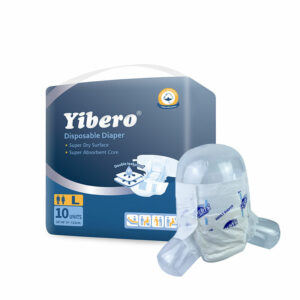
Not all absorbent products are created equal. Modern incontinence products are sophisticated multi-layered items designed for specific purposes (EDANA, 2025). A well-designed product features a soft top sheet that wicks moisture away from the skin, a superabsorbent polymer (SAP) core that locks away liquid and neutralizes odor, and a waterproof backing to prevent leaks. The proper use of these products is a key component of continence care (Cochrane, 2025).
Using a product that is not absorbent enough for one's needs can lead to skin irritation, rashes, and breakdown, a condition known as incontinence-associated dermatitis (IAD). This painful condition can, in turn, lead to serious skin infections and pressure ulcers, resulting in far greater medical costs and human suffering than the cost of appropriate supplies. Kaya nga, selecting the right product is a crucial aspect of preventative healthcare.
Navigating the System: A Practical Step-by-Step Guide
Confronted with this complex landscape, it is easy to feel overwhelmed. Gayunpaman, by taking a systematic approach, you can navigate the various systems and find the best possible solution for your situation.
Step 1: Confirm Your Medical Diagnosis
Everything starts with your doctor. Schedule an appointment to discuss your incontinence. A formal diagnosis is the key that unlocks almost every potential avenue for coverage. Ask your doctor to document the condition in your medical record and to write a letter or prescription stating the medical necessity of incontinence supplies. This documentation will be invaluable whether you are applying for Medicaid, seeking benefits from a Medicare Advantage plan, or substantiating an HSA withdrawal.
Step 2: Review Your Current Insurance Plan
Get out your insurance card and paperwork. If you have Original Medicare, you now understand that coverage is not an option. If you have a Medicare Advantage (Part C) plan, it is time to do some detective work. Read your "Evidence of Coverage" document carefully or call the member services number on the back of your card. Ask a direct question: "Does my plan offer an over-the-counter or OTC benefit, and are adult incontinence supplies like diapers and pads covered under this benefit?"
Step 3: Research Alternative Plans and Programs
If your current plan offers no help, it is time to look at the other options.
- Medicare Advantage: Use the Medicare Plan Finder website to see if other Part C plans in your area offer an OTC benefit. Make a note of these for the next Open Enrollment period.
- Medicaid: Visit your state's Medicaid agency website or call them to learn about their eligibility requirements and coverage for incontinence supplies. If you believe you might qualify based on your income and assets, begin the application process.
- VA Benefits: If you are a veteran, contact the VA to inquire about enrolling in their health care system.
- Community Resources: Contact your local Area Agency on Aging and search for diaper banks in your region.
Step 4: Advocate for Your Needs
Do not be passive in this process. You are your own best advocate, or the best advocate for your loved one. When you call insurance companies or agencies, be persistent and polite. Take notes, including the date, the name of the person you spoke with, and what they told you. If you are denied a benefit you believe you are entitled to, ask about the appeals process. Navigating bureaucracy requires patience and determination, but securing the necessary supplies is worth the effort.
Frequently Asked Questions (FAQ)
1. How much do adult diapers typically cost without any insurance coverage? The cost varies widely based on brand, antas ng absorbency, and purchase quantity. On average, an individual can expect to spend between $150 to over $300 per month. Those with heavy incontinence may face even higher costs.
2. Can I just get a prescription from my doctor for Medicare to cover diapers? Unfortunately, no. While a prescription is essential for documenting medical need for other programs like Medicaid or the VA, a prescription alone does not compel Original Medicare to cover adult diapers because they are not classified as Durable Medical Equipment (DME).
3. Are pull-on style disposable underwear covered differently than tab-style briefs (mga lampin)? From a coverage perspective, most programs (Medicare Advantage, Medicaid, VA) treat pull-ons and briefs as the same category of product: absorbent incontinence supplies. The choice between them is usually based on user preference, mobility, and the level of incontinence, not on a difference in coverage rules.
4. My Medicare Advantage plan has an OTC card. Can I use it to buy any brand of diapers I want? It depends on the plan. Many OTC cards can only be used at specific participating retailers (like major pharmacy chains) and may be limited to the brands those stores carry. Some plans may also have a specific list of approved products. It is important to check your plan's rules to avoid a declined transaction.
5. What if I am dual-eligible for both Medicare and Medicaid? If you are dual-eligible, you are in a strong position. Medicare will remain your primary insurance for doctor visits and hospital stays. Medicaid will then act as secondary coverage and, in most states, will cover the cost of your incontinence supplies, provided you follow your state's procedure (getting a prescription, using an approved supplier, etc.).
6. Are there any situations where Original Medicare might cover diapers? The exceptions are exceedingly rare. In some very specific and limited cases, as part of a comprehensive home health care plan following a hospital stay, supplies might be bundled into the services provided for a short duration. Gayunpaman, for long-term, chronic incontinence, Original Medicare does not provide coverage.
7. Can I deduct the cost of adult diapers on my income taxes? Oo nga. If your total medical expenses (including the cost of diapers, insurance premiums, and other out-of-pocket costs) exceed 7.5% of your Adjusted Gross Income (AGI), you can deduct the amount that exceeds that threshold. You must itemize your deductions to do this.
Conclusion
The path to securing financial assistance for adult incontinence supplies is undeniably complex. The straightforward inquiry, "Does Medicare cover adult diapers?" yields a disappointing but clear answer for those relying solely on Original Medicare: it does not. This policy, rooted in the classification of diapers as non-durable, disposable items, places a significant financial and emotional weight on millions of beneficiaries and their families who depend on these products for health, dignidad, and social participation.
Gayunpaman, a lack of coverage from Original Medicare is not the end of the story. It is merely the starting point of a broader investigation into a landscape rich with alternatives. As we have explored, Medicare Advantage plans have emerged as a primary vehicle for relief, offering supplemental OTC allowances that can substantially offset costs. For those with limited financial means, state Medicaid programs remain the most comprehensive source of support, often covering the full cost of necessary supplies. For our nation's veterans, the VA health care system provides a direct and honorable path to receiving these products based on medical need. Beyond these large systems, the strategic use of tax-advantaged accounts like HSAs and FSAs, combined with the diligent pursuit of community resources and smart consumer practices, provides further layers of support.
Navigating this terrain requires knowledge, persistence, and self-advocacy. It demands that individuals and their caregivers become active participants in their healthcare, moving beyond the initial "no" from Medicare to explore the full spectrum of possibilities. By understanding the distinct rules and opportunities presented by each of these five pathways, it is possible to piece together a sustainable solution that makes managing incontinence more affordable, restoring a measure of financial stability and, most importantly, preserving the quality of life and dignity of those affected.
References
Abrams, P., Apostolidis, A., Andersson, K.-E., & Dmochowski, R. (2023). Kawalan ng pagpipigil: 7th International Consultation on Incontinence. International Continence Society. https://www.ics.org/Publications/ICI_7/Incontinence-7th-Edition-15-03-2024.pdf
Cochrane. (2025). Absorbent products for moderate-heavy urinary and/or faecal incontinence in women and men. Cochrane Library. https://cochrane.org/evidence/CD007408_absorbent-products-moderate-heavy-urinary-andor-faecal-incontinence-women-and-men
Continence Product Advisor. (2025). Absorbent products for women. continenceproductadvisor.org.
DeMarinis, M., Kaschak, T. R., & Newman, D. K. (2017). Absorbent Products for Incontinence. In D. K. Newman, J. F. Wyman, & V. W. Thompson (Eds.), Clinical Application of Urologic Catheters, Devices and Products (pp. 149–172). Springer International Publishing. https://doi.org/10.1007/978-3-319-14821-2_6
EDANA. (2025). Adult incontinence products composition. edana.org.
Fader, M., Cottenden, A., & Farage, M. (2023). Management using continence products: Report of the 7th International Consultation on Incontinence. Neurourology and Urodynamics, 42(S2), S120–S138.
Helsebiblioteket. (2023). Diapers for adults. An overview in a contemporary and historical perspective. helsebiblioteket.no. https://www.helsebiblioteket.no/innhold/omsorgsbiblioteket/engelsk/diapers-for-adults.an-overview-in-a-contemporary-and-historical-perspective


