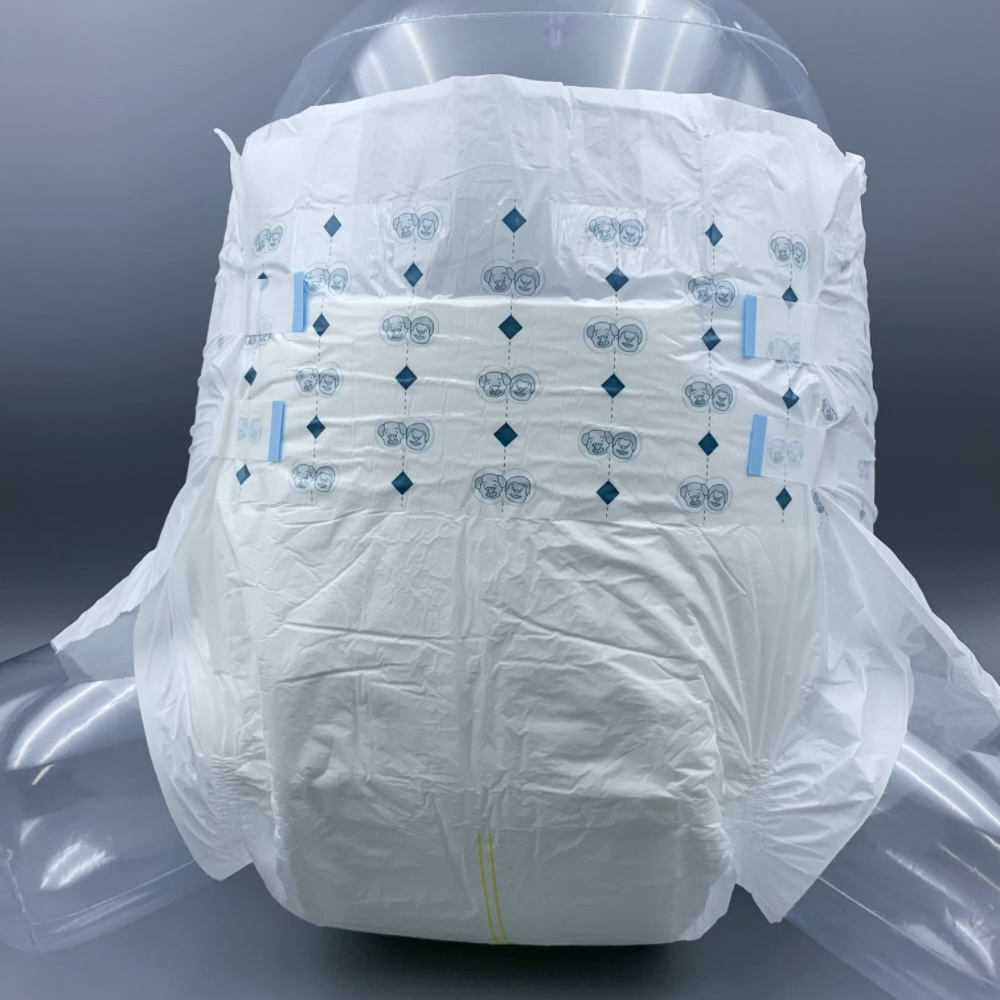
Abstract
The procurement of high-quality thick adult diapers represents a significant undertaking for healthcare institutions, distributors, and brands seeking to provide effective incontinence management solutions. This analysis examines the multifaceted process of sourcing these specialized products, focusing on the critical evaluation points for selecting a reliable Original Equipment Manufacturer (OEM) or Original Design Manufacturer (ODM) partner in 2025. The investigation delves into the technical specifications of absorbency, the science of core materials like Superabsorbent Polymers (SAP), and the importance of user-centric design features that promote skin health and dignity. It further explores the necessity of verifying manufacturing certifications, such as ISO standards, and assessing a supplier’s customization capabilities, supply chain resilience, and ethical practices. The objective is to construct a comprehensive framework that enables procurement managers to move beyond simple unit cost analysis toward a holistic evaluation of total cost of ownership and long-term partnership value. This approach ensures the final product not only meets performance benchmarks but also aligns with the brand’s commitment to quality, user well-being, and market competitiveness in a growing global landscape.
Key Takeaways
- Evaluate a supplier’s core technology and absorbency levels to ensure product effectiveness.
- Prioritize materials that are both hypoallergenic and breathable to protect user skin integrity.
- Verify international quality certifications like ISO to guarantee manufacturing excellence.
- Assess the OEM/ODM partner’s capability for deep product customization and branding.
- Analyze supply chain stability and logistics to prevent disruptions and ensure availability.
- Select a partner that provides superior thick adult diapers and aligns with your brand’s values.
- Consider the total cost of ownership over the simple per-unit price for better long-term value.
Table of Contents
- Scrutinizing Absorbency and Core Technology
- Material Science and User-Centric Design
- Verifying Manufacturing Excellence and Quality Certifications
- Assessing OEM/ODM Customization Capabilities
- Analyzing Supply Chain Resilience and Logistics
- Evaluating Ethical Standards and Sustainability Practices
- Calculating Total Cost of Ownership and Partnership Value
- Frequently Asked Questions About Thick Adult Diapers
- Conclusion
- References
Scrutinizing Absorbency and Core Technology
The foundational purpose of any incontinence product is the effective management of moisture. For thick adult diapers, this function is elevated to its most demanding level, requiring a sophisticated interplay of materials and structural design. A procurement manager’s primary task is to look past surface-level marketing claims and develop a deep, almost philosophical, understanding of what constitutes superior absorbency. This is not merely about holding a certain volume of liquid; it is about how that liquid is acquired, distributed, and locked away from the skin to preserve health, aliw, and the user’s sense of dignity (Diadiun et al., 2021). The core technology is the heart of the diaper, and its scrutiny is the first and most vital step in the sourcing process.
Defining Absorbency Levels: From Moderate to Maximum
The language of absorbency can often be ambiguous, with terms like “heavy,” “super,” o “maximum” used interchangeably by different manufacturers. A discerning buyer must establish a clear, quantifiable framework for evaluation. Absorbency is typically measured in milliliters (ml) under standardized laboratory conditions, a specification that any credible manufacturer should be able to provide.
| Absorbency Level | Typical ISO Capacity (ml) | Primary Use Case | Target User Profile |
|---|---|---|---|
| Katamtaman | 1000 – 1800 ml | Daytime use, limited mobility | Individuals with moderate stress or urge incontinence |
| Malakas na | 1800 – 2800 ml | Extended daytime wear, overnight use | Individuals with heavy incontinence, post-surgery recovery |
| Maximum / Overnight | 2800 – 4000+ ml | Overnight protection, fecal incontinence | Bedfast individuals, those with profound incontinence |
This table provides a generalized guide, but the true test lies in understanding the methodology behind these numbers. A manufacturer should be transparent about their testing protocols, such as the ISO 11948-1 “Rothwell” test, which measures the theoretical maximum capacity. Gayunpaman, a more practical measure is the product’s functional capacity, which considers performance under pressure and movement. When engaging with a potential supplier, one might ask: How does the product perform under the weight of a person lying down? How quickly does it absorb a sudden, large void? These questions push the conversation from theoretical capacity to real-world performance, which is where user satisfaction is ultimately determined. The selection of thick adult diapers often centers on the need for overnight or extended wear, making the “Maximum” category the most relevant. These products are not just about holding more fluid; their design must prevent leaks over many hours and under various body positions.
The Science of Superabsorbent Polymers (SAP)
At the core of modern thick adult diapers is a remarkable material: the Superabsorbent Polymer, or SAP. This is not simply a sponge; it is a feat of chemical engineering. SAPs are polymers that can absorb and retain exceptionally large amounts of a liquid relative to their own mass. Chemically, they are often sodium polyacrylate, which, upon contact with water-based fluids, swells into a gel. This gel-forming process is what locks moisture away, preventing it from being squeezed back out under pressure—a property known as “rewet.”
Imagine a vast, microscopic net. When fluid enters, the strands of the net (the polymer chains) capture the water molecules and hold them tightly. The quality of the SAP is paramount. A procurement manager should inquire about the origin and grade of the SAP used. Different grades offer varying levels of absorption speed, capacity, and retention. A higher-quality SAP will not only hold more liquid but will also absorb it faster, which is vital for preventing leaks during a sudden gush. It also contributes to a thinner, more discreet product, as less material is needed to achieve the required absorbency. This addresses a major challenge in diaper design: the trade-off between discretion and performance (PMC, 2022). The distribution of SAP within the diaper’s core is just as important as the material itself. Is it uniformly mixed with the fluff pulp, or is it layered in specific zones to maximize performance where it is needed most? A sophisticated manufacturer will have invested research and development into optimizing this “core architecture.”
Fluff Pulp and Channeling: The Architecture of Fluid Management
While SAP provides the locking capacity, it cannot work alone. Fluff pulp, typically derived from wood, acts as the transport medium. Its role is to rapidly acquire fluid and distribute it across the core toward the SAP particles. Think of fluff pulp as a network of roads and highways, and the SAP particles as the reservoirs at the end of those roads. Without an effective distribution network, fluid would pool in one spot, overwhelming the local SAP and leading to leaks, even if the rest of the diaper remains dry.
The quality of the fluff pulp—its fiber length and treatment—affects how quickly and evenly it wicks moisture. Sourcing managers should ask about the type of pulp used and whether it is Elemental Chlorine-Free (ECF) or Totally Chlorine-Free (TCF), which are indicators of more environmentally conscious processing. Beyond the material itself, the physical design of the core is a key differentiator. Advanced thick adult diapers incorporate channels or grooves embossed into the core. These channels are not merely aesthetic; they are engineered pathways that direct the flow of liquid. This channeling technology helps to utilize the entire surface area of the absorbent core, preventing clumping and sagging of the wet SAP-pulp mixture. A well-designed channel system ensures that the diaper maintains its shape and continues to perform even when partially saturated, enhancing both security and comfort for the wearer.
Evaluating Rewet Performance and Skin Dryness
The ultimate measure of an absorbent core’s success is its ability to keep the skin dry. The most absorbent diaper in the world is a failure if it leaves the user’s skin in contact with moisture. This is where rewet performance becomes the definitive metric. Rewet tests measure how much liquid returns to the surface of the diaper’s topsheet when pressure is applied after it has absorbed a fluid. A low rewet value indicates that moisture is being effectively locked away by the SAP.
This is directly linked to skin health. Prolonged exposure to moisture, even small amounts, can lead to Incontinence-Associated Dermatitis (IAD), a painful and difficult-to-treat condition. A superior thick adult diaper acts as a barrier, not just containing incontinence but actively protecting the skin. When evaluating a supplier, requesting rewet test data is non-negotiable. It provides a concrete measure of the product’s ability to deliver on its most promise: keeping the user dry, komportable na, and healthy. The conversation with a potential partner should revolve around these performance metrics, demonstrating a commitment to the well-being of the end-user, which is the cornerstone of a successful and ethical business partnership.
Material Science and User-Centric Design
Beyond the central function of absorbency, the materials and overall design of a thick adult diaper contribute profoundly to the user’s experience. A product that is technically effective but uncomfortable, noisy, or damaging to the skin fails in its duty to support the user’s quality of life. The philosophy here shifts from pure fluid dynamics to one of human factors and dermatology. Sourcing a premium product requires an appreciation for the subtle yet significant ways that different materials interact with the human body. As manufacturers innovate, the focus has increasingly turned to comfort, paghuhusga, and skin health, recognizing that these elements are not luxuries but necessities for dignified care (fjnewyifa.com, 2025).
The Importance of Breathable Backsheets
The backsheet is the outermost layer of the diaper, serving as the waterproof barrier. Traditionally, these were made of a simple, non-porous plastic (polyethylene) film. While effective at containing liquid, this design traps heat and moisture vapor, creating a humid microclimate against the skin. This environment can exacerbate skin breakdown and lead to discomfort.
The modern standard for high-quality thick adult diapers is a “cloth-like” breathable backsheet. This is a composite material, typically a nonwoven fabric laminated to a microporous film. The pores in the film are too small for water droplets to pass through, but large enough for water vapor (perspiration) to escape. Think of it like high-tech athletic wear; it keeps rain out but lets sweat evaporate. This breathability helps to maintain a normal skin temperature and humidity level, significantly reducing the risk of heat rash and other skin irritations. When assessing a supplier, a physical sample is indispensable. The backsheet should feel soft, not plasticky, and it should be quiet when handled, contributing to the user’s sense of discretion. A procurement manager should inquire about the material composition and the water vapor transmission rate (WVTR), a technical measure of breathability.
Hypoallergenic Topsheets and Skin Health
The topsheet is the layer that is in direct contact with the user’s skin. Its properties are therefore of utmost importance for comfort and health. The material must be exceptionally soft to prevent chafing and irritation during prolonged wear. It must also be hydrophobic, allowing liquid to pass through it quickly into the absorbent core, while remaining as dry as possible to the touch.
High-quality topsheets are typically made from nonwoven polypropylene or polyethylene fibers. The key consideration for a sourcing manager is the confirmation that these materials are hypoallergenic. This means they are free from common irritants such as latex, perfumes, and lotions, which can cause allergic reactions in sensitive individuals. A manufacturer committed to quality will often have their products dermatologically tested to substantiate these claims. Furthermore, some advanced topsheets are treated with pH-balancing compounds or infused with skin-friendly emollients like aloe or vitamin E. While these can be beneficial, it is vital to ensure they are also hypoallergenic and do not interfere with the topsheet’s primary function of fluid acquisition. The goal is a topsheet that feels almost imperceptible to the wearer, providing a soft, tuyo na, and neutral interface between the body and the absorbent technology within.
Ergonomics and Fit: The Role of Elastics and Fastening Systems
A diaper can have the best absorbent core and the softest materials, but if it does not fit the user’s body correctly, it will fail. A poor fit leads to leaks, discomfort, and a loss of confidence for the wearer. The ergonomic design of thick adult diapers is a complex challenge, as they must conform to a wide variety of body shapes and sizes, both standing and lying down.
Several components are key to achieving a secure and comfortable fit. Leg cuffs, or leg gathers, are elasticated barriers that run along the leg openings. They should be tall and soft, providing a gentle seal against the skin to prevent leaks, especially during movement or when the user is on their side. Waistband elastics, both at the front and back, help the diaper conform to the body’s contours and prevent slipping or gapping. The quality of the elastic is important; it should be strong enough to hold the diaper in place but gentle enough not to dig into the skin.
The fastening system is another area of differentiation. The classic two-tape-per-side system has evolved. Premium products now often feature refastenable tabs. These allow caregivers or users to open and readjust the diaper multiple times to ensure a perfect fit without tearing the backsheet. The best systems use a “hook-and-loop” mechanism (similar to Velcro) that adheres to a designated landing zone on the front of the diaper. This is superior to adhesive tapes that can lose their stickiness or damage the diaper upon readjustment. The shape of the diaper chassis itself—whether it is a classic “T-shape” or a more contoured form—also plays a role in comfort and leak protection. When evaluating a product, consider how these elements work together to create a system that is both secure for containment and forgiving for the wearer. A good fit is not just about preventing leaks; it is about allowing the user to move with as much freedom and confidence as possible.
Odor Control Technologies in Thick Adult Diapers
Managing odor is a significant factor in maintaining a user’s dignity and social confidence. Incontinence-related odors are primarily caused by the breakdown of urine into ammonia by bacteria. Modern thick adult diapers employ several strategies to combat this.
The most fundamental odor control mechanism is the rapid absorption and locking away of fluid by the SAP core. By sequestering urine away from air and bacteria, the chemical breakdown process is significantly slowed. Gayunpaman, advanced products go further. Some manufacturers incorporate odor-neutralizing substances directly into the absorbent core. These are not masking perfumes, which can be irritating and obvious. Instead, they are compounds that chemically bond with and neutralize ammonia molecules. For example, some products use a slightly acidic core to counteract the alkalinity of ammonia. Others may use cyclodextrins or other specialized molecules that trap odor-causing compounds. When discussing options with a supplier, it is wise to inquire about their specific approach to odor control. Is it a passive function of the core, or is there an active technology at play? A product that effectively manages odor provides a powerful psychological benefit, helping to reduce anxiety and isolation for the user.
Verifying Manufacturing Excellence and Quality Certifications
The claims made on a product’s packaging or in a sales pitch are only as reliable as the manufacturing processes that stand behind them. For a product as intimate and medically relevant as a thick adult diaper, trust cannot be assumed; it must be verified. A procurement manager’s due diligence must extend into the factory itself, metaphorically if not physically, by scrutinizing the systems and certifications that govern quality. This is an exercise in risk management. Sourcing from a facility that adheres to internationally recognized standards provides a powerful assurance that every unit produced will meet the same high benchmarks for safety, performance, and consistency. It is the structural guarantee that underpins the entire supplier relationship.
ISO Certifications for Medical Device Manufacturing
The International Organization for Standardization (ISO) provides a framework of best practices for businesses across the globe. For manufacturers of adult diapers, several ISO certifications are particularly relevant and should be considered non-negotiable prerequisites.
The most important of these is ISO 13485: Medical Devices – Quality Management Systems. While adult diapers may be considered consumer goods in some markets, they function as medical devices in a practical sense, particularly in institutional settings. ISO 13485 is a rigorous standard that specifies requirements for a quality management system where an organization needs to demonstrate its ability to provide medical devices and related services that consistently meet customer and applicable regulatory requirements. A supplier certified to ISO 13485 has proven that they have robust processes for design, development, production, storage, distribution, and traceability.
Another key certification is ISO 9001: Quality Management Systems. This is a more general standard but establishes the foundation for a culture of quality. It ensures the manufacturer has defined processes, a commitment to continual improvement, and a customer-focused approach. When a potential partner provides their ISO certificates, it is prudent to verify their authenticity and scope with the issuing certification body. This step confirms that the manufacturer is not just claiming compliance but is actively and successfully maintaining these high standards.
Understanding Good Manufacturing Practices (GMP)
Good Manufacturing Practices (GMP) are the operational-level systems that ensure products are consistently produced and controlled according to quality standards. They are designed to minimize the risks involved in any pharmaceutical or medical production that cannot be eliminated through testing the final product. Key aspects of GMP that are relevant to diaper manufacturing include:
- Hygiene and Sanitation: The production environment must be meticulously controlled to prevent microbial contamination. This includes protocols for cleaning machinery, air filtration systems, and personal hygiene for all factory personnel.
- Process Control: Every step of the manufacturing process, from the loading of raw materials to the final packaging, must be clearly defined and monitored. This ensures that each diaper is made in exactly the same way.
- Equipment Validation: All machinery must be proven to operate as intended and must be regularly maintained and calibrated to prevent deviations in product quality.
- Record Keeping: Detailed records must be kept for each production batch. This is what enables traceability. If a defect is found, the manufacturer can trace it back to the specific batch, identify the root cause, and recall any other affected products.
A supplier should be able to articulate their GMP protocols. A factory tour, even a virtual one, can be very revealing. Look for evidence of a clean, organized, and well-documented operation. This commitment to operational excellence is a strong indicator of a reliable and professional partner.
Raw Material Traceability and Quality Control
A finished product can only be as good as the raw materials from which it is made. A superior manufacturer of thick adult diapers will have a stringent quality control program for all incoming materials, including fluff pulp, SAP, nonwoven fabrics, and elastics. This process begins with qualifying their own suppliers. They should have a system for auditing and approving where they source their materials.
Upon arrival at the factory, raw materials should be quarantined and tested before being released into production. For example, a batch of SAP might be tested for its absorption capacity and speed, while a roll of nonwoven fabric is tested for its softness and strength. This incoming quality control prevents substandard materials from ever entering the production line.
Furthermore, traceability must extend backward to these raw materials. A manufacturer should be able to identify which batch of fluff pulp or SAP was used in any given finished diaper. This “lot-to-lot” traceability is a requirement of ISO 13485 and is a critical component of a robust quality system. It demonstrates a deep level of control over the entire production chain and provides a powerful safety net in the rare event of a material defect.
Third-Party Lab Testing and Performance Validation
While a manufacturer’s internal testing is important, independent, third-party validation provides an unbiased confirmation of product performance. A credible supplier will not hesitate to have their products tested by external laboratories and will be transparent with the results. These tests can validate key marketing claims and provide objective data for comparison.
Common third-party tests for thick adult diapers include:
- Absorbency Capacity (ISO 11948-1): An objective measure of the total fluid the product can hold.
- Rewet Performance: Testing how dry the surface remains under pressure.
- Breathability (WVTR): Measuring the rate at which water vapor can escape through the backsheet.
- Dermatological Testing: Assessing the product’s potential for causing skin irritation, often conducted on human volunteers under the supervision of dermatologists.
Requesting these third-party test reports is a standard part of due diligence. It allows a procurement manager to compare potential products using standardized, objective data rather than relying solely on the manufacturer’s own claims. A supplier who invests in this level of independent validation demonstrates a strong belief in their product’s quality and a commitment to transparency. This builds a foundation of trust that is essential for a successful long-term partnership.
Assessing OEM/ODM Customization Capabilities
For many brands, distributors, and healthcare providers, the ability to customize a product is as important as its baseline quality. Sourcing is not always about finding an off-the-shelf solution; it is often about co-creating a product that perfectly fits a specific market niche, brand identity, or clinical need. This is where the distinction between an Original Equipment Manufacturer (OEM) and an Original Design Manufacturer (ODM) becomes relevant. An OEM manufactures a product based on the buyer’s design, while an ODM offers existing product designs that the buyer can brand and modify. Many suppliers, like the experienced diaper manufacturer, offer both services. Evaluating a potential partner’s capabilities in this area requires understanding the full spectrum of possible modifications, from superficial branding to fundamental changes in the product’s formulation.
The Spectrum of Customization: From Branding to Product Formulation
Customization is not a monolithic concept; it exists on a continuum. At the most basic level is private labeling, where a buyer simply places their brand name and logo on a manufacturer’s existing, standard product. This is a fast and low-cost way to enter the market.
Moving up the spectrum, we find more significant modifications. A buyer might want to change the packaging format, such as the number of diapers per bag or the design of the bag itself. They might request a different topsheet material or a specific type of refastenable tab.
At the highest level is true product co-design. This involves working with the manufacturer’s research and development team to create a unique product from the ground up. This could mean developing a proprietary absorbent core with a specific blend of SAP and fluff pulp, designing a unique chassis shape for a particular demographic, or incorporating a novel feature. For instance, a brand focusing on bariatric care might need to develop an entirely new size and shape of a diaper. A brand targeting the premium consumer market might want to create a product with unique visual designs and the softest available materials. The ability to offer these comprehensive customizing breathable sleepy senior ultra thick adult diapers is a hallmark of a top-tier ODM/OEM partner. A thorough assessment involves determining where on this spectrum a supplier’s capabilities lie and how well that aligns with the buyer’s long-term strategic goals.
Tailoring Absorbency and Sizing for Specific Markets
One of the most common and impactful areas for customization is in absorbency and sizing. A product that is successful in the European market may not be ideal for the Southeast Asian market, and vice versa. These differences can be driven by a variety of factors.
- Economic Factors: In some markets, consumers may be more price-sensitive, leading to a demand for a “good-better-best” product tiering strategy. A supplier must be able to produce thick adult diapers at different absorbency and cost points to meet this need.
- Use Case Norms: In certain cultures, the preference might be for extremely high-absorbency products that allow for longer wear times, especially overnight. In others, more frequent changes with a less bulky product might be the norm. A flexible manufacturing partner can adjust the amount of SAP and fluff pulp in the core to dial the absorbency level up or down as required.
- Body Somatotypes: Average body sizes and shapes vary significantly across different global populations. A “Large” size in North America may be different from a “Large” in Japan. A sophisticated supplier will have access to anthropometric data and can adjust the dimensions of the diaper—the waist size, the length, the width of the core—to provide a better and more comfortable fit for the target population. This level of sizing customization is crucial for minimizing leaks and maximizing user satisfaction.
Packaging Design and Regulatory Compliance
Packaging is far more than just a container; it is the primary communication tool between the brand and the end-user. A flexible OEM/ODM partner should offer extensive customization options for packaging. This includes the artwork and branding on the bag, the material of the bag itself (e.g., matte vs. glossy finish), and the physical format (e.g., inclusion of a carrying handle).
Equally important is the manufacturer’s ability to ensure that the packaging complies with all the regulatory requirements of the target market. This is a complex and critical service. Different countries and regions have specific rules about what information must be displayed on the package, kasama na ang:
- Product description and intended use
- Size and absorbency indicators
- Net quantity (number of units)
- Manufacturer or distributor information
- Country of origin
- Disposal instructions
- Any required warning labels or symbols
A manufacturer with global experience will have a dedicated regulatory affairs team that can guide the buyer through these requirements, ensuring that the final packaging is not only attractive but also fully compliant, avoiding costly delays or rejection at customs.
Prototyping and the Iterative Design Process
Ideas are one thing; a physical product is another. The bridge between the two is the prototyping process. A strong ODM/OEM partner will have a streamlined and collaborative process for creating and refining prototypes. This typically involves several stages:
- Initial Design & Specification: The buyer and manufacturer’s R&D team collaborate to define the desired product specifications in detail.
- Hand Samples/Prototypes: The manufacturer produces a small number of samples based on these specifications. These are crucial for evaluating the feel of the materials, the function of the fasteners, and the overall design.
- Feedback & Iteration: The buyer provides detailed feedback on the prototypes. This is a critical conversation. Does the backsheet feel soft enough? Are the leg elastics too tight? The manufacturer then revises the design and produces a new round of prototypes.
- Pilot Production Run: Once the design is finalized, a small-scale production run is often conducted. This tests the design on the actual mass-production machinery and provides a larger number of samples for more extensive user testing or market trials.
A manufacturer’s willingness and ability to engage in this iterative process is a key indicator of their commitment to partnership. It shows they are not just a supplier but a collaborator invested in creating the best possible product for the buyer’s brand.
Analyzing Supply Chain Resilience and Logistics
In a globalized world, the journey of a product from factory to warehouse is as important as the product itself. A beautifully engineered thick adult diaper is of no value if it cannot be delivered reliably and cost-effectively to the market where it is needed. The disruptions of recent years have taught procurement managers a hard lesson: a supply chain is only as strong as its weakest link. Kaya nga, a rigorous analysis of a potential manufacturing partner’s supply chain resilience and logistical capabilities is not just good practice; it is an essential component of strategic risk management. This involves evaluating everything from the factory’s location to its capacity and its contingency plans for unforeseen events.
Geographic Location and Shipping Implications
The physical location of the manufacturing facility has profound implications for cost, speed, and risk. A factory located in a major manufacturing hub may benefit from proximity to raw material suppliers and a skilled labor force. Gayunpaman, its distance from the end market is a major variable.
- Transit Time: Sourcing from Asia to supply markets in North America or Europe will involve ocean freight transit times of several weeks. This must be factored into inventory planning. Air freight is an option for urgent needs but is prohibitively expensive for bulk goods like diapers.
- Shipping Costs: Ocean freight rates are volatile and can significantly impact the final landed cost of the product. A manufacturer with a high-volume shipping operation may have access to more favorable contract rates with shipping lines, a benefit they can pass on to their customers.
- Port Congestion & Customs: The efficiency of the origin and destination ports is a critical factor. A factory located near a modern, efficient port will face fewer delays than one reliant on a congested or less developed port. The manufacturer’s expertise in preparing accurate and complete customs documentation is also vital to ensure smooth clearance in the destination country.
A strategic discussion with a potential partner should include a detailed analysis of their shipping routes, their relationships with freight forwarders, and their historical performance in delivering on time to the buyer’s specific region.
Production Capacity and Lead Time Guarantees
Understanding a manufacturer’s true production capacity is crucial for ensuring they can meet both current and future demand. This is not just about the theoretical output of their machines; it is about their effective capacity after accounting for maintenance, changeovers, and quality control.
- Lead Time: This is the time from placing a purchase order to the goods being ready for shipment. It is determined by the manufacturer’s production schedule, raw material availability, and overall efficiency. A typical lead time for a custom order might be 30-60 days. A reliable supplier will be able to provide clear and consistent lead time estimates and, more importantly, have a track record of meeting them.
- Minimum Order Quantity (MOQ): This is the smallest order size the manufacturer is willing to produce. It is often determined by the economics of a production run. While a lower MOQ can be attractive for new brands or for testing a new product, it often comes at a higher per-unit cost. A good partner will be able to explain the reasons for their MOQ and may offer some flexibility, especially for a long-term relationship.
- Scalability: A key question for any growing brand is: can this supplier grow with us? A procurement manager should inquire about the manufacturer’s plans for expansion. Do they have space for additional production lines? What is their process for increasing capacity to meet a client’s growing sales volume? A partner who is also investing in their own growth is a sign of a healthy and forward-looking business.
Risk Mitigation: Redundancy in Sourcing and Production
A resilient supply chain is one that is prepared for disruption. A sophisticated manufacturing partner will have contingency plans in place to mitigate potential risks. This is a critical area of inquiry for any serious buyer.
- Raw Material Redundancy: Does the manufacturer rely on a single supplier for a critical raw material like SAP? A single-source dependency creates a significant vulnerability. A more resilient approach is to have at least two qualified suppliers for each key component. This provides an alternative source in case one supplier faces production issues, quality problems, or logistical disruptions.
- Production Redundancy: While less common, some large-scale manufacturers operate multiple factories. This geographic diversification can be a powerful hedge against localized risks such as natural disasters, labor strikes, or regional political instability. If one factory goes offline, production can potentially be shifted to another.
- Contingency Planning: A mature organization will have formal contingency plans for a variety of scenarios. One might ask: what is your plan in the event of a major shipping lane disruption? What is your protocol if a key raw material is delayed? A manufacturer who can provide thoughtful and detailed answers to these questions demonstrates a high level of operational maturity and a commitment to protecting their clients’ supply continuity.
Inventory Management and Warehousing Solutions
The manufacturer’s role does not always end when the product leaves the factory. Some suppliers offer additional logistical services that can provide significant value.
- Warehousing at Origin: A manufacturer may offer to store finished goods for a period of time, allowing the buyer to consolidate shipments or draw down inventory as needed. This can help to smooth out the effects of long shipping lead times.
- Vendor-Managed Inventory (VMI): In a more advanced partnership, a manufacturer might take on the responsibility of monitoring the buyer’s inventory levels and proactively suggesting or even automatically shipping replenishment orders. This requires a high degree of trust and data integration but can lead to significant improvements in inventory efficiency.
- Dropshipping or Direct Fulfillment: For some business models, particularly in e-commerce, a manufacturer might offer to ship products directly to the end consumer on behalf of the brand. This eliminates the need for the brand to hold its own inventory but requires a supplier with sophisticated B2C logistical capabilities.
By exploring these logistical and supply chain dimensions, a procurement manager gains a much clearer picture of the true capabilities and resilience of a potential partner. It transforms the relationship from a simple transaction to a strategic alliance focused on mutual success and stability.
Evaluating Ethical Standards and Sustainability Practices
In the contemporary global market, the definition of a “kalidad” product has expanded beyond its physical attributes. Consumers and businesses alike are increasingly concerned with the ethical and environmental context in which goods are produced. For a product as personal as a thick adult diaper, this consideration takes on even greater weight. Sourcing from a partner who demonstrates a genuine commitment to social responsibility and environmental stewardship is not only a matter of corporate ethics; it is also a powerful brand differentiator and a way to build a deeper connection with the end-user. Evaluating a supplier’s practices in this domain is a crucial step in ensuring that a partnership aligns with the values of the buyer’s organization.
Labor Practices and Social Responsibility Audits
The well-being of the workers who produce the goods is a fundamental pillar of ethical sourcing. A responsible manufacturer must ensure a safe, fair, and humane working environment. Procurement managers have a responsibility to inquire about these conditions.
- Adherence to Labor Laws: At a minimum, a supplier must adhere to all local and national labor laws regarding wages, working hours, and workplace safety.
- Prohibition of Forced and Child Labor: There must be a zero-tolerance policy for any form of forced, bonded, or child labor. This is a non-negotiable baseline for any ethical partnership.
- Workplace Safety: A diaper factory contains heavy machinery and moving parts. The manufacturer must have robust safety protocols, provide appropriate personal protective equipment (PPE), and conduct regular safety training to prevent accidents.
- Social Audits: The most reliable way to verify these practices is through independent social compliance audits. These are conducted by accredited third-party organizations that inspect the factory and interview workers. Common audit standards include Sedex Members Ethical Trade Audit (SMETA) or amfori BSCI (Business Social Compliance Initiative). Requesting a recent social audit report is a standard part of ethical due diligence. A transparent supplier will readily share this information.
Choosing a partner who treats their employees with respect and dignity reflects positively on the buyer’s brand and ensures the supply chain is not built on exploitation.
The Rise of Eco-Friendly Materials in Diaper Production
The environmental impact of disposable hygiene products is a significant and growing concern. While the primary function of a thick adult diaper necessitates certain material choices, there is a growing movement toward more sustainable options. A forward-thinking manufacturer will be actively exploring and incorporating these materials into their products.
- Sustainable Fluff Pulp: The wood pulp used in the absorbent core should be sourced from responsibly managed forests. Certifications from the Forest Stewardship Council (FSC) or the Programme for the Endorsement of Forest Certification (PEFC) provide assurance that the pulp does not contribute to deforestation.
- Plant-Based Plastics: Some manufacturers are beginning to use bioplastics, such as those derived from sugarcane or cornstarch, for components like the backsheet or packaging. These materials have a lower carbon footprint than traditional petroleum-based plastics.
- Unbleached Materials: The bright white color of most diapers is the result of a bleaching process. Using Totally Chlorine-Free (TCF) or Processed Chlorine-Free (PCF) pulp reduces the release of harmful dioxins into the environment. Some brands are even embracing an unbleached, natural light-brown color for their pulp as a visible sign of their environmental commitment.
Engaging with a supplier about their sustainability roadmap is important. Which eco-friendly materials are they currently using? What is their R&D focus for the future? Partnering with a manufacturer who is innovating in this space allows a brand to offer a more environmentally conscious product to its customers (Hygiene Union, 2025).
Waste Reduction in the Manufacturing Process
Sustainability is not just about the materials in the final product; it is also about the efficiency of the manufacturing process itself. A well-run factory is an efficient one, and efficiency naturally leads to waste reduction.
- Material Waste (Trim Waste): The process of cutting the various nonwoven and film materials to shape inevitably creates some scrap. An advanced manufacturer will have systems to collect and recycle this “trim waste.” Some of this can be reprocessed and used in other products, reducing the amount of material sent to landfill.
- Energy Consumption: Diaper manufacturing is an energy-intensive process. A responsible manufacturer will invest in energy-efficient machinery, lighting, and HVAC systems. Some may also be incorporating renewable energy sources, such as solar panels on the factory roof.
- Water Usage: While not as water-intensive as some other industries, there are opportunities to conserve water, particularly in sanitation and cooling processes.
Inquiring about a manufacturer’s waste reduction and resource conservation programs can provide insight into their operational sophistication and their commitment to sustainability. Metrics such as “waste-to-landfill ratio” o “energy consumption per unit” can be powerful indicators of a lean and responsible operation.
Corporate Social Responsibility (CSR) as a Partnership Criterion
Beyond the factory walls, a manufacturer’s broader engagement with its community and society can be a telling indicator of its corporate character. Corporate Social Responsibility (CSR) encompasses a company’s efforts to operate in an ethical and sustainable manner and to contribute positively to society.
This can take many forms. A company might have a program for donating products to local nursing homes or disaster relief efforts. It might sponsor community development projects or invest in educational programs. While not a direct measure of product quality, a strong CSR program suggests a company with a long-term vision and a sense of purpose that goes beyond simply maximizing profit. It signals a potential partner who is more likely to be fair, transparent, and reliable in their business dealings. When all other factors like quality, price, and logistics are equal, choosing a partner with a demonstrable commitment to ethical and sustainable practices can be the deciding factor that creates a more meaningful and resilient business relationship. For a brand, being able to tell a story about a product that is not only effective but also made with care for people and the planet is an invaluable asset.
Calculating Total Cost of Ownership and Partnership Value
The final, and perhaps most synthesizing, stage of the sourcing process is to move beyond the simple per-unit price and calculate the Total Cost of Ownership (TCO). This is a strategic financial principle that helps to reveal the true, long-term cost of a product by considering all direct and indirect expenses associated with it over its entire lifecycle. A cheaper diaper that fails, causes skin problems, or arrives late is ultimately far more expensive than a premium product that performs reliably. A wise procurement manager understands that they are not just buying a product; they are investing in a partnership. The value of that partnership—its reliability, its collaborative spirit, its contribution to brand reputation—is a critical, though less tangible, part of the TCO equation.
Beyond Per-Unit Price: Factoring in Quality and Reliability
The price quoted on an invoice is only the beginning of the story. A low per-unit cost can be seductive, but it often hides other expenses. Consider the following:
- Cost of Use: A high-quality, highly absorbent thick adult diaper may have a higher unit price, but it can often be worn for longer periods. This means fewer changes are required over a 24-hour period. For an institution like a nursing home, this translates directly into lower labor costs, as staff spend less time on changing routines. It also means fewer diapers are used per resident per day, which can offset the higher initial price.
- Reliability: A reliable product is one that performs consistently every time. A manufacturer with strong quality control (as verified by ISO certifications and GMP) produces diapers with very low defect rates. This reliability means less time and money spent dealing with product failures.
- Brand Reputation: Sourcing a high-quality product enhances the buyer’s brand reputation. Customers and caregivers learn to trust the brand, leading to repeat purchases and positive word-of-mouth. Conversely, a low-quality product that leaks or causes discomfort can quickly damage a brand’s standing in the market.
The TCO calculation requires a shift in mindset: the goal is to find the best value, not the lowest price. Value is a function of price, performance, and reliability. Different types of incontinence products, tulad ng pull-up style adult diaper pants, will have their own TCO considerations based on their specific use cases and user profiles.
The Cost of Product Failures and Returns
Product failures are one of the most significant hidden costs of sourcing low-quality goods. A single leak is not just an inconvenience; it creates a cascade of expenses.
| Cost Component | Description | Estimated Financial Impact |
|---|---|---|
| Laundering | Soiled bedding, clothing, and linens must be washed and dried. | Labor, water, energy, and detergent costs. |
| Labor | Caregiver time spent on cleanup and changing the user. | Significant, especially in institutional settings. |
| Replacement Product | The failed diaper must be replaced with a new one. | The cost of the additional unit. |
| Skin Treatment | Leaks increase the risk of IAD, requiring barrier creams or medical treatment. | Cost of supplies and clinical staff time. |
| Reputational Damage | User and caregiver dissatisfaction leads to loss of trust and future sales. | Difficult to quantify but potentially very high. |
When a product has a high failure rate, these costs accumulate rapidly, quickly eroding any savings from a low initial purchase price. A procurement manager can model this by estimating a “cost-per-failure” and multiplying it by the expected failure rate of a given product. A premium thick adult diaper with a very low failure rate will almost always have a lower TCO than a cheap alternative, especially in a professional healthcare environment.
Long-Term Partnership Benefits and Economies of Scale
A strong relationship with a manufacturer is an asset that appreciates over time. Viewing the supplier as a strategic partner rather than a transactional vendor unlocks additional value.
- Innovation Access: A partner who is invested in the relationship is more likely to offer their best clients early access to new technologies, materials, and product designs. This can provide a significant competitive advantage.
- Favorable Terms: As the relationship matures and order volumes grow, there are often opportunities to negotiate more favorable pricing, lower MOQs, or better payment terms. The supplier is more willing to invest in a client they see as a long-term partner.
- Collaborative Problem-Solving: When challenges arise—whether it’s a logistical issue or a need for a new product feature—a true partner works collaboratively to find a solution. This level of support is invaluable and is rarely found in purely price-driven supplier relationships.
These long-term benefits are a core component of partnership value. They contribute to the buyer’s success in ways that go far beyond the physical product itself.
Navigating Contracts, Payment Terms, and MOQs
The final step in formalizing the partnership is the negotiation of the supply agreement. This legal document should clearly define all aspects of the relationship and protect the interests of both parties.
- Contracts: The agreement should specify product specifications, quality standards, lead times, pricing, and the term of the agreement. It should also include clauses that outline the process for resolving disputes or managing product recalls.
- Payment Terms: Common payment terms in international trade include a deposit upon placing the order (e.g., 30%) with the balance due upon shipment or delivery. Negotiating terms that align with the buyer’s cash flow cycle is an important part of the financial discussion.
- MOQs (Minimum Order Quantities): As discussed earlier, the MOQ is a key business term. While a manufacturer has fixed costs that dictate a minimum production run, there may be room for negotiation, especially if the buyer can commit to a certain annual volume spread across multiple orders.
A successful negotiation is not about one side “winning.” It is about establishing a clear, fair, and mutually beneficial framework that allows both the buyer and the manufacturer to operate with confidence and clarity. By taking this holistic, TCO-driven approach, a procurement manager can make a sourcing decision that is not only financially sound but also strategically brilliant, laying the groundwork for a successful product launch and a lasting, profitable partnership.
Frequently Asked Questions About Thick Adult Diapers
What is the main difference between an “overnight” diaper and a regular “heavy” absorbency diaper?
The primary distinction lies in the design philosophy and capacity. While both are highly absorbent, isang “overnight” thick adult diaper is specifically engineered for extended, uninterrupted wear, typically for 8-12 oras. This means it not only has a higher total SAP content for maximum fluid capacity but also features advanced core designs with channels to distribute liquid effectively while the user is lying down. They often have taller leak guards and a more robust backsheet to prevent any possibility of leakage over many hours, making them the preferred choice for ensuring a full night’s sleep for both the user and their caregiver.
How do I choose the right size of thick adult diaper to prevent leaks?
Choosing the correct size is just as important as choosing the right absorbency. A diaper that is too small will be uncomfortable and may not provide adequate coverage, while a diaper that is too large will have gaps around the legs or waist, creating a direct path for leaks. To find the right size, use a soft measuring tape to measure the user’s waist and hip at their widest points. Use the larger of these two measurements and compare it to the sizing chart provided by the manufacturer. A properly fitted diaper should be snug but not tight, with the leg gathers sitting comfortably in the crease of the groin.
Can thick adult diapers cause skin irritation or rashes?
Any incontinence product can lead to skin irritation, known as Incontinence-Associated Dermatitis (IAD), if not chosen or used correctly. The primary cause is prolonged exposure to moisture. Gayunpaman, high-quality thick adult diapers are designed to minimize this risk. Key features to look for are a breathable, cloth-like backsheet that allows heat and vapor to escape, and a topsheet that rapidly wicks fluid away and stays dry to the touch. Choosing products that are hypoallergenic and free from latex and perfumes also helps to prevent allergic reactions.
What is SAP, and why is it important in a thick adult diaper?
SAP stands for Superabsorbent Polymer. It is a granular material, often mixed with fluff pulp in the diaper’s core, that can absorb and lock away many times its weight in liquid, turning it into a gel. SAP is the key technology that allows a thin, comfortable diaper to contain a large amount of fluid securely. The quality and quantity of SAP determine the diaper’s overall absorbency and its “rewet” performance—its ability to prevent liquid from being squeezed back to the surface under pressure, which is vital for keeping skin dry.
Are there environmentally friendly options for thick adult diapers?
Oo nga, the industry is making significant strides in sustainability. While no disposable diaper is completely biodegradable, many manufacturers now offer more eco-conscious options. Look for products that use fluff pulp from sustainably managed forests (certified by FSC or PEFC), are produced using Totally Chlorine-Free (TCF) bleaching processes, and incorporate plant-based plastics (bioplastics) for some components. Choosing a manufacturer that has robust waste and energy reduction programs in their factory is another way to support a more sustainable choice.
Conclusion
The process of sourcing premium thick adult diapers in 2025 is a complex but manageable endeavor that rewards diligence and a holistic perspective. It requires procurement managers and brand owners to evolve from being simple price negotiators to becoming discerning investigators of material science, manufacturing excellence, and supply chain integrity. By systematically applying a comprehensive checklist—scrutinizing core technology, evaluating user-centric materials, verifying quality certifications, assessing customization potential, analyzing logistics, confirming ethical standards, and calculating the total cost of ownership—a buyer can forge a partnership that transcends the transactional. This methodical approach ensures the selected product will not only meet the highest standards of performance and security but will also uphold the profound human need for comfort, health, and dignity. Ultimately, a successful sourcing strategy is not about finding the cheapest supplier; it is about identifying the right partner who can deliver consistent quality, foster innovation, and contribute to the long-term success and reputation of the brand.
References
Diadiun, T., Baranova, I. I., Musozoda, S., Semeniv, D. V., & Zaporozhska, S. M. (2021). Commodity analysis of medical products used in adult incontinence. Pharmacia, 68(4), 895–902.
Hygiene Union. (2025, February 24). The growing need for adult diapers: A comprehensive overview. WEHOO. https://hygieneunion.com/the-growing-need-for-adult-diapers-a-comprehensive-overview/
Kou, J., Lee, D., & An, B. (2022). Origami-inspired systems that improve adult diaper performance to enhance user dignity. Scientific Reports, 12(1), 7731. https://doi.org/10.1038/s41598-022-11391-7
New Yifa. (2025, June 2). Innovations in diaper manufacturing technology. https://fjnewyifa.com/article/Innovations-in-Diaper-Manufacturing-Technology.html
Regency. (2025, June 12). Adult diapering guide. Regency Health. https://www.regencyhcs.com/blog/adult-diapering-guide
Yeesain. (2021, April 14). Disposable diapers and adult diaper pants OEM & ODM. https://www.yeesain.com/adult-diaper-oem-odm/


