Abstract
Navigating the landscape of incontinence products presents a significant challenge for many women, impacting not only physical comfort but also emotional well-being and social confidence. This guide offers a comprehensive examination of the criteria for selecting the best adult diaper for women in 2025. It moves beyond a simple product review to establish a foundational understanding of female incontinence, its various forms, and its prevalence. The analysis systematically deconstructs the essential factors in product selection: absorbency levels, the mechanics of achieving a proper fit, the functional differences between styles like briefs and pull-ups, and the critical role of material science in promoting skin health and preventing irritation. The discussion also considers the integration of product choice with lifestyle demands, from active daily routines to the need for overnight security. By exploring the economic considerations of long-term use and providing a structured framework for decision-making, this document empowers women to make an informed choice that restores dignity, aliw, and freedom in their daily lives.
Key Takeaways
- Assess your specific absorbency needs, from light leakage to overnight protection.
- Prioritize a secure, comfortable fit by taking accurate waist and hip measurements.
- Choose a style—pull-up or tab-style brief—that matches your mobility and lifestyle.
- Selecting the best adult diaper for women involves considering breathable, skin-friendly materials.
- Balance product performance with cost-effectiveness for sustainable long-term use.
- Your activity level dictates the need for discretion, flexibility, at absorbency.
Table of Contents
- A Foundational Understanding of Female Incontinence
- Point 1: Decoding Absorbency Levels for Your Unique Needs
- Point 2: The Art and Science of a Perfect Fit
- Point 3: Navigating the Spectrum of Styles and Designs
- Point 4: Material World: The Intersection of Comfort, Breathability, and Skin Health
- Point 5: Aligning Protection with Your Personal Lifestyle
- Point 6: The Economics of Dignity: Balancing Cost and Quality
- Point 7: A Synthesis for Confidence: Making Your Final Decision
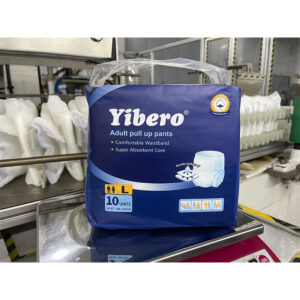
A Foundational Understanding of Female Incontinence
Before one can begin the practical task of selecting a product, it is helpful to build a conceptual framework around the condition it is designed to manage. Female urinary incontinence is a deeply personal experience, yet it is a remarkably common one. Surveys reveal that a significant portion of the female population, particularly those over 50, experience some form of urine leakage. This is not a personal failing or a sign of decline; rather, it is a physiological reality for millions, stemming from a variety of life events and medical conditions. Childbirth, menopause, pelvic surgery, and certain neurological disorders can all contribute to a weakening of the muscles and nerves that control bladder function.
To make an informed choice, one must first understand the different “personalities” of incontinence, as each type suggests a different kind of protection.
The Primary Types of Urinary Incontinence
- Stress Incontinence: This is perhaps the most widely understood form. It occurs when physical pressure or “stress” is placed on the bladder, causing a small to moderate leak. The culprits are everyday actions: a hearty laugh, a sudden sneeze, lifting a heavy object, or engaging in exercise. The underlying issue is often a weakened pelvic floor, which can no longer fully support the urethra in its closed position under pressure.
- Urge Incontinence: This type is characterized by a sudden, intense urge to urinate, followed almost immediately by an involuntary loss of urine. The bladder muscle contracts unexpectedly, giving you little to no time to reach a restroom. It can feel unpredictable and disruptive, sometimes triggered by the sound of running water or arriving home and putting a key in the door. This is often part of a condition known as overactive bladder (OAB).
- Mixed Incontinence: As the name suggests, many women experience a combination of both stress and urge incontinence. They might leak when they cough but also feel those sudden, powerful urges at other times. This requires a product that is versatile enough to handle both sudden gushes and smaller, pressure-induced leaks.
- Overflow Incontinence: This form is less common in women but still relevant. It happens when the bladder doesn’t empty completely, leading to a constant or frequent dribbling of urine as the bladder overflows. It can feel as though you can never fully relieve yourself.
- Functional Incontinence: This isn’t a problem with the bladder itself, but with external factors. A person with arthritis might not be able to unbutton their pants in time, or someone with a mobility issue may not be able to get to the toilet quickly enough.
Recognizing your specific pattern is the first and most profound step toward finding a solution. It shifts the focus from a vague sense of a problem to a specific set of requirements. Are you managing small, predictable leaks during a morning run, or are you seeking security from sudden, large voids that could happen at any time? The answer to this question is the starting point for the entire selection process.
Point 1: Decoding Absorbency Levels for Your Unique Needs
The concept of “absorbency” is the heart of any incontinence product. It is the core technology that provides freedom and security. Misunderstanding or misjudging your absorbency needs is the most common path to product failure, leading to leaks, discomfort, and frustration. Manufacturers offer a spectrum of absorbency levels, and learning to read these labels is like learning a new language—a language of personal care and comfort.
The Spectrum of Protection: From Light to Overnight
Let’s break down the typical categories you will encounter. While branding may vary, the underlying principles are consistent.
| Absorbency Level | Typical Liquid Capacity (Approx.) | Common Use Cases | Typical Product Format |
|---|---|---|---|
| Liwanag | Up to 1 cup / 250 ml | Minor leaks from coughing, sneezing, laughing (stress incontinence); post-maternity drips. | Liners, thin pads, light incontinence underwear. |
| Katamtaman | 1 sa 2 cups / 250-500 ml | More frequent stress incontinence; sudden, smaller voids from urge incontinence. | Thicker pads, moderate absorbency pull-up underwear. |
| Malakas na / Maximum | 2 sa 4 cups / 500-1000 ml | Full bladder voids; frequent urge incontinence; limited mobility situations. | Thicker pull-up underwear, tab-style briefs. |
| Overnight | 4+ cups / 1000+ ml | Complete nighttime protection for uninterrupted sleep; managing multiple voids without changing. | High-capacity tab-style briefs, specialized overnight pull-ups. |
The Science Within: How Modern Diapers Work
It’s helpful to visualize what is happening inside the product. Early incontinence solutions were often bulky and inefficient, relying on simple fluff pulp to soak up liquid. Modern adult diapers are marvels of material science. The magic lies in a substance called Superabsorbent Polymer (SAP).
Imagine SAP as a collection of microscopic, thirsty sponges. When these tiny crystals come into contact with liquid, they don’t just absorb it; they undergo a chemical reaction, transforming the liquid into a stable gel. This process is what allows the best adult diaper for women to hold many times its own weight in fluid.
This technology has two profound benefits:
- Skin Dryness: By locking liquid away in a gel state, the surface of the diaper that touches your skin remains remarkably dry. This is the single most important factor in preventing skin irritation and breakdown.
- Pagkontrol ng Amoy: Urine begins to produce an ammonia odor when it is broken down by bacteria. The rapid absorption and pH-balancing properties of the SAP core neutralize these bacteria, stopping odor before it can start.
When choosing an absorbency level, you are essentially choosing the amount of SAP and supportive pulp in the product’s core. A heavier-duty diaper will have a more substantial core designed to wick away and lock in a larger volume of fluid, often with advanced channeling to distribute the liquid evenly and prevent clumping. For those seeking reliable solutions, a reliable supplier of hygiene products can offer a range of options tailored to these specific needs.
Point 2: The Art and Science of a Perfect Fit
After absorbency, no single factor is more predictive of a product’s success or failure than its fit. An adult diaper is not simply a passive absorbent pad; it is a wearable garment engineered to contain liquid under pressure and during movement. A poor fit is the primary cause of leaks, even with a highly absorbent product. Think of it like a raincoat: the material may be completely waterproof, but if the cuffs and collar are loose, rain will get in.
Taking Control: The Importance of Accurate Measurements
Guessing your size is a recipe for disappointment. Ang “katamtaman” o “large” you wear in clothing has little correlation to the sizing of incontinence products. Manufacturers base their sizing on two key measurements:
- Waist: Measure around your natural waistline, typically at or just above your belly button.
- Hips: Measure around the fullest part of your hips and buttocks.
Most packaging will provide a size chart that uses one or both of these measurements. If your measurements fall between two sizes, the conventional wisdom is to try the smaller size first. A snug fit is superior to a loose one. A diaper that is too large will have gaps at the leg openings and waistband—the most common exit points for leaks. A diaper that is too small will be uncomfortable, may cut into the skin, and can create pressure that actually forces liquid out. Getting the sizing right is a fundamental step in finding the best adult diaper for women.
Key Anatomical Features to Examine
A well-designed adult diaper has several features that work together to create a secure seal.
| Tampok | Function | What to Look For |
|---|---|---|
| Leg Gathers/Cuffs | These are the elasticated inner “walls” that run along the leg openings. They are your primary line of defense against leaks. | They should stand up and create a gentle but snug seal against the inner thigh and groin, forming a channel. |
| Waistband | Provides a secure seal at the top of the garment, both front and back. | A tall, soft, and stretchy waistband helps the product stay in place during movement and while sitting or bending. |
| Standing Leak Guards | Similar to leg gathers but often more robust, these are hydrophobic (water-repelling) barriers that direct fluid into the absorbent core. | Ensure they are not folded down when you put the product on. They should create a “bowl” shape. |
| Body-Contoured Shape | The overall cut of the product should follow the natural curves of the body, not be a simple rectangle. | A more anatomical shape reduces bunching and improves comfort and discretion. |
A proper fit feels secure but not constricting. You should be able to move freely without the product shifting or sagging. When you first try a new product, wear it around the house for an hour or two. Sit, stand, bend, and walk. Does it stay in place? Are there any red marks on your skin when you take it off? This real-world test is far more valuable than simply looking at the package. For more guidance on achieving the right fit, especially with different materials like cloth-backing, some specialized guides can be very helpful.
Point 3: Navigating the Spectrum of Styles and Designs
The modern market for incontinence products offers a heartening variety of styles, moving far beyond the one-size-fits-all medical briefs of the past. This evolution reflects a deeper understanding that user needs are diverse, involving not just physical requirements but also considerations of lifestyle, mobility, and personal dignity. The two dominant styles are pull-up underwear and tab-style briefs, each with a distinct philosophy of use.
Pull-Up Style Underwear: Familiarity and Independence
Pull-up incontinence underwear, often marketed as “protective underwear” o pang-adultong lampin pantalon, is designed to look and feel as much like regular underwear as possible. This style is pulled on and off just like standard undergarments.
- Who It’s For: This is the preferred style for active, mobile women who manage their own toileting. The familiarity of the design is psychologically comforting and promotes a sense of normalcy and independence. They are ideal for wearing under everyday clothing, as their slim profile is often more discreet.
- Advantages: The primary benefit is dignity. They feel less like a “lampin na” and more like a specialized piece of underwear. They are easy to use for anyone accustomed to wearing underwear and are excellent for managing moderate incontinence during the day. The all-around elastic waistband provides a secure, comfortable fit that moves with the body.
- Limitations: Changing a pull-up in a public restroom or without fully removing pants and shoes can be challenging. Because they must be pulled down, they are not ideal for individuals with significant mobility limitations or those who require assistance from a caregiver. While their absorbency has improved dramatically, the highest levels of protection are still typically found in tab-style briefs.
Tab-Style Briefs: Maximum Security and Ease of Changing
Tab-style briefs, sometimes called “adult diapers with tabs,” are the classic design. They are an open-style product that is wrapped around the body and secured with adhesive or hook-and-loop tabs on the sides.
- Who It’s For: This style is the gold standard for individuals with heavy to severe incontinence, those with limited mobility, or those who are bedridden. They are also the superior choice for overnight use, as they generally offer the highest absorbency capacity available.
- Advantages: The standout benefit is the ease of changing. A caregiver can change the brief while a person is lying down or sitting, without needing to remove clothing from the lower body. The adjustable tabs allow for a highly customized and secure fit, which can be readjusted as needed. This style can accommodate a wider range of body shapes and sizes. The design allows for a much larger and thicker absorbent core, making it the best option for managing large voids and extended wear times.
- Limitations: For an independent and active user, the process of putting on a tab-style brief can feel more cumbersome and medical. They can be bulkier under clothing compared to pull-ups, though modern designs have made significant strides in reducing this. Ang “lampin na” appearance can be a psychological barrier for some, feeling like a greater departure from normalcy.
The choice between these two styles is not a matter of which is “mas maganda” in an absolute sense, but which is better suited to your specific life situation. Many women find it useful to have both styles on hand: discreet pull-ups for daytime activities and a high-absorbency tab-style brief for the peace of mind that comes with uninterrupted sleep.
Point 4: Material World: The Intersection of Comfort, Breathability, and Skin Health
The materials that make up an adult diaper are in direct contact with your skin for hours at a time, making their properties a matter of health, not just preference. The evolution from old-fashioned plastic-backed diapers to modern, cloth-like materials represents a significant leap forward in user comfort and skin integrity. Understanding these materials allows you to make a choice that not only contains leaks but also nurtures your skin.
The Great Debate: Cloth-Like vs. Plastic-Backed
- Plastic-Backed (Poly-Backed): This is the traditional material for the outer layer of a diaper. It consists of a thin sheet of polyethylene plastic. Its primary advantage is that it is completely waterproof, offering a reliable barrier against leaks. Gayunpaman, this non-porous nature is also its main drawback. Plastic does not allow air to circulate, which can trap heat and moisture against the skin. This creates a warm, damp environment that is a breeding ground for bacteria and can lead to skin irritation, heat rash, and discomfort. They also tend to be noisier, creating a “crinkling” sound during movement that can be a source of self-consciousness.
- Cloth-Like (Breathable): This is the modern standard for most premium incontinence products. The outer cover is made from a non-woven, fabric-like material that is soft to the touch and quiet during movement. Crucially, this material is designed to be breathable. It contains microscopic pores that are large enough to allow air and water vapor to escape, but too small for water droplets to pass through. This constant air exchange helps keep the skin cooler and drier, significantly reducing the risk of skin issues. The feeling is softer, more comfortable, and feels more like wearing actual fabric.
For the vast majority of users, a breathable, cloth-like backsheet is the superior choice for promoting skin health and overall comfort.
Preventing and Managing Adult Diaper Rash
Adult diaper rash, or incontinence-associated dermatitis (IAD), is a painful and distressing inflammation of the skin. It is caused by a combination of factors: prolonged exposure to moisture from urine, friction from the diaper, and the irritating chemical properties of urine itself. The best treatment is prevention, which hinges on three key practices:
- Keep Skin Dry: This is the most vital step. Choose a high-quality diaper with a fast-wicking core that pulls moisture away from the skin immediately. Change the product as soon as it is soiled. Do not wait for it to be completely saturated.
- Keep Skin Clean: Cleanse the skin gently after each change. Use a soft cloth and a pH-balanced, no-rinse perineal cleanser instead of harsh soaps, which can strip the skin of its natural protective oils. Pat the skin dry gently; do not rub.
- Keep Skin Protected: Apply a barrier cream or ointment after cleansing and before putting on a fresh diaper. These creams, often containing zinc oxide or petrolatum, form a protective layer on the skin that repels moisture. Effective hygiene and treatment are essential for comfort and health.
Choosing a product made from soft, hypoallergenic materials can further reduce the risk of irritation. If you have sensitive skin, look for products that are explicitly labeled as hypoallergenic and free from fragrances and lotions, which can be potential irritants for some individuals.
Point 5: Aligning Protection with Your Personal Lifestyle
An adult diaper is not merely a medical device; it is a garment that must integrate seamlessly into the fabric of your life. The best adult diaper for women is one that feels like an ally, not a limitation. Your daily activities, social engagements, and personal routines should dictate your product choice, ensuring that you have the right level of protection and discretion for every situation. A one-size-fits-all approach is rarely successful; a better strategy is to assemble a small “wardrobe” of products for different occasions.
For the Active and Social Woman
For women who maintain an active lifestyle—whether that involves work, exercise, travel, or social events—discretion is often as important as absorbency.
- Discretion: Look for products with a slim, body-hugging profile. Pull-up style incontinence underwear is generally the top choice here. Modern designs use advanced, compressed absorbent cores that provide excellent protection without creating a noticeable bulge under clothing like slacks, skirts, or leggings. The quiet, cloth-like outer cover is also key, eliminating any tell-tale crinkling sounds during movement.
- Flexibility and Fit: An active lifestyle involves a lot of bending, stretching, and walking. The product must move with you. A flexible, highly elastic waistband and leg cuffs are non-negotiable. They ensure the product stays securely in place without shifting, which could lead to leaks.
- Absorbency for “Just in Case”: For many active women managing light to moderate stress incontinence, the need is not for massive capacity, but for reliable protection against those sudden, small leaks that can happen during a jog or a laugh. A moderate absorbency pull-up provides this security without unnecessary bulk.
For Home Life and Lower Activity Levels
When you are at home, the need for ultimate discretion may be less pressing, allowing you to prioritize comfort and higher absorbency.
- Comfort is Key: Malambot na, breathable materials are paramount. When you are relaxing at home, you want a product that feels gentle against the skin. This is a good time to use products that may be slightly thicker but offer a plusher feel and greater peace of mind.
- Higher Capacity: Being at home may mean you change less frequently. A product with a higher absorbency level can provide security for several hours, allowing you to focus on your activities without constant worry. This could be a higher-absorbency pull-up or a comfortable tab-style brief.
For Uninterrupted Overnight Security
Sleep is restorative and essential for health. Worrying about nighttime leaks is a major cause of sleep disruption for women with incontinence. Choosing a dedicated overnight product is one of the most impactful decisions you can make for your overall well-being.
- Maximum Absorbency: Overnight products are the heavyweights of the incontinence world. They are designed to hold multiple voids and last for 8-10 oras. They feature a very large, dense absorbent core. This is where tab-style briefs truly shine, as their design allows for the most absorbent capacity.
- Lie-Down Protection: A key feature of overnight diapers is their extended absorbent core, which runs high up the back and front. This ensures protection whether you sleep on your back, side, or stomach.
- Secure Containment: High-standing leak guards and a snug fit are critical to prevent leaks when you are lying down and changing positions during the night. The sense of security offered by a reliable overnight product can be truly life-changing, allowing for deep, restful sleep.
Thinking about your life in these different contexts helps you move from seeking a single “perfect” diaper to building a smart, adaptable system of protection that empowers you in every setting.
Point 6: The Economics of Dignity: Balancing Cost and Quality
Managing incontinence is often a long-term commitment, and the associated costs can be a significant consideration for many individuals and families. It can be tempting to simply choose the least expensive product on the shelf, but this is often a false economy. A thoughtful approach to the economics of incontinence involves looking beyond the price per bag and considering the total cost of use, which includes factors like performance, skin health, and overall quality of life.
The True Cost: Beyond the Price Tag
A lower-quality, less expensive adult diaper may seem like a bargain, but it can lead to higher costs in several ways:
- Increased Usage: A diaper with lower absorbency capacity will need to be changed more frequently. If you have to use four or five low-cost diapers per day to achieve the same security as two high-quality ones, you may not be saving any money at all. You are also creating more waste and spending more time on changes.
- Leakage Costs: Product failure is expensive. Leaks lead to increased laundry loads (sheets, clothing, bedding), which consume water, electricity, and detergent. In some cases, leaks can damage mattresses or furniture, leading to significant replacement costs.
- Skin Health Costs: The cost of managing incontinence-associated dermatitis (IAD) can be substantial. This includes the price of specialized cleansers, barrier creams, medicated ointments, and in severe cases, medical consultations. A premium diaper with a breathable backsheet and a fast-wicking core is an investment in preventing these painful and costly skin conditions.
Strategies for Smart Purchasing
Finding value does not mean sacrificing quality. It means making strategic choices to get the best performance for your budget.
- Buy in Bulk: The most straightforward way to save money is to buy in larger quantities. The price per diaper is almost always lower when you purchase a full case rather than a single small bag. Once you have found a product that works well for you, buying in bulk is a smart financial move.
- Use the Right Product for the Time: As discussed in the lifestyle section, you may not need a maximum-absorbency overnight brief for a short trip to the grocery store. Using a lighter, less expensive pad or pull-up for daytime needs and reserving the premium, high-absorbency products for nighttime can be a very effective cost-management strategy.
- Seek Out Quality Suppliers: Building a relationship with a company that prioritizes quality is essential. A manufacturer with a strong commitment to quality invests in better raw materials, superior product design, and consistent manufacturing processes. This results in a more reliable product that performs as expected every time, giving you better value and peace of mind.
- Request Samples: Many companies offer samples of their products, either for free or for a small shipping fee. This is an invaluable way to test a product’s fit, feel, and performance before committing to a full case. Never hesitate to take advantage of these offers.
Ultimately, the best value is found in a product that works reliably. The confidence, security, and freedom from worry that a high-quality adult diaper provides are priceless. Investing in a product that protects your skin, prevents leaks, and allows you to live your life fully is the most economical choice in the long run.
Point 7: A Synthesis for Confidence: Making Your Final Decision
We have journeyed through the foundational aspects of choosing the best adult diaper for women: understanding your personal needs, decoding absorbency, ensuring a proper fit, selecting a style, considering materials, and aligning your choice with your lifestyle and budget. Now, the task is to synthesize this knowledge into a clear, actionable decision-making process. This is the moment where you take control, armed with information, and make a choice that truly serves your well-being.
A Step-by-Step Checklist for Your First Purchase
Think of this as your personal roadmap. Work through these steps methodically to move from uncertainty to a confident choice.
- Self-Assessment First: Before you even look at a product, take a moment for honest reflection.
- What type of incontinence do I have? (Stress, urge, mixed?)
- How much leakage do I experience? (A few drops, a small gush, a full void?)
- When does it happen most often? (During exercise, throughout the day, only at night?)
- Answering these questions will point you toward the right absorbency level.
- Get Your Measurements: Find a soft measuring tape.
- Measure your waist at the navel.
- Measure your hips at their widest point.
- Write these numbers down. This is your key to unlocking the right size.
- Define Your Primary Use Case:
- What is the main situation I need this for? (Active daytime wear, secure overnight sleep, at-home comfort?)
- This will help you decide between a pull-up style for discretion and independence or a tab-style brief for maximum security and ease of changing.
- Research and Select a Trial Product:
- Using your absorbency, laki ng, and style requirements, browse options from reputable suppliers.
- Read product descriptions carefully. Look for keywords like “nakakahinga na,” “cloth-like backsheet,” “fast-wicking core,” at “hypoallergenic.”
- Order samples if possible, or purchase the smallest available package of one or two promising candidates.
- Conduct a Real-World Wear Test:
- When the product arrives, put it on and wear it for several hours in a low-risk environment (at home).
- Pay attention to the fit. Is it snug at the legs and waist?
- Pay attention to comfort. Does it feel soft? Does it chafe?
- Move around. Sit, stand, bend. Does it stay in place?
- When you remove it, check your skin for any red marks or irritation.
- Evaluate and Adjust:
- Did it work? If yes, you may have found your solution. You can now confidently purchase in larger quantities.
- If it leaked, where did the leak come from? A leak from the leg opening suggests a fit issue (likely too large). A leak where the product is saturated suggests you need a higher absorbency level.
- Do not be discouraged if the first choice isn’t perfect. The process is one of refinement. Use the information from your test to select a different size or absorbency level for your next trial.
Making this choice is a profound act of self-care. It is about refusing to let incontinence define your boundaries. It is about reclaiming comfort, dignidad, and the freedom to engage with the world on your own terms. By approaching the process with knowledge and a systematic plan, you transform a potentially overwhelming task into an empowering journey toward a better quality of life.
Frequently Asked Questions
1. How often should I change my adult diaper? The golden rule is to change the product whenever it is soiled, either with urine or stool. Even if the product is not fully saturated, prolonged exposure to moisture is the primary cause of skin irritation. For most people, this means changing every 3-5 hours during the day. High-absorbency overnight products are designed to last for 8 hours or more.
2. How can I discreetly carry and dispose of adult diapers when I’m out? Discretion is a common concern. Many women carry a spare product or two in a larger purse or a dedicated, stylish wet/dry bag. For disposal, opaque scented disposal bags (often sold in the baby or incontinence aisle) are excellent. They mask the contents and control odor. Simply roll the used product up tightly, secure it with its own tabs or place it in the bag, and dispose of it in a sanitary waste bin. Never flush an adult diaper or pad down the toilet.
3. Will people be able to smell it if I’m wearing an adult diaper? This is a major fear, but with modern products, it is largely unfounded. High-quality adult diapers are specifically designed for odor control. The superabsorbent polymer (SAP) core locks urine away and neutralizes the pH, which prevents the formation of ammonia odor. As long as you change the product at regular intervals, odor should not be an issue.
4. Can I use a regular menstrual pad for light urinary incontinence? While it might seem convenient, it is not recommended. Menstrual pads and incontinence pads are designed differently. Urine is thinner and released in much larger, faster volumes than menstrual flow. Incontinence pads have SAP to absorb this rapid gush and turn it into a gel to keep skin dry. A menstrual pad will quickly become saturated with urine, leaving moisture against your skin and leading to leaks and irritation.
5. Is it normal to feel embarrassed about needing to wear adult diapers? It is completely normal to have complex feelings about this change, including embarrassment or a sense of loss. Our culture often associates diapers with infancy or frailty. Gayunpaman, recognizing that incontinence is a medical condition, not a personal failure, is a powerful first step. Millions of capable, vibrant women use these products to continue living full and active lives. Choosing to use a product that helps you is an act of strength and self-respect.
A Final Thought on Empowerment
The journey to finding the right incontinence product is about much more than managing a physical symptom. It is a path toward reclaiming a sense of wholeness and control. It is about the quiet confidence to wear your favorite outfit, the freedom to enjoy a long walk without mapping out every restroom, and the profound peace of a full, uninterrupted night’s sleep. By arming yourself with knowledge and approaching the choice with thoughtful consideration, you are not just buying a product; you are investing in your own dignity, aliw, and freedom to live life on your own terms.
References
Apria. (2024, July 23). Guide to incontinence underwear & adult diapers for women. apriahome.com
DryDy. (2024, November 10). Adults in diapers and plastic pants: A comprehensive guide.
DryDy. (2024, November 11). Cloth-backed adult diapers: The ultimate guide.
DryDy. (2024, November 15). The benefits of adults wearing diapers in bed for comfort.
Hearts 2 Hands Home Care. (2025, February 26). Effective adult diaper rash treatment options. www.h2hhc.com


