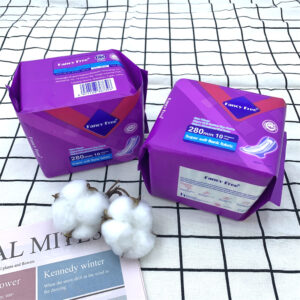
ြဒပ်မဲ့သော
သန့်စင်သောလက်သုတ်ပုဝါများ သက်တမ်းကုန်ဆုံးခြင်းရှိမရှိ မေးခွန်းသည် တင်းကျပ်သော ဇီဝဓာတုပျက်စီးခြင်းထက် ရုပ်ပိုင်းဆိုင်ရာ သိပ္ပံပညာနှင့် တစ်ကိုယ်ရေသန့်ရှင်းရေးကိစ္စဖြစ်သည်။. သန့်ရှင်းရေးလက်သုတ်ပုဝါ, ဒေသများစွာတွင် ဆေးဘက်ဆိုင်ရာ ကိရိယာများအဖြစ် ခွဲခြားထားသည်။, တရားဝင် သက်တမ်းကုန်ဆုံးရက်ကို သယ်ဆောင်ရန် ပုံမှန်အားဖြင့် လုပ်ပိုင်ခွင့်မရှိပါ။. သူတို့ရဲ့ ထိရောက်မှု, သို့သော်လည်း, အကန့်အသတ်ရှိသည်။. ယေဘုယျအားဖြင့် ခန့်မှန်းခြေအားဖြင့် သုံးနှစ်မှ ငါးနှစ်ကြား ကာလဖြစ်သည်။, ပါဝင်သောပစ္စည်းများသည် သိသိသာသာ ပျက်စီးယိုယွင်းခြင်း ခံရသည်။. အူတိုင်ရှိ လွန်ကဲစွာစုပ်ယူနိုင်သော ပိုလီမာများနှင့် ဆဲလ်လူလိုစ့်ပျော့ဖတ်များသည် အရည်များကို စုပ်ယူပြီး ထိန်းသိမ်းနိုင်စွမ်း ဆုံးရှုံးနိုင်သည်။, ထုတ်ကုန်၏ အဓိကလုပ်ဆောင်ချက်ကို ထိခိုက်စေခြင်း။. တစ်ပြိုင်နက်တည်း, pad ကိုနေရာချထားခြင်းနှင့်၎င်း၏အလွှာများကိုလုံခြုံစေရန်အတွက်အသုံးပြုသောကော်များသည်ခြောက်သွေ့ခြင်းသို့မဟုတ်တင်းကျပ်မှုဆုံးရှုံးနိုင်သည်, အသုံးပြုနေစဉ်အတွင်း ပျက်ကွက်မှုကို ဖြစ်စေသည်။. ပိုပြီးအရေးပါသည်, တစ်ဦးချင်းစီ wrapper ၏သမာဓိသည်အဓိကအရေးကြီးပါသည်။; ချိုးဖောက်မှုတစ်ခုသည် pad ၏အစိုဓာတ်နှင့်သေးငယ်သောဇီဝသက်ရှိများကိုထိတွေ့နိုင်သည်။, မှိုနှင့် ဘက်တီးရီးယား ကဲ့သို့သော. ထိုသို့သော အန္တရာယ်ရှိသော ထုတ်ကုန်ကို အသုံးပြုခြင်းသည် စွမ်းဆောင်ရည် ကျဆင်းသွားနိုင်သည်။, အရေပြားယားယံခြင်း, နှင့် vulvovaginal ပိုးဝင်နိုင်ခြေ မြင့်မားသည်။, သင့်လျော်သောသိုလှောင်မှုနှင့် အချိန်မီအသုံးပြုမှု၏ အရေးပါမှုကို အလေးပေးဖော်ပြသည်။.
အဓိက takeaways
- သန့်စင်ထားသော လက်သုတ်ပုဝါများကို အအေးထဲတွင် သိမ်းဆည်းပါ။, ပျက်စီးယိုယွင်းခြင်းမှ ကာကွယ်ရန် စိုထိုင်းဆနှင့် ဝေးသောနေရာတွင် ခြောက်သွေ့ခြင်း။.
- အဝါရောင်ရှိမရှိစစ်ဆေးပါ။, မှိုနံ့, သို့မဟုတ် ကော်ပြားဟောင်းတစ်ခု၏ လက္ခဏာများအဖြစ် ပျက်ကွက်ခြင်း။.
- သန့်ရှင်းသောလက်သုတ်ပုဝါအများစု၏ ထိရောက်သော သက်တမ်းသည် ခန့်မှန်းခြေအားဖြင့် သုံးနှစ်မှ ငါးနှစ်ဖြစ်သည်။.
- Answering 'do sanitary napkins expire' involves evaluating the pad's physical integrity and cleanliness.
- ဘက်တီးရီးယားများ ညစ်ညမ်းခြင်းမှ ကာကွယ်ရန် စုတ်ပြဲနေသော သို့မဟုတ် ပျက်စီးနေသော ထုပ်ပိုးထားသော pads များကို အသုံးပြုခြင်းမှ ရှောင်ကြဉ်ပါ။.
- သင့်ဘေးကင်းရေးအတွက် မှိုတက်ခြင်း သို့မဟုတ် ပုံမှန်မဟုတ်သော အရောင်ပြောင်းခြင်း အရိပ်အယောင်များ ပြသသည့် Pad များကို အမြဲစွန့်ပစ်ပါ။.
- သင်၏စတော့ရှယ်ယာကိုလှည့်ပါ။, ထုတ်ကုန်များ၏ ထိရောက်မှုအထွတ်အထိပ်ကာလအတွင်း ထုတ်ကုန်များကို အသုံးပြုကြောင်းသေချာစေရန် ပက်ကေ့ဂျ်အဟောင်းများကို ဦးစွာအသုံးပြုပါ။.
မာတိကာ
- သက်တမ်းကုန်ဆုံးခြင်းမေးခွန်း: Sanitary Napkin ၏ သက်တမ်းကို ပိုမိုနက်ရှိုင်းစွာ ကြည့်ရှုပါ။
- သက်ကြီး သန့်ရှင်းရေး လက်သုတ်ပဝါ ၏ လက္ခဏာများကို ဖော်ထုတ်ခြင်း။
- ဟိ 3 ပျက်စီးယိုယွင်းမှုကို အရှိန်မြှင့်ပေးသည့် အရေးကြီးသော သိုလှောင်မှု အမှားများ
- ကျန်းမာရေးဂယက်: သက်တမ်းကုန်သွားသော သန့်ရှင်းရေးလက်သုတ်ပုဝါများကို အသုံးပြုခြင်း၏ အန္တရာယ်များ
- သင့်ရာသီထုတ်ကုန်များကို သိမ်းဆည်းခြင်းနှင့် စီမံခန့်ခွဲခြင်းအတွက် အကောင်းဆုံးအလေ့အကျင့်များ
- မကြာခဏမေးသောမေးခွန်းများ (အမြဲမေးလေ့ရှိသောမေးခွန်းများ)
- နိဂုံး
- ကိုးကားခြင်း
သက်တမ်းကုန်ဆုံးခြင်းမေးခွန်း: Sanitary Napkin ၏ သက်တမ်းကို ပိုမိုနက်ရှိုင်းစွာ ကြည့်ရှုပါ။
ကျွန်ုပ်တို့သည် သက်တမ်းကုန်ဆုံးရက်စွဲဖြင့် ပစ္စည်းများကို စဉ်းစားသောအခါ, ကျွန်ုပ်တို့၏စိတ်များသည် ပုံမှန်အားဖြင့် အစာအဖြစ်သို့ ပြောင်းလဲကြသည်။, အဖျော်ယမကာ, သို့မဟုတ် ဆေးဝါးများ, ဓာတု သို့မဟုတ် ဇီဝဗေဒဆိုင်ရာပြောင်းလဲမှုများသည် ထုတ်ကုန်တစ်ခုအား ထိရောက်မှုမရှိပါက သို့မဟုတ် အန္တရာယ်ဖြစ်စေနိုင်သည်ဟူသောအချက်သည် အချို့နေရာများတွင်ဖြစ်သည်။. သန့်ရှင်းရေးလက်သုတ်ပုဝါ, သို့သော်လည်း, မတူညီသောအမျိုးအစားကို သိမ်းပိုက်ပါ။. Let's explore the nuances of their longevity and what "expiration" truly means in this context.
Deconstructing the "Expiration Date" Concept
Unlike a carton of milk that sours or a medication that loses its potency, a sanitary napkin does not "expire" in the conventional sense. Most global regulatory bodies, including the U.S. အစားအစာနှင့်ဆေးဝါးစီမံခန့်ခွဲမှု (FDA), classify menstrual pads as Class I medical devices. This classification places them in a low-risk category, and as such, they are not legally required to have a printed expiration date on their packaging.
The concept of expiration for a sanitary napkin is therefore not one of safety in the same way as food, but rather one of performance and integrity. The product does not become inherently toxic on a specific date. အစား, its components slowly degrade over time, which can eventually render it less effective and potentially less hygienic. ၎င်းကို မှိန်ပြနေသော နာရီကဲ့သို့ နည်းပါးစေပြီး နေရောင်ခြည်နှင့် ထိတွေ့သည့် ဓာတ်ပုံတစ်ပုံ၏ နှေးကွေးသော မှိန်မှိန်နှင့် ပိုတူသည်ဟု တွေးလိုက်ပါ ။; ပုံကတော့ ရှိနေတုန်းပါပဲ။, ဒါပေမယ့် သူ့အရည်အသွေးက လျော့သွားတယ်။.
ရိုးရိုးစင်ဘဝ: ထုတ်လုပ်သူတွေက ဘာအကြံပြုလဲ။
ရက်စွဲတစ်ခုသည် သေတ္တာပေါ်တွင် တံဆိပ်တုံးမခတ်နိုင်သော်လည်း၊, သန့်ရှင်းရေးလက်သုတ်ပုဝါအတွက် အကောင်းဆုံးစွမ်းဆောင်မှုပြတင်းပေါက်နှင့်ပတ်သက်၍ လုပ်ငန်းနယ်ပယ်အတွင်း ယေဘုယျသဘောဆန္ဒတစ်ခုရှိသည်။. ထုတ်လုပ်သူအများစုသည် ၎င်းတို့၏ထုတ်ကုန်များကို ထုတ်လုပ်သည့်နေ့မှ သုံးနှစ်မှ ငါးနှစ်အတွင်း အကောင်းဆုံးအသုံးပြုရန် အကြံပြုထားသည်။. ဤအချိန်ကာလသည် ထင်သလိုမဟုတ်ပါ။; ၎င်းသည် ၎င်းတို့၏ ဆောက်လုပ်ရေးတွင် အသုံးပြုသည့် ပစ္စည်းများ၏ တည်ငြိမ်မှုအပေါ် အခြေခံသည်။.
ဒီကာလပြီးရင်, pad သည် အရေးပေါ်အခြေအနေတွင် အသုံးပြုနိုင်ပါသေးသည်။, ရည်ရွယ်ထားသည့်အတိုင်း လုပ်ဆောင်ရန် အာမမခံနိုင်ပါ။. အရည်များကို လျင်မြန်စွာ စုပ်ယူနိုင်ပြီး ၎င်းကို လော့ခ်ချနိုင်စွမ်း လျော့နည်းသွားနိုင်သည်။, နေရာ၌ ကိုင်ထားသော ကော်သည် ပျက်နိုင်သည်။. ယုံကြည်စိတ်ချရမှုသည် ၎င်း၏တန်ဖိုးအရှိဆုံး ရည်ညွှန်းချက်ဖြစ်သည့် ထုတ်ကုန်တစ်ခုအတွက်, စွမ်းဆောင်ရည်ကျဆင်းခြင်းသည် သက်တမ်းကုန်ဆုံးခြင်း၏ သိသာထင်ရှားသောပုံစံတစ်ခုဖြစ်သည်။.
Why They Don't Last Forever: ပစ္စည်းပျက်စီးခြင်း၏သိပ္ပံ
To truly understand why a sanitary napkin's effectiveness wanes, သူ့ရဲ့ ခန္ဓာဗေဒကို စစ်ဆေးရမယ်။. ခေတ်မီ pad သည် ပစ္စည်းအင်ဂျင်နီယာ၏ စွမ်းဆောင်မှုတစ်ခုဖြစ်သည်။, များသောအားဖြင့် အလွှာများစွာဖြင့် ဖွဲ့စည်းထားသည်။, တစ်ခုစီတွင် သီးခြားလုပ်ဆောင်ချက်တစ်ခုရှိသည်။.
စုပ်ယူထားတဲ့ core: pad ၏နှလုံးသည်၎င်း၏စုပ်ယူသောအူတိုင်ဖြစ်သည်။. ၎င်းကို များသောအားဖြင့် cellulose ပျော့ဖတ်နှင့် ရောစပ်၍ ပြုလုပ်ထားသည်။ (fluffed သစ်သားမျှင်) နှင့် superabsorbent polymer ဟုခေါ်သော ထူးထူးခြားခြား ပစ္စည်းတစ်ခု (SAP). SAP များသည် ၎င်းတို့၏ကိုယ်ပိုင်ဒြပ်ထုနှင့် ဆက်စပ်ပြီး အလွန်များပြားသော အရည်များကို စုပ်ယူနိုင်ပြီး ထိန်းသိမ်းနိုင်သည့် မော်လီကျူးကွင်းဆက်များ—မကြာခဏ 300 ရေ၌သူတို့၏အလေးချိန်ကြိမ်. အချိန်ပို, အထူးသဖြင့် ပတ်ဝန်းကျင် စိုထိုင်းဆနှင့် ထိတွေ့မှု, ဤပိုလီမာကွင်းဆက်များသည် ဖြည်းညှင်းစွာ ပြိုကွဲသွားခြင်း သို့မဟုတ် အရည်များကို ထိထိရောက်ရောက် ဖမ်းယူရန် ၎င်းတို့၏ ဖွဲ့စည်းတည်ဆောက်ပုံဆိုင်ရာစွမ်းရည် ဆုံးရှုံးနိုင်သည်။ (Sadaf et al ။, 2025). cellulose ပျော့ဖတ်သည်လည်း ကျုံ့နိုင်သည် သို့မဟုတ် ကြွပ်ဆတ်လာနိုင်သည်။, စုပ်ယူခြင်းထက် အရည်များဖြတ်သန်းရန် လမ်းကြောင်းများ ဖန်တီးပေးခြင်း, ပေါက်ကြားမှုဆီသို့ ဦးတည်သည်။.
Adhesive Strips တွေ၊: အတောင်ပံပါသော pad အသုံးပြုသူတိုင်းသည် စွန့်ထုတ်နိုင်သော ကော်တစ်ခု၏ စိတ်ပျက်မှုကို သိသည်။. pad ၏နောက်ဘက်နှင့်အတောင်များတွင်အသုံးပြုသောကော်များသည်ဖိအားဒဏ်မခံနိုင်သောပူ-အရည်ပျော်နေသောကော်များဖြစ်သည်. ဤဒြပ်ပေါင်းများကို နှစ်ပေါင်းများစွာ တည်ငြိမ်စေရန် ဒီဇိုင်းထုတ်ထားသည်။, ဒါပေမယ့် အချိန်နဲ့ အပူချိန်ရဲ့ သက်ရောက်မှုတွေကို ခံနိုင်ရည်မရှိပါဘူး။. နှစ်အတော်ကြာကြာ, ကော်ထဲရှိ ဓာတုပစ္စည်းများသည် အောက်ဆီဂျင် သို့မဟုတ် ဓာတ်ငွေ့များကို ထုတ်ပေးနိုင်သည်။, ခြောက်သွေ့ပြီး ကြွပ်ဆတ်လာစေသည်။. ဒီလိုဖြစ်လာတဲ့အခါ, it loses its tackiness and fails to secure the pad to underwear. ပြောင်းပြန်, sometimes the adhesive can become gummy and leave a sticky residue.
The Packaging Integrity: Each sanitary napkin is individually wrapped for a reason: တစ်ကိုယ်ရေသန့်ရှင်းရေး. This thin layer of plastic is its primary defense against the outside world. It protects the pad from dust, အညစ်အကေြး, အစိုဓာတ်, and microorganisms. With age, this plastic can become brittle and develop microscopic tears. More obviously, if a wrapper is torn or improperly sealed during storage, the pad inside is no longer protected. It becomes a potential collection site for airborne bacteria and mold spores, completely compromising its hygienic purpose. The overall composition and challenges in pad design are subjects of ongoing research to improve user experience and health outcomes (Schutte-Smith, 2025).
သက်ကြီး သန့်ရှင်းရေး လက်သုတ်ပဝါ ၏ လက္ခဏာများကို ဖော်ထုတ်ခြင်း။
Before you use a pad that has been sitting in a closet for an unknown number of years, a quick inspection can tell you a lot about its condition. Trust your senses—they are excellent tools for gauging whether a product is still in its prime.
Visual and Tactile Clues
Take a moment to examine the pad itself. An aged or improperly stored sanitary napkin will often betray its condition through several tell-tale signs:
- Discoloration: A fresh pad should be uniformly white. If you notice any yellowing or brown spots, it could be a sign of material degradation or, more alarmingly, mold growth.
- Musty Odor: The pad should be odorless or have only a faint, clean scent from its materials. A dusty, musty, or mildew-like smell is a clear red flag that it has been exposed to moisture and potentially harbors mold.
- Compromised Adhesive: Peel back the paper strip covering the adhesive. Does the glue feel dry and barely sticky? Or does it feel overly gummy and messy? A properly functioning adhesive should feel tacky but clean.
- Clumped or Brittle Core: Gently feel the texture of the pad through its wrapper. If the absorbent core feels lumpy, hard in some spots, or seems to crumble, its internal structure has likely broken down.
- Damaged Wrapper: The individual wrapper is the pad's first line of defense. If it is torn, unsealed, brittle, or looks weathered, it’s best not to use the pad inside.
| ထူးခြားချက် | Optimal Sanitary Napkin | Aged or Degraded Sanitary Napkin |
|---|---|---|
| အရောင် | Uniformly white and clean. | Yellowish tint, brown spots, or visible mold. |
| ရနံ့ | Odorless or a neutral, သန့်ရှင်းသောအနံ့. | Musty, dusty, or mildew-like odor. |
| ယက်သား | ပျော့ပျောင်းသည်။, တောင်းပန်, and uniform. | Clumpy, hard, brittle, or unevenly textured. |
| Adhesive | Tacky and effective, peels cleanly. | Weak, ခြောက်သွေ့, non-sticky, or overly gummy. |
| Wrapper | Intact, sealed, and flexible. | Torn, unsealed, brittle, or discolored. |
| စုပ်ယူမှု | High and rapid fluid uptake. | Noticeably reduced, leading to potential leaks. |
Performance Indicators of Degradation
တခါတလေ, a pad might look perfectly fine but still fail when it matters most. This is because the degradation of the superabsorbent core isn't always visible to the naked eye. The primary performance indicator is, unsurprisingly, a failure to absorb menstrual fluid effectively. If you find yourself experiencing leaks with pads from a certain package that you've used without issue before, it's a strong sign that the absorbent materials have passed their prime. လုံခွုံသော, if the pad shifts, bunches up, or detaches completely, the adhesive has likely expired.
ဟိ 3 ပျက်စီးယိုယွင်းမှုကို အရှိန်မြှင့်ပေးသည့် အရေးကြီးသော သိုလှောင်မှု အမှားများ
Where you store your sanitary napkins has a profound impact on their longevity and safety. Many common storage habits, while seemingly convenient, can unfortunately create the perfect conditions for premature degradation. Avoiding these three critical mistakes is key to preserving the integrity of your menstrual products.
အမှား #1: The Bathroom Cabinet – A Haven for Heat and Humidity
The bathroom seems like the most logical place to store menstrual products. ဒါ, နောက်ဆုံးတော့, where they are most often used. သို့သော်, this convenience comes at a significant cost. The bathroom is typically the most humid room in a house. Every hot shower or bath releases a tremendous amount of steam, raising the ambient humidity to levels that are detrimental to sanitary napkins.
Imagine leaving a dry sponge on the edge of a bathtub. Even if it doesn't get directly wet, it will slowly absorb moisture from the steamy air. The cellulose pulp and superabsorbent polymers in your pads behave in much the same way. ဒါက ကိန်းသေပါပဲ။, low-level exposure to moisture can pre-saturate the SAPs, reducing their capacity to absorb menstrual fluid when needed. More concerningly, this warm, damp environment is the ideal breeding ground for mold and mildew. Once mold spores find their way into a pad's absorbent core, they can proliferate, leading to potential skin irritation and infection.
အမှား #2: The Unsealed Package – An Open Invitation for Contaminants
Many people open a large bag of pads and leave it unsealed in a drawer or under the sink. While the individual wrappers offer some protection, an open master package exposes them to a host of environmental contaminants. Dust, lint, pet dander, and even microscopic insects can settle on and around the individual wrappers.
If any of those wrappers have even a tiny tear, these contaminants can easily find their way to the surface of the pad itself. The primary function of a sanitary napkin is to be a clean, သန့်ရှင်းသောမျက်နှာပြင်. Storing them in an open bag fundamentally compromises this principle. For optimal protection, it is wise to choose high-quality and well-packaged Feminine Hygiene Pads that are designed with durable outer and individual packaging to resist environmental exposure. Keeping them in their original, sealed bag or transferring them to a clean, airtight container is a simple step that pays dividends in hygiene.
အမှား #3: Direct Sunlight and Extreme Temperatures – The Silent Destroyers
Have you ever left a newspaper in a sunny spot for a few weeks? You would have noticed it turning yellow and becoming incredibly brittle. The same process affects the materials in sanitary napkins. Storing pads on a sunny windowsill or in a location that receives direct sunlight exposes them to ultraviolet (ခရို) radiation. UV rays break down the chemical bonds in plastics and fibers, causing them to weaken, discolor, and lose their integrity.
Extreme temperatures are equally damaging. A common but problematic storage spot is the glove compartment of a car. In the summer, the interior of a car can reach scorching temperatures, which can melt and deform the plastic layers of the pad and cause the adhesive to become a sticky, unusable mess. In the winter, freezing temperatures can make the materials brittle. Maintaining a stable, room-temperature environment is essential for preserving the sophisticated material science that makes a modern sanitary napkin effective.
ကျန်းမာရေးဂယက်: သက်တမ်းကုန်သွားသော သန့်ရှင်းရေးလက်သုတ်ပုဝါများကို အသုံးပြုခြင်း၏ အန္တရာယ်များ
Using a sanitary napkin that has surpassed its effective lifespan is not just a matter of suboptimal performance; it can carry tangible health risks. The sensitive skin of the vulva and the vaginal environment require careful hygiene, and a compromised product can disrupt this delicate balance.
Skin Irritation and Allergic Reactions
As the materials in a pad degrade, their chemical structure can change. ဆိုးဆေးများ, အမွှေးနံ့သာ, and plastics that were once stable can break down into smaller, potentially irritating compounds. When these substances are held in close, prolonged contact with the warm, moist skin of the vulvar region, they can trigger contact dermatitis. This can manifest as redness, ယားခြင်း, a burning sensation, or a rash. အထိခိုက်မခံအသားအရေနှင့်အတူတစ် ဦး ချင်းစီအတွက်, these reactions can be particularly pronounced. The physical breakdown of fibers can also create a rougher surface, leading to chafing and mechanical irritation.
| Risk Factor | Potential Health Outcome | Prevention Method |
|---|---|---|
| Material Degradation | Contact Dermatitis, Allergic Reaction, chafing | Discard pads that are discolored or feel brittle. |
| Mold/Bacteria Growth | Yeast Infections, Bacterial Vaginosis (BV), Skin Infections | Store in a cool, ခြောက်သွေ့သောနေရာ; discard if wrapper is torn or pad smells musty. |
| Adhesive Failure | Friction Burns, Psychological Distress (Fear of Leaks) | Check adhesive tackiness before use; ensure pad stays in place. |
| Reduced Absorbency | ယိုမေျာက်, Prolonged Moisture on Skin | Use pads within the 3-5 year recommended timeframe. |
The Risk of Infection: When Sterility is Compromised
This is perhaps the most serious health concern. While sanitary napkins are not sold as sterile medical products (like surgical instruments), they are manufactured in highly controlled, clean environments to minimize microbial contamination (Ewha Medical Journal, 2019). The individual wrapper is designed to maintain this hygienic state until the moment of use.
When a pad is old, has a damaged wrapper, or has been stored in a humid place like a bathroom, it can become a habitat for bacteria and mold. When this contaminated pad is used, these microorganisms are introduced directly to the vulva. Menstrual fluid itself can be a nutrient-rich medium for bacteria, and the warm, moist environment created by wearing a pad can encourage their growth. This can upset the natural balance of the vaginal flora, potentially leading to conditions like bacterial vaginosis or yeast infections. In rare cases, if there are small cuts or abrasions on the skin, pathogenic bacteria could cause a more serious skin infection.
Inefficacy and Psychological Discomfort
Beyond the direct physical risks, there is the psychological impact of using a product that you cannot trust. Menstruation can be a challenging time for many, and the peace of mind that comes from reliable protection is invaluable. The constant worry that a pad might leak due to poor absorbency or shift because of failed adhesive adds a layer of stress and anxiety that is entirely unnecessary. The discomfort and potential embarrassment of a public leak can have a significant effect on one's confidence and daily activities. Prioritizing fresh, effective products is an act of self-care that supports both physical and emotional well-being.
သင့်ရာသီထုတ်ကုန်များကို သိမ်းဆည်းခြင်းနှင့် စီမံခန့်ခွဲခြင်းအတွက် အကောင်းဆုံးအလေ့အကျင့်များ
Properly managing your supply of sanitary napkins is a simple practice that ensures every product you use is safe, အဆင်ပြေတယ်။, နှင့်ထိရောက်သော. By adopting a few key habits, you can extend the life of your products and protect your health.
Creating the Ideal Storage Environment
The cardinal rule of sanitary napkin storage is to find a location that is cool, ခြောက်သွေ့, and dark. This immediately disqualifies the bathroom cabinet or a spot under the sink. Excellent alternatives include:
- A drawer in your bedroom dresser.
- A shelf in a linen closet (away from any potential damp towels).
- A dedicated, lidded storage box kept in your closet or under your bed.
By keeping them away from humidity, အပူ, and light, you protect the pads from all the primary catalysts of degradation.
The "First-In, First-Out" (FIFO) အခေြခံမူ
This is a simple inventory management trick used in warehouses and grocery stores that works perfectly for personal hygiene products. When you buy a new package of sanitary napkins, place it at the back of your storage area. Bring the older packages to the front. This ensures that you are always using the oldest products first, rotating your stock so that no single package sits unused for years on end. This practice virtually eliminates the possibility of ever encountering a pad that has "expired" from age.
What to Do with Old or Suspect Pads
If you discover a long-lost package of pads and are unsure of their age, or if they show any of the warning signs discussed earlier—discoloration, a musty smell, or a failed adhesive—the safest course of action is to discard them. While it may feel wasteful, the small cost of replacing them is insignificant compared to the potential discomfort, နာကျင်စေခြင်း, or cost of treating an infection. When disposing of them, consider the environmental impact of menstrual products and dispose of them thoughtfully according to your local waste management guidelines (PMC, 2024).
Choosing Quality Products for a Longer Lifespan
The quality of the sanitary napkin itself plays a role in its durability. Reputable manufacturers use higher-grade materials and more robust packaging that can better withstand the test of time. Sourcing your products from a trusted hygiene products supplier ensures you receive items that have been manufactured and stored under optimal conditions right up until they are shipped. A well-constructed pad with a durable, ပြီးပြည့်စုံစွာ အလုံပိတ်ထုပ်ပိုးခြင်းသည် ညံ့ဖျင်းသော အခြားရွေးချယ်စရာများထက် သဘာဝ ပတ်ဝန်းကျင်ဆိုင်ရာ အကြောင်းရင်းများကို ပိုမိုခံနိုင်ရည်ရှိပါသည်။.
မကြာခဏမေးသောမေးခွန်းများ (အမြဲမေးလေ့ရှိသောမေးခွန်းများ)
သန့်ရှင်းသောလက်သုတ်ပုဝါများတွင် ပုံနှိပ်ထားသော သက်တမ်းကုန်ဆုံးရက်စွဲ ရှိပါသလား။? ယေဘုယျအားဖြင့်, မဟုတ်. စည်းကမ်းထိန်းသိမ်းရေးအဖွဲ့အများစုသည် ၎င်းတို့အား အန္တရာယ်နည်းသော ဆေးဘက်ဆိုင်ရာစက်ပစ္စည်းများအဖြစ် အမျိုးအစားခွဲခြားထားပြီး ပုံနှိပ်ထားသော သက်တမ်းကုန်ဆုံးရက်စွဲကို မလိုအပ်ပါ။. “သက်တမ်းကုန်တာ။" စွမ်းဆောင်ရည်နှင့် တစ်ကိုယ်ရေသန့်ရှင်းမှု ကျဆင်းခြင်းကို ရည်ညွှန်းသည်။, များသောအားဖြင့် ဖြစ်ပေါ်သည်။ 3-5 ထုတ်လုပ်ပြီးနောက်နှစ်များ.
ထုပ်ပိုးပွင့်နေပါက သို့မဟုတ် စုတ်ပြဲပါက သန့်ရှင်းရေး pad ကိုသုံးနိုင်ပါသလား။? မပြုရန် ပြင်းပြင်းထန်ထန် အကြံပြုထားသည်။. အဖွင့်ထုပ်ပိုးခြင်းဆိုသည်မှာ pad သည် ဖုန်မှုန့်များနှင့်ထိတွေ့ခြင်းဖြစ်သည်ဟု ဆိုလိုသည်။, အစိုဓာတ်, ဘက်တီးရီးယား နှင့် မှိုကဲ့သို့သော လေထဲသို့ သေးငယ်သော ဇီဝသက်ရှိများ. ၎င်းကိုအသုံးပြုခြင်းက သင့်ခန္ဓာကိုယ်ကို ညစ်ညမ်းစေသောအညစ်အကြေးများကို ပေးစွမ်းနိုင်ပြီး ယားယံခြင်း သို့မဟုတ် ရောဂါပိုးကူးစက်နိုင်ခြေကို တိုးစေပါသည်။.
အဝါရောင်မြင်ရတဲ့ pad ကိုသုံးတာက အန္တရာယ်ကင်းသလား? မဟုတ်. Yellowing is a sign of material degradation or the beginning of mold growth. A sanitary napkin should be clean and white. Any discoloration is a clear indicator that the pad is past its prime and should be thrown away.
How is a pad's expiration different from a tampon's? Both lose effectiveness over time, but the primary concern with tampons is different. While a tampon's absorbency can also degrade, the greater risk is related to its insertion into the body. An old tampon could shed fibers or introduce bacteria deep into the vaginal canal, which carries a theoretical, albeit low, increased risk for issues like Toxic Shock Syndrome (tss) if bacteria are present. Pads are for external use, so the primary risks are skin irritation and external infections.
What is the best way to store sanitary napkins in a small, humid apartment? In a challenging environment, an airtight container is your best friend. Purchase a plastic storage bin with a secure, locking lid. Keep your sanitary napkins inside this bin and place it in the driest, most stable location you have, such as a bedroom closet or a high shelf away from the bathroom or kitchen.
Does the type of pad (e.g., organic cotton vs. ပုံမှန်အစည်းအဝေး) affect its shelf life? ဟုတ်ကဲ့, ဖြစ်နိုင်ချေ. Pads made from purely organic materials without synthetic preservatives might be slightly more susceptible to moisture and microbial growth over time. သို့သော်, regardless of the material, အဆိုပါ 3-5 year guideline and proper storage principles remain the best practice. The key factors of adhesive and wrapper degradation affect all types of pads.
နိဂုံး
The inquiry, "do sanitary napkins expire?" leads not to a simple date on a package, but to a deeper understanding of the materials that comprise these essential products. While they do not spoil like food, their components are subject to the slow, inexorable forces of time and environment. The superabsorbent core, the delicate adhesive, and the protective wrapper all have a finite lifespan, generally spanning three to five years under ideal conditions. Using a pad beyond this point, or one that has been compromised by poor storage in a humid bathroom or a dusty drawer, is to risk not only product failure but also skin irritation and infection.
By embracing simple, mindful practices—storing pads in a cool and dry location, practicing a "first-in, first-out" rotation, and learning to recognize the visual and tactile signs of degradation—we empower ourselves. We make a choice for reliability, for comfort, အရေးအကြီးဆုံးကတော့, for our health. Making an informed decision about the products we use is a fundamental aspect of personal well-being.
ကိုးကားခြင်း
- Ewha Medical Journal. (2019). Systematic review on sanitary pads and female health. Ewha Medical Journal, 42(3), 25.
- PMC. (2024). ရာသီသန့်ရှင်းရေး ထုတ်ကုန်များ၏ ပတ်ဝန်းကျင် ထိခိုက်မှု. PMC.
- ဆာဒဖ်, S., et al. (2025). စဉ်ဆက်မပြတ် သန့်ရှင်းရေး pads များ: ရာသီသန့်ရှင်းရေးအတွက် သဘာဝအမျှင်များနှင့် ဇီဝအခြေခံစူပါစုပ်ယူနိုင်သော ပိုလီမာများကို ကျယ်ကျယ်ပြန့်ပြန့်ပြန်လည်သုံးသပ်ခြင်း. PubMed. https://pubmed.ncbi.nlm.nih.gov/40930371/
- Schutte-Smith, အမ်. (2025). သုံးသပ်ချက်: sanitary pads—composition, စည်းမျဉ်း, ဆက်စပ်စိန်ခေါ်မှုများကို ကိုင်တွယ်ဖြေရှင်းရန် ဆက်လက်လုပ်ဆောင်နေသော သုတေသန. ဝတ္ထုသိပ္ပံဂျာနယ်, 60, 20121–20146. https://link.springer.com/article/10.1007/s10853-025-11151-7
- Yehya, အေ, et al. (2025). Sustainability assessment of sanitary pad solutions to reduce period poverty. Environment, Development and Sustainability, 27, 10945–10966.


