ြဒပ်မဲ့သော
အရွယ်ရောက်ပြီးတိုင်း မထိန်းနိုင်သော ထုတ်ကုန်များအတွက် ကမ္ဘာ့စျေးကွက်သည် လျင်မြန်စွာ ကျယ်ပြန့်လာသည်။, လူဦးရေ အပြောင်းအလဲများနှင့် သက်ကြီးရွယ်အိုများအတွက် လူနေမှုဘဝ အရည်အသွေးအပေါ် အလေးထားမှု တိုးလာခြင်းကြောင့် တွန်းအားပေးပါသည်။. ဤဆောင်းပါးသည် multifaceted process ၏ ကျယ်ကျယ်ပြန့်ပြန့် စစ်ဆေးမှုကို ပေးသည်။ အသက်ရှူနိုင်သော အိပ်ငိုက်သော အကြီးတန်း အထူးအထူ အရွယ်ရောက်ပြီးသော အနှီးများကို စိတ်ကြိုက်ပြုလုပ်ခြင်း။. ၎င်းသည် စီးပွားရေးလုပ်ငန်းများအတွက် နက်ရှိုင်းသောလမ်းညွှန်ချက်အဖြစ် ဆောင်ရွက်ပါသည်။, အမှတ်တံဆိပ်မန်နေဂျာများ, Original Equipment Manufacturer မှတဆင့် သာလွန်ကောင်းမွန်သော မထိန်းနိုင်မှုဖြေရှင်းချက်များအား ဖွံ့ဖြိုးတိုးတက်စေရန် ရည်ရွယ်၍ ဝယ်ယူရေးကျွမ်းကျင်သူများ၊ (OEM) သို့မဟုတ်မူရင်းဒီဇိုင်းထုတ်လုပ်သူ (လိမ္မော်) မိတ်ဖက်. ခွဲခြမ်းစိတ်ဖြာချက်သည် ရုပ်ပိုင်းဆိုင်ရာသိပ္ပံအကြား အရေးပါသော အပြန်အလှန်ဆက်စပ်မှုကို ထည့်သွင်းထားသည်။, absorbent core နည်းပညာ, Ergonomic ဒီဇိုင်း, နှင့်ကုန်ထုတ်လုပ်မှုထူးချွန်. ၎င်းသည် ခေတ်မီလူကြီးအနှီး၏ အခြေခံအစိတ်အပိုင်းများကို စူးစမ်းလေ့လာသည်။, အရေပြား-အဆက်အသွယ်ထိပ်စာရွက်မှ အကာအကွယ်နောက်ခံစာရွက်အထိ, ယက်မဟုတ်သောအထည်များနှင့် Super Absorbent Polymers ကဲ့သို့သော မဟာဗျူဟာမြောက် ရွေးချယ်မှုနှင့် ပေါင်းစပ်မှုတို့ကို ရှင်းလင်းဖော်ပြသည် (SAP) ထုတ်ကုန်စွမ်းဆောင်ရည်ကို ညွှန်ပြသည်။. ထိုမျှသာမက, ဆွေးနွေးချက်သည် သုံးစွဲသူသက်တောင့်သက်သာရှိမှုဖြင့် ပမာဏမြင့်မားသောစုပ်ယူမှုကို ချိန်ညှိခြင်း၏ ရှုပ်ထွေးမှုများကို ဖြေရှင်းပေးပါသည်။, အရေပြားကျန်းမာရေး, သမ္မာသတိ၊. ၎င်းသည် ကုန်ထုတ်လုပ်မှုမိတ်ဖက်တစ်ဦးကို ရွေးချယ်ခြင်းအတွက် မရှိမဖြစ်လိုအပ်သော စံသတ်မှတ်ချက်များကို အကြမ်းဖျင်းဖော်ပြပြီး နိုင်ငံတကာ အရည်အသွေးစံနှုန်းများနှင့် စည်းကမ်းလိုက်နာမှု၏ အနုစိတ်အခင်းအကျင်းကို လမ်းညွှန်ခြင်းဖြင့် နိဂုံးချုပ်ပါသည်။, ထို့ကြောင့် စာဖတ်သူများကို အပြိုင်အဆိုင်ဖန်တီးရန် အသိပညာများ ဖြည့်ဆည်းပေးသည်။, မတူကွဲပြားသော ကမ္ဘာ့ဈေးကွက်များအတွက် အရည်အသွေးမြင့် ထုတ်ကုန်များ.
အဓိက takeaways
- ပစ္စည်းရွေးချယ်မှု, အထူးသဖြင့် Super Absorbent Polymer နှင့် ရောစပ်ထားသည်။ (SAP) နှင့် fluff ပျော့ဖတ်, စွမ်းဆောင်ရည်အတွက် အခြေခံဖြစ်သည်။.
- အရေပြားယားယံမှုကို ကာကွယ်ပေးပြီး သက်ကြီးရွယ်အိုများအတွက် ရေရှည်သက်တောင့်သက်သာရှိစေရန်အတွက် လေဝင်လေထွက်ကောင်းသော ကျောပိုးအိတ်တစ်ခုသည် ညှိနှိုင်းမရနိုင်ပါ။.
- Ergonomic, ကိုယ်ထည်ပုံစံဒီဇိုင်းများသည် ယိုစိမ့်မှုကို သိသိသာသာလျှော့ချပြီး သုံးစွဲသူ၏ဘဝအရည်အသွေးနှင့် ဂုဏ်သိက္ခာကို မြှင့်တင်ပေးသည်။.
- ဖြစ်စဉ် အသက်ရှူနိုင်သော အိပ်ငိုက်သော အကြီးတန်း အထူးအထူ အရွယ်ရောက်ပြီးသော အနှီးများကို စိတ်ကြိုက်ပြုလုပ်ခြင်း။ ပူးပေါင်းလုပ်ဆောင်ပြီး နည်းပညာပိုင်းဆိုင်ရာ ကျွမ်းကျင်သော ကုန်ထုတ်လုပ်မှုလုပ်ဖော်ကိုင်ဖက်တစ်ဦးကို တောင်းဆိုပါသည်။.
- ခိုင်မာသောအရည်အသွေးထိန်းချုပ်မှုနှင့် နိုင်ငံတကာအသိအမှတ်ပြုလက်မှတ်များပါရှိသော OEM/ODM ပေးသွင်းသူကို ရွေးချယ်ခြင်း။ (iso, အီး, FDA) စျေးကွက်အောင်မြင်မှုအတွက် အရေးကြီးပါသည်။.
- အရွယ်အစားနှင့် စားသုံးသူအကြိုက်များကို ဒေသအလိုက်ကွဲပြားမှုများကို နားလည်ခြင်းသည် ကမ္ဘာလုံးဆိုင်ရာအမှတ်တံဆိပ်ထိုးဖောက်ဝင်ရောက်မှု၏ အဓိကသော့ချက်ဖြစ်သည်။.
- အဆင့်မြင့် core နည်းပညာသည် ပိုမိုပါးလွှာစေသည်။, မြင့်မားသောစုပ်ယူမှုကိုမစွန့်ဘဲ ပို၍သတိရှိသောအနှီးများ, စိန်ခေါ်မှု “ပိုထူတာက ပိုကောင်းပါတယ်။” ဒဏ္ဍာရီ.
မာတိကာ
- အရွယ်ရောက်ပြီးသူ Diaper ၏ခန္ဓာဗေဒကိုနားလည်ခြင်း။: စိတ်ကြိုက်ပြင်ဆင်ခြင်းအတွက် ဖောင်ဒေးရှင်းတစ်ခု
- ဆူး 1: ရုပ်ဝတ္ထုသိပ္ပံနှင့် စွမ်းဆောင်ရည်နှင့် သက်တောင့်သက်သာရှိမှုအပေါ် ၎င်း၏သက်ရောက်မှု
- ဆူး 2: Absorbency Paradox: စွမ်းဆောင်ရည် ဟန်ချက်ညီခြင်း။, ခြောက်သွေ့ခြင်း။, သမ္မာသတိ၊
- ဆူး 3: Ergonomics နှင့် ဒီဇိုင်း: ပြီးပြည့်စုံသော Fit ၏အနုပညာ
- ဆူး 4: OEM/ODM အခင်းအကျင်းကို လမ်းညွှန်ခြင်း။: သင်၏ စံပြကုန်ထုတ်လုပ်မှု မိတ်ဖက်ကို ရှာဖွေခြင်း။
- ဆူး 5: အရည်အသွေးကောင်းခြင်းအာမခံချက်, စည်းမျဉ်းစည်းကမ်းလိုက်နာမှု, နှင့် ကမ္ဘာလုံးဆိုင်ရာ စျေးကွက် လိုက်လျောညီထွေမှု
- မကြာခဏမေးသောမေးခွန်းများ (အမြဲမေးလေ့ရှိသောမေးခွန်းများ)
- နိဂုံး
- ကိုးကားခြင်း
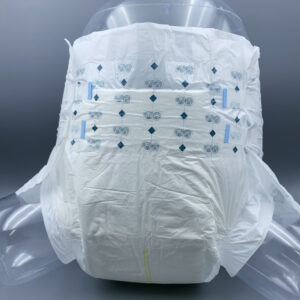
အရွယ်ရောက်ပြီးသူ Diaper ၏ခန္ဓာဗေဒကိုနားလည်ခြင်း။: စိတ်ကြိုက်ပြင်ဆင်ခြင်းအတွက် ဖောင်ဒေးရှင်းတစ်ခု
အရွယ်ရောက်ပြီးသူ မထိန်းနိုင်သော ထုတ်ကုန်များ၏ ထင်ရှားကျော်ကြားသော အမှတ်တံဆိပ်တစ်ခု ဖန်တီးခြင်းခရီးကို စတင်ခြင်းမှာ စျေးကွက်ချဲ့ထွင်ခြင်း သို့မဟုတ် ထုပ်ပိုးခြင်းမှအစပြုခြင်းမဟုတ်ပါ။, ဒါပေမယ့် ထုတ်ကုန်ကိုယ်တိုင်က လေးလေးနက်နက်နဲ့ အသေးစိပ်နားလည်မှုနဲ့အတူ. မသိသေးသူများအတွက်, အရွယ်ရောက်ပြီးသူ diaper သည် ရိုးရှင်းသောပုံစံတစ်ခုအဖြစ် ပေါ်လာနိုင်သည်။. ဒါတောင်, ၎င်း၏အလွှာများအတွင်း ရုပ်ပိုင်းဆိုင်ရာသိပ္ပံ၏ ဆန်းပြားသော အပြန်အလှန်ဆက်စပ်မှုတစ်ခုရှိသည်။, အရည်ဒိုင်းနမစ်, နှင့် ergonomic ဒီဇိုင်း, လူသားများ၏ နက်နဲသော လိုအပ်ချက်ကို ဖြည့်ဆည်းပေးနိုင်ရန် စေ့စပ်သေချာစွာ တီထွင်ဖန်တီးထားသည်။: ဂုဏ်သိက္ခာကို ထိန်းသိမ်းခြင်း။, နှစ်သိမ့်မှု, နှင့်အရေပြားကျန်းမာရေး. အပြိုင်အဆိုင် တစ်ကိုယ်ရေသန့်ရှင်းမှုကဏ္ဍတွင် ထူးချွန်လိုသော စီးပွားရေးလုပ်ငန်းတစ်ခုအတွက်, အထူးသဖြင့် niche တွင်ဖြစ်သည်။ အသက်ရှူနိုင်သော အိပ်ငိုက်သော အကြီးတန်း အထူးအထူ အရွယ်ရောက်ပြီးသော အနှီးများကို စိတ်ကြိုက်ပြုလုပ်ခြင်း။, အစိတ်အပိုင်းတစ်ခုစီ၏ အခြေခံအသိပညာသည် အကျိုးကျေးဇူးမျှသာမဟုတ်ပါ။; သာလွန်ကောင်းမွန်သော ထုတ်ကုန်တစ်ခုကို တည်ဆောက်ထားသည့် အခြေခံအုတ်မြစ်ဖြစ်သည်။. ဤနားလည်မှုသည် ထုတ်လုပ်သူနှင့် အဓိပ္ပါယ်ရှိသော ဆွေးနွေးမှုတွင် ပါဝင်ရန် အမှတ်တံဆိပ်တစ်ခုအား အခွင့်အာဏာပေးသည်။, ပစ္စည်းသတ်မှတ်ချက်များနှင့်ပတ်သက်ပြီး အသိဉာဏ်ဖြင့် ဆုံးဖြတ်ချက်များချရန်, နောက်ဆုံးတွင်၊, ၎င်း၏နောက်ဆုံးအသုံးပြုသူများ၏ အသက်ဝင်နေသော အတွေ့အကြုံနှင့် စစ်မှန်စွာ ထပ်တူထပ်မျှသော ထုတ်ကုန်တစ်ခုကို ဖန်တီးရန်. ကျွန်တော်တို့ကို ... ခွင့်ပြုပါ, ထို့ကြောင့်, ခေတ်မီလူကြီးအနှီးကို ခွဲခြမ်းစိပ်ဖြာပါ။, အလွှာအလိုက် အလွှာ, ဤထူးခြားသော တစ်ကိုယ်ရေ စောင့်ရှောက်မှုနည်းပညာ၏ အစိတ်အပိုင်းတစ်ခုစီ၏ လုပ်ဆောင်ချက်နှင့် အရေးပါမှုကို တန်ဖိုးထားရန်.
topsheet: အရေပြားနှင့် ထိတွေ့ခြင်း၏ ပထမအချက်
ထိပ်တန်းစာရွက်, သို့မဟုတ် coverstock, အသုံးပြုသူ၏အရေပြားနှင့် တိုက်ရိုက်ကျသော အလွှာဖြစ်သည်။. ၎င်း၏အခန်းကဏ္ဍသည် နှစ်ဆဖြစ်ပြီး ဆန့်ကျင်ဘက်ဟု ထင်ရသည်။: အရည်များ လျင်မြန်စွာဖြတ်သန်းနိုင်စေရန် လုံလောက်သော စိမ့်ဝင်နိုင်မှု ရှိရပါမည်။, ဒါပေမယ့် အရေပြားကို ကာကွယ်ဖို့အတွက် ခြောက်သွေ့နေရပါမယ်။. ဤသည်မှာ အရေးတကြီး ထည့်သွင်းစဉ်းစားခြင်း ဖြစ်သည်။ “အိပ်ငိုက်သော စီနီယာ” လူဦးရေစာရင်း, အစိုဓာတ်နှင့် ကြာရှည်စွာ ထိတွေ့ခြင်းသည် Incontinence-Associated Dermatitis ၏ အဓိက အကြောင်းရင်း ဖြစ်သည်။ (သူတို့ကို), နာကျင်ပြီး ကာကွယ်နိုင်သော အခြေအနေ. ရွေးချယ်စရာပစ္စည်းသည် ယေဘူယျအားဖြင့် ယက်မထည်များဖြစ်သည်။, ၎င်း၏နူးညံ့မှုနှင့် အထည်ကဲ့သို့ ခံစားမှုအတွက် တန်ဖိုးရှိသည်။. ဤအထည်များကို hydrophilic ဖြစ်အောင် ဖန်တီးထားပါသည်။, အဓိပ္ပါယ်မှာ ၎င်းတို့သည် အစိုဓာတ်ကို အလွယ်တကူ စုပ်ယူနိုင်သည်ဟု ဆိုလိုသည်။. ၎င်းကို အသုံးပြုထားသော အမျှင်များ၏ မွေးရာပါဂုဏ်သတ္တိများအားဖြင့်သော်လည်းကောင်း အောင်မြင်သည်။, ပိုများတယ်။, အထည်ကို surfactants ဖြင့် ကုသခြင်းဖြင့်၊. ဤအေးဂျင့်များသည် အရည်၏မျက်နှာပြင်တင်းမာမှုကို လျှော့ချပေးသည်။, အပေါ်လွှာကိုဖြတ်၍ အောက်ခြေရှိ စုပ်ယူနိုင်သော အူတိုင်သို့ ချက်ခြင်းဆိုသလိုပင် ဖြတ်သန်းသွားရန် တွန်းအားပေးသည်။. ထုတ်ကုန်တစ်ခုကို စိတ်ကြိုက်လုပ်တဲ့အခါ, ယက်မဟုတ်သော ပစ္စည်း၏ အဆင့်အတန်းနှင့် နူးညံ့မှုကို သတ်မှတ်နိုင်သည်။. ထိုမျှသာမက, တန်ဖိုးမြှင့်ကုသမှုများကို ပေါင်းစပ်နိုင်သည်။, ရှားစောင်းလက်ပတ်ကဲ့သို့ အသားအရေကို ချောမွေ့စေသော ဖျော်ရည်များဖြင့် ထိပ်အချပ်ကို လိမ်းပေးခြင်း, ဗီတာမင်အီး, သို့မဟုတ် chamomile. ဤသည် additives, မဖြစ်စလောက် ကုန်ကျစရိတ်ကို ထည့်စဉ်, အရေပြားကျန်းမာရေးကို ပိုမိုအာရုံစိုက်သည့် စျေးကွက်တွင် အားကောင်းသည့် ကွဲပြားမှုတစ်ခု ဖြစ်လာနိုင်သည်။.
အဆိုပါဝယ်ယူဖြန့်ဖြူးအလွှာ (ADL): Unsung သူရဲကောင်း
အပေါ်ယံစာရွက်၏အောက်တွင် တိုက်ရိုက်တည်ရှိနေသည်မှာ မကြာခဏ သတိမမူမိသော်လည်း အရည်အသွေးမြင့် အနှီး၏စွမ်းဆောင်ရည်အတွက် လုံးဝအရေးကြီးပါသည်။: ဝယ်ယူမှုဖြန့်ဝေမှုအလွှာ, သို့မဟုတ် ADL. ရေတစ်ဖန်ခွက်ကို မြေကြီးအကွက်ငယ်တစ်ခုပေါ် လောင်းထည့်လိုက်သည်; ရေကူးပြီး ဖြည်းညှင်းစွာ စိမ်ပါ။. ကဲ, ထိုရေကိုချက်ချင်းဖမ်းယူကာ ပိုမိုကြီးမားသောဧရိယာတစ်ခုပေါ်တွင် ဖြန့်ကြက်ထားသည့် သေးငယ်သောချန်နယ်များ၏ ကွန်ရက်တစ်ခုကို စိတ်ကူးကြည့်ပါ။. အဲဒါပါပဲ။, အနှစ်သာရ, ADL ၏လုပ်ဆောင်ချက်. မပါဘဲ, ဆီးသည် စုပ်ယူနိုင်သော အူတိုင်၏ တစ်နေရာတည်းတွင် အာရုံစူးစိုက်သည်။, localized saturation သို့ ဦးတည်သည်။, ယိုစိမ့်မှုအန္တရာယ်မြင့်မားသည်။, နှင့်အဆင်မပြေ, ဝတ်ဆင်သူအတွက်ပူလောင်သောခံစားချက်. ADL သည် topsheet မှ အရည်များကို လျင်မြန်စွာ ရယူပြီး core ၏ အရှည်နှင့် အကျယ်ကို အလျားလိုက် ဖြန့်သည်။. ဒါမှ diaper ရဲ့ စုပ်ယူနိုင်စွမ်း အပြည့်အဝကို ထိထိရောက်ရောက် အသုံးချနိုင်စေမှာ သေချာပါတယ်။. ဟန့်တားရာတွင်လည်း အရေးကြီးသော အခန်းကဏ္ဍမှ ပါဝင်ပါသည်။ “ပြန်ပါ,” ဖိအားသက်ရောက်သောအခါ အရည်များ မျက်နှာပြင်သို့ ပြန်စီးဆင်းသည့် ဖြစ်စဉ်တစ်ခု (e.g., အသုံးပြုသူထိုင်ချိန် သို့မဟုတ် ရွေ့လျားသည့်အခါ). ADL များကို ယေဘူယျအားဖြင့် အပူဖြင့် ချည်နှောင်ထားသော သို့မဟုတ် လေဖြင့် ချည်ထားသော ယက်မဟုတ်သော အထည်များဖြင့် ပြုလုပ်ထားသည်။. စိတ်ကြိုက်ပြင်ဆင်ခြင်းလုပ်ငန်းစဉ်တွင် ADL ၏အရောင်ကိုရွေးချယ်ခြင်းပါဝင်သည်။ (၎င်း၏တည်ရှိမှုကို အချက်ပြရန် အပြာ သို့မဟုတ် အစိမ်းရောင်ရှိတတ်သည်။), ၎င်း၏အရွယ်အစား, နှင့်၎င်း၏သဒ္ဒါ (စတုရန်းမီတာလျှင်ဂရမ်), ၎င်းသည် ၎င်း၏ အရှိန်အဟုန်နှင့် စွမ်းရည်ကို လွှမ်းမိုးထားသည်။. ထုတ်ကုန်တစ်ခုအဖြစ် စျေးကွက်ချဲ့ထွင်ရန် “အလွန်အထူ” ညအိပ်သုံးရန် ဒီဇိုင်းထုတ်ထားသည်။, စွမ်းဆောင်ရည်မြင့် ADL သည် ညှိနှိုင်းမရနိုင်ပါ။.
စုပ်ယူထားတဲ့ core: Diaper ၏နှလုံးသား
အနှီး၏လုပ်ဆောင်နိုင်စွမ်း၏ဗဟိုတွင်စုပ်ယူနိုင်သောအူတိုင်ဖြစ်သည်။. ဤနေရာတွင် မထိန်းနိုင်သောနည်းပညာ၏ စစ်မှန်သော ဆန်းသစ်တီထွင်မှုသည် လွန်ခဲ့သော ဆယ်စုနှစ်အနည်းငယ်အတွင်း ဖြစ်ပွားခဲ့သည်။. အူတိုင်၏တာဝန်မှာ အရည်အမြောက်အမြားကို စုပ်ယူပြီး လော့ခ်ချရန်ဖြစ်သည်။, အရေပြားနှင့်ဝေးဝေးထားပါ။. သမိုင်းကြောင်းအကြား, core များကို လုံးလုံးဖြင့် ပြုလုပ်ထားသည်။ “fluff ပျော့ဖတ်,” သစ်သားပျော့ဖတ်၊. စုပ်နေစဉ်, fluff pulp သည် ကြီးမားပြီး ဖိအားအောက်တွင် အရည်များကို ထုတ်လွှတ်နိုင်သည်။. တော်လှန်ရေးသည် Super Absorbent Polymers များကို ကျယ်ကျယ်ပြန့်ပြန့် လက်ခံအသုံးပြုခြင်းဖြင့် လာပါသည်။ (SAP). SAP သည်ထူးခြားသည့်ပစ္စည်းတစ်ခုဖြစ်သည်, ပုံမှန်အားဖြင့်ဆိုဒီယမ် polyacrylate, ၎င်းသည် ၎င်း၏ကိုယ်ပိုင်အလေးချိန်ကို အရည်ထဲတွင် အဆများစွာ စုပ်ယူနိုင်ပြီး ထိန်းထားနိုင်သည်။, တည်ငြိမ်ဂျယ်ဖွဲ့စည်း. SAP တစ်ဂရမ်အထိ ထိန်းထားနိုင်သည်။ 300 deionized ရေဂရမ်. လူကြီးအနှီးကို စိတ်ကြိုက်လုပ်တဲ့အခါ, ဤအပင်၏ဖွဲ့စည်းမှုသည် အရေးကြီးဆုံးသော ဆုံးဖြတ်ချက်ဖြစ်သည်။. ၎င်းတွင် SAP နှင့် fluff pulp ၏တိကျသောအချိုးအစားကိုဆုံးဖြတ်ခြင်းပါဝင်သည်။. ပျော့ပျောင်းသော ပျော့ပျောင်းအချိုးအစား ပိုများခြင်းသည် ပိုထူလာစေသည်။, ပိုမိုစုပ်ယူနိုင်သည်ဟု ထင်မြင်နိုင်သော်လည်း ထိရောက်မှုနည်းနိုင်သည်ဟု ယူဆနိုင်သည့် ရိုးရာခံစားချက်အနှီး. SAP ၏ အချိုးအစားသည် ပိုမိုပါးလွှာမှုကို ရရှိစေပါသည်။, ညီမျှသော သို့မဟုတ် ပိုများသော အရည်ပမာဏကို ထိန်းထားနိုင်သော ပိုသတိရှိသော အူတိုင်. စိန်ခေါ်မှုမှာ အကောင်းဆုံးချိန်ခွင်လျှာကို ရှာဖွေခြင်းတွင်ဖြစ်သည်။. Fluff ပျော့ဖတ်ဖွဲ့စည်းပုံကိုထောက်ပံ့ပေးသည်။, SAP အမှုန်များဆီသို့ wick fluid ကူညီပေးသည်။, ပျော့ပျောင်းသောခံစားမှုကိုဖြစ်စေသည်။. SAP သည် ကုန်ကြမ်းစုပ်ယူမှုစွမ်းအားကို ထောက်ပံ့ပေးသည်။. ဖြစ်စဉ် အသက်ရှူနိုင်သော အိပ်ငိုက်သော အကြီးတန်း အထူးအထူ အရွယ်ရောက်ပြီးသော အနှီးများကို စိတ်ကြိုက်ပြုလုပ်ခြင်း။ ဗျူဟာမြောက် ရောစပ်မှုလည်း ပါဝင်တတ်တယ်။, dual-core စနစ် သို့မဟုတ် စုပ်ယူမှုအမြန်နှုန်းနှင့် စုစုပေါင်းစွမ်းရည်နှစ်ခုလုံးကို အမြင့်ဆုံးဖြစ်စေသော အလွှာလိုက် core တစ်ခုကို ဖန်တီးခြင်း။. ဤစိတ်ကြိုက်ပြင်ဆင်မှုသည် စွမ်းဆောင်ရည်ကို တိုက်ရိုက်သက်ရောက်မှုရှိသည်။, သမ္မာသတိ, နှင့်ကုန်ကျစရိတ်.
စားပှဲ 1: Absorbent Core Compositions များကို နှိုင်းယှဉ်ခြင်း။
| Core အမျိုးအစား | ဖွဲ့စည်းမှု | အဓိကအားသာချက်များ | အဓိကအားနည်းချက်များ | အကောင်းဆုံးအသုံးပြုမှု Case |
|---|---|---|---|---|
| ရိုးရာ ပျော့ဖတ်များ | ပျော့ဖတ်၏ ရာခိုင်နှုန်းမြင့်မားသည်။, အနည်းဆုံး SAP. | ကုန်ကျစရိတ်နည်းသော; အထူသည် အချို့သောအသုံးပြုသူများအတွက် စုပ်ယူနိုင်မှု မြင့်မားသည်ဟု ယူဆနိုင်သည်။. | နေရတယ်လို့; ဖိအားအောက်တွင် ထိန်းသိမ်းမှု အားနည်းခြင်း။ (compression rewet); စိုစွတ်လာသောအခါတွင် အဖုအကျိတ်ဖြစ်တတ်သည်။. | အခြေခံ, မကြာခဏ ပြောင်းလဲမှု စံနှုန်းဖြစ်သည့် အလင်းမထိန်းနိုင်မှု သို့မဟုတ် အဖွဲ့အစည်းဆိုင်ရာ အသုံးပြုမှုအတွက် စီးပွားရေးအဆင့် ထုတ်ကုန်များ. |
| ခေတ်မီ ပျော့ဖတ်/SAP ရောစပ်ခြင်း။ | fluff pulp နှင့် SAP ၏မျှတသောအရောအနှော, ကွဲပြားသော အလွှာများ တွင် ရှိတတ်သည်။. | စုပ်ယူမှုအမြန်နှုန်း၏ အကောင်းဆုံးချိန်ခွင်လျှာ, စွမ်းရည်, ခြောက်သွေ့ခြင်း။; ကောင်းသောဖွဲ့စည်းတည်ဆောက်ပုံသမာဓိ. | အလယ်အလတ်ကုန်ကျစရိတ်; ကဲ့သို့သော ပြဿနာများကို ကာကွယ်ရန် တိကျသော အင်ဂျင်နီယာ လိုအပ်သည်။ “ဂျယ်ပိတ်ဆို့ခြင်း။” | အရည်အသွေးမြင့် လက်လီနှင့် ကျန်းမာရေးစောင့်ရှောက်မှု ထုတ်ကုန်များအတွက် စက်မှုလုပ်ငန်းစံနှုန်း, ညအိပ်အနှီးများ အပါအဝင်. စိတ်ကြိုက်ပရောဂျက်အများစုအတွက် စံပြပါ။. |
| အလွန်ပါးလွှာသော SAP-Dominant | အနည်းငယ်မျှသာ သို့မဟုတ် ပျော့ဖတ်မျှင်မရှိသော SAP ၏ အလွန်မြင့်မားသော အာရုံစူးစိုက်မှု, laminated တည်ဆောက်ပုံတွင်ကျင်းပသည်။. | ၎င်း၏အထူအတွက်အလွန်မြင့်မားသောစုပ်ယူမှု; အလွန်သတိပညာနှင့်အဆင်ပြေ; သာလွန်ခြောက်သွေ့ခြင်း။. | ပိုမြင့်သောပစ္စည်းကုန်ကျစရိတ်; အဆင့်မြင့်ကုန်ထုတ်လုပ်မှုနည်းပညာလိုအပ်သည်။; ကောင်းမွန်စွာ ဒီဇိုင်းမွမ်းမံထားလျှင် အချို့သော သုံးစွဲသူများအတွက် တောင့်တင်းမှု ခံစားရနိုင်သည်။. | ဆု “ပျော့ဖတ်” ထုတ်ကုန်များ, အရွယ်ရောက်ပြီးသူဆွဲထုတ်ဘောင်းဘီ, ဆုံးဖြတ်ချက်သည် အဓိကစိုးရိမ်ရသည့် ထုတ်ကုန်များဖြစ်သည်။. |
backsheet: အသက်ရှူနိုင်သော အတားအဆီး
အနှီး၏နောက်ဆုံးအလွှာမှာ ကျောခင်းဖြစ်သည်။, အဝတ်အစားများနှင့် အိပ်ယာများပေါ်သို့ ယိုစိမ့်မှုမှ ကာကွယ်ရန် ရေစိုခံအတားအဆီးအဖြစ် ဆောင်ရွက်သည်။. ဆယ်စုနှစ်များစွာ, ဤအလွှာသည် ရိုးရိုးရှင်းရှင်းမဟုတ်သော ပလပ်စတစ်အလွှာတစ်ခုဖြစ်သည်။ (Polyethylene), အဖြစ်မကြာခဏရည်ညွှန်းသည်။ “ပလပ်စတစ်ကျောထောက်နောက်ခံ” အနှီး. ထိရောက်စွာ ချုပ်နှောင်ထားစဉ်, ဤကျောပိုးအိတ်များသည် အပူနှင့် အစိုဓာတ်ကို ဖမ်းယူထားသည်။, ယားယံခြင်းဆီသို့ ဦးတည်သွားစေနိုင်သော စိုစွတ်သော microclimate ကို ဖန်တီးပါ။, maceration, နှင့်ပြိုကွဲ. အသုံးပြုသူများ သက်တောင့်သက်သာ နှင့် အရေပြားကျန်းမာရေးအတွက် အရေးအကြီးဆုံး ဆန်းသစ်တီထွင်မှုမှာ လေဝင်လေထွက်ကောင်းသည့် တီထွင်မှုဖြစ်သည်။, အထည်နှင့်တူသောကျောခင်း. ဒါက ညှိနှိုင်းလို့မရတဲ့ အင်္ဂါရပ်တစ်ခုပါ။ အသက်ရှူနိုင်သော အိပ်ငိုက်သော အကြီးတန်း အထူးအထူ အရွယ်ရောက်ပြီးသော အနှီးများကို စိတ်ကြိုက်ပြုလုပ်ခြင်း။. ဤအဆင့်မြင့် နောက်ကျောအခင်းများကို ပျော့ပျောင်းစေရန် သေးငယ်သော ဖလင်ပြားဖြင့် ပြုလုပ်ထားသည်။, non-ယက်ထည်. ရုပ်ရှင်တွင် စတုရန်းတစ်လက်မလျှင် အဏုကြည့်မှန်ပေါက်ပေါင်း ဘီလီယံပေါင်းများစွာ ပါဝင်ပါသည်။. ဤချွေးပေါက်များသည် ရေခိုးရေငွေ့ခွင့်ပြုရန် လုံလောက်သည်။ (ခေျှး) လွတ်မြောက်ရန် အပူ၊, သို့သော်ရေစက်များအတွက်သေးငယ်လွန်းသည် (ဆီးရည်) ဖြတ်သန်းရန်. ရလဒ်ကတော့ အရေပြားကို လိမ်းပေးရင်း အရည်တွေ ထိရောက်စွာ ပါ၀င်တဲ့ အနှီးတစ်ခုပါ။ “ရှူ,” cooler ကို ထိန်းသိမ်းခြင်း။, ခြောက်သွေ့, နှင့်ကျန်းမာသောအသားအရေပတ်ဝန်းကျင်. အထူးသဖြင့် သက်ကြီးရွယ်အိုများအတွက် အလွန်အရေးကြီးပါသည်။, အရေပြားသည် ပို၍ နုနယ်တတ်သည်။, နှင့် ထုတ်ကုန်ကို အချိန်ကြာမြင့်စွာ အိပ်ယာပေါ်တွင် လှဲနေသော သို့မဟုတ် ဝတ်ဆင်အသုံးပြုသူများအတွက်, ညအိပ်တာမျိုး. ဤနေရာတွင် စိတ်ကြိုက်ရွေးချယ်စရာများ တွင် အသက်ရှူနိုင်မှု အတိုင်းအတာ ပါဝင်သည်။, ယက်မဟုတ်သော အပြင်ဘက်အလွှာ၏ နူးညံ့မှု, နောက်ခံစာရွက်ပေါ်တွင် လိုဂို သို့မဟုတ် ဒီဇိုင်းများ ပုံနှိပ်ခြင်း။.
ဆက်စပ်ပစ္စည်းများ: Fastening စနစ်များ, ခြေထောက် cuffs, နှင့် စိုစွတ်မှု အညွှန်းကိန်းများ
ပင်မအလွှာကိုကျော်လွန်, အခြားအစိတ်အပိုင်းများစွာသည် အနှီး၏လုပ်ဆောင်ချက်နှင့် အသုံးပြုနိုင်စွမ်းအတွက် အရေးကြီးပါသည်။. ချည်နှောင်သည့်စနစ်သည် သုံးစွဲသူတစ်ဝိုက်တွင် အနှီးကို လုံခြုံစေပါသည်။. ရိုးရာစနစ်များသည် ရှေ့မျက်နှာစာအကန့်တွင် ကပ်ထားသည့် ကော်တိပ်များကို အသုံးပြုသည်။. သိသာထင်ရှားသောတိုးတက်မှု, နှင့် အဓိက စိတ်ကြိုက်အချက်တစ်ခု, hook-and-loop စနစ်များဆီသို့ ရွှေ့ခြင်းဖြစ်ပါသည်။ (velcro ဆင်တူ). ဤကြိုးများကို ဆုပ်ကိုင်ထားခြင်းမရှိဘဲ အကြိမ်ပေါင်းများစွာ အဖွင့်အပိတ်လုပ်နိုင်ပါသည်။, အနှီးကို စစ်ဆေးရန် သို့မဟုတ် အံဝင်ခွင်ကျချိန်ညှိရန် လိုအပ်သော ပြုစုစောင့်ရှောက်သူများအတွက် အဖိုးမဖြတ်နိုင်သော အရာဖြစ်သည်။. ခြေထောက်နားကြပ်များ, သို့မဟုတ် ခြေထောက်များ စုပုံလာသည်။, ခြေထောက်အပေါက်များတစ်လျှောက် ပြေးနေသော elasticated barriers များဖြစ်သည်။. ဒီဇိုင်းကောင်းမွန်သော diaper တွင် ခြေနှစ်ချောင်း လက်ပတ်များ ပါရှိပါမည်။: အရည်များ ပါ၀င်ရန် နှစ်သက်ဖွယ်ကောင်းသော အတွင်းခံ လက်ပတ်တစ်ခု, ဒုတိယတံဆိပ်ခတ်ရန် အပြင်ဘက် လက်ပတ်တစ်ခု၊. elastic ၏အရည်အသွေး (ပုံမှန်အားဖြင့် Lycra သို့မဟုတ် spandex) လက်သည်းများသည် ဖိခြင်း သို့မဟုတ် အနီရောင်အစင်းများ မကျန်စေဘဲ ခန္ဓာကိုယ်နှင့် မည်မျှကိုက်ညီကြောင်း ဆုံးဖြတ်သည်။. နောက်ဆုံး, စိုစွတ်မှုညွှန်ပြချက်သည် ရိုးရှင်းသော်လည်း ထိရောက်သောအင်္ဂါရပ်တစ်ခုဖြစ်သည်။. ၎င်းသည် ဆီးနှင့်ထိတွေ့သောအခါ အရောင်ပြောင်းခြင်း သို့မဟုတ် မှိန်သွားသည့် အထူးမင်ဖြင့် အနှီးအပြင်ဘက်တွင် ရိုက်နှိပ်ထားသော မျဉ်း သို့မဟုတ် ပုံစံတစ်ခုဖြစ်သည်။. ဒါကရှင်းပါတယ်, အပြောင်းအလဲတစ်ခု လိုအပ်ကြောင်း ပြုစုစောင့်ရှောက်သူများအား တစ်ချက်ကြည့်လိုက်ပါ။, မလိုလားအပ်သော အပြောင်းအလဲများ သို့မဟုတ် ရှောင်ကြဉ်ခြင်း။, ပြောင်းပြန်, အသုံးပြုသူကို ညစ်ပတ်သော ထုတ်ကုန်တစ်ခုတွင် အကြာကြီးထားခဲ့သည်။.
ဆူး 1: ရုပ်ဝတ္ထုသိပ္ပံနှင့် စွမ်းဆောင်ရည်နှင့် သက်တောင့်သက်သာရှိမှုအပေါ် ၎င်း၏သက်ရောက်မှု
အမှန်တကယ် သာလွန်ကောင်းမွန်သော အရွယ်ရောက်ပြီးသူ မထိန်းနိုင်စေသော ထုတ်ကုန်ကို ဖန်တီးထားခြင်း ဖြစ်ပါသည်။, ၎င်း၏ဗဟိုတွင်, အသုံးချပစ္စည်းသိပ္ပံ လေ့ကျင့်ခန်း. ဖွဲ့စည်းတည်ဆောက်ပုံ ဒီဇိုင်းနှင့် တပ်ဆင်မှုသည် အရေးကြီးသော်လည်း၊, ရွေးချယ်ထားသောကုန်ကြမ်းများ၏ ပင်ကိုယ်ဂုဏ်သတ္တိများသည် သုံးစွဲသူ၏သက်တောင့်သက်သာရှိမှုအတွေ့အကြုံကို အဆုံးစွန်သတ်မှတ်ပေးသည်။, လုံခြုံရေး, နှင့် အရေပြားကျန်းမာရေး. အာရုံစိုက်ထားတဲ့ အမှတ်တံဆိပ်တစ်ခုအတွက်ပါ။ အသက်ရှူနိုင်သော အိပ်ငိုက်သော အကြီးတန်း အထူးအထူ အရွယ်ရောက်ပြီးသော အနှီးများကို စိတ်ကြိုက်ပြုလုပ်ခြင်း။, ပစ္စည်းများကို အပေါ်ယံနားလည်မှု မလုံလောက်ပါ။. အမျှင်များရဲ့ သဘောသဘာဝကို စေ့စေ့စပ်စပ် လေ့လာရပါမယ်။, ပိုလီဂို, ထုတ်ကုန်တွေနဲ့ ဖွဲ့စည်းထားတဲ့ ရုပ်ရှင်တွေပါ။. ဤပိုမိုနက်ရှိုင်းသောအသိပညာသည် OEM/ODM ပါတနာများနှင့် ပိုမိုခေတ်မီဆန်းသစ်သော စကားပြောဆိုမှုကို ပြုလုပ်နိုင်စေပါသည်။, အမှတ်တံဆိပ်တစ်ခုကို သတ်မှတ်ရုံသာမကဘဲ “ယက်မဟုတ်သော topsheet တစ်ခု,” သို့သော် လိုချင်သော နူးညံ့မှုနှင့် အရည်ရယူမှုနှုန်းကို ပေးစွမ်းမည့် သီးခြားယက်မဟုတ်သော အထည်အမျိုးအစား. ဆွေးနွေးရုံတင်မကဘူး။ “စုပ်ယူမှု,” သို့သော် လက်တွေ့ကမ္ဘာအသုံးပြုမှု၏ဖိအားများအောက်တွင် အကောင်းဆုံးအရည်ထိန်းထားပေးမည့် Super Absorbent Polymer အမျိုးအစားနှင့် အဆင့်အကြောင်း၊. ပစ္စည်းရွေးချယ်ခြင်းအတွက် ဤအသေးစိတ်ချဉ်းကပ်မှုသည် ယေဘူယျကို ပိုင်းခြားထားသည်။, စိတ်ကူးဖြင့် တီထွင်ထားသော စင်ပေါ်မှ ကုန်ပစ္စည်း, စျေးကွက်သစ္စာရှိမှုကို အမိန့်ပေးနိုင်သော ပရီမီယံဖြေရှင်းချက်. ၎င်းသည် ရိုးရှင်းသော တစ်ခါသုံးအဝတ်အစားကို မထိန်းနိုင်မှုကို ဂုဏ်သိက္ခာရှိရှိ စီမံခန့်ခွဲရန် ခေတ်မီသောကိရိယာအဖြစ် ပြောင်းလဲပေးသည့် ပစ္စည်းများအတွင်းမှ သိပ္ပံပညာဖြစ်သည်။.
ယက်မဟုတ်သောအထည်များကမ္ဘာ
ယက်မဟုတ်သော အထည်များသည် တစ်ခါသုံး တစ်ကိုယ်ရေသန့်ရှင်းမှု ထုတ်ကုန်များ၏ ထင်ရှားကျော်ကြားသော သူရဲကောင်းများဖြစ်သည်။, topsheet ကိုဖွဲ့စည်း, စာရွက်ဖုံး, ADL, နှင့် ခြေထောက် လက်စွပ်များ. ယက်လုပ်ခြင်း သို့မဟုတ် ထိုးထိုးထားသော ရိုးရာအထည်များနှင့် မတူပါ။, ဤအထည်များကို အပူဖြင့် ချည်နှောင်ထားသော အမျှင်များမှ တိုက်ရိုက်ပြုလုပ်ထားသည်။, ဓါတုဗေဒ, သို့မဟုတ် စက်ပိုင်းဆိုင်ရာ လုပ်ငန်းစဉ်များ. ထုတ်လုပ်မှု လုပ်ငန်းစဉ်ကို ရွေးချယ်ခြင်းသည် အထည်များကို ကွဲပြားခြားနားသော ဂုဏ်သတ္တိများဖြင့် ထုတ်ပေးပါသည်။. စပွန်ဘွန်းမဟုတ်သော ယက်မများ, Polypropylene သို့မဟုတ် Polyester ၏ အဆက်မပြတ် အမျှင်များကို သွယ်တန်းထားသော ခါးပတ်ပေါ်သို့ ဖြန့်ထုတ်ပြီး ၎င်းတို့ကို ချည်နှောင်ခြင်းဖြင့် ဖန်တီးထားသည်။, ၎င်းတို့၏ ကြံ့ခိုင်မှုနှင့် တည်ငြိမ်မှုအတွက် လူသိများသည်။. ၎င်းတို့သည် topsheet နှင့် backsheet အပြင်အဖုံးအတွက်အကောင်းဆုံးရွေးချယ်မှုဖြစ်သည်။. Meltblown non-wovens များသည် လျင်မြန်သောလေက သွန်းနေသော ပိုလီမာကို အလွန်ကောင်းမွန်သော အမျှင်များအဖြစ်သို့ မှုတ်ထုတ်သည့် လုပ်ငန်းစဉ်ကို အသုံးပြုသည်, ကောင်းမွန်သော filtration နှင့် barrier ဂုဏ်သတ္တိများရှိသော ဝဘ်ကို ဖန်တီးခြင်း။, စပွန်ဘွန်းလောက် မခိုင်ခံ့ပေမယ့်. ခဏခဏ, ထုတ်လုပ်သူများသည် SMS ကိုအသုံးပြုသည်။ (spunbond- meltbllblown- spunbond) ပေါင်းစပ်ပစ္စည်း, အရည်ပျော်သောအူတိုင်၏ အတားအဆီးနှင့် အရည်ကိုင်တွယ်မှုဂုဏ်သတ္တိများနှင့် spunbond အလွှာများ၏ ခိုင်ခံ့မှုကို ပေါင်းစပ်ထားသည်။. နောက်တစ်မျိုး, air-through bonded non-ယက်, အမျှင်များကို ချည်နှောင်ရန် လေပူကို အသုံးပြုသည်။, သိသိသာသာ ပျော့ပျောင်းသော အထည်ကို ရရှိစေပါသည်။, နေရတယ်လို့, ကြီးသော. ၎င်းသည် topsheets အတွက် ပရီမီယံရွေးချယ်မှုဖြစ်စေသည်။, အရေပြားတဘက်တွင် ချည်သားကဲ့သို့ ခံစားမှုမျိုးကို ပေးဆောင်သည်။. စိတ်ကြိုက်လုပ်တဲ့အခါ, အမှတ်တံဆိပ်တစ်ခုသည် အမျိုးအစားကိုသာ သတ်မှတ်နိုင်သည်။ (ခေြဂမ်းနီ, အက်စ်အမ်အက်စ်, စသည်တို့) ဒါပေမယ့်လည်း အခြေခံအလေးချိန် (တစ်စတုရန်းမီတာလျှင်ဂရမ်, သို့မဟုတ် gsm), ၎င်းသည် ၎င်း၏ခွန်အားကို ထိခိုက်စေသည်။, နူးညံ့မှု, နှင့်ကုန်ကျစရိတ်.
အလွန်စုပ်ယူနိုင်သော ပိုလီမာများ (SAP): Chemical Marvel ပါ။
Super Absorbent Polymers ၏နည်းပညာသည် ခေတ်မီစွမ်းဆောင်ရည်မြင့် diaper ကိုဖြစ်မြောက်စေပါသည်။. အရင်ကပြောခဲ့သလိုပါပဲ။, ၎င်းသည် ပုံမှန်အားဖြင့် ဆိုဒီယမ်ပိုလီကရီလိတ်ဖြစ်သည်။, ဆိုဒီယမ်ကာဘောဇလိတ်အုပ်စုများပါရှိသော ပိုလီမာကွင်းဆက်တစ်ခု. ဆီးကဲ့သို့ အရည်များရှိနေခြင်း။, ဆိုဒီယမ်အိုင်းယွန်းများကို osmosis မှတဆင့် ရေမော်လီကျူးများဖြင့် အစားထိုးသည်။, ပိုလီမာကွန်ရက်ကို ကွိုင်နှင့် ဖောရောင်စေသည်။, ဟိုက်ဒရိုဂျယ်လ်ကို ဖွဲ့စည်းရန် ၎င်း၏ဖွဲ့စည်းပုံအတွင်း ရေကို ချုပ်နှောင်ထားသည်။. သို့သော်, အားလုံး sap တန်းတူဖန်တီးသည်မဟုတ်. စိတ်ကြိုက်ပြင်ဆင်ခြင်းလုပ်ငန်းစဉ်သည် အဓိကစွမ်းဆောင်မှုညွှန်းကိန်းများစွာကိုအခြေခံ၍ SAP ကိုရွေးချယ်ရန်ခွင့်ပြုသည်။. စုပ်ယူမှုအရှိန်သည် အရေးကြီးသည်။; SAP သည် ယိုစိမ့်မှုကို ကာကွယ်ရန် မိတ်ဆက်ထားသည်ထက် ပိုမိုမြန်ဆန်စွာ အရည်စုပ်ယူရပါမည်။. Absorption Under Load ၊ (aul) သို့မဟုတ် ဖိအားအောက်တွင် စုပ်ယူမှု (AUP) အရွယ်ရောက်ပြီးသူအနှီးအတွက် အရေးကြီးဆုံးမက်ထရစ်ဖြစ်ကောင်းဖြစ်နိုင်သည်။. ၎င်းသည် ဖိအားဒဏ်ခံရသောအခါ ဂျယ်၏အရည်ကို မည်မျှထိန်းသိမ်းသည်ကို တိုင်းတာသည်။, ထိုင်ခြင်း သို့မဟုတ် လဲလျောင်းနေသော အသုံးပြုသူကို အတုယူခြင်း။. မြင့်မားသော AUP သည် ပြန်လည်စိုစွတ်ခြင်းကို ကာကွယ်ရန် မရှိမဖြစ်လိုအပ်ပါသည်။. centrifuge retention စွမ်းရည် (ကပ်) Centrifuge တစ်ခုတွင် လှည့်ပတ်ပြီးနောက် ထိန်းသိမ်းထားသော အရည်ပမာဏကို တိုင်းတာသည်။, အရည်များကို မည်မျှ တင်းတင်းကျပ်ကျပ် သော့ခတ်ထားသည်ကို ညွှန်ပြသည်။. ထုတ်လုပ်သူ တစ်ဦးက ကြိုက်တယ်။ တစ်ကိုယ်ရေသန့်ရှင်းရေးထုတ်ကုန်များ၏ယုံကြည်စိတ်ချရသောပေးသွင်း Sumitomo သို့မဟုတ် BASF ကဲ့သို့သော ကမ္ဘာလုံးဆိုင်ရာ ပေးသွင်းသူများထံမှ မတူညီသော SAP အဆင့်များကို သုံးစွဲနိုင်မည်ဖြစ်သည်။, တစ်ခုစီသည် ဤဂုဏ်သတ္တိများကို အကောင်းဆုံးဖြစ်အောင် တီထွင်ဖန်တီးထားသည်။. အမှတ်တံဆိပ်တစ်ခုသည် အချို့သော AUP တန်ဖိုးကို သတ်မှတ်နိုင်သည်။, ဥပမာအားဖြင့်, ထုတ်ကုန်သည် နေ့ချင်းညချင်း အသုံးပြုရန်အတွက် သို့မဟုတ် ပိုမိုတက်ကြွသော အသုံးပြုသူများအတွက် အထူးကောင်းမွန်စွာ လုပ်ဆောင်နိုင်စေရန် သေချာစေရန်.
Fluff Pulp ၏အခန်းကဏ္ဍ
SAP လွှမ်းမိုးထားသော်လည်း၊, ရိုးရာ fluff ပျော့ဖတ်သည် စုပ်ယူနိုင်သော cores အများစုတွင် မရှိမဖြစ်လိုအပ်သော အစိတ်အပိုင်းတစ်ခုအဖြစ် ကျန်ရှိနေပါသည်။. ထင်းရှူးကဲ့သို့သော သစ်မာပင်များမှ အဓိကရရှိသည်။, cellulose အမျှင်တွေကို ပျော့ပျောင်းအောင် ဖန်တီးပေးပါတယ်။, ချည်နှင့်တူသောပစ္စည်း. ခေတ်သစ်အူတိုင်တွင် ၎င်း၏အဓိကအခန်းကဏ္ဍသည် စုပ်ယူမှုသက်သက်မဟုတ်ပါ။, အရည်အချို့ ကိုင်ထားသော်လည်း၊, ဒါပေမယ့် ကောက်ချက်ချပြီး ဖြန့်ချီတဲ့ matrix တစ်ခုအနေနဲ့ပါ။. ပျော့ဖတ်မျှင်များ၏ ကွန်ရက်သည် အဝင်ပေါက်မှ အရည်များကို ဆွဲထုတ်ပြီး အူတိုင်တစ်လျှောက် ဖြန့်ဝေပေးသည့် သွေးကြောမျှင်လမ်းကြောင်းများကို ဖန်တီးပေးသည်။, ရရှိနိုင်သော SAP အမှုန်များအားလုံးကို ရောက်ရှိကြောင်း သေချာစေပါသည်။. ဒါက လူသိများတဲ့ ဖြစ်စဉ်ကို တားဆီးပေးပါတယ်။ “ဂျယ်လ်ပိတ်ခြင်း,” မျက်နှာပြင်ပေါ်ရှိ SAP ၏မြင့်မားသောအာရုံစူးစိုက်မှုရှိရာ gels ချက်ချင်း, ကျန်သော core အတွင်းသို့ အရည်များ မရောက်ရှိအောင် တားဆီးသော impermeable barrier ကို ဖန်တီးထားသည်။. Fluff pulp သည် absorbent pad ကိုဖွဲ့စည်းပုံဆိုင်ရာခိုင်မာမှုကိုလည်းပေးသည်။, စိုစွတ်နေချိန်တွင် ကွဲထွက်ခြင်း သို့မဟုတ် အဖုအပိန့်မဖြစ်အောင် ကာကွယ်ပေးသည်။. ထိုမျှသာမက, ၎င်းသည် ထုတ်ကုန်၏ နူးညံ့မှုနှင့် သက်တောင့်သက်သာရှိမှုကို သိသာထင်ရှားစွာ ပံ့ပိုးပေးပါသည်။. စိတ်ကြိုက်ရှုထောင့်မှ, ပျော့ဖတ်၏ အရင်းအမြစ်နှင့် အဆင့်သည် အရေးကြီးသည်။. သစ်တောအုပ်စိုးမှုကောင်စီမှ အသိအမှတ်ပြုထားသော ပေးသွင်းသူများထံမှ ပျော့ဖတ်များ အရင်းအမြစ်များ ထုတ်ယူခြင်း။ (FSC) သို့မဟုတ် အလားတူ အဖွဲ့အစည်းများသည် ဥရောပနှင့် မြောက်အမေရိကကဲ့သို့ စျေးကွက်များတွင် ပတ်ဝန်းကျင်သတိရှိသော စားသုံးသူများနှင့် ပဲ့တင်ထပ်နေသည့် အဓိက ရေရှည်တည်တံ့မှုဆိုင်ရာ တောင်းဆိုချက်ဖြစ်သည်။.
Breathable ရုပ်ရှင်များတွင် ဆန်းသစ်တီထွင်မှုများ
ဝေါဟာရ “breathable backsheet” ထုတ်ကုန်အယူအဆ၏ဗဟိုဖြစ်သည်။ အသက်ရှူနိုင်သော အိပ်ငိုက်သော အကြီးတန်း အထူးအထူ အရွယ်ရောက်ပြီးသော အနှီးများကို စိတ်ကြိုက်ပြုလုပ်ခြင်း။. ဤအင်္ဂါရပ်၏နောက်ကွယ်မှသိပ္ပံပညာသည်အဆင့်မြင့်ပေါ်လီမာလုပ်ဆောင်ခြင်း၏သက်သေဖြစ်သည်။. လေဝင်လေထွက်ကောင်းသော ဖလင်ကို ပုံမှန်အားဖြင့် အဖြည့်ခံတစ်ခုနှင့် ရောစပ်ထားသော polyethylene ဖြင့် ပြုလုပ်ထားသည်။, များသောအားဖြင့် ကယ်လ်စီယမ်ကာဗွန်နိတ် (CaCO3). ဤဒြပ်ပေါင်းကို ပါးလွှာသော ဖလင်တစ်ခုအဖြစ် ထုတ်ယူပြီးနောက် လမ်းကြောင်းတစ်ခု သို့မဟုတ် တစ်ခုထက်ပို၍ ဆန့်ထုတ်ပါ။. ဆန့်ထုတ်ခြင်းလုပ်ငန်းစဉ်သည် ပိုလီမာမက်ထရစ်ကို ကယ်လ်စီယမ်ကာဗွန်နိတ်အမှုန်များထံမှ ဆွဲထုတ်သွားစေသည်။, microscopic pores ကွန်ရက်တစ်ခု ဖန်တီးခြင်း။, သို့မဟုတ် “micropores။” ဤလုပ်ငန်းစဉ်, fibrillation ဟုခေါ်သည်။, မွေးရာပါ ရေစိုခံသော်လည်း အခိုးအငွေ့ စိမ့်ဝင်နိုင်သော ဖလင်ကို ဖန်တီးသည်။. ရုပ်ရှင်၏ Moisture Vapor Transmission Rate ကို ကောင်းစွာချိန်ညှိရန် ထုတ်လုပ်နေစဉ်အတွင်း ဤချွေးပေါက်များ၏ အရွယ်အစားနှင့် သိပ်သည်းဆကို ထိန်းချုပ်နိုင်သည်။ (MVTR), အသက်ရှူနိုင်မှု အတွက် အဓိက မက်ထရစ်. မြင့်မားသော MVTR ဆိုသည်မှာ အပူနှင့် စိုထိုင်းဆ ပိုမိုလွတ်မြောက်နိုင်သည်ဟု ဆိုလိုသည်။, ကျန်းမာသော အရေပြားပတ်ဝန်းကျင်ကို ဖြစ်စေသည်။. စိတ်ကြိုက်လုပ်တဲ့အခါ, ကုန်အမှတ်တံဆိပ်တစ်ခုသည် ပစ်မှတ် MVTR ကို သတ်မှတ်နိုင်သည်။, ထုတ်ကုန်သည် ၎င်း၏ အသက်ရှုနိုင်မှု၏ ကတိအတိုင်း ပေးအပ်ကြောင်း သေချာစေပါသည်။. ထို့နောက် ဖလင်ကို ပျော့ပျောင်းသော ယက်မဟုတ်သော အထည်အဖြစ် ကာရံထားသည်။ “အထည်ပုံစံ” အသုံးပြုသူများသည် ဆူညံသံကို ပိုနှစ်သက်သည်ဟု ခံစားရသည်။, သန့်ရှင်းသော ပလတ်စတစ်ကြောင့် အဆင်မပြေသော ခံစားချက်.
ဆူး 2: Absorbency Paradox: စွမ်းဆောင်ရည် ဟန်ချက်ညီခြင်း။, ခြောက်သွေ့ခြင်း။, သမ္မာသတိ၊
စိတ်မထိန်းနိုင်ဘဲ ဂရုမစိုက်တဲ့ နယ်ပယ်မှာ, အယူအဆ “စုပ်ယူမှု” အရည်ပမာဏကို ရိုးရှင်းသော တိုင်းတာမှုထက် သာလွန်ကောင်းမွန်ပါသည်။. ၎င်းသည် သိမ်မွေ့ပြီး မကြာခဏ ဝိရောဓိ ဟန်ချက်ညီသော လုပ်ရပ်ကို ကိုယ်စားပြုသည်။. စံပြထုတ်ကုန်သည် လုံခြုံရေးအတွက် များပြားသော အရည်ပမာဏကို ထိန်းထားရပါမည်။, အထူးသဖြင့်နေ့ချင်းညချင်းအသုံးပြုမှုအတွက် (အဆိုပါ “အိပ်ငိုက်သော စီနီယာ” စကားစပ်), သို့သော် ၎င်းသည် အသုံးပြုသူ၏ သက်တောင့်သက်သာရှိမှုကို အလျှော့အတင်းဖြစ်စေရန် ဤမျှကြီးကြီးမားမားမဖြစ်ရပါ။, ပေြာင်းရေွှ့လွယ်ခြင်း, သမ္မာသတိရှိခြင်း။. အရေပြားပေါ်ရှိ မျက်နှာပြင်ကို ခြောက်သွေ့နေစေရန် အရည်များကို ထိရောက်စွာ သော့ခတ်ထားရပါမည်။, ယားယံခြင်းကို ကာကွယ်ပေးသည်။, သို့သော် ရုတ်တရက် ပေါက်ထွက်ခြင်းကို ကိုင်တွယ်ရန် လုံလောက်သော အရည်ကို လျင်မြန်စွာ ရယူရပါမည်။. ဤသည်မှာ စုပ်ယူမှု ဝိရောဓိဖြစ်သည်။. လုပ်ငန်းတစ်ခုအတွက် အသက်ရှူနိုင်သော အိပ်ငိုက်သော အကြီးတန်း အထူးအထူ အရွယ်ရောက်ပြီးသော အနှီးများကို စိတ်ကြိုက်ပြုလုပ်ခြင်း။, ဤလက်ကျန်ငွေကို ကျွမ်းကျင်ပိုင်နိုင်ခြင်းသည် သုံးစွဲသူများ ဝယ်ယူရုံသာမကဘဲ ထုတ်ကုန်တစ်ခုကို ဖန်တီးရန် သော့ချက်ဖြစ်သည်။, ဒါပေမယ့် ယုံကြည်မှု. ၎င်းသည် အထူ၏ရိုးရှင်းသော အယူအဆများထက် ကျော်လွန်ပြီး ကျစ်လစ်သိပ်သည်းစွာ စွမ်းဆောင်ရည်မြင့်မားစေသည့် ဆန်းပြားသော အင်ဂျင်နီယာကို အာရုံစိုက်ရန် လိုအပ်ပါသည်။, အသုံးပြုရလွယ်ကူသောပုံစံ. ၎င်းတွင် စက်မှုလုပ်ငန်းစံနှုန်း စမ်းသပ်ခြင်းနည်းလမ်းများအတွက် လေးနက်စွာ ကျေးဇူးတင်ရှိခြင်း ပါဝင်သည်။, အရေးဆိုမှုများအပေါ် ဝေဖန်ထောက်ပြသည်။ “အလွန်အထူ,” နှင့် အန္တိမပန်းတိုင်အပေါ် မဆုတ်မနစ် အာရုံစိုက်ပါ။: သုံးစွဲသူ၏ အသားအရေကို ခြောက်သွေ့စေပြီး ကျန်းမာစေသည်။.
Absorbency ကို သတ်မှတ်ခြင်းနှင့် တိုင်းတာခြင်း။
ထုတ်ကုန်တစ်ခုကို ထိထိရောက်ရောက် စိတ်ကြိုက်ပြင်ဆင်ရန်, လုပ်ငန်းတစ်ခု၏ ဘာသာစကားကို ပြောရမည်။. စုပ်ယူမှုနှင့်ပတ်သက်လာလျှင်, ၎င်းသည် စွမ်းဆောင်ရည်ကို တိုင်းတာရန်အတွက် ထုတ်လုပ်သူအသုံးပြုသည့် စံပြုစမ်းသပ်မှုများကို နားလည်သဘောပေါက်ခြင်းကို ဆိုလိုသည်။. အသုံးအများဆုံးနည်းလမ်းမှာ ISO ဖြစ်သည်။ 11948-1 စံ, မကြာခဏခေါ် “Rothwell စမ်းသပ်မှု” သို့မဟုတ် “free-swell စွမ်းရည်စမ်းသပ်မှု။” ဒီဓာတ်ခွဲခန်းမှာ လုပ်တယ်။, အနှီးတစ်လုံးကို ချိန်တွယ်သည်။, သတ်မှတ်ကာလတစ်ခုအတွက် ဆားရည်ဖြင့်မြုပ်ပါ။, drip ဖို့ခွင့်ပြုပါတယ်။, ပြီးမှ ထပ်ပြီး ချိန်တယ်။. အလေးချိန်ကွာခြားချက်သည် ၎င်း၏ သီအိုရီအရ စုပ်ယူနိုင်မှု အများဆုံးကို ညွှန်ပြသည်။. ၎င်းသည် မတူညီသော core ဒီဇိုင်းများ၏ ကုန်ကြမ်းစွမ်းရည်ကို နှိုင်းယှဉ်ရန်အတွက် အသုံးဝင်သောစံညွှန်းတစ်ခုဖြစ်သည်။, ၎င်း၏ ကန့်သတ်ချက်များကို အသိအမှတ်ပြုရန် အရေးကြီးပါသည်။. ၎င်းသည် လက်တွေ့ကမ္ဘာအခြေအနေများကို အတုမယူပါ။, ဆီးများ ဖြည်းဖြည်းချင်း ထွက်လာခြင်းကဲ့သို့သော, အနှီးပေါ်တွင် ဖိထားသော ခန္ဓာကိုယ်အလေးချိန် ရှိနေခြင်း။, သို့မဟုတ် များစွာသော ပျက်ကွက်မှုများ လိုအပ်သည်။. ထို့ကြောင့်, ထုတ်လုပ်သူနှင့် သတ်မှတ်ချက်များကို ဆွေးနွေးသည့်အခါ, အခြားသော စွမ်းဆောင်ရည် တိုင်းတာမှုများအား မေးမြန်းရန် အရေးကြီးပါသည်။. ၎င်းတို့တွင် စုပ်ယူမှုအမြန်နှုန်း ပါဝင်သည်။ (diaper သည် သတ်မှတ်ထားသော အရည်ပမာဏကို မည်မျှလျင်မြန်စွာ စုပ်ယူမည်နည်း။), ဖိအားအောက်တွင် rewet (စံအလေးချိန်ကို အသုံးချသောအခါ အရည်သည် မျက်နှာပြင်သို့ မည်မျှပြန်လာသည်။), နှင့် mannequins များပေါ်တွင် ယိုစိမ့်စမ်းသပ်မှုများ ပြုလုပ်ခဲ့သည်။. အဆိုပါ ပိုမိုလုပ်ဆောင်နိုင်သော စမ်းသပ်မှုများအပေါ် အာရုံစူးစိုက်မှုသည် အမှန်တကယ်အသုံးပြုသူတစ်ဦးအတွက် diaper မည်ကဲ့သို့လုပ်ဆောင်မည်ကို ပိုမိုတိကျသောရုပ်ပုံတစ်ခုပေးပါသည်။.
ဟိ “အလွန်အထူ” ပြဿနာ: ပိုကောင်းတာက အမြဲတမ်းတော့ မဟုတ်ပါဘူး။
ဝေါဟာရ “အလွန်အထူ” ထုတ်ကုန်အမည်တွင် ဆွဲဆောင်မှုရှိသော စျေးကွက်ရှာဖွေရေးနှင့် ဒီဇိုင်းစိန်ခေါ်မှုကို တင်ဆက်သည်။. သမိုင်းကြောင်းအကြား, စားသုံးသူများသည် လုံခြုံရေးနှင့် စုပ်ယူနိုင်မှုတို့နှင့် ညီမျှသည်။. ပိုထူသော diaper သည် ပို၍ သိသိသာသာ ခံစားရပြီး ပို၍ ယုံကြည်စိတ်ချရသည်ဟု ယူဆပါသည်။. ဤခံယူချက်သည် အချို့သောစျေးကွက်များတွင် မှန်ကန်နေသေးသော်လည်း၊, အဆင့်မြင့်နည်းပညာသည် စွမ်းဆောင်ရည်မှ အထူကို သိသိသာသာ ပိုင်းခြားထားသည်။. ခေတ်မီအနှီး, အင်ဂျင်နီယာ core တစ်ခုတွင် SAP ၏ မြင့်မားသော ပြင်းအားကို အသုံးပြုခြင်း။, သာလွန်သော သို့မဟုတ် ညီမျှသော စုပ်ယူမှုနှင့် ခြောက်သွေ့မှုများစွာကို ပေးဆောင်နေချိန်တွင် ၎င်းတို့၏ ပျော့ပျောင်းလေးလံသော ယခင်မျိုးဆက်များထက် သိသိသာသာ ပိုပါးလွှာပြီး သတိပညာရှိနိုင်ပါသည်။. ဤသည်မှာ ပရီမီယံအမှတ်တံဆိပ်တစ်ခု ဆက်သွယ်ရမည့် အဓိကသတင်းစကားဖြစ်သည်။. ဟိ “အလွန်အထူ” ထုတ်ကုန်၏ အသွင်အပြင်ကို ပိုမိုပျော့ပျောင်းသော ပျော့ဖတ်ထည့်ရုံမျှဖြင့် အဓိပ္ပာယ်မကောက်ယူသင့်ပါ။, ကြီးကြီးမားမား ဖြစ်ပေါ်စေမယ့် အရာပါ။, ဇိမ်မကျသော, နှင့်မထိရောက်သောထုတ်ကုန်. အစား, အဖြစ်ဘောင်ခတ်ထားသင့်သည်။ “အထူးကာကွယ်မှု” သို့မဟုတ် “အလွန်စွမ်းရည်,” အထူနှင့် နည်းပညာအဆင့်မြင့်သော စုပ်ယူနိုင်သော အူတိုင်မှတဆင့် ရရှိသည်။. ဤအူတိုင်သည် ပုံမှန်နေ့စဉ်ထုတ်ကုန်ပစ္စည်းထက် ပိုထူနိုင်သည်။, သို့သော်၎င်း၏အထူသည်အလွန်ကောင်းမွန်သောအင်ဂျင်နီယာမှလာသည်။, SAP နှင့် ပျော့ဖတ်၏ အလွှာပေါင်းစုံဖွဲ့စည်းပုံ, အမြောက်အများ သက်သက် မဟုတ်ပါ။. ရည်ရွယ်ချက်မှာ အလွန်အမင်း ခက်ခဲလွန်းသော ထုတ်ကုန်တစ်ခု၏ ရုပ်ပိုင်းဆိုင်ရာဝန်ထုပ်ဝန်ပိုးမပါဘဲ စိတ်၏အေးချမ်းမှုကို ပေးစွမ်းရန်ဖြစ်သည်။. ဤအမည်ဖြင့် ထုတ်ကုန်တစ်ခုကို စိတ်ကြိုက်ပြုလုပ်ရာတွင် ဂရုတစိုက် R ပါရှိသည်။&ကျိုးကြောင်းဆီလျော်သော ပရိုဖိုင်းနှင့် သာလွန်ခြောက်သွေ့မှုကို ထိန်းသိမ်းထားစဉ် မြင့်မားသော ISO စွမ်းရည်ရရှိရန် D လုပ်ငန်းစဉ်.
စားပှဲ 2: ရိုးရာအထူ vs. ခေတ်မီ Thin-Core Diaper စွမ်းဆောင်ရည်
| စွမ်းဆောင်ရည် အင်္ဂါရပ် | ရိုးရာ “အလွန်အထူ” အနှီး (မြင့်မားသောပျော့ဖတ်) | ခေတ်မီအင်ဂျင်နီယာဆိုင်ရာ Core Diaper (မြင့်မားသော SAP) |
|---|---|---|
| အထူ/ကိုယ်ရေးအကျဉ်း | အလွန်ထူပြီး ထူထပ်သည်။, အဝတ်အစားအောက်မှာ သိသာတယ်။. | အတော်ပင်ပိန်ပြီး သတိပညာရှိသည်။, ခန္ဓာကိုယ်နှင့်ကိုက်ညီသည်။. |
| အလေးချိန် (ခေြာက်သော) | ပျော့အိအိ ထုထည် မြင့်မားမှုကြောင့် လေးလံပါသည်။. | မီးခြစ်, SAP သည် ပျော့ဖတ်ထက် အလေးချိန်ပိုသက်သာသောကြောင့်ဖြစ်သည်။. |
| Absorbency သီအိုရီ (iso) | မြင့်မားနိုင်ပါတယ်။, ဒါပေမယ့် အမြဲတမ်း ထိထိရောက်ရောက် အသုံးမပြုပါဘူး။. | အရမ်းမြင့်တယ်။, ရိုးရာ ဒီဇိုင်းများကို ကျော်လွန်လေ့ရှိသည်။. |
| မျက်နှာပြင်ခြောက်သွေ့ခြင်း။ (ပြန်ပါ) | ဆင်းရဲသော. ဖိအားအောက်တွင် အရည်များကို အလွယ်တကူ ထုတ်လွှတ်သည်။, အရေပြားအစိုဓာတ်ကိုချန်ထားပါ။. | အလွန်ကောင်းမွန်သော. SAP သည် အရည်များကို ဂျယ်အဖြစ်သို့ သော့ခတ်သည်။, ပြန်လည်စိုစွတ်မှုကို လျော့နည်းစေပြီး အသားအရေခြောက်သွေ့မှုကို ထိန်းသိမ်းပေးသည်။. |
| အရည်ဖြန့်ဝေ | စုပုံခြင်းနှင့် ဒေသအလိုက် ရွှဲရွှဲခြင်းသို့ ကျရောက်မှု. စိုစွတ်လာသောအခါ သမာဓိပျက်နိုင်သည်။. | ADL နှင့် pulp matrix မှတဆင့် ထိရောက်သောဖြန့်ဖြူးမှုသည် core ကိုအပြည့်အဝအသုံးချမှုကိုသေချာစေသည်။. |
| အသုံးပြုသူ နှစ်သိမ့်မှု & ဂုဏ်သိက္ခာ | အဆင်မပြေဖြစ်နိုင်ပါတယ်။, ဆူညံသော, ၎င်း၏ အစုလိုက်အပြုံလိုက်ကြောင့် ယုံကြည်မှုကို လျှော့ချပါ။. | သက်တောင့်သက်သာဖြစ်စေသည်။, ပေြာင်းရေွှ့လွယ်ခြင်း, ၎င်း၏သတိရှိမှုဒီဇိုင်းအားဖြင့်ဂုဏ်သိက္ခာ. |
မျက်နှာပြင် ခြောက်သွေ့ခြင်း နှင့် ရေပြန်စိုခြင်းကို ကာကွယ်ခြင်း။
သက်ကြီးရွယ်အိုအသုံးပြုသူ၏ ကျန်းမာရေးနှင့် သက်တောင့်သက်သာရှိမှုအတွက် အရေးကြီးဆုံးသော စွမ်းဆောင်ရည်လက္ခဏာမှာ မျက်နှာပြင်ခြောက်သွေ့ခြင်း ဖြစ်သည်။. အနှီးတစ်ခုသည် ကြီးမားသော စုစုပေါင်းစွမ်းရည်ရှိနိုင်သည်။, ဒါပေမယ့် အရေပြားကို ထိတဲ့ မျက်နှာပြင်က စိုစွတ်နေသေးရင်၊, ထုတ်ကုန်သည် ၎င်း၏ အဓိကတာဝန်ဖြစ်သော စောင့်ရှောက်မှုတွင် ပျက်ကွက်ခဲ့သည်။. ဤနေရာတွင် အနှီး၏ အစိတ်အပိုင်းများကြား ပေါင်းစပ်ပေါင်းစပ်မှုသည် ထင်ရှားလာပါသည်။. လုပ်ငန်းစဉ်သည် အရေပြားမှ အစိုဓာတ်ကို လျင်မြန်စွာ ဖယ်ရှားပေးသည့် hydrophilic top sheet ဖြင့် စတင်သည်။. ထို့နောက် ADL သည် ဤအရည်များကို အူတိုင်ဧရိယာတစ်ခုလုံးတွင် လျင်မြန်စွာ ဖြန့်ကျက်သည်။. နောက်ဆုံး, အူတိုင်ရှိ SAP အမှုန်များသည် အရည်များကို စုပ်ယူသည်။, ထိသော, တည်ငြိမ်သောဂျယ်ပုံစံအဖြစ် ဓာတုပြောင်းလဲမှုကို ခံယူသည်။. ဤဂျယ်ဖွဲ့စည်းပုံသည် ရေမော်လီကျူးများကို ရုပ်ပိုင်းဆိုင်ရာအရ စုပ်ယူသည်။, အသုံးပြုသူရွှေ့သည့်အခါ ၎င်းတို့ကို ပြန်ညှစ်ထုတ်ခြင်းမှ တားဆီးသည်။, ထိုင်သည်။, လှဲလျောင်း. ဒါကို ခုခံနိုင်စွမ်းရှိတယ်။ “ပြန်ပါ” ပရီမီယံအနှီး၏ အမှတ်အသားတစ်ခုဖြစ်သည်။. ဘယ်တော့လဲ အသက်ရှူနိုင်သော အိပ်ငိုက်သော အကြီးတန်း အထူးအထူ အရွယ်ရောက်ပြီးသော အနှီးများကို စိတ်ကြိုက်ပြုလုပ်ခြင်း။, သင့်ထုတ်လုပ်သူနှင့် ဆွေးနွေးရန် အဓိကသတ်မှတ်ချက်မှာ ပြန်လည်စိုစွတ်သည့်တန်ဖိုးဖြစ်သည်။, ပုံမှန်အားဖြင့် ဂရမ်ဖြင့် တိုင်းတာသည်။. နိမ့်သော ပြန်ရည်တန်ဖိုးသည် အခြောက်ခံအနှီးနှင့် သာလွန်ကောင်းမွန်သော ထုတ်ကုန်ကို ညွှန်ပြသည်။. စွမ်းဆောင်ရည်မြင့်မားသော ADL နှင့် အရည်အသွေးမြင့် SAP ပါဝင်သော မှန်ကန်သော ပေါင်းစပ်မှုဖြင့် ၎င်းကို ရရှိနိုင်ပါသည်။ (AUP).
မတူညီသောလိုအပ်ချက်များအတွက် Absorbency ကို စိတ်ကြိုက်ပြုလုပ်ခြင်း။
မထိန်းချုပ်ခြင်း Monolithic အခြေအနေမဟုတ်ပါဘူး; ၎င်းသည် ပေါ့ပါးသောဖိစီးမှုမထိန်းနိုင်မှုမှ လေးလံသော သို့မဟုတ် လုံးဝမထိန်းနိုင်မှုအထိ ရောင်စဉ်တစ်ခုပေါ်တွင်တည်ရှိသည်။. အောင်မြင်သော ထုတ်ကုန်လိုင်းတစ်ခုတွင် ဤကွဲပြားခြားနားသော လိုအပ်ချက်များကို ဖြည့်ဆည်းပေးရန်အတွက် စုပ်ယူမှုအဆင့်များစွာ ပါဝင်လေ့ရှိသည်။. OEM/ODM ပါတနာနှင့် စိတ်ကြိုက်ပြင်ဆင်ခြင်းလုပ်ငန်းစဉ်သည် အမှတ်တံဆိပ်တစ်ခုအား အဆင့်ဆင့်စနစ်တစ်ခု ဖန်တီးနိုင်စေပါသည်။. ဥပမာအားဖြင့်, a “တော်ရုံတန်ရုံ” စုပ်ယူမှုထုတ်ကုန်တွင် အချို့သော SAP/ပျော့ဖတ်အချိုးနှင့် စုစုပေါင်းစွမ်းရည်ရှိသော core တစ်ခုရှိနိုင်သည်။, ပြော, 1500 ml. တစ် “လေးလံသည်။” သို့မဟုတ် “ညက” ဗားရှင်း- “အလွန်အထူ” ထုတ်ကုန်—SAP ၏ပိုမိုအာရုံစူးစိုက်မှုဖြင့် ဒီဇိုင်းထုတ်နိုင်သည်။, ပိုကြီးသောစုပ်ယူနိုင်သော core တစ်ခု, နှင့် dual-core ဖွဲ့စည်းပုံဖြစ်နိုင်သည်။, စွမ်းရည်ကို တွန်းအားပေးသည်။ 2500 ml သို့မဟုတ် ထို့ထက်ပိုသည်။. ထုတ်လုပ်သူသည် ထုတ်လုပ်မှုလိုင်းပေါ်ရှိ ဘောင်များကို ချိန်ညှိခြင်းဖြင့် ၎င်းကို အောင်မြင်သည်။: SAP နှင့် ပျော့ဖတ်များ အပ်နှံသည့်ပမာဏကို တိုးစေသည်။, core-forming drum ၏ပုံသဏ္ဍာန်နှင့်အရွယ်အစားကိုပြောင်းလဲခြင်း။, အခြားအစိတ်အပိုင်းများကို အာမခံပါသည်။ (ADL နှင့် chassis အရွယ်အစားကဲ့သို့) သင့်လျော်သလို ချိန်ညှိထားပါသည်။. အမှတ်တံဆိပ်ထီးတစ်ခုအောက်တွင် မတူညီသောစုပ်ယူမှုအဆင့်များကို တိကျစွာ အင်ဂျင်နီယာချုပ်လုပ်နိုင်စွမ်းသည် လုပ်ငန်းတစ်ခုအား စျေးကွက်၏ကျယ်ပြန်သောအပိုင်းကို ဖမ်းယူနိုင်ပြီး စားသုံးသူများအတွက် ပိုမိုအံဝင်ခွင်ကျဖြေရှင်းချက်ပေးစွမ်းနိုင်သည်, ယုံကြည်မှုနှင့် သစ္စာစောင့်သိမှုကို တည်ဆောက်ခြင်း။.
အခြားမေးခွန်းများရှိသည်? မှကြိုဆိုပါသည် ကြှနျုပျတို့ကိုဆကျသှယျရနျ, ငါတို့သည်သင်တို့စိတ်နှလုံးအကြွင်းမဲ့အစေခံပါလိမ့်မယ်!
ဆူး 3: Ergonomics နှင့် ဒီဇိုင်း: ပြီးပြည့်စုံသော Fit ၏အနုပညာ
ပစ္စည်းများနှင့် စုပ်ယူမှုဆိုင်ရာ အနုစိတ်သိပ္ပံပညာအပြင် တူညီသောအရေးကြီးသော ဒီဇိုင်းအနုပညာသည် တည်ရှိနေပါသည်။. အနှီးသည် ကမ္ဘာပေါ်တွင် အဆင့်မြင့်ဆုံး စုပ်ယူနိုင်သော အူတိုင်ကို ပိုင်ဆိုင်နိုင်သည်။, ဒါပေမယ့် လူ့ခန္ဓာကိုယ်နဲ့ မကိုက်ညီရင်၊, ပျက်လိမ့်မည်။. ကြံ့ခိုင်မှုညံ့ဖျင်းခြင်းသည် ယိုစိမ့်ခြင်းသို့ ဦးတည်စေသည်။, မသက်မသာ, သုံးစွဲသူတွေအတွက် ယုံကြည်မှု ဆုံးရှုံးစေတယ်။. Ergonomics—အသုံးပြုသူများနှင့် အံဝင်ခွင်ကျဖြစ်စေမည့် ထုတ်ကုန်များကို ဒီဇိုင်းထုတ်သည့် သိပ္ပံပညာ—ထို့ကြောင့် ပရီမီယံအရွယ်ရောက်ပြီးသူအနှီးကို တီထွင်ရာတွင် အဓိကမဏ္ဍိုင်တစ်ခုဖြစ်သည်။. သီးခြားလျှောက်လွှာများအတွက် အသက်ရှူနိုင်သော အိပ်ငိုက်သော အကြီးတန်း အထူးအထူ အရွယ်ရောက်ပြီးသော အနှီးများကို စိတ်ကြိုက်ပြုလုပ်ခြင်း။, ဒီဇိုင်းသည် ခန္ဓာကိုယ်ပုံသဏ္ဍာန်နှင့် အရွယ်အစား အမျိုးမျိုးကို လိုက်လျောညီထွေရှိစေရမည်။, မကြာခဏ ရွေ့လျားနိုင်မှု အကန့်အသတ်ရှိသော ပုဂ္ဂိုလ်များအတွက်. အိပ်နေစဉ် သို့မဟုတ် လှုပ်ရှားနေစဉ်အတွင်း ယိုစိမ့်မှုကို တားဆီးရန် လုံလောက်သော လုံခြုံမှုရှိရမည်။, ပျော့ပျောင်းသော်လည်း ပျော့ပျောင်းသောအရေပြား သို့မဟုတ် ဖိအားအနာများကို ရှောင်ရှားရန် လုံလောက်ပါသည်။. ဒီဇိုင်းလုပ်ငန်းစဉ်သည် ခန္ဓာဗေဒဆိုင်ရာ ပုံသဏ္ဍာန်များကို စေ့စေ့စပ်စပ် ထည့်သွင်းစဉ်းစားသည်။, fastening စနစ်များ၏စက်ပြင်, ယိုစိမ့်အတားအဆီးများ၏အရေးပါသောလုပ်ဆောင်ချက်, နှင့် ကမ္ဘာလုံးဆိုင်ရာစျေးကွက်၏ လူဦးရေစာရင်းအမှန်များ. အောင်မြင်သော ဒီဇိုင်းသည် ဝတ်ဆင်သူတိုင်း သတိမပြုမိသလောက် ဖြစ်သွားသည်။, လုံခြုံရေးကို ချောမွေ့စွာ ပေးစွမ်းနိုင်သောကြောင့် ၎င်းတို့အား လွတ်လပ်မှုနှင့် ဂုဏ်သိက္ခာရှိစွာ နေထိုင်နိုင်စေမည်ဖြစ်သည်။.
ခန္ဓာဗေဒပုံသဏ္ဍာန်၏ အရေးပါမှု
ရိုးရှင်းသောနေ့ရက်များ, rectangular diaper တွေက ကြာလှပြီ။, အခြေခံအကျဆုံးနှင့် ဘတ်ဂျက်-အသားပေး ထုတ်ကုန်များတွင်သာ ကန့်သတ်ထားသည်။. အရည်အသွေးမြင့် ခေတ်မီအနှီးများသည် ခန္ဓာဗေဒ သို့မဟုတ် ပုံသဏ္ဍာန်အသွင်သဏ္ဍာန်ရှိသည်။. ဆိုလိုသည်မှာ စုပ်ယူခံကိုယ်ထည်သည် ကျယ်ကျယ်ပြန့်ပြန့် လွှမ်းခြုံနိုင်စေရန်နှင့် လည်ချောင်းဧရိယာတွင် ပိုမိုကျဉ်းမြောင်းစေရန်အတွက် ရှေ့နှင့်နောက်တွင် ပိုကျယ်ပါသည်။. ဒီ “နာရီမှန်” ပုံသဏ္ဍာန်သည် ပို၍ သက်တောင့်သက်သာရှိပြီး သတိလက်လွတ် အံဝင်ခွင်ကျဖြစ်စေသည်။, ခြေထောက်ကြားတွင် မလိုအပ်သော အတုံးများကို လျှော့ချပါ။. ၎င်းသည် သုံးစွဲသူအား သဘာဝအတိုင်း လမ်းလျှောက်ခြင်းနှင့် လှုပ်ရှားနိုင်စေခြင်းတို့ကို ခွင့်ပြုပေးပြီး အတွင်းပိုင်းပေါင်များတွင် အကြောပြတ်ခြင်းအန္တရာယ်ကို လျှော့ချပေးသည်။. ထိုမျှသာမက, အသွင်အပြင်ဒီဇိုင်းသည် ထုတ်ကုန်ကို ခန္ဓာကိုယ်နှင့် ပိုမိုနီးကပ်စွာ လိုက်လျောညီထွေဖြစ်စေရန် ကူညီပေးသည်။, စုပ်ယူနိုင်သော အူတိုင်၏ အလယ်ဗဟိုနှင့် အနားစွန်းများမှ အရည်များကို လမ်းညွှန်ပေးသည့် သဘာဝလမ်းကြောင်းများကို ဖန်တီးပေးသည်။. ကုန်ပစ္စည်းလိုင်းကို စိတ်ကြိုက်လုပ်တဲ့အခါ, ဤ ergonomic ပုံသဏ္ဍာန်များဖန်တီးရန် ခေတ်မီဖြတ်တောက်ခြင်းများကို အသုံးပြုသည့် ထုတ်လုပ်သူနှင့် လက်တွဲရန် အရေးကြီးပါသည်။. လုံခြုံပြီး စိတ်အနှောက်အယှက်ဖြစ်စေမည့် ထုတ်ကုန်တစ်ခုဖန်တီးရန် အသွင်အပြင်၏အတိုင်းအတာကို ချိန်ညှိနိုင်သည်။, တက်ကြွသောအသုံးပြုသူများအတွက် အဓိကထည့်သွင်းစဉ်းစားရန်နှင့် ညအချိန်အကြာကြီးဝတ်ဆင်သည့်အချိန်အတွင်း သက်တောင့်သက်သာရှိစေရန်အတွက် အဓိကထည့်သွင်းစဉ်းစားပါသည်။.
Fastening စနစ်များကို ပြန်လည်ပုံဖော်ထားသည်။
ချိတ်ဆွဲစနစ်သည် အသုံးပြုသူ သို့မဟုတ် ပြုစုစောင့်ရှောက်သူအတွက် ပင်မအင်တာဖေ့စ်ဖြစ်သည်။, နှင့် ၎င်း၏ ဒီဇိုင်းသည် ထုတ်ကုန်၏ အသုံးပြုနိုင်စွမ်းအပေါ် လေးနက်သော သက်ရောက်မှုရှိသည်။. ဤနယ်ပယ်တွင် အထူးခြားဆုံးသော ဆန်းသစ်တီထွင်မှုမှာ စံကော်တိပ်များမှ စက်ပိုင်းဆိုင်ရာသို့ ပြောင်းလဲခြင်းဖြစ်သည်။, refastenable စနစ်များ. ဒါတွေက အများအားဖြင့် ပါဝင်ပါတယ်။ “ချိတ်” a နှင့် ပတ်သက်သော တက်ဘ်များ “ကွင်း” အနှီး၏ ရှေ့မျက်နှာစာ ဘောင်ပေါ်ရှိ ပစ္စည်း. အားသာချက်တွေက အများကြီးပါ။. ပထမ, ၎င်းတို့ကို function ဆုံးရှုံးမှုမရှိဘဲ ထပ်ခါတလဲလဲ ဖွင့်နိုင်ပိတ်နိုင်သည်။. ဤအရာသည် ပြုစုစောင့်ရှောက်သူများအတွက် အလွန်အကျိုးရှိသည်။, စိုစွတ်မှုကို ဘယ်သူစစ်ဆေးနိုင်မလဲ။, ခရင်မ်လိမ်းပါ။, သို့မဟုတ် အနှီးတစ်ခုလုံးကို လွှင့်ပစ်စရာမလိုဘဲ အံဝင်ခွင်ကျဖြစ်အောင် ချိန်ညှိပါ။. ဒုတိယ, အချိုးမညီပါက အနှီး၏နောက်ကျောကို ကိုက်ဖြတ်နိုင်ခြေနည်းပါသည်။. တတိယ, ၎င်းတို့သည် ရိုးရာကော်များကို ပျက်ပြယ်စေသော ဆေးရည် သို့မဟုတ် အမှုန့်များကြောင့် မထိခိုက်ပါ။. အနှီးကို စိတ်ကြိုက်လုပ်တဲ့အခါ, အမှတ်တံဆိပ်တစ်ခုသည် single အကြားရွေးချယ်နိုင်သည်။, ဘေးတစ်ဖက်စီရှိ ကျယ်ပြန့်သော တက်ဘ်များ သို့မဟုတ် တက်ဘ်နှစ်ခုစနစ်များ. Dual တက်ဘ်များသည် မကြာခဏ ပိုမိုလုံခြုံပြီး အံဝင်ခွင်ကျဖြစ်စေသည်။, ခါးနှင့် ခြေထောက်တစ်ဝိုက်ကို သီးခြားချိန်ညှိနိုင်စေခြင်း။. ချိတ်နှင့် ကွင်းပတ်ပစ္စည်းများ၏ အရည်အသွေးသည်လည်း အဓိကသတ်မှတ်ချက်တစ်ခုဖြစ်သည်။, ၀တ်ဆင်ထားသည့် စက်ဝန်းတစ်လျှောက်လုံး လုံခြုံစွာ ဆုပ်ကိုင်ထားရန် အာမခံသည်။. ပရီမီယံထုတ်ကုန်အတွက်, အရည်အသွေးမြင့်, refastenable hook-and-loop စနစ်သည် မျှော်လင့်ထားသည့် အင်္ဂါရပ်တစ်ခုဖြစ်သည်။.
Leak Guards နှင့် Standing Cuffs: ကာကွယ်ရေး၏နောက်ဆုံးလိုင်း
အလွန်စုပ်ယူနိုင်သော core နှင့်ပင်, ယိုစိမ့်မှုဖြစ်ပေါ်နိုင်သည်။, အထူးသဖြင့် ကြီးကြီးမားမား သို့မဟုတ် ရုတ်တရက် ပျက်ပြယ်သွားချိန်တွင်, သို့မဟုတ် အသုံးပြုသူသည် ၎င်းတို့၏ဘေးတွင် လဲလျောင်းနေသည့်အခါ. ထိုသို့သော မအောင်မြင်မှုများကို ဆန့်ကျင်သည့် အဆုံးစွန်သော အတားအဆီးမှာ ခြေထောက် လက်ပတ်စနစ် ဖြစ်သည်။. ဒီဇိုင်းကောင်းမွန်သော diaper သည် အတွင်းပိုင်းအကာအရံများ ပါ၀င်ပါသည်။. ၎င်းတို့သည် hydrophobic ဖြင့်ပြုလုပ်ထားသော လက်ပတ်များဖြစ်သည်။ (ရေ - တွန်းလှန်) elastic ၏ strands နှင့်အတူယက်မဟုတ်သောပစ္စည်း (lycra/spandex) ၎င်းတို့ကိုဖြတ်၍ ပြေးသည်။. အနှီးဝတ်တဲ့အခါ, ဤလက်ပတ်များသည် မတ်တပ်ရပ်ပြီး ပေါင်ခြံ၏ပုံစံအတိုင်း ညင်သာစွာ လိုက်လျောညီထွေဖြစ်စေသည်။, အတားအဆီးတစ်ခုသို့မဟုတ်တစ်ခုဖွဲ့စည်း “လေှ” အရည်၏ ကနဦး တက်လာသည့် ပုံသဏ္ဍာန်, စုပ်ယူနိုင်သော အူမကြီးအား ၎င်း၏အလုပ်ကို လုပ်ဆောင်ရန် အချိန်ပေးသည်။. ဤလက်ပတ်များ၏ ထိရောက်မှုသည် စိတ်ကြိုက်ပြင်ဆင်နိုင်သော အချက်များစွာပေါ်တွင် မူတည်သည်။: cuff ၏အမြင့်, elastic strands ၏အရေအတွက်နှင့်တင်းမာမှု, ပစ္စည်းပေါ်တွင် hydrophobic ကုသမှု၏အရည်အသွေး. ၎င်းတို့သည် လုံခြုံသောတံဆိပ်ကို ပေးဆောင်ရန် လုံလောက်သော အရပ်ရှည်ပြီး ပျော့ပျောင်းနေရပါမည်။, သို့သော် မသက်မသာဖြစ်စေသော သို့မဟုတ် သွေးလည်ပတ်မှုကို ကန့်သတ်ထားသောကြောင့် ဤမျှမတင်းကျပ်ပါ။. လေးလံသော သို့မဟုတ် တစ်ညလုံးအသုံးပြုရန် ဒီဇိုင်းထုတ်ထားသော ထုတ်ကုန်တစ်ခုအတွက်, ခိုင်ခံ့ပြီး အင်ဂျင်ပါဝါကောင်းကောင်းဖြင့် ယိုစိမ့်နေသော အစောင့်များသည် ဇိမ်ခံပစ္စည်းမဟုတ်ပါ။; ၎င်းတို့သည် စစ်မှန်သော လုံခြုံရေးနှင့် စိတ်ငြိမ်သက်မှုကို ပေးဆောင်ရန် အခြေခံလိုအပ်ချက်ဖြစ်သည်။.
ကမ္ဘာလုံးဆိုင်ရာစျေးကွက်အတွက်အရွယ်အစား
မှန်ကန်သောအရွယ်အစား၌ မရရှိနိုင်ပါက ပြီးပြည့်စုံသော ဒီဇိုင်းသည် အသုံးမ၀င်ပါ။. အရွယ်အစားအရွယ်အစားသည် ကမ္ဘာတစ်ဝှမ်းရှိ ပရိသတ်များအတွက် အရွယ်ရောက်ပြီးသူအနှီးတံဆိပ်တစ်ခု စတင်ခြင်း၏ အရှုပ်ထွေးဆုံးသော ကဏ္ဍများထဲမှ တစ်ခုဖြစ်သည်။. ပျမ်းမျှခန္ဓာကိုယ်အမျိုးအစားများ, အမြင့်, နှင့် အလေးချိန်များသည် မြောက်အမေရိကကဲ့သို့ ဒေသများအကြား သိသိသာသာ ကွဲပြားနိုင်သည်။, ဥရောပ, ရုရှား, အရှေ့တောင်အာရှ. တစ် “ကြီးမားသည်။” ပျမ်းမျှအမေရိကန်စားသုံးသူနှင့် လိုက်ဖက်သော အရွယ်အစားသည် ဂျပန်နိုင်ငံရှိ ပျမ်းမျှစားသုံးသူအတွက် အလွန်ကြီးနိုင်သည်။. ထို့ကြောင့်, နိုင်ငံတကာဈေးကွက်များသို့ အရွယ်အစား-ကိုက်ညီ-အားလုံးချဉ်းကပ်မှုမှာ ကျရှုံးရန် ရည်မှန်းထားသည်။. စိတ်ကြိုက်ပြင်ဆင်ခြင်းလုပ်ငန်းစဉ်၏ အရေးကြီးသောခြေလှမ်းတစ်ခုသည် သင်၏ပစ်မှတ်လူဦးရေ၏ တစ်စိတ်တစ်ပိုင်းအချက်အလက်များကို ထင်ဟပ်စေမည့် ကျယ်ကျယ်ပြန့်ပြန့်အရွယ်အစားဇယားကို ရေးဆွဲရန်အတွက် OEM/ODM ပါတနာနှင့် လုပ်ဆောင်ရန်ဖြစ်သည်။. ဤသည်မှာ ပုံမှန်အားဖြင့် Small မှ အပိုင်းအခြားကို ကမ်းလှမ်းခြင်း ပါဝင်သည်။ (၎) Extra-Large သို့ (XL), Medium လည်း ပါဝင်တတ်တယ်။ (အမ်) အကြီး (ဌ). အချို့သောစျေးကွက်များအတွက်, အထူးသဖြင့် အမေရိကန်, Extra-Extra-Large ကို ကမ်းလှမ်းသည်။ (XXL) သို့မဟုတ် bariatric အရွယ်အစားသည် သိသာထင်ရှားသော စျေးကွက်အားသာချက်တစ်ခုဖြစ်သည်။. ထုတ်လုပ်သူသည် diaper ၏ အကျယ်အဝန်းကိုသာမက တွယ်ကပ်တဲဘ်များ၏ အရှည်နှင့် အရွယ်အစားတစ်ခုစီအတွက် စုပ်ယူနိုင်သော core အရွယ်အစားကိုလည်း ချိန်ညှိမည်ဖြစ်သည်။. ပူဇော်ခြင်း။ အရွယ်ရောက်ပြီးသူ အနှီးဘောင်းဘီ အမျိုးမျိုး ကောင်းစွာသုတေသနပြုထားသောအရွယ်အစားရှိ တိပ်ခွေအကျဉ်းချုပ်များသည် မတူညီသောယဉ်ကျေးမှုများနှင့် တိုက်ကြီးများတစ်လျှောက် ကုန်ပစ္စည်းလက်ခံမှုနှင့် စျေးကွက်ထိုးဖောက်ဝင်ရောက်မှုအောင်မြင်ရန် အခြေခံကျပါသည်။.
ဆူး 4: OEM/ODM အခင်းအကျင်းကို လမ်းညွှန်ခြင်း။: သင်၏ စံပြကုန်ထုတ်လုပ်မှု မိတ်ဖက်ကို ရှာဖွေခြင်း။
သာလွန်လူကြီးအနှီး၏ သန္ဓေတည်ခြင်း။, ၎င်း၏ဂရုတစိုက်ရွေးချယ်ထားသောပစ္စည်းများနှင့် ergonomic ဒီဇိုင်းဖြင့်, ဇာတ်လမ်း၏ပထမအခန်းသာဖြစ်သည်။. ထိုသဘောတရားကို မြင်သာထင်သာအဖြစ်သို့ ဘာသာပြန်ခြင်းဖြစ်သည်။, အရည်အသွေးမြင့်မားသော, နှင့် စီးပွားဖြစ် အလားအလာရှိသော ထုတ်ကုန်သည် သင့်ထုတ်လုပ်ရေးလုပ်ဖော်ကိုင်ဖက်၏ စွမ်းဆောင်ရည်နှင့် စရိုက်လက္ခဏာပေါ်တွင် လုံးဝမူတည်ပါသည်။. အသစ်ဝင်ရောက်သူများနှင့် တည်ထောင်ထားသော အမှတ်တံဆိပ်များအတွက် အတူတူပင်ဖြစ်သည်။, မင်းရဲ့ထုတ်ကုန်ကို ဘယ်သူထုတ်လုပ်မလဲဆိုတဲ့ ဆုံးဖြတ်ချက်ဟာ မင်းလုပ်ရမယ့် အရေးကြီးဆုံးတစ်ခု ဖြစ်ကောင်းဖြစ်နိုင်ပါတယ်။. ဤခရီးသည် သင့်အား မူရင်းစက်ပစ္စည်းထုတ်လုပ်သူကမ္ဘာသို့ ခေါ်ဆောင်သွားမည်ဖြစ်သည်။ (OEM) နှင့် မူရင်းဒီဇိုင်းထုတ်လုပ်သူများ (လိမ္မော်). မှန်ကန်သော လက်တွဲဖော်ကို ရွေးချယ်ခြင်းသည် ရိုးရှင်းသော ဝယ်ယူရေး အလုပ်မဟုတ်ပါ။; ဒါဟာ ဗျူဟာမြောက် မဟာမိတ်ဖွဲ့စည်းခြင်းဖြစ်ပါတယ်။. မိတ်ဖက်ကောင်းတစ်ဦးသည် စက်ယန္တရားများကို လည်ပတ်ရုံထက်မက လုပ်ဆောင်သည်။; ကျွမ်းကျင်မှုကို ယူဆောင်လာကြသည်။, ဆန်းသစ်သောဖြေရှင်းနည်းများကို ကမ်းလှမ်းပါ။, မယိမ်းယိုင်သောအရည်အသွေးကိုသေချာပါစေ။, ကမ္ဘာလုံးဆိုင်ရာ ထောက်ပံ့ပို့ဆောင်ရေး၏ ရှုပ်ထွေးမှုများကို ရှာဖွေပါ။. ဖြစ်စဉ် အသက်ရှူနိုင်သော အိပ်ငိုက်သော အကြီးတန်း အထူးအထူ အရွယ်ရောက်ပြီးသော အနှီးများကို စိတ်ကြိုက်ပြုလုပ်ခြင်း။ ပူးပေါင်းဆောင်ရွက်ခြင်းဖြစ်ပါသည်။, အရည်အသွေးနှင့် စွမ်းဆောင်ရည်အတွက် သင့်အမြင်ကို မျှဝေပေးမည့် ထုတ်လုပ်သူတစ်ဦးကို ရှာဖွေခြင်းသည် တစ်ကိုယ်ရည်သန့်ရှင်းရေးစျေးကွက်တွင် ရေရှည်အောင်မြင်မှု၏ အခြေခံအုတ်မြစ်ဖြစ်သည်။.
OEM နှင့်. လိမ္မော်: ကွဲပြားမှုကို နားလည်ခြင်း။
မစတင်မီ ပေးသွင်းသူတစ်ဦးကို ရှာဖွေပါ။, ကန်ထရိုက်ထုတ်လုပ်ခြင်း၏ အခြေခံမော်ဒယ်နှစ်ခုကို နားလည်ရန် အရေးကြီးပါသည်။. မူရင်းပစ္စည်းကိရိယာထုတ်လုပ်သူ (OEM) သင်၏ထူးခြားသော ဒီဇိုင်းနှင့် သတ်မှတ်ချက်များအရ ထုတ်ကုန်များကို တည်ဆောက်ပါ။. ဒီမော်ဒယ်၌တည်၏, သင့်အမှတ်တံဆိပ်သည် သုတေသနအတွက် တာဝန်ရှိပါသည်။, တိုးတက်ရေး, ထုတ်ကုန်၏အင်ဂျင်နီယာနှင့်. သင်သည် ထုတ်လုပ်သူကို အသေးစိတ်နည်းပညာဆိုင်ရာဖိုင်တစ်ခု ပေးဆောင်သည်။, ပြီးတော့ သူတို့က မင်းရဲ့ ထုတ်လုပ်မှု စက်ရုံအဖြစ် ဆောင်ရွက်တယ်။. ဤလမ်းကြောင်းသည် ပြီးပြည့်စုံသော ထိန်းချုပ်မှုနှင့် ထုတ်ကုန်ကို သီးသန့်ပံ့ပိုးပေးပါသည်။, ဒါပေမယ့် R မှာ သိသာထင်ရှားတဲ့ ရင်းနှီးမြုပ်နှံမှုတွေ လိုအပ်တယ်။&D နှင့် ထုတ်ကုန်၏ နက်နဲသော နည်းပညာဆိုင်ရာ နားလည်မှု. ပြောင်းပြန်, မူရင်းဒီဇိုင်းထုတ်လုပ်သူ (လိမ္မော်) အစုစုကို ကြိုတင် ဒီဇိုင်းထုတ်ပေးထားပါတယ်။, အမှတ်တံဆိပ်တစ်ခုမှ ရွေးချယ်နိုင်သော စျေးကွက်စမ်းသပ်ထားသော ထုတ်ကုန်များ. ထို့နောက် အမှတ်တံဆိပ်သည် ဤထုတ်ကုန်ကို ၎င်း၏ကိုယ်ပိုင်အမည်နှင့် ထုပ်ပိုးမှုဖြင့် ပြန်လည်တံဆိပ်တပ်သည်။. ODM မော်ဒယ်သည် ပိုမိုမြန်ဆန်ပြီး အရင်းအမြစ်-အသုံးနည်းသည်။, စျေးကွက်သို့ အသစ်စက်စက်များအတွက် အကောင်းဆုံးရွေးချယ်မှုတစ်ခု ဖြစ်စေပါသည်။. ထုတ်လုပ်သူအများအပြား, သို့သော်လည်း, hybrid မော်ဒယ်ပေါ်တွင်လည်ပတ်. ထို့နောက် သိသိသာသာ စိတ်ကြိုက်ပြင်ဆင်နိုင်သော အခြေခံ ODM ထုတ်ကုန်ကို ၎င်းတို့က ကမ်းလှမ်းနိုင်သည်။ (e.g., SAP ကို အဆင့်မြှင့်တင်ခြင်းဖြင့်, topsheet ကိုပြောင်းလဲခြင်း။, သို့မဟုတ် ပရီမီယံ ချိတ်ဆွဲမှုစနစ်ကို ထည့်သွင်းခြင်း။). လုပ်ငန်းအများစုအတွက်, ဤပေါင်းစပ် ODM ချဉ်းကပ်မှုသည် ကမ္ဘာနှစ်ခုလုံး၏ အကောင်းဆုံးကို ပေးဆောင်သည်။: ထူးခြားပြီး အပြိုင်အဆိုင်ကမ်းလှမ်းမှုများကို ဖန်တီးရန် လိုက်လျောညီထွေရှိမှုနှင့်အတူ သက်သေပြထားသော ထုတ်ကုန်ကိုယ်ထည်.
ပေးသွင်းသူတွင် ရှာဖွေရန် အဓိက စွမ်းဆောင်ရည်များ
အလားအလာရှိသော ကုန်ထုတ်လုပ်မှုမိတ်ဖက်များကို အကဲဖြတ်ရာတွင် တိကျသောလုံ့လဝီရိယရှိသော လုပ်ငန်းစဉ်တစ်ခု လိုအပ်ပါသည်။. တစ်ယူနစ် ကုန်ကျစရိတ်ထက် ကျော်လွန်ပါသည်။, အဓိက စွမ်းဆောင်နိုင်ရည် အများအပြားသည် ပရီမီယာလိဂ် ပေးသွင်းသူများကို ကျန်နှင့် ခွဲခြားထားသည်။. ပထမ, သူတို့ရဲ့ သုတေသနကို အကဲဖြတ်ပါ။ & ဖွံ့ဖြိုးတိုးတက်ရေး (r&ဃ) စွမ်းဆောင်ရည်. အိမ်တွင်းဓာတ်ခွဲခန်းရှိပါသလား။? ၎င်းတို့သည် စုပ်ယူမှုနှင့် ပြန်လည်စိုစွတ်မှုကဲ့သို့သော အဓိကစမ်းသပ်မှုများကို လုပ်ဆောင်နိုင်ပါသလား။? ပစ္စည်းအသစ်များ သို့မဟုတ် ဒီဇိုင်းတိုးတက်မှုများကို တက်ကြွစွာ အကြံပြုကြပါသလား။? ခိုင် R နှင့် လက်တွဲဖော်၊&ဒါလည်း တန်ဖိုးမဖြတ်နိုင်တဲ့ အရာတစ်ခုပါ။. ဒုတိယ, ၎င်းတို့၏ ထုတ်လုပ်မှုနည်းပညာနှင့် စွမ်းဆောင်ရည်ကို ဆန်းစစ်ပါ။. ယခု, အရှိန်အလွန်မြန်သော, အပြည့်အဝအလိုအလျောက်ထုတ်လုပ်မှုလိုင်းများ, yeesain.com ကဲ့သို့သော ထိပ်တန်းထုတ်လုပ်သူများမှ ဖော်ပြထားသည့်အတိုင်းဖြစ်သည်။, ထိရောက်မှု သက်သက် မဟုတ်ပါ။; ၎င်းတို့သည် လူသားအမှားနည်းသော ပိုမိုညီညွတ်မှုနှင့် အရည်အသွေးထိန်းချုပ်မှုကိုလည်း အာမခံပါသည်။. သင့်ကုန်အမှတ်တံဆိပ်၏ ကြီးထွားမှုနှင့်အတူ ၎င်းတို့သည် အတိုင်းအတာတစ်ခုအထိ ဆောင်ရွက်နိုင်ကြောင်း သေချာစေရန် ၎င်းတို့၏ ထုတ်လုပ်မှုစွမ်းရည်အကြောင်း မေးမြန်းပါ။. တတိယ, ၎င်းတို့၏ ကုန်ကြမ်း အရင်းအမြစ်များကို စုံစမ်းပါ။. ထိပ်တန်းထုတ်လုပ်သူ တစ်ဦးကို တည်ထောင်မည်ဖြစ်သည်။, fluff pulp ၏အဓိကကမ္ဘာလုံးဆိုင်ရာပေးသွင်းသူများနှင့်ရေရှည်ဆက်ဆံရေး, SAP, non-wovens, နှင့် elastics, Weyerhaeuser သို့မဟုတ် Sumitomo ကဲ့သို့သော, jxyoho.com ကဲ့သို့သောကုမ္ပဏီများမှမှတ်ချက်ပြုသည်။. ၎င်းသည် တည်ငြိမ်သောထောက်ပံ့ရေးကွင်းဆက်နှင့် တသမတ်တည်းရှိသော ပစ္စည်းအရည်အသွေးကို သေချာစေသည်။. နောက်ဆုံး, ကမ္ဘာလုံးဆိုင်ရာအမှတ်တံဆိပ်များအတွက်, တင်ပို့မှုအတွေ့အကြုံသည် ညှိနှိုင်း၍မရပါ။. ၎င်းတို့သည် စာရွက်စာတမ်းနှင့်ပတ်သက်၍ လေးနက်စွာ နားလည်မှုရှိရမည်။, အကောက်ခွန်လုပ်ထုံးလုပ်နည်းများ, သင်၏ပစ်မှတ်စျေးကွက်များအတွက် ပို့ဆောင်ဆက်သွယ်ရေးနှင့် ပို့ဆောင်မှု.
ပူးပေါင်းဆောင်ရွက်သော မိတ်ဖက်ဆက်ဆံရေး၏ အရေးပါမှု
အအောင်မြင်ဆုံး အမှတ်တံဆိပ်-ထုတ်လုပ်သူ ဆက်ဆံရေးသည် ရိုးရှင်းသော ဖောက်သည်-ရောင်းချသူ၏ တက်ကြွမှုကို ကျော်လွန်သည်။. ၎င်းတို့သည် ယုံကြည်မှုအပေါ် တည်ဆောက်ထားသော ပူးပေါင်းလုပ်ဆောင်သည့် မိတ်ဖက်အဖြစ်သို့ ပြောင်းလဲသွားကြသည်။, ပွင့်လင်းတင်, နှင့် မျှဝေထားသော ပန်းတိုင်များ. အမှန်တကယ် ကောင်းမွန်သော ကုန်ထုတ်လုပ်မှုလုပ်ဖော်ကိုင်ဖက်တစ်ဦးသည် သင့်ကိုယ်ပိုင်အဖွဲ့၏ တိုးချဲ့မှုတစ်ခုအဖြစ် လုပ်ဆောင်သည်။. သူတို့ရဲ့ ကျွမ်းကျင်မှုတွေကို မျှဝေလိုစိတ်ရှိရမယ်။, သင်၏စိတ်ကြိုက်ပြင်ဆင်ခြင်းတောင်းဆိုမှုများ၏ နည်းပညာဆိုင်ရာဖြစ်နိုင်ခြေကို လမ်းညွှန်ပေးပြီး ကုန်ကျစရိတ်သက်သာသော အခြားရွေးချယ်စရာများကို ပေးဆောင်သည်။. ၎င်းတို့၏ ထုတ်လုပ်မှုလုပ်ငန်းစဉ်များနှင့် ပတ်သက်၍ ပွင့်လင်းမြင်သာမှုရှိသင့်သည်။, အရည်အသွေးထိန်းချုပ်မှုတွေ, နှင့်ထောက်ပံ့ရေးကွင်းဆက်. တက်ကြွစွာ ပြောဆိုဆက်ဆံတတ်သော ပါတနာကို ရှာဖွေပါ။, ဖြစ်နိုင်ချေရှိသော စိန်ခေါ်မှုများ သို့မဟုတ် အခွင့်အလမ်းသစ်များကို သင့်အား သတိပေးခြင်း။. ဤပူးပေါင်းဆောင်ရွက်မှုစိတ်ဓာတ်သည် ကုမ္ပဏီ၏ယဉ်ကျေးမှုကို ရောင်ပြန်ဟပ်လေ့ရှိသည်။. ဖြစ်နိုင်ချေရှိတဲ့ လက်တွဲဖော်ကို စုံစမ်းတဲ့အခါ, သူတို့ရဲ့ချဉ်းကပ်မှုကိုတိုင်းတာဖို့ကြိုးစားပါ။. သူတို့က ရိုးရိုးပဲ အော်ဒါယူတာလား။, ဒါမှမဟုတ် ပြဿနာဖြေရှင်းသူတွေလား။? မင်းရဲ့အောင်မြင်မှုကို သူတို့ရဲ့အောင်မြင်မှုလို့ မြင်ကြလား။? တစ်ဦးကိုရွေးချယ်ခြင်း။ တစ်ကိုယ်ရေသန့်ရှင်းရေးထုတ်ကုန်များ၏ယုံကြည်စိတ်ချရသောပေးသွင်း ဤမိတ်ဖက်ဆက်ဆံရေးကျင့်ဝတ်များကို ဖော်ညွှန်းထားသူသည် သင်၏အကျိုးတူစွန့်စားမှုကို သိသိသာသာ ချေဖျက်နိုင်ပြီး စျေးကွက်ခေါင်းဆောင်မှုလမ်းကြောင်းကို အရှိန်မြှင့်နိုင်သည်. ၎င်းတို့၏ အဖွဲ့အစည်းဆိုင်ရာ အသိပညာများသည် ထုတ်ကုန်ဖွံ့ဖြိုးတိုးတက်မှုနှင့် နိုင်ငံတကာဈေးကွက်သို့ ဝင်ရောက်မှုတွင် ဘုံပြဿနာများကို ရှောင်ရှားရန် ကူညီပေးနိုင်ပါသည်။.
အလားအလာရှိသော ပါတနာကို အကဲဖြတ်ခြင်း။: ဆိုက်လည်ပတ်မှုနှင့် စာရင်းစစ်များ
ဒေတာစာရွက်များနှင့် ဗီဒီယိုခေါ်ဆိုမှုများသည် အသုံးဝင်သော်လည်း၊, စက်ရုံတွင်လာရောက်လည်ပတ်ခြင်းနှင့် စက်ရုံစစ်ဆေးခြင်းအတွက် အစားထိုးစရာမရှိပါ။. စက်ရုံကြမ်းပြင်ကို လျှောက်လှမ်းရာတွင် စာရွက်စာတမ်းမရှိသော အသိဥာဏ်ကို ပေးသည်။. လည်ပတ်နေစဉ်, Facility ၏အလုံးစုံအခြေအနေအား ဂရုပြုပါ။. သန့်ရှင်းသလား, ကောင်းစွာစီစဉ်, အလင်းရောင်ကောင်းကောင်း? ၎င်းသည် အရည်အသွေးအပေါ် ၎င်းတို့၏ ကတိကဝတ်ကို တိုက်ရိုက်ညွှန်ပြလေ့ရှိသည်။. လည်ပတ်နေသော ထုတ်လုပ်မှုလိုင်းများကို ကြည့်ရှုပါ။. ခေတ်မီပြီး ကောင်းမွန်စွာ ထိန်းသိမ်းထားသလား? အလုပ်သမားတွေကို စောင့်ကြည့်ပါ။. သူတို့သည် ကောင်းစွာ လေ့ကျင့်ပြီး ၎င်းတို့၏ လုပ်ငန်းတာဝန်များကို ထမ်းဆောင်နေပုံပေါ်ပါသလား။? စာရင်းစစ်၏ အရေးကြီးသော အစိတ်အပိုင်းမှာ ၎င်းတို့၏ အရည်အသွေးထိန်းချုပ်မှုစနစ်များကို လူကိုယ်တိုင် ပြန်လည်သုံးသပ်ရန်ဖြစ်သည်။. ၎င်းတို့၏အိမ်တွင်းဓာတ်ခွဲခန်းနှင့် QC ၏အဓိကအဆင့်သုံးဆင့်အတွက် မှတ်တမ်းများကို ကြည့်ရှုရန် တောင်းဆိုပါ။: ဝင်လာသော အရည်အသွေးထိန်းချုပ်မှု (IQ) ကုန်ကြမ်းများအတွက်, In-process အရည်အသွေးထိန်းချုပ်မှု (iPQc) ထုတ်လုပ်မှုလိုင်းတစ်လျှောက် ၎င်း၏စစ်ဆေးရေးဂိတ်များ, နှင့်နောက်ဆုံးအရည်အသွေးထိန်းချုပ်မှု (FQC) တင်ပို့ခြင်းမပြုမီ ကုန်ပစ္စည်းအချောထည်များကို စမ်းသပ်သည့်နေရာ. ပွင့်လင်းမြင်သာသော ထုတ်လုပ်သူသည် ဤစိစစ်မှုကို ကြိုဆိုပါမည်။. ဤကိုယ်တွေ့ အကဲဖြတ်မှုသည် အလားအလာရှိသော ပေးသွင်းသူတစ်ဦးတွင် အခြေခံအဆောက်အအုံရှိကြောင်း အတည်ပြုရန် နောက်ဆုံးနှင့် အရေးကြီးဆုံးအဆင့်ဖြစ်သည်။, လုပ်ငန်းစဉ်များ, သင့်အမှတ်တံဆိပ်၏ လိုအပ်ချက်နှင့် ရေရှည်လက်တွဲဖော်ဖြစ်ရန် ယဉ်ကျေးမှု.
ဆူး 5: အရည်အသွေးကောင်းခြင်းအာမခံချက်, စည်းမျဉ်းစည်းကမ်းလိုက်နာမှု, နှင့် ကမ္ဘာလုံးဆိုင်ရာ စျေးကွက် လိုက်လျောညီထွေမှု
နောက်ဆုံးခွဲခြမ်းစိတ်ဖြာမှု၌, တစ်ကိုယ်ရည်သန့်ရှင်းရေး ထုတ်ကုန်များကို အထူးပြုသည့် အမှတ်တံဆိပ်တစ်ခု၏ အောင်မြင်မှုသည် မယိမ်းယိုင်သော ယုံကြည်မှု၏ အခြေခံအုတ်မြစ်ပေါ်တွင် တည်ရှိသည်။. စားသုံးသူများနှင့် ပြုစုစောင့်ရှောက်သူများသည် ထုတ်ကုန်၏ ဘေးကင်းမှုကို ယုံကြည်မှုရှိစေပါသည်။, ကိုက်ညီမှု, နှင့် ယုံကြည်စိတ်ချရမှု နေ့တိုင်း. ဤယုံကြည်မှုသည် စျေးကွက်ရှာဖွေရေးတစ်ခုတည်းဖြင့် တည်ဆောက်ထားခြင်းမဟုတ်ပါ။; အရည်အသွေးအာမခံချက်နှင့် စည်းမျဉ်းစည်းကမ်းလိုက်နာမှုအပေါ် တင်းကျပ်ပြီး သက်သေပြနိုင်သော ကတိကဝတ်များမှတဆင့် ရရှိသည်. ပါဝင်ပတ်သက်နေတဲ့ အမှတ်တံဆိပ်တစ်ခုအတွက် အသက်ရှူနိုင်သော အိပ်ငိုက်သော အကြီးတန်း အထူးအထူ အရွယ်ရောက်ပြီးသော အနှီးများကို စိတ်ကြိုက်ပြုလုပ်ခြင်း။ နိုင်ငံတကာ ပရိသတ်အတွက်, ဤကတိကဝတ်သည် ထပ်လောင်းရှုပ်ထွေးမှုအလွှာတစ်ခုအပေါ် သက်ရောက်သည်။. ၎င်းတွင် ကုန်ကြမ်းမှ ကုန်ချောအထိ ခိုင်မာသော အရည်အသွေးထိန်းချုပ်မှုစနစ်များကို အကောင်အထည်ဖော်ရုံသာမက နိုင်ငံတကာစံနှုန်းများ၏ ရှုပ်ထွေးသောဝဘ်ဆိုဒ်တစ်ခုကိုလည်း လမ်းညွှန်ရန်လည်း ပါဝင်သည်။, လက်မှတ်များအထောက်အပံ့များ, နှင့် စျေးကွက်ဆိုင်ရာ သီးခြားစည်းမျဉ်းများ. ထိုမျှသာမက, ၎င်းသည် ဒေသတွင်းစားသုံးသူများ၏ နှစ်သက်မှုကို ကောင်းစွာနားလည်ရန် လိုအပ်သည်။, ထုပ်ပိုးမှုတွင် ဘာသာစကားသာမက တစ်ခါတစ်ရံတွင် ဒေသဆိုင်ရာ မျှော်မှန်းချက်များကို ပြည့်မီစေရန် ထုတ်ကုန်ကိုယ်တိုင်က လိုက်လျောညီထွေဖြစ်စေသည်။. ဤနောက်ဆုံးအချက်မှာ ကောင်းမွန်စွာပြုလုပ်ထားသော ထုတ်ကုန်တစ်ခုနှင့် အောင်မြင်သောကမ္ဘာ့အမှတ်တံဆိပ်ကြားတွင် အရေးကြီးသော တံတားဖြစ်သည်။, စက်ရုံမှ ထွက်သွားသော အနှီးတိုင်းသည် ထိရောက်မှု မရှိစေရေး အာမခံပါသည်။, ဒါပေမယ့်လည်း ဘေးကင်းပါတယ်။, လိုက်လျောညီထွေ, ၎င်း၏ ရည်ရွယ်ထားသော စျေးကွက်အတွက် ပြီးပြည့်စုံစွာ အံဝင်ခွင်ကျဖြစ်စေပါသည်။.
အရည်အသွေးထိန်းချုပ်ရေးမဏ္ဍိုင်များ (qC)
ပြီးပြည့်စုံသော အရည်အသွေးစီမံခန့်ခွဲမှုစနစ် (QMS) ဂုဏ်သိက္ခာရှိသော ကုန်ထုတ်လုပ်မှုလုပ်ငန်း၏ ကျောရိုးဖြစ်သည်။. ဤစနစ်ကို ပုံမှန်အားဖြင့် Quality Control ၏ မဏ္ဍိုင်သုံးရပ်တွင် ဖွဲ့စည်းတည်ဆောက်ထားသည်။. ပထမအချက်မှာ Incoming Quality Control ဖြစ်သည်။ (IQ). မည်သည့်ကုန်ကြမ်းကိုမဆို မပြုမီ—ယက်မရှိသောအထည်လိပ်ဖြစ်ပါစေ။, SAP တစ်ထုပ်, သို့မဟုတ် ကော်တိပ်ပုံးတစ်ပုံး—ထုတ်လုပ်ရေးကြမ်းပြင်ပေါ်သို့ ခွင့်ပြုထားသည်။, ၎င်းကို သီးသန့်ခွဲထားပြီး စမ်းသပ်ထားသည်။. ပစ္စည်းသည် grammage ကဲ့သို့သော အကြောင်းရင်းများအတွက် ကြိုတင်သတ်မှတ်ထားသော သတ်မှတ်ချက်များ အားလုံးနှင့် ကိုက်ညီကြောင်း စစ်ဆေးရန် နမူနာများကို ယူထားသည်။, ဆန့်နိုင်အား, သို့မဟုတ် အစိုဓာတ်ပါဝင်မှု. ပျက်ကွက်သော မည်သည့်အကြောင်းအရာကိုမဆို ငြင်းပယ်သည်။. ဒုတိယမဏ္ဍိုင်မှာ In-Process Quality Control ဖြစ်သည်။ (iPQc). ၎င်းတွင် မြန်နှုန်းမြင့်ထုတ်လုပ်မှုလိုင်းတစ်လျှောက် အရေးကြီးသောအချက်များတွင် စဉ်ဆက်မပြတ်စောင့်ကြည့်ခြင်းနှင့် စမ်းသပ်ခြင်းများ ပါဝင်သည်။. အလိုအလျောက်အာရုံခံကိရိယာများနှင့် ကင်မရာများသည် အစိတ်အပိုင်းနေရာချထားမှု မှန်ကန်မှုရှိမရှိ စစ်ဆေးနိုင်ပါသည်။, အော်ပရေတာများသည် ပုံမှန်လက်စွဲစစ်ဆေးမှုများ ပြုလုပ်နေစဉ်, တိပ်ကပ်တွယ်ခြင်းကဲ့သို့သော အရာများကို စမ်းသပ်ရန်အတွက် ထုတ်ကုန်များကို ကြိုးမှဆွဲထုတ်ခြင်း။, elastic တင်းမာမှု, သမာဓိ၊. တတိယမဏ္ဍိုင်မှာ Final Quality Control ဖြစ်သည်။ (FQC), Outgoing Quality Control လို့လည်း ခေါ်တယ်။ (OCC). ဒီမှာ, ကိန်းဂဏန်းအရ သိသာထင်ရှားသော အချောထည်များ, ထုပ်ပိုးထားသော အနှီးများကို ထုတ်လုပ်မှုအသုတ်တစ်ခုစီမှ ကျပန်းရွေးချယ်ပါသည်။. ဤနမူနာများသည် စုပ်ယူနိုင်မှုအပါအဝင် ဘက်ထရီအပြည့်ဖြင့် စမ်းသပ်မှုများ ပြုလုပ်နေပါသည်။, ပြန်ပါ, နှင့် အတိုင်းအတာစစ်ဆေးမှုများ—အသုတ်တစ်ခုလုံးသည် ကုန်အမှတ်တံဆိပ်၏ အရည်အသွေးစံနှုန်းများနှင့် ကိုက်ညီကြောင်း သေချာစေရန် ပို့ဆောင်မှုအတွက် အတည်ပြုခြင်းမပြုမီ၊. ခိုင်မာသော OEM ပါတနာတစ်ဦးသည် ဤစနစ်များကို ထားရှိရုံသာမက သင်၏ထုတ်လုပ်မှုလုပ်ငန်းလည်ပတ်မှုတစ်ခုစီအတွက် QC အစီရင်ခံစာများကိုလည်း သင့်အား ပေးဆောင်မည်ဖြစ်သည်။.
အသိအမှတ်ပြုလက်မှတ်များနှင့် စံနှုန်းများ: သင်၏အရည်အသွေးအမှတ်အသား
ကမ္ဘာ့ဈေးကွက်မှာ, အသိအမှတ်ပြုလက်မှတ်များသည် အရည်အသွေးနှင့် ဘေးကင်းမှု၏ စကြာဝဠာဘာသာစကားဖြစ်သည်။. အမှီအခိုကင်းမှုကို ပေးစွမ်းကြသည်။, ထုတ်လုပ်သူ၏ လုပ်ငန်းစဉ်များနှင့် ထုတ်ကုန်များသည် နိုင်ငံတကာအသိအမှတ်ပြု စံချိန်စံညွှန်းများနှင့် ကိုက်ညီကြောင်း ပြင်ပမှ အတည်ပြုခြင်း. မတူကွဲပြားသော ဒေသများသို့ တင်ပို့သည့် အမှတ်တံဆိပ်တစ်ခုအတွက်, အချို့သော လက်မှတ်များသည် စျေးကွက်ဝင်ရောက်မှုနှင့် စားသုံးသူယုံကြည်မှုအတွက် မရှိမဖြစ်လိုအပ်ပါသည်။. ISO 9001 အသိအမှတ်ပြုလက်မှတ်သည် ထုတ်လုပ်သူတွင် ခိုင်မာပြီး မှတ်တမ်းတင်ထားသော အရည်အသွေးစီမံခန့်ခွဲမှုစနစ်ရှိကြောင်း သက်သေပြနေသည်။. လူကြီးအနှီးများကဲ့သို့ ဆေးဘက်ဆိုင်ရာ သို့မဟုတ် တစ်ပိုင်းဆေးဘက်ဆိုင်ရာ ထုတ်ကုန်များအတွက်, iso 13485 အလွန်နှစ်လိုဖွယ်ဖြစ်ပါသည်။, ဆေးဘက်ဆိုင်ရာကိရိယာများအတွက် QMS အတွက် လိုအပ်ချက်များကို သတ်မှတ်ပေးသောကြောင့် ဖြစ်ပါသည်။. ဥရောပသမဂ္ဂသို့ ဝင်ရောက်ရန် (စျေးကွက်တစ်ခု 27 နိုင်ငံတွေ), CE အမှတ်အသားသည် မဖြစ်မနေ လိုအပ်ပါသည်။. ထုတ်ကုန်သည် EU ၏ မြင့်မားသောဘေးကင်းမှုနှင့် ကိုက်ညီကြောင်း ဆိုလိုသည်။, ကျန်းမာခြင်း, နှင့် သဘာဝပတ်ဝန်းကျင် ထိန်းသိမ်းရေး လိုအပ်ချက်များ, Medical Device Regulation အောက်တွင် မကြာခဏ ရှိသည်။ (MDR). အမေရိကန်ပြည်ထောင်စုစျေးကွက်အတွက်, ထုတ်လုပ်သူသည် အစားအသောက်နှင့် ဆေးဝါးကွပ်ကဲရေးဌာနတွင် မှတ်ပုံတင်ရမည်ဖြစ်သည်။ (FDA). အခြားသော အဖိုးတန် လက်မှတ်များတွင် GMP ပါဝင်သည်။ (ကောင်းမွန်သောထုတ်လုပ်မှုအလေ့အကျင့်), ထုတ်ကုန်များကို အရည်အသွေး စံချိန်စံညွှန်းများနှင့်အညီ တသမတ်တည်း ထုတ်လုပ်ပြီး ထိန်းချုပ်ထားကြောင်း သေချာစေပါသည်။, အရေပြားဆိုင်ရာ စစ်ဆေးခြင်း တံဆိပ်များ (e.g., Dermatest မှ), ထုတ်ကုန်သည် အသားအရေနှင့် လိုက်ဖက်ကြောင်း အသိအမှတ်ပြုသည်။. လက်တွဲဖော်ရွေးတဲ့အခါ, ၎င်းတို့၏ တရားဝင် အသိအမှတ်ပြု လက်မှတ် အစုစုသည် ကမ္ဘာလုံးဆိုင်ရာ အကောင်းဆုံး အလေ့အကျင့်များ အတွက် ၎င်းတို့၏ ကတိကဝတ်ကို တိုက်ရိုက် ရောင်ပြန်ဟပ်နေပါသည်။.
ဒေသဆိုင်ရာ စိတ်ကြိုက်ရွေးချယ်မှုများအတွက် ထုတ်ကုန်များကို ပြုပြင်ပြောင်းလဲခြင်း။
ကမ္ဘာလုံးဆိုင်ရာ ထုတ်ကုန်တစ်ခုကို ဖန်တီးခြင်းသည် တစ်ခုတည်းကို ဖန်တီးခြင်းကို မဆိုလိုပါ။, တစ်ကမ္ဘာလုံးအတွက် ယူနီဖောင်းထုတ်ကုန်. အောင်မြင်မှုသည် ဒေသဆိုင်ရာနှင့် ဒေသဆိုင်ရာ နှစ်သက်မှုများနှင့် လိုက်လျောညီထွေစွာ လိုက်လျောညီထွေစွာ လိုက်လျောညီထွေစွာ တည်ရှိနေလေ့ရှိသည်။. ၎င်းသည် ထုပ်ပိုးမှုကို ရုရှားဘာသာသို့ ဘာသာပြန်ဆိုခြင်းထက် ကျော်လွန်ပါသည်။, အာရဗီ, သို့မဟုတ် စပိန်. ထုတ်ကုန်ကိုယ်တိုင်ပါဝင်နိုင်သည်။. ဥပမာအားဖြင့်, အချို့သောစျေးကွက်များသည် ပိုမိုထူထဲသောယဉ်ကျေးမှုကို ဦးစားပေးနိုင်သည်။, ပိုသိသာထင်ရှားသော-ခံစားမှုထုတ်ကုန်များ, သြဇာလွှမ်းမိုး “အလွန်အထူ” ဒီဇိုင်း. အခြားဈေးကွက်များ, အထူးသဖြင့် ပိုပူတဲ့ ရာသီဥတုမှာ, ဒီထက် ပိုမြင့်တဲ့ ပရီမီယံကြေးကို ပေးနိုင်ပါတယ်။ “အသက်ရှူနိုင်သော” ထူးခြားချက်, နောက်ခံရုပ်ရှင်တွင် ဖြစ်နိုင်ခြေအမြင့်ဆုံး MVTR အတွက် သတ်မှတ်ချက်တစ်ခု လိုအပ်သည်။. ထုပ်ပိုးမှုအရေအတွက်များသည် ဒေသအလိုက် ကွဲပြားမှု၏ အခြားနယ်ပယ်တစ်ခုဖြစ်သည်။; တစ်ချို့ဈေးကွက်တွေက အကြီးကြီးကို ပိုကြိုက်တယ်။, စီးပွားရေးအရွယ်အစား packs, တခြားသူတွေက ပိုသေးတာကို ပိုကြိုက်တယ်။, ပိုမိုအဆင်ပြေသော packages များ. စိုစွတ်မှုညွှန်ပြသည့် ဒီဇိုင်းကိုပင် လိုက်လျောညီထွေဖြစ်စေနိုင်သည်။. အမှတ်တံဆိပ်တစ်ခုသည် ၎င်း၏ ထုတ်လုပ်မှုလုပ်ဖော်ကိုင်ဖက်များနှင့် ဤစျေးကွက်အသိဉာဏ်ကို စုဆောင်းရန်အတွက် ၎င်း၏ထုတ်လုပ်ရေးလုပ်ဖော်ကိုင်ဖက်များနှင့် ဒေသတွင်းဖြန့်ဖြူးသူများနှင့် လုပ်ဆောင်ရမည်ဖြစ်သည်။. ပြောင်းလွယ်ပြင်လွယ်နှင့် အတွေ့အကြုံရှိသော ODM/OEM ပါတနာသည် ပင်မထုတ်ကုန်၏ ဒေသဆိုင်ရာမျိုးကွဲများကို ဖန်တီးရန်အတွက် ထုတ်လုပ်မှုဆိုင်ရာ သတ်မှတ်ချက်များကို ချိန်ညှိနိုင်သည်, ပိုမိုကောင်းမွန်သော ထုတ်ကုန်စျေးကွက်နှင့် ကိုက်ညီမှုရှိစေရန်. ဤအဆင့်သည် စားသုံးသူအပေါ် လေးနက်သော လေးစားမှုကို ပြသပြီး အားကောင်းသော ယှဉ်ပြိုင်မှု အားသာချက်တစ်ခု ဖြစ်လာနိုင်သည်။.
ရေရှည်တည်တံ့မှုနှင့် ကျင့်ဝတ်ဆိုင်ရာ အရင်းအမြစ်များ
21 ရာစုဈေးမှာ, အထူးသဖြင့် ဥရောပနှင့် မြောက်အမေရိကတို့တွင် ဖြစ်သည်။, စားသုံးသူအသိစိတ်သည် ၎င်း၏ထုတ်လုပ်မှု၏ကျင့်ဝတ်နှင့်သဘာဝပတ်ဝန်းကျင်ဆိုင်ရာသက်ရောက်မှုများအထိ ထုတ်ကုန်စွမ်းဆောင်ရည်ထက် ကျော်လွန်ပါသည်။. ရှေ့သို့တွေးခေါ်နိုင်သော ကုန်အမှတ်တံဆိပ်သည် ဤစိုးရိမ်မှုများကို ကိုင်တွယ်ဖြေရှင်းရမည်ဖြစ်သည်။. ဘယ်တော့လဲ အသက်ရှူနိုင်သော အိပ်ငိုက်သော အကြီးတန်း အထူးအထူ အရွယ်ရောက်ပြီးသော အနှီးများကို စိတ်ကြိုက်ပြုလုပ်ခြင်း။, ရေရှည်တည်တံ့မှုကို မြှင့်တင်ရန် နည်းလမ်းများစွာရှိပါသည်။. အထူးခြားဆုံးမှာ ပျော့အိအိအိအိများ ရရှိခြင်းပင်ဖြစ်သည်။. သင့်ထုတ်လုပ်သူသည် FSC မှ ပျော့ဖတ်ကို အသုံးပြုရမည်ဟု သတ်မှတ်ခြင်း။ (သစ်တောဘဏ် st ာရေးဌာန) သို့မဟုတ် PEFC (သစ်တောအသိအမှတ်ပြုလက်မှတ်ရရှိရေး အစီအစဉ်) အသိအမှတ်ပြု သစ်တောများသည် ကုန်ကြမ်းများကို တာဝန်သိစွာ စီမံခန့်ခွဲသည့် အရင်းအမြစ်များမှ လာကြောင်း သေချာစေသည်။. နောက်တစ်ခုက ထုပ်ပိုးမှုဧရိယာ. ဆင့်ပွားထုပ်ပိုးမှုတွင် ပလတ်စတစ်လျှော့ချရန် သင့်လုပ်ဖော်ကိုင်ဖက်နှင့် လုပ်ဆောင်ပါ။, ပြန်လည်အသုံးပြုသည့်ပစ္စည်းများကို အသုံးပြုပါ။, သို့မဟုတ် ပိုမိုကျစ်လစ်သော အထုပ်များကို ဒီဇိုင်းဆွဲခြင်းဖြင့် ထုတ်ကုန်၏ ပတ်ဝန်းကျင်ခြေရာကို နိမ့်ကျစေနိုင်သည်။. အချို့သော ထုတ်လုပ်သူ များသည် ဇီဝဆွေးမြေ့ပျက်စီးနိုင်သော ပစ္စည်းများ အသုံးပြုမှုကိုလည်း ရှာဖွေနေကြသည်။, စွမ်းဆောင်ရည်မြင့် အနှီးများတွင် ပေါ်ထွက်နေသည့် နည်းပညာတစ်ခုဖြစ်သော်လည်း၊. ကျင့်ဝတ်ရှေ့တန်းတွင်, သင်၏ကုန်ထုတ်လုပ်မှုလုပ်ဖော်ကိုင်ဖက်သည် လူမှုရေးတာဝန်ခံမှုစံနှုန်းများနှင့် ကိုက်ညီကြောင်း သေချာပါစေ။ (SA8000 သို့မဟုတ် BSCI စာရင်းစစ်များကဲ့သို့) ထုတ်ကုန်များကို တရားမျှတပြီး ဘေးကင်းသော အလုပ်သမားအခြေအနေအောက်တွင် ထုတ်လုပ်ထားကြောင်း အာမခံပါသည်။. သင်၏ထုပ်ပိုးမှုနှင့် စျေးကွက်ရှာဖွေရေးပစ္စည်းများအပေါ် ဤကတိကဝတ်များကို မီးမောင်းထိုးပြခြင်းဖြင့် အသိစိတ်ရှိသော စားသုံးသူများ၏ ကြီးထွားလာသောအပိုင်းနှင့် အားကောင်းသောချိတ်ဆက်မှုကို တည်ဆောက်နိုင်သည်.
မကြာခဏမေးသောမေးခွန်းများ (အမြဲမေးလေ့ရှိသောမေးခွန်းများ)
- တစ်ခုနှင့်တစ်ခုအကြားကွာခြားချက်ကဘာလဲ “အလွန်အထူ” အရွယ်ရောက်ပြီးသော အနှီးနှင့် ခေတ်မီ စုပ်ယူမှု မြင့်မားသော အမျိုးအစား?
- အစဉ်အလာ, “အလွန်အထူ” ဆိုလိုသည်မှာ အနှီးသည် ပျော့ပျောင်းသော သစ်သားပျော့ဖတ် အမြောက်အမြားဖြင့် ထုပ်ပိုးထားသည်။, ရုပ်ပိုင်းဆိုင်ရာ တင်းမာစေသည်။. သိသိသာသာခံစားရတယ်။, ၎င်းသည် မကြာခဏ ထိရောက်မှုမရှိ၍ ဖိအားအောက်တွင် ပေါက်ကြားတတ်သည်။. ခေတ်မီ စုပ်ယူမှု မြင့်မားသော အနှီး, စျေးကွက်တစ်ခုအဖြစ်ပင် “ultra,” အဆင့်မြင့်နည်းပညာဖြင့် ၎င်း၏ သာလွန်ကောင်းမွန်သော စွမ်းဆောင်ရည်ကို ရရှိသည်။. ၎င်းသည် Super Absorbent Polymer ၏ မြင့်မားသောအာရုံစူးစိုက်မှုဖြင့် တိကျစွာ ပြုပြင်ထားသော core ကိုအသုံးပြုသည်။ (SAP) ပျော့ဖတ်နှင့်ရော. ဒါက အရည်များများနဲ့ ကိုင်ထားစဉ်မှာ အတော်လေးပါးလွှာပြီး သတိပညာရှိနိုင်စေတယ်။, အရေးအကြီးဆုံးကတော့, အရေပြားခြောက်သွေ့နေစေရန် သော့ခတ်ထားပါ။. ဟိ “ultra” ကာကွယ်ရေးနှင့် စွမ်းရည်အဆင့်ကို ရည်ညွှန်းသည်။, ရုပ်ပိုင်းဆိုင်ရာ အစုလိုက် မဟုတ်ပါ။.
- လေဝင်လေထွက်ကောင်းတဲ့ ကျောပိုးအိတ်က ဘယ်လိုအလုပ်လုပ်သလဲ။?
- လေဝင်လေထွက်ကောင်းသော ကျောခင်းလွှာကို သေးငယ်သော ဖလင်ဖြင့် ပြုလုပ်ထားသည်။. ဒီဇာတ်ကားကို ပေါ်လီမာရောစပ်ပြီး ဖန်တီးထားပါတယ်။ (polyethylene ကဲ့သို့) အဖြည့်ခံတစ်ခုနှင့် (ကယ်လစီယမ်ကာဗွန်နိတ်ကဲ့သို့) ပြီးရင် ဆန့်လိုက်ပါ။. ဆန့်ထုတ်ခြင်းလုပ်ငန်းစဉ်သည် အဏုကြည့်မှန်ပေါက်ပေါင်း ဘီလီယံပေါင်းများစွာကို ဖန်တီးပေးသည်။. ဤချွေးပေါက်များသည် ခန္ဓာကိုယ်မှ ရေခိုးရေငွေ့နှင့် အပူမော်လီကျူးများ လွတ်မြောက်ရန် လုံလောက်ပါသည်။, ဒါပေမယ့် အရည်အစက်လေးတွေအတွက် အလွန်သေးငယ်ပါတယ်။ (ဆီးရည်) ဖြတ်သန်းရန်. ဒါမှ အသားအရေကို စိုပြည်စေပါတယ်။ “ရှူ,” အပူကိုလျှော့ချ, စိုစွတ်ခြင်း, အရေပြားယားယံခြင်းအန္တရာယ်, ပေးနေတုန်းပါ။ 100% ရေစိုခံကာကွယ်မှု.
- သက်ကြီးရွယ်အိုများတွင် အနှီးအဖုအပိန့်ထွက်ခြင်းကို ကာကွယ်ရန် အရေးကြီးဆုံးအချက်များကား အဘယ်နည်း?
- Incontinence-Associated Dermatitis ကို ကာကွယ်ပေးခြင်း။ (သူတို့ကို), diaper rash လို့ ခေါ်လေ့ရှိပါတယ်။, သက်ကြီးရွယ်အိုများတွင် အဓိက ထုတ်ကုန်အင်္ဂါရပ်သုံးခု ပါဝင်ပါသည်။. ပထမအချက်မှာ မျက်နှာပြင် ခြောက်သွေ့ခြင်း ဖြစ်သည်။: diaper တွင် အရည်အသွေးမြင့် top sheet ပါရှိရမည်။, ADL, အရည်ကို လျင်မြန်စွာ စုပ်ယူနိုင်ပြီး ပြန်လည်စိုစွတ်ခြင်းကို တားဆီးပေးသော SAP Core. ဒုတိယအချက်က အသက်ရှုနိုင်မှုပါ။: အရေပြားကို အားနည်းစေသော အပူနှင့် စိုထိုင်းဆကို လျှော့ချရန်အတွက် လေဝင်လေထွက်ကောင်းသည့် ကျောပိုးအိတ်သည် အရေးကြီးပါသည်။. တတိယကတော့ အဆင်ပြေပါတယ်။: အရမ်းကြပ်မနေဘဲ ကောင်းကောင်းလိုက်ဖက်တဲ့ diaper က ဖျော့တော့တာကို ကာကွယ်ပေးပါတယ်။, နုနယ်သောအသားအရေကို ပြိုကွဲစေနိုင်သည်။. ထုတ်ကုန်ကိုကျော်လွန်, မကြာခဏ ပြောင်းလဲခြင်းနှင့် မှန်ကန်သော အသားအရေ သန့်စင်ခြင်းတို့သည်လည်း မရှိမဖြစ် လိုအပ်ပါသည်။.
- ကျွန်ုပ်၏ဖောက်သည်များအတွက် အရွယ်ရောက်ပြီးသူအနှီး၏ မှန်ကန်သောအရွယ်အစားကို မည်သို့ရွေးချယ်ရမည်နည်း။?
- သင့်လျော်သောအရွယ်အစားကိုရွေးချယ်ခြင်းသည် သက်တောင့်သက်သာရှိပြီး ယိုစိမ့်ခြင်းကိုကာကွယ်ရန်အတွက် အရေးကြီးပါသည်။. အကောင်းဆုံးနည်းလမ်းမှာ အသုံးပြုသူ၏ ခါးနှင့် တင်ပါးကို ၎င်းတို့၏ အကျယ်ဆုံးနေရာများတွင် တိုင်းတာပြီး နှစ်ခု၏ ပိုကြီးသော အတိုင်းအတာကို အသုံးပြုရန်ဖြစ်သည်။. ကုန်အမှတ်တံဆိပ်တိုင်းသည် ဤတိုင်းတာမှုများကို ချိတ်ဆက်ထားသည့် ၎င်း၏ထုပ်ပိုးမှုတွင် ရှင်းလင်းသောအရွယ်အစားဇယားကို ပေးသင့်သည်။ (လက်မ သို့မဟုတ် စင်တီမီတာ) သင့်လျော်သောအရွယ်အစားသို့ (e.g., အလယ်အလတ်, ကြီးမားသည်။, XL). အလွန်သေးငယ်သော အနှီးသည် အဆင်မပြေဖြစ်ကာ ယိုစိမ့်နိုင်သည်။, ကြီးလွန်းသော အကောင်သည် ခြေထောက်နှင့် ခါးတစ်ဝိုက်တွင် ကွာဟချက်ရှိလိမ့်မည်။, ပေါက်ကြားမှုတွေကိုလည်း ဖြစ်စေတယ်။.
- အရွယ်ရောက်ပြီးသူအနှီးအတွက် OEM နှင့် ODM ဝန်ဆောင်မှုများကြား အဓိကကွာခြားချက်များကား အဘယ်နည်း?
- OEM (မူရင်းစက်ပစ္စည်းထုတ်လုပ်သူ) ထုတ်လုပ်သူသည် သင်၏ထူးခြားသောဒီဇိုင်းနှင့် သတ်မှတ်ချက်များအပေါ်အခြေခံ၍ အနှီးများကိုထုတ်လုပ်သည့်ဝန်ဆောင်မှုတစ်ခုဖြစ်သည်။. မင်း R ကိုလုပ်တယ်။&D နှင့် ဒီဇိုင်းကို ပိုင်ဆိုင်သည်။. လိမ္မော် (မူရင်းဒီဇိုင်းထုတ်လုပ်သူ) ထုတ်လုပ်သူသည် ၎င်းတို့ကိုယ်တိုင် ကြိုတင်ဒီဇိုင်းဆွဲထားသော ဝန်ဆောင်မှုတစ်ခုဖြစ်သည်။, သင့်အမှတ်တံဆိပ်အမည်ကို သင်ထည့်သွင်းနိုင်သည့် စမ်းသပ်ထားသော ထုတ်ကုန်များ. ODM သည် ပိုမိုမြန်ဆန်ပြီး နည်းပညာပိုင်းဆိုင်ရာ ကျွမ်းကျင်မှုနည်းပါးသည်။, အမှတ်တံဆိပ်အသစ်များအတွက် စံပြဖြစ်စေသည်။. ပေးသွင်းသူများစွာသည် ဟိုက်ဘရစ်မော်ဒယ်ကို ကမ်းလှမ်းသည်။, သင်၏လက်ရှိ ODM ထုတ်ကုန်များကိုစိတ်ကြိုက်ပြုပြင်ခွင့်ပြုခြင်း.
- Acquisition Distribution Layer က ဘာကြောင့်လဲ။ (ADL) အရမ်းအရေးကြီးတယ်။?
- ADL သည် အရည်အတွက် အသွားအလာမန်နေဂျာအဖြစ် လုပ်ဆောင်သည့် အလွှာခွဲတစ်ခုဖြစ်သည်။. ဆီးသွားတဲ့အခါ diaper ထဲကိုရောက်သွားတယ်။, ADL ၏ အလုပ်မှာ အပေါ်ယံမှ လျင်မြန်စွာ ဆွဲထုတ်ပြီး စုပ်ယူနိုင်သော အူတိုင်တစ်ခုလုံးကို လျင်မြန်စွာနှင့် အညီအမျှ ဖြန့်ကျက်ရန် ဖြစ်ပါသည်။. ထိရောက်သော adl မရှိဘဲ, အရည်သည် အူတိုင်၏သေးငယ်သော ဧရိယာကို ပြည့်ဝစေသည်။, စုပ်ယူမှုနှေးကွေးစေတယ်။, ယိုစိမ့်မှုအန္တရာယ်မြင့်မားသည်။, နှင့် အနှီး၏ စုစုပေါင်းစွမ်းရည်ကို ထိရောက်စွာ မသုံးစွဲခြင်း။. ၎င်းသည် သေးငယ်သော်လည်း အရှိန်မြင့် စုပ်ယူမှုနှင့် ယိုစိမ့်မှုကို ကာကွယ်ရန်အတွက် အရေးကြီးသော အစိတ်အပိုင်းတစ်ခုဖြစ်သည်။.
- အရွယ်ရောက်ပြီးသော အနှီးများကို စိတ်ကြိုက်ပြုလုပ်သည့်အခါ ဂေဟစနစ်နှင့်လိုက်ဖက်သော ရွေးချယ်စရာများ ရှိပါသလား။?
- ဟုတ်ကဲ့, eco-friendly ထည့်သွင်းစဉ်းစားမှုများစွာရှိသည်။. အကျိုးသက်ရောက်မှုအရှိဆုံးမှာ အူတိုင်တွင်အသုံးပြုသည့် ပျော့အိအိအိများကို စဉ်ဆက်မပြတ် စီမံခန့်ခွဲနေသော သစ်တောများမှ အရင်းအမြစ်ဖြစ်ရမည် ဖြစ်ကြောင်း သတ်မှတ်ခြင်းဖြစ်သည်၊, FSC သို့မဟုတ် PEFC ကဲ့သို့သော အသိအမှတ်ပြုလက်မှတ်များဖြင့် အတည်ပြုထားသည်။. ထုပ်ပိုးမှုလျှော့ချရန် သင့်ထုတ်လုပ်သူနှင့်လည်း လုပ်ဆောင်နိုင်သည်။, ပုံးများတွင် ပြန်လည်အသုံးပြုသောပစ္စည်းများကို အသုံးပြုပါ။, လေးလံသောသတ္တုကင်းစင်သော မှင်များကို ရွေးချယ်ပါ။. အပြည့်အဝ ဇီဝချေဖျက်နိုင်သော စွမ်းဆောင်ရည်မြင့် အနှီးများသည် ခေတ်ရေစီးကြောင်း မဟုတ်သေးသော်လည်း၊, ခိုင်မာသောပတ်ဝန်းကျင်ဆိုင်ရာမူဝါဒနှင့် အသိအမှတ်ပြုထားသော ကုန်ကြမ်းပစ္စည်းများကို ရွေးချယ်ခြင်းသည် သိသာထင်ရှားသောခြေလှမ်းတစ်ခုဖြစ်သည်။.
- SAP ဆိုတာဘာလဲ, အနှီးတွေကို ဘယ်လိုစုပ်ယူနိုင်သလဲ။?
- SAP သည် Super Absorbent Polymer ကို ကိုယ်စားပြုသည်။. ၎င်းသည် ဓာတုအမှုန့်ဖြစ်သည်။, များသောအားဖြင့် sodium polyacrylate, ၎င်းသည် အရည်များကို စုပ်ယူနိုင်ပြီး ထိန်းသိမ်းနိုင်စွမ်း ရှိသည်။. osmosis ဖြစ်စဉ်မှတဆင့်, ပိုလီမာ၏ မော်လီကျူးကြိုးများသည် ကွိုင်များ ဖြတ်ကာ ရေထဲတွင် ၎င်းတို့၏ အလေးချိန် အဆရာပေါင်းများစွာကို စုပ်ယူသည်။, အရည်ကိုတည်ငြိမ်ဂျယ်လ်သို့အသွင်ပြောင်း. ဤဂျယ်ဖွဲ့စည်းပုံသည် အရည်များကို သော့ခတ်သည်။, ဖိအားအောက်တွင်ပင်, ထို့ကြောင့် ခေတ်မီအနှီးများသည် အရည်များစွာကို ထိန်းထားနိုင်ပြီး ဝတ်ဆင်သူ၏ အသားအရေကို ခြောက်သွေ့စေပါသည်။.
နိဂုံး
ကြိုးစားအားထုတ်မှု အသက်ရှူနိုင်သော အိပ်ငိုက်သော အကြီးတန်း အထူးအထူ အရွယ်ရောက်ပြီးသော အနှီးများကို စိတ်ကြိုက်ပြုလုပ်ခြင်း။ ကုန်ပစ္စည်းတစ်ခု၏ တံဆိပ်ခတ်ခြင်းထက် အဆပေါင်းများစွာ ပိုမိုလေးနက်သော လုပ်ငန်းတစ်ခုဖြစ်သည်။. ၎င်းသည် ရုပ်ဝတ္ထုဆိုင်ရာ သိပ္ပံပညာနှင့် နက်ရှိုင်းစွာ ထိတွေ့ဆက်ဆံမှုတစ်ခုဖြစ်သည်။, ergonomic အခြေခံမူများ, လူ့ဂုဏ်သိက္ခာနှင့် သုခအတွက် လိုအပ်သည်။. ကျနော်တို့စူးစမ်းလေ့လာကြပြီ, သာလွန်ကောင်းမွန်သောထုတ်ကုန်တစ်ခုသည် အင်္ဂါရပ်တစ်ခုတည်းမှ ပေါက်ဖွားလာသည်မဟုတ်သော်လည်း များစွာသောသဟဇာတရှိသောပေါင်းစပ်မှုမှ ပေါက်ဖွားလာခြင်းဖြစ်သည်။: အရေပြားနှင့်လိုက်ဖက်သော top sheet ၏နူးညံ့မှု, ဝယ်ယူမှုအလွှာ၏ လျင်မြန်သော ကောက်ကျစ်ခြင်း။, အင်ဂျင်နီယာလုပ်ထားသော SAP core ၏ကြီးမားပြီး တည်ငြိမ်သောစွမ်းရည်, နှင့် microporous backsheet ၏ အကာအကွယ် ဖြစ်သော်လည်း အသက်ရှူနိုင်သော အတားအဆီး. ဤအထူးပြုစျေးကွက်တွင် အောင်မြင်မှုသည် လုံး၀အမြင်ရှိရန် လိုအပ်သည်။, စုပ်ယူမှုနှင့် ခြောက်သွေ့မှု၏ နည်းပညာဆိုင်ရာ သတ်မှတ်ချက်များကို အံဝင်ခွင်ကျ ညီတူညီမျှ အရေးကြီးသော ထည့်သွင်းစဉ်းစားမှုများဖြင့် ချိန်ခွင်လျှာညှိပေးသည့် အရာတစ်ခု, နှစ်သိမ့်မှု, သမ္မာသတိ၊. ၎င်းသည် ခေတ်မမီတော့သော အထူ၏ အယူအဆများကို ကျော်လွန်ပြီး ပိုမိုဂုဏ်သိက္ခာရှိသော ပုံစံဖြင့် ပိုမိုကောင်းမွန်သော ကာကွယ်မှုကို ရရှိစေမည့် နည်းပညာဆိုင်ရာ တိုးတက်မှုများကို လက်ခံယုံကြည်ရန် အမှတ်တံဆိပ်တစ်ခု လိုအပ်ပါသည်။. နောက်ဆုံးမှာ, စျေးကွက်တွင် ဦးဆောင်နေသော အရွယ်ရောက်ပြီးသူ အနှီးဖန်တီးမှုသည် အသိပညာ၏ အခြေခံအုတ်မြစ်ဖြစ်ပြီး ပေးသွင်းသူသာမက ထုတ်လုပ်သူမဟုတ်သည့် ထုတ်လုပ်သူနှင့် ဗျူဟာမြောက် ပူးပေါင်းဆောင်ရွက်ခြင်း၊, ဒါပေမယ့် ဆန်းသစ်တီထွင်မှုနဲ့ အရည်အသွေးပိုင်းမှာ ပူးပေါင်းဆောင်ရွက်သူပါ။. ဒီအချက်တွေကို စေ့စေ့စပ်စပ် ဆင်ခြင်ပါ။, အမှတ်တံဆိပ်တစ်ခုသည် မတူကွဲပြားသောကမ္ဘာ့စျေးကွက်၏လိုအပ်ချက်များကိုဖြည့်ဆည်းပေးရုံသာမက ၎င်းတို့ကိုမှီခိုအားထားသူများအတွက်တစ်ဦးချင်းစီ၏ဘဝအရည်အသွေးကိုစစ်မှန်စွာတိုးတက်ကောင်းမွန်စေသည့်ထုတ်ကုန်များကိုယုံကြည်စိတ်ချစွာတီထွင်ထုတ်လုပ်ရောင်းချနိုင်သည်. ပိုမိုသိရှိလိုပါက, ပြီးပြည့်စုံသော တစ်ကိုယ်ရေသန့်ရှင်းရေး ဖြေရှင်းချက်များကို တွင် သင်ရှာဖွေနိုင်ပါသည်။ Yibero.
ကိုးကားခြင်း
- ကလေးရေ. (2025, ဖေဖေါ်ဝါရီလ 5). ဆေးရုံလူကြီးအနှီး၏ပစ္စည်းကဘာလဲ၊ အရေပြားနှင့်လိုက်ဖက်သည်။? childsea.com
- လက်တွဲ, အေ, & အင်္ဂလိပ်, ဃ. (2018). incontinence များအတွက်စုပ်ယူထုတ်ကုန်. d. k. အင်္ဂလိပ်, ည. ပေ. ဝမ်, & v. ဒဗလျူ. Welch (EDS ။), ဆီးလမ်းကြောင်းဆိုင်ရာ သူနာပြုများအတွက် အဓိက သင်ရိုးညွှန်းတမ်း (ပန်စတင်. 341-364). ဆီးလမ်းကြောင်းဆိုင်ရာ သူနာပြုများနှင့် အပေါင်းအသင်းများအသင်း.
- စံသတ်မှတ်ရေးအတွက်အပြည်ပြည်ဆိုင်ရာအဖွဲ့အစည်း. (2014). မထိန်းနိုင်မှုအတွက် ဆီး-စုပ်ယူခြင်းဆိုင်ရာ အထောက်အကူများ — ပေါ်လီမာအခြေခံစုပ်ယူနိုင်သောပစ္စည်းများကို ပုံသေသတ်မှတ်ခြင်းအတွက် စမ်းသပ်နည်းများ — အပိုင်း 1: ဆားရည်တွင် ရောင်ရမ်းမှုကင်းစင်သော စွမ်းရည်ကို ဆုံးဖြတ်ခြင်း။ (iso 17190-1:2014). iso.org
- Jiangxi Yoho Technology Co., Ltd. (N.D.). ကြှနျုပျတို့အကွောငျး. jxyoho.com
- Klopp, K, & Maughan, ခ. (2022). Incontinence-ဆက်စပ်အရေပြားရောင်ရမ်းခြင်း။: ကြိုတင်ကာကွယ်ခြင်းနှင့် ကုသခြင်းအတွက် ဆေးခန်းနှင့် သက်သေအခြေခံလမ်းညွှန်ချက်. ဒဏ်ရာကုသရေးအကြံပေး, 11(3), 16-22.
- ချစ်ရာရဲ, R., & Kennelly, အမ်. (2021). ဆီးနှင့် မစင်မထိန်းနိုင်သော ပစ္စည်းများ စုပ်ယူခြင်း။: ထုတ်ကုန်ရွေးချယ်မှုလမ်းညွှန်. WOCN ဂျာနယ်, 48(5), 416-424. doi:10.1097/အနိုင်ရခဲ့သည်။.0000000000000796
- Nonwovens စက်မှုလုပ်ငန်း. (2023). စုပ်ယူနိုင်သော တစ်ကိုယ်ရေသန့်ရှင်းရေး ထုတ်ကုန်များအတွက် စျေးကွက်. nonwovens-industry.com
- Regvers Hcs. (2025). အရွယ်ရောက်ပြီးသူအနှီးဝှက်လမ်းညွှန်. regencyhcs.com
- ကျန်းမာရေးအကျဉ်းချုပ်များ. (2024, ဖေဖေါ်ဝါရီလ 28). သီးသန့်ထားရှိခြင်း။: အရွယ်ရောက်ပြီးသူအနှီးအကြံပြုချက်များ.
- တယ်လီဖုန်းဆက်ခြင်း. (2021). တစ်ခါသုံးအနှီးနှင့် အရွယ်ရောက်ပြီးသူအနှီးဘောင်းဘီ OEM & လိမ္မော်.


