Абстрактный
Selecting an appropriate underpad for managing incontinence is a decision rooted in considerations of personal health, достоинство, и охрана окружающей среды. This analysis provides a comprehensive framework for determining what are the best underpads for incontinence by deconstructing the essential criteria for evaluation. It examines the critical roles of absorbency levels, состав материала, and product dimensions in ensuring effective surface protection and skin integrity. A central focus is the comparative assessment of disposable and washable underpads, weighing the convenience and hygiene of single-use options against the long-term economic and ecological benefits of reusable textiles. The discussion extends to advanced features such as odor-control technologies and non-slip backings, which enhance user comfort and functionality. By systematically exploring these facets, this guide aims to empower individuals, попечители, and healthcare providers to make informed choices that align with specific needs, clinical contexts, и личные ценности, ultimately contributing to a higher standard of care and quality of life.
Ключевые выводы
- Assess your specific absorbency requirements, from light to overnight, for reliable leak protection.
- Prioritize soft, breathable materials to maintain skin health and prevent irritation.
- Measure the intended surface to select an underpad size that offers complete coverage.
- Deciding what are the best underpads for incontinence involves weighing personal needs against product features.
- Compare the long-term costs and environmental impact of disposable versus washable options.
- Consider advanced features like odor control and adhesive strips for enhanced comfort and security.
- Properly laundering reusable pads ensures hygiene and extends their functional lifespan.
Оглавление
- Decoding Absorbency: Matching the Pad to the Need
- Материальные вопросы: A Deep Dive into Skin Health and Comfort
- Size and Placement: The Art of Comprehensive Surface Protection
- Великие дебаты: Одноразовые против. Моющиеся подкладки
- Advanced Features: Innovations in Modern Underpad Technology
- Часто задаваемые вопросы (Часто задаваемые вопросы)
- Заключение
- Ссылки
Decoding Absorbency: Matching the Pad to the Need
Navigating the world of incontinence products can feel like learning a new language, one filled with terms like "wicking," "polymer cores," and varying levels of absorbency. It's a journey many of us, or those we care for, embark on not by choice but by necessity. The goal is simple: to find a reliable solution that protects surfaces, preserves skin health, and restores a sense of normalcy and dignity. At the heart of this quest lies the underpad, a deceptively simple sheet that acts as the last line of defense for mattresses, стулья, и душевное спокойствие. But how do you choose the right one? The first and most fundamental criterion is absorbency. It’s not just about whether a pad can hold liquid; it’s about how well, how quickly, and how it manages that moisture to protect the skin. Understanding this is the first step in determining what are the best underpads for incontinence for your unique situation.
Наука супербсорбентских полимеров (Насасы)
Have you ever wondered what magic is at work inside a modern disposable underpad? How can something so thin hold so much liquid without becoming a soggy mess? The answer lies in a remarkable material: Супебсорбентный полимер, или SAP. Think of SAPs as tiny, жаждущие кристаллы. Before they encounter moisture, they are a dry, гранулированный порошок, mixed in with the fluffy pulp of the underpad's core. When liquid hits, a process of osmosis begins. Each tiny polymer crystal can absorb and retain enormous amounts of liquid relative to its own mass—sometimes up to 300 раз его вес в воде.
But it doesn't just sponge it up; it undergoes a physical transformation, swelling into a gel. This is the crucial part. By turning liquid into a stable gel, the SAPs lock moisture away, preventing it from pressing back out onto the skin, even under the pressure of a person's body weight. This gel-locking mechanism is what separates a high-quality underpad from a simple absorbent cloth. It’s the difference between feeling damp and feeling dry. This scientific innovation has been a game-changer in incontinence care, allowing for thinner, more discreet, and far more effective products than the bulky, unreliable pads of the past.
Понимание уровней впитываемости
When you browse for underpads, you'll see labels like "light," "умеренный," "тяжелый," or "overnight." These terms can be frustratingly vague. What one brand calls "heavy," another might call "maximum." Так, how do we cut through the marketing jargon? Let's try to attach some real-world meaning to these levels.
- Светопоглощающая способность: These pads are designed for minor leaks, drips, or as a "just-in-case" protective layer. Think of them as suitable for someone who experiences occasional stress incontinence (НАПРИМЕР., when coughing or laughing) or for protecting a chair during the day. They are typically thinner and more discreet.
- Умеренная впитывающая способность: Это самая распространенная категория, offering a balance of protection and comfort for individuals with more regular but not complete bladder voids. It's a reliable choice for daily use on a bed or wheelchair for someone who is generally able to use the toilet but may have accidents.
- Тяжелая впитывающая способность: These underpads are built for significant leakage and full bladder voids. They contain a higher concentration of fluff pulp and superabsorbent polymers, providing a greater capacity. They are often the standard for individuals who are bedridden or have limited mobility.
- Ночевка (or Maximum/Ultimate) Впитывающая способность: Как следует из названия, these are the most absorbent pads available. They are engineered to last through the night, holding multiple voids to allow for uninterrupted sleep for both the user and the caregiver. They often have a larger surface area and a very high SAP content to ensure no leaks escape onto the bedding.
Choosing the right level is a process of honest assessment. It's often wise to start with a moderate or heavy pad and adjust up or down based on experience. The goal is to use a pad that meets the need without being excessive, ensuring both security and cost-effectiveness.
Wicking and Its Role in Skin Health
Absorbing fluid is only half the battle. The other, equally important, half is protecting the skin. Prolonged exposure to moisture can lead to a painful and serious condition called Incontinence-Associated Dermatitis (Их), characterized by redness, воспаление, и разрушение кожи. This is where the concept of "wicking" becomes paramount.
Think of the top layer of the underpad—the part that touches the skin—as a diligent gatekeeper. Its job is not to absorb, but to transport. A well-designed topsheet has a one-way-street function. It rapidly pulls moisture away from the skin and funnels it down into the absorbent core below. Once the liquid is in the core, the SAPs lock it into a gel, and the topsheet remains remarkably dry to the touch. This rapid transfer, or wicking, is what minimizes the time that urine is in contact with the skin. A pad with poor wicking might absorb liquid eventually, but if the surface stays wet, it fails in its duty to protect the skin. When evaluating an underpad, a dry-feeling surface after exposure to fluid is a key indicator of high performance and a commitment to skin health.
Материальные вопросы: A Deep Dive into Skin Health and Comfort
Beyond its ability to hold liquid, the very substance of an underpad plays a profound role in the user's daily experience. The materials determine not just comfort but also skin health, воздухопроницаемость, и долговечность. Imagine the difference between lying on a soft, cloth-like surface versus a crinkly, plastic one. One feels like bedding; the other feels clinical and can be noisy with every movement. A thoughtful examination of the layers—from the topsheet against the skin to the backsheet protecting the furniture—is essential. This exploration moves us from the functional question of "does it leak?" to the human-centered question of "how does it feel?" This is a critical part of understanding what are the best underpads for incontinence, as comfort and dignity are inextricably linked to the materials used.
The Anatomy of an Underpad: Layers Explained
A modern underpad is a layered composite, with each layer engineered for a specific task.
- Верхний лист: This is the contact layer, the interface with the skin. Its primary goals are softness and rapid fluid acquisition. It must feel comfortable while efficiently wicking moisture away and into the core.
- Абсорбирующее ядро: This is the engine of the underpad. It's typically a mixture of fibrous fluff pulp and superabsorbent polymers (Насасы). The fluff pulp helps to distribute the liquid quickly across the core, while the SAPs lock it away as a gel. The ratio of pulp to polymer often dictates the pad's absorbency and thickness.
- Лист: This is the final, waterproof barrier. Its job is simple but non-negotiable: to prevent any liquid from passing through to the mattress, chair, or other surface.
Understanding this layered construction helps you appreciate why two pads that look similar on the shelf can perform so differently in practice.
Topsheet Materials: Тканевые против. Spunbond
The topsheet is arguably the most important layer for user comfort. The two most common types are spunbond polypropylene and what is marketed as a "cloth-like" материал.
- Спанбонд Полипропилен: This is a standard, нетканый пластиковый материал. It is effective at wicking moisture and is very durable. Однако, it can sometimes have a more "plasticky" чувствовать, which some users find less comfortable. It is often found in more basic or economy-level underpads.
- Cloth-Like Topsheets: These are also typically made from non-woven plastics but are processed to feel softer and more like fabric. They offer a quieter, more comfortable experience, reducing the crinkling sound that can be disruptive to sleep. For users with sensitive skin or for those who will be on the pad for extended periods, a cloth-like topsheet is often the superior choice, promoting a greater sense of normalcy and comfort.
The Core Issue: Пуховая целлюлоза против. Polymer Cores
The composition of the absorbent core directly impacts the pad's performance and profile.
- Пуховая целлюлоза: Это материал на основе целлюлозы., essentially fluffed-up paper pulp. It is excellent at absorbing liquid quickly and distributing it. Traditional underpads were made almost entirely of fluff pulp, which made them very thick and bulky.
- Polymer (САП) Cores: Modern pads blend fluff pulp with SAPs. High-performance pads use a higher ratio of SAPs, which allows them to be much thinner and lighter while offering the same or even greater absorbency. A polymer-dense core can hold multiple voids without becoming overly saturated or thick, making it more discreet and comfortable.
When you see a very thin pad that claims high absorbency, it's a testament to the power of its polymer core. This innovation has been key to creating products that offer robust protection without the bulk.
Backsheet Choices: Polyethylene vs. Breathable Backings
The backsheet prevents leaks, but its material affects skin health.
- полиэтилен (Plastic) Задний лист: This is the classic, non-porous plastic film. It is 100% waterproof and highly effective at containment. Its main drawback is that it is not breathable. It can trap heat and moisture, creating a humid environment against the skin that can contribute to sweating and skin breakdown. The signature color for these is often light blue or pink.
- Breathable Backsheet: This is a more advanced material. It consists of a microporous film that is impermeable to liquids but permeable to vapor. Think of it like high-tech sportswear. It allows air to circulate and heat and humidity to escape, сохраняя кожу прохладной и сухой. This is a significant advantage for skin health, especially for users who are immobile or prone to skin issues. While often more expensive, a breathable backsheet is a worthwhile investment in comfort and clinical well-being.
| Особенность | Spunbond Polypropylene Topsheet | Cloth-Like Topsheet | Polyethylene Backsheet | Breathable Backsheet |
|---|---|---|---|---|
| Комфорт & Feel | Стандартный, can feel "plasticky" | Мягкий, тихий, fabric-like | Can be noisy and crinkly | Тихий, тканевое ощущение |
| Воздухопроницаемость | Умеренный | Высокий | Никто (traps heat/moisture) | Высокий (allows air/vapor to pass) |
| Здоровье кожи | Адекватный | Отличный | Can contribute to maceration | Отличный, keeps skin cooler/drier |
| Primary Benefit | Cost-effective, долговечный | Superior comfort, сдержанный | 100% waterproof containment | Prevents heat buildup, better for skin |
| Common Use | Economy pads, short-term use | Premium pads, long-term use | Standard disposable pads | Premium pads, нежная кожа |
Size and Placement: The Art of Comprehensive Surface Protection
You can have the most absorbent, skin-friendly underpad in the world, but if it's the wrong size or in the wrong place, это потерпит неудачу. Effective surface protection is a matter of geometry and strategy. It requires thinking beyond the center of the bed and considering the full landscape of potential leaks. The size of the underpad must correspond to the size of the surface it's protecting and the needs of the person using it. A small pad on a large bed for a restless sleeper is an invitation for disaster. Наоборот, an oversized pad on a small chair is wasteful and cumbersome. Achieving the right balance is an art, ensuring that protection is exactly where it needs to be, providing security without excess. This practical consideration is a cornerstone of selecting the best underpads for incontinence.
Measuring for Success: Beyond the Standard Bed Pad
Underpads are not just for beds. Their utility extends to wheelchairs, recliners, диваны, автокресла, and any other surface that needs protection. The first step is to measure the target area.
- For a Bed: Don't just guess. Consider the user's size and sleeping habits. The pad should be wide enough to cover the hip and torso area, with several inches of buffer on each side. For a restless sleeper, a wider pad is essential. Common bed pad sizes range from 23×36 дюймы (a standard size) до 36×57 inches or even larger, бариатрические размеры.
- For a Wheelchair: Measure the seat dimensions. You want a pad that covers the entire seating surface without bunching up at the sides or hanging over excessively. A smaller, square pad (НАПРИМЕР., 23×23 дюймы) is often ideal.
- For a Recliner or Sofa: Consider a larger pad that can protect both the seat and the lower back area. A rectangular pad placed vertically might be more effective than a square one.
Choosing the right size is about maximizing coverage while minimizing waste and discomfort. A pad that fits correctly will lie flat, stay in place better, and provide more reliable protection.
Strategic Placement for Maximum Effectiveness
Once you have the right size, placement is key. It’s a proactive, not reactive, measure.
- On a Bed: The standard placement is in the center of the bed, positioned to be directly under the user's hips and lower back when they are lying down. For a restless sleeper, placing the pad diagonally can sometimes cover more potential landing zones. If the user tends to shift to one side, adjust the pad's position accordingly.
- On a Chair: The pad should be placed flat on the seat, centered under the person. Be sure to smooth out any wrinkles, as these can become uncomfortable pressure points over time.
- During Transfers: When moving someone from a bed to a wheelchair, an underpad can be used on the transfer surface (like a slide board) to manage any leakage that might occur during the exertion of moving.
Think of placement as creating a "safe zone." The goal is to anticipate where a leak is most likely to occur and ensure the pad is there to manage it.
The Role of "Tuckable" Wings
For individuals who move a lot during sleep, a standard underpad can easily shift, в кучу, or get pushed aside, leaving the mattress vulnerable. This is where underpads with "tuckable" wings or flaps are invaluable. These are extra-large pads that have long fabric extensions on the sides. These wings are not absorbent; their sole purpose is to be tucked securely under the mattress.
By anchoring the pad to the mattress itself, these wings ensure it stays flat and in place all night long, no matter how much the person turns. This provides a much higher level of security and peace of mind. Для лиц, осуществляющих уход, it means fewer middle-of-the-night bed changes. For users, it means the confidence that their protection will stay with them. While not necessary for everyone, tuckable wings are a brilliant feature for anyone who has ever woken up to find their underpad crumpled up on the other side of the bed.
Великие дебаты: Одноразовые против. Моющиеся подкладки
One of the most significant decisions you will make when choosing an underpad is whether to go with disposable or washable (reusable) параметры. This isn't just a choice of product; it reflects a choice of lifestyle, бюджет, and values. There is no single right answer; each has a compelling set of advantages and disadvantages. Disposables offer unparalleled convenience, while reusables promise long-term savings and a smaller environmental footprint, as noted in a comparison by Carewell (2021). To truly determine what are the best underpads for incontinence for your life, you must weigh the convenience of a single-use product against the sustainability and feel of a textile one.
The Case for Disposable Underpads
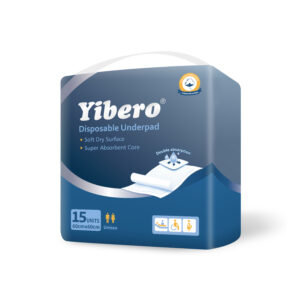
Одноразовые прокладки, often known by the genericized trademark "Chux," are the epitome of convenience (NorthShore Care Supply, 2022). Their appeal is straightforward: use it, and then throw it away. This makes them an incredibly practical choice in many scenarios.
- Hygiene and Infection Control: In a clinical setting or when caring for someone with a compromised immune system, the single-use nature of disposable pads helps to minimize the risk of cross-contamination. There's no need to handle heavily soiled laundry.
- Convenience and Time Savings: For busy caregivers, the ability to simply dispose of a used pad saves significant time and effort that would otherwise be spent on laundering. There's no pre-rinsing, washing, or drying.
- Путешествовать: Disposables are perfect for travel. They are lightweight, compressed for packing, and can be easily discarded on the go, allowing individuals to maintain their protection routine without needing access to laundry facilities.
- Performance Technology: The disposable format is where most of the innovation in absorbency, like advanced SAP cores and odor control, is concentrated. You can find a vast range of high-quality incontinence underpads designed for specific needs.
Однако, this convenience comes at a cost. The cumulative expense of daily use can be substantial over time, and the environmental impact is significant, contributing a large volume of waste to landfills (Graham-Nye, 2025).
The Argument for Washable (Многоразовый) Прокладки
Washable underpads represent a more traditional, sustainable approach. Made from durable, multi-layered fabrics, they are designed to be laundered and reused hundreds of times.
- Экономическая эффективность: Although the initial purchase price of a washable underpad is much higher than a single disposable one, it becomes far more economical over the long term. After a certain number of uses (often around 50-100), the pad has effectively "paid for itself" compared to the cost of buying disposables.
- Environmental Sustainability: The most compelling argument for reusables is the reduction in waste. Choosing washable pads dramatically lessens one's contribution to landfills, which is a growing concern for many consumers and governments (The Scottish Government, 2024).
- Комфорт: Many users find washable pads to be significantly more comfortable. The top layer is often made of soft cotton or a polyester blend that feels more like actual bedding than a non-woven disposable. They are also quieter and less prone to crinkling.
- Долговечность: High-quality reusable pads are built to last. They often have a durable, quilted construction and a heavy-duty vinyl or polyurethane backing that can withstand repeated industrial-strength washing and drying cycles.
The primary drawback is the maintenance. They require a commitment to a regular laundry routine, which may not be feasible for everyone.
A Cost-Benefit Analysis Over Time
Let's perform a simple thought experiment.
- Сценарий: A person uses 3 disposable underpads per day, each costing $0.50.
- Daily Disposable Cost: 3 pads x $0.50/pad = $1.50
- Annual Disposable Cost: $1.50/day x 365 days = $547.50
Сейчас, consider the washable alternative.
- Сценарий: A person purchases a set of 4 high-quality washable underpads at $20 каждый.
- Initial Investment: 4 pads x $20/pad = $80.00
- Ongoing Costs: Minimal, consisting of water, электричество, и моющее средство для стирки.
In this simplified example, the initial investment in washable pads is paid back in less than two months. В течение года, the savings are significant, and they continue to grow over the lifespan of the pads.
| Особенность | Одноразовые подкладки | Моющийся (Многоразовый) Прокладки |
|---|---|---|
| Первоначальная стоимость | Low per unit | High per unit |
| Долгосрочная стоимость | Высокий (cumulative) | Низкий (after initial investment) |
| Удобство | Очень высокий (использовать и выбросить) | Низкий (requires laundering) |
| Воздействие на окружающую среду | Высокий (landfill waste) | Низкий (reduces waste) |
| Комфорт | Хороший (cloth-like options available) | Often Excellent (soft fabric feel) |
| Лучше всего для | Путешествовать, short-term needs, clinical settings | Home use, long-term needs, budget-conscious |
Laundering Best Practices for Reusable Pads
To ensure hygiene and maximize the lifespan of washable underpads, a proper laundering process is essential.
- Pre-Rinse: If the pad is heavily soiled, rinse it in a utility sink or with a handheld sprayer before placing it in the washing machine. This prevents heavy soil from setting.
- Стирать: Wash the pads in warm or hot water. It's often recommended to wash them separately from other clothing. Use a regular detergent. Avoid using chlorine bleach, as it can damage the waterproof backing over time. Oxygen-based bleaches are usually a safer alternative if needed.
- Extra Rinse: Adding an extra rinse cycle can help ensure all detergent and residue are removed, which is better for sensitive skin.
- Сухой: Tumble dry on a medium heat setting. Avoid very high heat, as it can cause the waterproof barrier to crack or delaminate over time. Ensure the pad is completely dry before storing or reusing it to prevent mildew growth.
Following these steps will keep your reusable pads sanitary, эффективный, and durable for many uses to come.
Advanced Features: Innovations in Modern Underpad Technology
As our understanding of incontinence care has deepened, so has the technology embedded within underpads. Manufacturers are no longer focused solely on absorption; they are engineering solutions to holistic problems like odor, pad shifting, and caregiver strain. These advanced features can transform an underpad from a simple protective sheet into an active component of a comprehensive care plan. They address the secondary consequences of incontinence, enhancing dignity, improving sleep quality, and making the physical act of caregiving safer and easier. Exploring these innovations is the final piece of the puzzle in discovering what are the best underpads for incontinence in 2025.
Odor Control Technologies
One of the most distressing aspects of incontinence for many is the management of odor. The ammonia smell from urine can be persistent and embarrassing. Modern underpads increasingly incorporate odor-control technologies directly into their absorbent cores. This isn't just a masking fragrance, which can be irritating to the skin. Вместо, they use materials that actively neutralize odor-causing bacteria. Common methods include:
- Activated Charcoal: A layer of charcoal-infused fabric within the core can adsorb odor molecules, эффективно их ловить.
- Baking Soda: Similar to its use in refrigerators, baking soda can be integrated into the core to neutralize acidic odors.
- Advanced Polymers: Some SAPs are specifically designed not only to absorb liquid but also to inhibit the growth of the bacteria that produce ammonia.
These features provide a significant boost to a user's confidence and dignity, helping to maintain a fresh and pleasant environment.
Adhesive Strips and Non-Slip Backings
A common frustration with underpads is their tendency to shift and bunch up, especially on slick surfaces or with an active user. Чтобы бороться с этим, manufacturers have developed several solutions:
- Клейкие полоски: Similar to those on sanitary napkins, some disposable underpads feature one or more adhesive strips on the backsheet. These strips allow the user to stick the pad directly to a surface—be it bedding, a chair, or even inside a pair of underwear for targeted protection. This ensures the pad stays exactly where it's needed.
- Non-Slip Backings: Many high-quality washable underpads and some premium disposables feature a "grippy," textured backsheet. This surface creates more friction than a standard smooth plastic backing, helping it stay in place on fabric surfaces like mattresses and upholstery without the need for adhesives.
These simple but effective features provide a much more reliable and "fit-and-forget" experience, reducing the need for constant readjustment.
Position-Changing and Patient-Turning Capabilities
For individuals with significant mobility challenges, being repositioned in bed is a frequent necessity to prevent pressure sores and maintain comfort. This can be physically demanding for caregivers. В ответ, some heavy-duty and bariatric underpads are now designed as dual-purpose patient-handling aids. These pads are constructed with exceptional strength and feature reinforced handles sewn directly into the sides.
These "draw sheets" or "turning pads" are strong enough to allow one or two caregivers to get a secure grip and use the pad to slide, turn, or boost a patient up in bed. This reduces the friction and shearing forces on the patient's skin and dramatically lowers the risk of back injury for the caregiver. While a specialized piece of equipment, it's a remarkable innovation that blends incontinence protection with safe patient handling, demonstrating a deep understanding of the realities of caregiving. As a provider of comprehensive one-stop hygiene solutions, ЙИБЕРО recognizes the importance of such integrated care products.
The Rise of Smart Underpads
Looking toward the future of incontinence management, we are beginning to see the integration of smart technology. "Smart" underpads are emerging that contain thin, flexible moisture sensors. These sensors can detect when the pad has become wet and send a wireless signal to a caregiver's pager, smartphone, or a central nursing station.
Преимущества глубоки. For a patient who is non-verbal or has cognitive impairments, it eliminates the need for intrusive physical checks to see if a pad is wet. It allows for immediate changing, which is optimal for skin health. In a hospital or long-term care facility, it allows staff to manage their time more efficiently, responding to alerts as they happen rather than performing scheduled checks on every resident. While still a premium and developing technology in 2025, it points to a future where incontinence care is more responsive, достойный, and data-driven.
Часто задаваемые вопросы (Часто задаваемые вопросы)
What is the difference between an underpad and a "Chux"? "Chux" is a brand name for a disposable underpad that became so popular it is now often used as a generic term for any disposable underpad, much like "Kleenex" is used for facial tissues (Комфорт Плюс Онлайн, 2024). Так, while all Chux are underpads, not all underpads are the Chux brand. The term generally refers to the disposable variety.
Как часто нужно менять подкладку? An underpad should be changed immediately after it becomes soiled with feces, or as soon as it becomes significantly wet with urine. Leaving a wet pad in place for extended periods can lead to skin irritation and breakdown. Для ночного использования, a high-absorbency pad is designed to hold more liquid, but it should still be changed first thing in the morning or if a major leak occurs.
Can underpads cause skin irritation? Да, они могут. Irritation can be caused by prolonged exposure to moisture if the pad does not wick effectively, by an allergic reaction to materials in the pad (like fragrances or latex), or by friction from a poorly fitting or bunched-up pad. Choosing a breathable, мягкий, and correctly sized pad can significantly reduce this risk.
Are underpads only for beds? Нисколько. Underpads are incredibly versatile. They are commonly used on wheelchairs, recliners, диваны, автокресла, and during patient transfers. Smaller pads can even be used on baby changing tables or for protecting surfaces during craft projects.
Can I use an underpad for my pet? Да, underpads are widely used as "puppy pads" for house-training pets or for lining the crates and beds of older, incontinent animals. They function in the same way, absorbing urine and protecting floors and bedding.
Как выбрать правильный уровень впитываемости?? Start by assessing the amount and frequency of leakage. For occasional drips, "light" is fine. For more consistent leakage or partial voids, choose "moderate." For full voids or for anyone who is bedridden, "тяжелый" или «ночью" is the safest choice. It's often best to try a small pack of a certain level before buying in bulk.
Are washable underpads sanitary? When laundered correctly, washable underpads are perfectly sanitary. Washing in warm or hot water with a good detergent, along with an extra rinse cycle, effectively removes bacteria and residue. Ensure they are completely dry before reuse to prevent any microbial growth.
Заключение
The journey to find the right incontinence solution is deeply personal, and the selection of an underpad is a foundational piece of that puzzle. Не существует единого «лучшего»" продукт, only the product that is best for you or the person you care for. The process of determining what are the best underpads for incontinence is an exercise in thoughtful consideration, balancing the technical specifications of a product with the human needs of the user.
By systematically working through the five key pillars—decoding absorbency, scrutinizing materials, mastering size and placement, weighing the disposable versus washable debate, and considering advanced features—you can move from a place of uncertainty to one of empowered choice. This framework encourages you to think not just about containment, but about comfort, здоровье кожи, достоинство, и практичность. Whether you prioritize the convenience of a disposable pad for a busy lifestyle or the sustainable comfort of a washable one for long-term home use, an informed decision is now within your grasp. В конечном счете, the right underpad is one that fades into the background, providing quiet, reliable protection that allows life to be lived with greater confidence and peace of mind.
Ссылки
Carewell. (2021, Июль 22). Disposable vs reusable underpads. Carewell's Blog. Получено из https://www.carewell.com/resources/blog/disposable-vs-reusable-underpads/
Комфорт Плюс Онлайн. (2024, Декабрь 2). Chux pads vs underpads – What are they & what's the difference? Comfort Plus Online Blog. Получено из https://www.comfortplusonline.com/blog/chux-pads-vs-underpads-what-are-they-whats-the-difference/
Graham-Nye, Дж. W.. (2025). Changing nappies: understanding the persistence of disposable nappies and evaluating the potential of compostable nappy services [Doctoral dissertation, University of Technology Sydney]. OPUS. https://opus.lib.uts.edu.au/handle/10453/183894
Krafchik, Беременный. (2023). History of diapers and diapering. Journal of The European Academy of Dermatology and Venereology, 37(С2), 5-7. https://doi.org/10.1111/jdv.18931
NorthShore Care Supply. (2022, Декабрь 12). Disposable and washable bed pads for incontinence – which ones to look out for and why you should add them to your list. NorthShore Care Blog. Получено из https://www.northshorecare.com/blog/incontinence-bed-pads-to-consider
The Scottish Government. (2024, Может 29). Многоразовые подгузники: исследовать. https://www.gov.scot/publications/research-understanding-barriers-promoting-use-reusable-nappies-scotland/pages/3/
UN Environment Programme. (2021). Single-use nappies and their alternatives: Recommendations from Life Cycle Assessments. Life Cycle Initiative.


