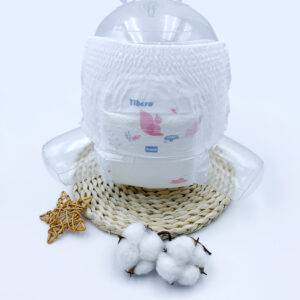
Абстрактный
Выбор подходящего детского подгузника представляет собой сложную задачу для лиц, осуществляющих уход, и специалистов по закупкам во всем мире., выходя за рамки простого сдерживания и охватывая дерматологическое здоровье, химическая безопасность, и экологические соображения. В этом документе рассматриваются многогранные критерии определения действительно здорового детского подгузника в мире. 2025 рынок. Он обеспечивает систематический анализ материалов подгузников., сосредоточив внимание на роли и потенциальных рисках сверхабсорбирующих полимеров., процессы отбеливания целлюлозы (Полностью без хлора и без элементарного хлора), и исключение добавок, таких как ароматизаторы и лосьоны.. Расследование распространяется на интерпретацию международных стандартов сертификации., такие как OEKO-TEX и различные экомаркировки, которые служат показателем безопасности и устойчивости. Более того, функциональные аспекты работы подгузников, включая показатели впитываемости, инженерия по предотвращению утечек, и воздухопроницаемость, оцениваются с точки зрения благополучия ребенка. Также учитываются эргономичный дизайн для оптимальной посадки и влияние одноразовых подгузников на жизненный цикл.. В этом всеобъемлющем руководстве синтезированы научные данные и лучшие отраслевые практики, позволяющие принимать обоснованные решения как отдельным потребителям, так и предприятиям, занимающимся крупномасштабным снабжением и разработкой продуктов по индивидуальному заказу..
Ключевые выводы
- Отдавайте предпочтение подгузникам, изготовленным без хлора. (TCF) пульпа, чтобы избежать воздействия диоксина.
- Выбирайте варианты без отдушек и лосьонов, чтобы минимизировать раздражение кожи и аллергию..
- Ищите независимые сертификаты, такие как стандарт OEKO-TEX. 100 для проверенной безопасности.
- Обеспечьте правильную посадку во избежание утечек и натирания., которые имеют решающее значение для здоровья кожи.
- Дышащая внешняя оболочка — ключевая особенность подгузника для здорового ребенка, позволяющая предотвратить сыпь..
- Оценивайте показатели впитываемости и влажности, чтобы кожа ребенка оставалась сухой и комфортной..
- Для бизнеса, проверить прозрачность поставщиков и контроль качества сырья.
Оглавление
- 1. Разбор подгузника: Состав материала и безопасность
- 2. Тест на грамотность в отношении этикеток: Расшифровка сертификатов и стандартов
- 3. Производительность под давлением: Впитывающая способность, Защита от утечек, и воздухопроницаемость
- 4. Идеальная посадка: Эргономика дизайна подгузников
- 5. Экологический след: Реалистичный взгляд на экологически чистые варианты
- 6. Глубокая кожа: Приоритет дерматологического здоровья
- 7. За пределами полки: Поиск, ОЕМ/ОДМ, и целостность цепочки поставок
- Часто задаваемые вопросы (Часто задаваемые вопросы)
- Заключение
- Ссылки
1. Разбор подгузника: Состав материала и безопасность
Современный одноразовый подгузник — чудо материаловедения, многоуровневая конструкция, предназначенная для выполнения сложной функции. Еще, для родителя или добросовестного продакт-менеджера, то, что находится внутри этих слоев, имеет огромное значение.. Погоня за здоровым подгузником для ребенка начинается не с полки магазина, а в понимании тех самых веществ, которые будут находиться в тесном контакте с нежной кожей ребенка в течение тысяч часов. Это требует изменения точки зрения, переход от потребителя готового продукта к исследователю его составных частей. Мы должны спрашивать не только “Это работает??” но “Из чего он сделан, и являются ли эти материалы безусловно безопасными?”.
Основная проблема: Впитывающая способность без вредных химикатов
В основе каждого одноразового подгузника лежит впитывающая сердцевина.. Основная функция этого ядра — отводить жидкость от кожи и удерживать ее., чтобы влажность не вызывала дискомфорта и, более серьезно, пеленочный дерматит. В течение десятилетий, эффективность этого процесса повышается, приводит к более тонкому, более впитывающие продукты. Это продвижение, однако, было обусловлено сложной химией. Центральное напряжение, затем, достигает максимальной впитывающей способности, обеспечивая при этом инертность используемых химических веществ, нетоксичный, и не обряда. Душевное спокойствие родителей зависит от уверенности в том, что решение проблемы влажности не приведет к возникновению других проблем., более коварная проблема. Материалы, выбранные для этого ядра, и для окружающих его слоев, составляют основу того, что представляет собой здоровый детский подгузник. Отсутствие вредных остатков, летучие органические соединения (ЛОС), и известные аллергены – это не роскошь; это основное требование.
Понимание суперабсорбирующих полимеров (САП)
Героем впитывающей сердцевины является суперабсорбирующий полимер., или SAP. До его широкого распространения, подгузники основывались только на объемистой пуховой целлюлозе, в результате получается толстый, менее эффективные продукты. Представьте себе крошечный, сухой кристалл, который, при контакте с жидкостью, может поглощать и удерживать вес, в сотни раз превышающий его собственный вес., превращается в гель. это САП. Химически, обычно это полиакрилат натрия. Его появление произвело революцию в индустрии подгузников..
Безопасность SAP была предметом серьезных исследований и некоторой общественной обеспокоенности., часто связано с ранним, несвязанные проблемы с тампонами в 1980-х годах. Однако, с тех пор было проведено обширное исследование. Современный, высококачественный SAP, используемый в подгузниках, представляет собой крупный полимер., это означает, что его молекулы слишком велики, чтобы впитываться через кожу. (Я ненавижу это & О’Коннор, 2021). Производственный процесс был усовершенствован, чтобы гарантировать, что концентрация любых оставшихся реагентов, например акриловая кислота, значительно ниже порогов безопасности, установленных регулирующими органами во всем мире.. При выборе подгузника для здорового ребенка, беспокойство вызывает не столько присутствие самого SAP (он почти вездесущ), сколько качество и чистота используемого SAP.. Авторитетные производители получают полимеры от авторитетных химических компаний, которые придерживаются строгих стандартов чистоты., гарантия отсутствия в конечном продукте вредных примесей. Подгузник, который кажется сухим на ощупь, даже когда он полный, является свидетельством эффективности геля SAP., который удерживает мочу и помогает поддерживать стабильный pH на поверхности кожи..
Вопрос о хлоре: TCF против. ECF Целлюлоза
Мягкий, пушистый материал, смешанный с SAP в сердцевине подгузника, представляет собой древесную массу.. Эта мякоть обеспечивает структуру и помогает быстро распределять жидкость по SAP.. Чтобы сделать эту мякоть белой, мягкий, и чистый, его надо отбелить. Метод отбеливания является важным отличием среди брендов подгузников..
Исторически, использовался газообразный элементарный хлор. Было обнаружено, что этот процесс приводит к образованию диоксинов в качестве побочного продукта.. Диоксины представляют собой группу высокотоксичных и стойких загрязнителей окружающей среды, которые могут накапливаться в организме и вызывать ряд проблем со здоровьем.. В ответ на эти опасения, отрасль отошла от этого метода.
Сейчас используются две основные альтернативы.:
- Элементный без хлора (ECF): В этом методе вместо элементарного газообразного хлора используется диоксид хлора.. Он резко снижает образование диоксинов, но не устраняет их полностью.. Регулирующие органы обычно считают следовые уровни безопасными., ECF — наиболее распространенный метод отбеливания, используемый сегодня в бумажной и подгузной промышленности..
- Полностью без хлора (TCF): Этот метод позволяет избежать любого типа хлора или соединений на его основе.. Вместо, он использует кислород, озон, или перекись водорода для процесса отбеливания. Обработка TCF гарантирует, что диоксины не образуются в качестве побочного продукта..
Для тех, кто ищет высочайший стандарт здорового детского подгузника, TCF является предпочтительным выбором. Хотя риск, связанный с присутствием следов диоксинов в подгузниках ECF, многими регулирующими органами считается минимальным., метод TCF обеспечивает больший запас безопасности и демонстрирует стремление производителя устранить потенциальные источники вредных химических веществ.. Это также несет значительную экологическую выгоду., поскольку он предотвращает попадание хлорированных соединений в водные пути с целлюлозного завода.
Избегайте ароматов, Лосьоны, и красители
Стремясь апеллировать к чувствам потребителя, многие бренды подгузников добавляют ароматизаторы, лосьоны, или напечатайте красочные рисунки. Хотя это может показаться безобидными дополнениями, они могут быть источником серьезных проблем для младенцев.
- Ароматы: Термин “аромат” или “духи” в списке ингредиентов может скрываться сложная смесь десятков или даже сотен химических веществ.. Эти составы часто охраняются как коммерческая тайна.. Многие из этих компонентов ароматов являются известными аллергенами или сенсибилизаторами., которые могут вызвать кожные реакции или даже проблемы с дыханием у чувствительных детей. (Стейнеманн, 2017). Задача подгузника — утилизировать отходы, не действовать как освежитель воздуха. По-настоящему здоровый детский подгузник не должен содержать никаких дополнительных запахов..
- Лосьоны: Некоторые подгузники покрыты тонким слоем лосьона., часто содержит такие ингредиенты, как вазелин или минеральное масло.. Заявленная цель — защитить кожу ребенка.. Однако, эти лосьоны также могут содержать аллергены или ненужные химические вещества.. Более того, они могут помешать основной функции подгузника – отводу влаги., потенциально удерживает влагу на коже. Лучший подход — сохранять материал подгузников чистым и позволять родителям при необходимости наносить защитный крем по своему выбору..
- Красители: Красочные узоры на внешней стороне подгузника являются обычным явлением.. Хотя большинство авторитетных брендов используют пигменты, не содержащие тяжелых металлов и других токсичных веществ., используемые красители все еще могут быть источником раздражения для некоторых детей с повышенной чувствительностью.. Линия индикатора влажности, который меняет цвет при намокании, является функциональным красителем и обычно считается безопасным, поскольку не допускает прямого контакта с кожей.. Однако, для самого минималистичного и гипоаллергенного варианта, подгузник без каких-либо рисунков, кроме индикатора влажности, является самым безопасным выбором..
| Химические/добавки | Общая цель подгузников | Потенциальная проблема со здоровьем | Рекомендация |
|---|---|---|---|
| Фталаты | Размягчение пластмасс, носитель аромата | Эндокринные нарушения, проблемы развития | Избегать. Выбирайте сертифицированную продукцию без фталатов.. |
| Аромат (Парфюм) | Маскировка запахов, потребительская привлекательность | Аллергия, сенсибилизация кожи, раздражение дыхательных путей | Избегать. Выбирайте подгузники без запаха.. |
| Диоксины/фураны | Побочный продукт хлорного отбеливания | Канцерогенный, вред репродуктивной функции и развитию | Выбирайте «полностью без хлора» (TCF) мякоть. |
| Лосьоны/Кремы | Кондиционирование кожи | Может содержать аллергены, может задерживать влагу | Избегать. При необходимости нанесите защитный крем отдельно.. |
| Дисперсные красители | Цветные узоры и рисунки | Аллергический контактный дерматит у чувствительных людей | Отдавайте предпочтение подгузникам с минимальными декоративными принтами или без них.. |
| Свинец/Тяжелые металлы | Загрязнение в чернилах или сырье | Нейротоксичность, задержка развития | Обеспечить проведение испытаний производителя на содержание тяжелых металлов.. |
2. Тест на грамотность в отношении этикеток: Расшифровка сертификатов и стандартов
На переполненном рынке, наполненном неоднозначными терминами, такими как “естественный,” “чистый,” и “нежный,” потребитель часто остается в замешательстве. Эти маркетинговые слова не имеют регламентированного определения.. Как, затем, можно ли объективно проверить заявления производителя? Ответ кроется в независимых, сторонние сертификаты. Эти программы предоставляют стандартизированный, поддающийся проверке эталон безопасности и, в некоторых случаях, экологические показатели. Научиться читать и понимать эти этикетки — это все равно, что изучать новый язык — язык целостности продукта.. Он превращает вас из пассивного получателя маркетинговых сообщений в уполномоченного судью качества продукта..
Глобальные стандарты: ОЭКО-ТЕКС, Северный лебедь, Экомаркировка ЕС
Не все сертификаты одинаковы. Некоторые из них более строгие и всеобъемлющие, чем другие.. Для тех, кто ищет или покупает подгузники на рынках по всей Европе., Азия, и Америки, знакомство с несколькими ключевыми международными стандартами неоценимо.
- Стандарт ОЭКО-ТЕКС 100: Это один из наиболее признанных и надежных сертификатов для текстиля и, в расширении, для нетканых материалов, используемых в подгузниках. Если подгузник сертифицирован по стандарту 100, это означает, что каждый компонент — от верхнего листа до впитывающей сердцевины и застежек — был протестирован и признан свободным от длинного списка вредных веществ.. В этот список вошли запрещенные азокрасители., формальдегид, фталаты, тяжелые металлы, и пестициды. Тестирование проводится независимыми институтами-партнерами.. Для здорового детского подгузника, в “Класс продукта I” сертификация является наиболее актуальной, поскольку он имеет самые строгие ограничения, предназначен для статей, имеющих прямое, обширный контакт кожи с младенцами и детьми ясельного возраста.
- Экомаркировка Nordic Swan: Это официальная экомаркировка стран Северной Европы.. Это требует целостного, подход жизненного цикла. Чтобы получить Северного лебедя, подгузник должен отвечать строгим требованиям не только к используемым химикатам, но и к его воздействию на окружающую среду во время производства, а также к его характеристикам и качеству.. Запрещается использование лосьонов и парфюмерии., устанавливает строгие ограничения на отходы с завода, и требует, чтобы определенный процент материалов был получен из возобновляемых источников.. Подгузники с этой этикеткой прошли высокую планку ответственности за здоровье и окружающую среду..
- Экомаркировка ЕС: Похож на Северного лебедя., Экомаркировка ЕС — это добровольная программа, которая сертифицирует продукцию с меньшим воздействием на окружающую среду.. Для подгузников, сюда входят критерии, связанные с поиском сырья (содействие устойчивому управлению лесами для производства целлюлозы), ограничения на опасные вещества, и снижение энергопотребления и выбросов в процессе производства. Он также устанавливает минимальные стандарты производительности для обеспечения “эко” продукт действительно работает хорошо.
Эти сертификаты обеспечивают уровень гарантии, выходящий за рамки собственного маркетинга компании.. Они представляют собой приверженность прозрачности и готовность нести ответственность перед общественностью., строгий стандарт.
Гипоаллергенно и дерматологически протестировано.: Что это значит?
На упаковке подгузников часто встречаются две фразы.: “гипоаллергенный” и “дерматологически протестировано.” Они звучат обнадеживающе, но их значение может быть неточным.
- Гипоаллергенный: Этот термин предполагает, что продукт с меньшей вероятностью вызовет аллергическую реакцию.. Однако, во многих регионах, включая США, не существует федеральных стандартов или определений, регулирующих использование этого термина.. Компания теоретически может назвать свой продукт гипоаллергенным без каких-либо подтверждающих доказательств.. Более осмысленная интерпретация заключается в том, что производитель намеренно избегал распространенных аллергенов., например, ароматы, латекс, и некоторые красители. По-настоящему гипоаллергенный подгузник для здорового ребенка — это тот, который не содержит этих известных раздражителей..
- Дерматологически протестировано: Эта фраза указывает на то, что продукт протестирован на коже человека., обычно под наблюдением дерматолога, оценить его способность вызывать раздражение. Распространенным методом является патч-тест на повторное оскорбление человека. (ХРИПТ), где материалы продукта наносятся на кожу добровольцев на определенный период времени для проверки реакции. Хотя это тестирование добавляет уровень уверенности, строгость теста может варьироваться. Надежное тестирование, проведенное сторонними лабораториями, обеспечивает больше доверия, чем внутреннее тестирование.. Когда вы увидите это утверждение, это положительный знак, но оно имеет больший вес в сочетании с другими доказательствами, например, полное раскрытие ингредиентов и сертификация TCF или OEKO-TEX..
Навигация “Зеленый” Претензии: Биоразлагаемый против. Компостируемый
По мере роста экологического сознания, многие бренды продают свои подгузники как “экологически чистый.” Два термина, которые часто вызывают путаницу: “биоразлагаемый” и “компостируемый.”
- Биоразлагаемый: Это просто означает, что материал может со временем разрушаться микроорганизмами.. Проблема в том, что почти все биоразлагаемо., если дать достаточно времени - даже тысячи лет. Без конкретных сроков и набора условий, этот термин функционально бессмысленен. А “биоразлагаемый” подгузник, выброшенный на обычную свалку, не сломается по назначению. Современные свалки спроектированы так, чтобы быть герметичными и сухими, чтобы предотвратить вымывание загрязняющих веществ., это означает, что они мумифицируют отходы, а не позволяют им разлагаться..
- Компостируемый: Это гораздо более конкретный и регламентированный термин.. Компостируемый продукт должен иметь возможность распадаться на природные элементы в компостной среде в течение определенного периода времени. (НАПРИМЕР., 90 дни на промышленном объекте), не оставляя токсичных остатков. Однако, очень немногие муниципалитеты имеют промышленные предприятия по компостированию, которые принимают отходы подгузников.. Так, даже сертифицированный компостируемый подгузник, скорее всего, окажется на свалке., где невозможно правильно компостировать.
Хотя намерение выбрать растительное или “биоразлагаемый” подгузники это достойно восхищения, очень важно иметь реалистичные ожидания. Истинная экологическая польза от этих продуктов часто заключается больше в их производстве — использовании возобновляемых ресурсов, таких как бамбук или кукурузный крахмал, для некоторых компонентов — чем в их утилизации по окончании срока службы.. Сосредоточение внимания на подгузниках, изготовленных из целлюлозы TCF, полученной из экологически чистых источников, и производимых на фабриках, которые сводят к минимуму отходы и потребление энергии, может иметь более поддающийся проверке положительный эффект, чем сосредоточение внимания только на биоразлагаемости..
3. Производительность под давлением: Впитывающая способность, Защита от утечек, и воздухопроницаемость
За химическим составом и сертификатами кроется практическая реальность ежедневного использования подгузников.. Подгузник может быть изготовлен из самых чистых материалов на земле, но если оно протечет, не может сохранить кожу сухой, или вызывает раздражение, он не выполняет свою цель. Разработка современных одноразовых подгузников — это тонкий баланс гидродинамики., материаловедение, и эргономика. Превосходный подгузник для здорового ребенка должен отличаться в трех ключевых областях.: быстро впитывающаяся жидкость, надежно удерживая его, и позволяя воздуху циркулировать, чтобы сохранить кожу здоровой.
Наука индикации влажности
Простая, но гениальная особенность многих современных подгузников — индикатор влажности.. Обычно это желтая линия или рисунок, напечатанный на внешней стороне подгузника, который становится синим при контакте с мочой.. Эта технология избавляет родителей от догадок, позволяя им узнать, когда необходима смена, без необходимости открывать подгузник. Это не просто удобство; это инструмент для укрепления здоровья кожи. Обеспечивая своевременные изменения, помогает минимизировать продолжительность контакта кожи с раздражителями в моче и кале..
Как это работает? Индикатор представляет собой pH-чувствительный краситель.. Моча обычно от слегка кислой до нейтральной., но при воздействии воздуха и бактерий, его pH может измениться. Краситель разработан таким образом, чтобы менять цвет в ответ на присутствие влаги и связанное с этим изменение pH.. Сам краситель наносится таким образом, чтобы не контактировать напрямую с кожей ребенка., будучи внедренным в нетканый внешний слой. Для родителей новорожденных, которые часто мочатся небольшими порциями., надежный индикатор влажности — бесценная функция, обеспечение того, чтобы ребенок оставался сухим.
Инжиниринг для предотвращения утечек: Манжеты, Пояса, и основной дизайн
А “задуть” это кошмар каждого родителя. Предотвращение утечек, особенно взрывной тип, распространенный у детей, находящихся на грудном вскармливании., является основной задачей проектирования. Эффективное предотвращение утечек — это не какая-то одна функция, а система компонентов, работающих согласованно..
- Манжеты для ног (Собирает): Качественные подгузники имеют двойную систему манжет.. Имеется внутренняя манжета, которая мягко обхватывает ногу ребенка, образуя первичное уплотнение., и внешний, более гофрированная манжета, обеспечивающая вторую линию защиты. Эти манжеты должны быть сделаны из мягкого материала., гибкий материал, позволяющий избежать натирания, сохраняя при этом эффективный барьер.
- пояс: Эластичный, очень важно хорошо прилегать к поясу сзади подгузника.. Он должен адаптироваться к движениям ребенка – сидению., ползать, скручивание - чтобы не зиять сзади, что является частой причиной утечек. В некоторых моделях используется эластичная лента., в то время как другие растягивают всю заднюю панель для более надежной фиксации., удобная посадка.
- Впитывающая сердцевина: Форма и состав самого ядра играют роль. Хорошо спроектированная сердцевина будет иметь систему каналов для быстрого распределения жидкости по подгузнику., вместо того, чтобы позволять ему собираться в одном месте. Такое быстрое распределение использует всю мощность SAP и предотвращает перегрузку одной области., что может привести к утечкам под давлением (например, когда ребенок садится). Сердечник также должен сохранять свою структурную целостность во влажном состоянии., сопротивление слипанию или разрыву, которые могут создать слабые места.
При оценке подгузника для здорового ребенка на предмет защиты от протекания, надо смотреть на это как на целостную систему. Сочетание мягких, эффективные манжеты, безопасный и гибкий пояс, а быстрораспределяющее ядро — это то, что обеспечивает надежное сдерживание и душевное спокойствие..
Воздухопроницаемость: Ключевой фактор в предотвращении опрелостей
Возможно, одним из наиболее игнорируемых, но значительных достижений в технологии подгузников является разработка дышащих материалов.. Распространенным заблуждением является то, что подгузник должен быть полностью водонепроницаемым, чтобы предотвратить протекание.. На самом деле, лучшие конструкции водонепроницаемы для жидкостей, но проницаемы для пара..
Думайте об этом как о современном высокопроизводительном дождевике.. Это защищает от дождя, но это позволяет вашему поту испаряться, поэтому вы не станете липкими и холодными. Дышащий подгузник действует по аналогичному принципу.. Внешнее покрытие изготовлено из микропористого нетканого материала.. Поры слишком малы для молекул воды. (жидкость) пройти через, но достаточно большой для водяного пара (воздух и влага) убежать.
Этот воздушный поток имеет основополагающее значение для здоровья кожи.. Это помогает снизить температуру и влажность внутри подгузника, создание менее благоприятной среды для размножения бактерий и дрожжей, способствующих возникновению опрелостей (Адам, 2017). Подгузник, который удерживает тепло и влагу, может быстро вызвать раздражение., Красная кожа. Дышащая внешняя оболочка помогает поддерживать более сбалансированный микроклимат по отношению к коже., сохраняя его более сухим и здоровым. Когда ты чувствуешь снаружи полную, качественный подгузник, на ощупь он может быть слегка влажным. Это не признак утечки; это признак того, что подгузник выполняет свою работу и дышит, позволяя выходить лишней влажности.
| Особенность | Подгузник для новорожденных (Размер 1-2) | Активный подгузник для малышей (Размер 4-6) |
|---|---|---|
| Первичная потребность | Нежные материалы, высокочастотные изменения | Высокая впитываемость, Гибкость, долговечность |
| Вырез/Форма | Вырез/вырез пуповины | Более высокий рост, больше охвата сзади |
| Впитывающая способность | Быстрое всасывание при жидком стуле | Высокая общая производительность для больших пустот |
| Система крепления | Мягкий, повторно застегиваемые вкладки | Сильный, безопасные вкладки, которые противостоят малышам’ попытки отменить их |
| Утечка | Мягкий, нежные манжеты для тонких ног | Крепкий, манжеты с двойной ластовицей для активных движений ног |
| Соответствовать | Плотно, но нежно подходит для спящего/менее активного ребенка. | Очень гибкая талия и бока для ползания, ходьба, восхождение |
| Переход | Традиционный подгузник с лентой | Может перейти на удобные в использовании трусики-подгузники для приучения к горшку |
4. Идеальная посадка: Эргономика дизайна подгузников
Эффективность подгузников определяется не только их материалами.. Физический дизайн, его эргономика, играет столь же важную роль. Подгузник, технически превосходящий по своей впитывающей способности и химической безопасности, все равно может выйти из строя, если он не соответствует уникальным контурам тела ребенка.. Плохая посадка приводит не только к протечкам, но и к дискомфорту., раздражение, и красные пятна на коже. Достижение идеальной посадки — динамичная задача, поскольку форма тела ребенка резко меняется от хрупкой стадии новорожденности к крепкой, активный детский возраст. По-настоящему здоровый детский подгузник должен функционировать как вторая кожа., перемещение вместе с ребенком и обеспечение надежной защиты без стеснения.
Выбор размера помимо веса: Учитываем форму тела
В каждой упаковке подгузников указан весовой диапазон., например, 12-18 фунты для размера 3. Это полезная отправная точка, но это только ориентир. Младенцы, как взрослые, бывают всех форм и размеров. Один ребенок в 15 фунты могут быть длинными и стройными, а другой невысокий и пухлый. Подгузники одинакового размера не подойдут им одинаково хорошо..
Если полагаться исключительно на таблицу веса, это может привести к разочарованию.. Более тонкий подход — наблюдать за посадкой на ребенке.:
- вокруг ног: Манжеты для ног должны располагаться в складке паха ребенка., как шов нижнего белья. Если есть пробелы, подгузник, вероятно, слишком большой, создание пути для утечек. Если манжеты впиваются и оставляют темно-красные следы, подгузник слишком мал.
- вокруг талии: Между подгузником и животом ребенка должно быть удобно помещаться два пальца.. Если он плотнее, это может быть неудобно. Если он более свободный, подгузник может провисать, когда он полный, особенно сзади.
- Общий охват: Подгузник должен подниматься на нужную высоту на спине ребенка, чтобы обеспечить адекватное покрытие.. Если это больше похоже на бикини с низкой посадкой, пришло время оценить.
Частые протекания или постоянные красные пятна — самые явные признаки того, что вам нужно пересмотреть размер или даже марку подгузников., так как разные бренды имеют немного разный крой.
Роль растягивающихся бортов и систем крепления
Способность подгузника адаптироваться к форме и движениям ребенка во многом зависит от его эластичных компонентов и способа крепления..
- Растягивающиеся бока/уши: Высококачественные подгузники имеют эластичные боковые панели или “уши” где крепятся язычки крепления. Это важная функция для комфортного, Пользовательский подход. Эта эластичность позволяет подгузнику соответствовать талии ребенка, не ограничивая его.. Он вмещает полный живот после кормления и обеспечивает свободу движений, пока ребенок шевелится и играет.. Подгузники без эластичных боковин труднее правильно надеть, и они с большей вероятностью либо будут слишком тесными, либо провиснут и протекут..
- Крепежные вкладки: Петли, фиксирующие подгузник, должны быть достаточно прочными, чтобы оставаться на месте, но в то же время гибкими.. Современные вкладки часто предназначены для повторного застегивания., позволяя родителям проверить подгузник или отрегулировать его размер без необходимости покупать новый. The “зона приземления” места крепления выступов должны быть достаточно широкими, чтобы обеспечить значительный диапазон регулировки., размещение детей разной ширины в одном размерном диапазоне. Материалы, используемые для вкладок и зоны приземления, должны быть мягкими, чтобы не поцарапать чувствительную кожу ребенка..
Взаимодействие между эластичными сторонами и системой крепления обеспечивает герметичность на 360 градусов.. Это позволяет подгузнику повторять контуры тела., Движение и сгибание с ребенком, в чем суть хорошего эргономичного дизайна подгузников для здорового ребенка.
Переход на подгузники: Когда и почему
Как дети вырастают в малышей, появляется новый вызов: смена подгузников превратилась в борьбу. Активный, любопытному малышу не хватает терпения лежать неподвижно. Это этап, когда подгузники-штаны, также известные как подтягивания или тренировочные штаны, стать бесценным инструментом.
Брюки-подгузники предназначены для надевания и снятия, как нижнее белье, но обладают впитывающей способностью подгузника.. Обычно они имеют полностью эластичную талию и отрывные боковые стороны, чтобы их можно было легко снять в случае загрязнения.. Переход на подгузники не продиктован конкретным возрастом или весом., но от стадии развития и поведения ребенка.
Признаки того, что, возможно, пришло время переключиться:
- The “Аллигатор Ролл”: Если ваш ребенок постоянно переворачивается и пытается уползти во время перемен, что делает практически невозможным защиту традиционных вкладок.
- Постоянные изменения: Подгузники можно надевать, пока ребенок стоит., с малышом это зачастую гораздо проще и быстрее.
- Интерес к приучению к горшку: Хотя и не исключительно для приучения к горшку, они помогают представить концепцию подтягивания штанов вверх и вниз, это ключевой навык. Они дают малышу чувство независимости и самостоятельности. “большой ребенок.”
Высокое качество брюки-подгузники с подтяжками предлагают те же основные технологии, что и их ленточные аналоги — высокоабсорбирующую сердцевину., дышащие материалы, и превосходная защита от протечек, но в форм-факторе, который лучше подходит для мобильности и растущей независимости малыша.. Они представляют собой ключевой продукт в комплексной системе подгузников., адаптация к меняющимся потребностям ребенка с младенчества до периода приучения к горшку.
5. Экологический след: Реалистичный взгляд на экологически чистые варианты
Выбор подгузника происходит не на пустом месте.. В нашу нынешнюю эпоху, осознание нашего воздействия на окружающую среду правильно влияет на наши потребительские решения. Одинокий ребенок использует тысячи одноразовых подгузников перед приучением к горшку., коллективный экологический ущерб значителен. Это привело к росту спроса на “экологически чистый” или “зеленый” подгузники. Однако, как мы видели, это пространство заполнено запутанными утверждениями. Ответственное изучение воздействия подгузников на окружающую среду требует детального подхода., перспектива жизненного цикла — от поиска сырья до неизбежной утилизации.. Цель состоит в том, чтобы сделать выбор, который действительно будет лучше для планеты, не ставя под угрозу здоровье и безопасность ребенка..
Жизненный цикл одноразового подгузника
Понять влияние подгузников на окружающую среду, мы должны рассмотреть весь его путь:
- Приобретение сырья: Это включает в себя заготовку деревьев для получения древесной массы., добыча нефти для пластмасс (например, полипропилен для подкладки и полиэтилен для заднего листа.) и SAP, и выращивание таких культур, как кукуруза или бамбук, для получения растительных альтернатив.. Каждый из них имеет экологические издержки с точки зрения землепользования., потребление воды, и энергия.
- Производство: Сырье обрабатывается и собирается в подгузник.. На этом этапе потребляется значительное количество энергии и воды.. Тип используемой энергии (возобновляемое или ископаемое топливо) а эффективность фабрики и методы управления отходами являются основными факторами. Например, Процесс отбеливания целлюлозы TCF не только лучше с точки зрения химической безопасности, но и оказывает меньшее воздействие на окружающую среду на водные пути по сравнению с ECF..
- Распределение: Подгузники упаковываются и отправляются с завода на склады, а затем розничным продавцам или напрямую потребителям по всему миру.. Это способствует уменьшению выбросов углекислого газа при транспортировке..
- Использовать: Этот этап оказывает минимальное прямое воздействие на окружающую среду., хотя ресурсы, используемые при смене подгузников (например, влажные салфетки) добавить к общему размеру.
- Утилизация: Это самый видимый и проблемный этап.. Подавляющее большинство одноразовых подгузников оказывается на свалках. В США. один, миллиарды подгузников выбрасываются ежегодно, составляющие значительную часть неперерабатываемых твердых бытовых отходов. Как обсуждалось ранее, они не разлагаются эффективно в этой среде.
По-настоящему экологически сознательный бренд подгузников учитывает каждый из этих этапов.. Они используют экологически чистые материалы. (НАПРИМЕР., целлюлоза из лесов, сертифицированная Лесным попечительским советом – Фс), снабжать свои заводы возобновляемой энергией, минимизировать упаковку, и прозрачно сообщают об ограничениях продукта по окончании срока его службы..
Растительные материалы: Преимущества и ограничения
Основной тенденцией на рынке экологически чистых подгузников является использование “Растительный” материалы. Это может означать несколько вещей. Древесная масса в большинстве подгузников уже имеет растительное происхождение.. Этот термин обычно относится к замене пластиков на основе нефти биопластиками.. Например, верхний или нижний лист могут быть изготовлены из полимолочной кислоты. (Плата), пластик, полученный из кукурузного крахмала или сахарного тростника. Некоторые бренды используют бамбуковые волокна для изготовления верхних и задних листов..
Основное преимущество использования этих материалов заключается в том, что они получены из возобновляемого ресурса., снижение зависимости от ископаемого топлива. Выращивание этих растений также может поглощать углекислый газ из атмосферы..
Однако, существуют важные ограничения, которые следует учитывать:
- Нет 100% растительного происхождения: Сегодня на рынке нет одноразовых подгузников. 100% растительного происхождения или 100% биоразлагаемый. Супервпитывающий полимер (САП) а резинки на манжетах и поясе по-прежнему изготовлены из синтетических материалов, полученных из нефти.. Они необходимы для производительности, и в настоящее время не существует жизнеспособной биоальтернативы в больших масштабах.. Бренды, которые претендуют на звание “100% Растительный” часто имеют в виду только определенные слои подгузника, что может ввести в заблуждение.
- Сельскохозяйственное воздействие: Для выращивания таких культур, как кукуруза или бамбук для изготовления подгузников, нужна земля., вода, а иногда пестициды и удобрения, которые имеют свой собственный экологический след.
- Проблемы с утилизацией: Как уже упоминалось, даже если компонент технически биоразлагаем или компостируем., он не разложится должным образом на свалке.
Несмотря на эти ограничения, переход к использованию более возобновляемых материалов является положительным шагом. Это подталкивает отрасль к инновациям и снижает общее потребление ограниченных ресурсов.. При выборе подгузника для здорового ребенка с экосертификатами, стремитесь к прозрачности в отношении того, какие компоненты имеют растительное происхождение, и к таким сертификатам, как FSC для древесной массы..
Роль ответственного снабжения и производства
Возможно, наиболее существенным и поддающимся проверке способом, которым производитель подгузников может снизить свое воздействие на окружающую среду, является использование методов закупок и производства.. Это область, в которой бизнес-поставщик продуктов имеет значительные рычаги воздействия..
- Целлюлоза, полученная из экологически чистых источников: Использование целлюлозы TCF из лесов, сертифицированных FSC, гарантирует, что древесина заготавливается экологически и социально ответственным способом..
- Энергоэффективность и возобновляемые источники энергии: Производители могут инвестировать в энергоэффективное оборудование и снабжать свои предприятия солнечной энергией., ветер, или другие возобновляемые источники энергии. Это напрямую снижает выбросы углекислого газа от каждого произведенного подгузника..
- Управление отходами и водными ресурсами: Ответственные заводы внедряют системы, позволяющие сократить потребление воды., очищать сточные воды перед сбросом, и минимизировать количество отходов производства, отправляемых на свалки.
- Упаковка: Использование минимального количества упаковки, изготовленной из переработанных и/или пригодных для вторичной переработки материалов, также снижает нагрузку на окружающую среду..
Эти закулисные факторы могут быть не так заметны, как “Растительный” этикетка на упаковке, но они представляют собой глубокую приверженность устойчивому развитию, имеющую ощутимый эффект., положительный эффект. Компания, которая прозрачна в отношении своих производственных процессов и имеет такие сертификаты, как ISO. 14001 (по экологическому менеджменту) демонстрирует серьезную приверженность. Это распространяется и на сопутствующие гигиенические товары., где поиск экологически чистых влажных салфеток, изготовленных из растительных волокон и не содержащих пластика, является еще одним компонентом ответственной линейки продуктов..
6. Глубокая кожа: Приоритет дерматологического здоровья
Главной проверкой здоровья детского подгузника является его взаимодействие с кожей.. Кожа ребенка тоньше, более проницаемый, и имеет более высокий pH, чем кожа взрослого человека, делая его чрезвычайно чувствительным и уязвимым для раздражения (Стаматас и др., 2010). Среда внутри подгузника — сочетание влаги, трение, и химические раздражители из мочи и фекалий – это сложная задача.. Пеленочный дерматит, или опрелости, является одним из наиболее распространенных заболеваний кожи у младенцев.. Хотя этому способствуют многие факторы, выбор подгузников играет ключевую роль в профилактике и лечении.. Приоритет дерматологического здоровья означает выбор подгузника, который активно поддерживает естественную барьерную функцию кожи..
Патофизиология пеленочного дерматита
Понимание того, что вызывает опрелости, является первым шагом к их предотвращению.. Это не отдельное заболевание, а целый спектр воспалительных реакций.. Основная причина – чрезмерная влажность..
- Чрезмерное увлажнение: Длительный контакт с влагой мочи смягчает внешний слой кожи., роговой слой. Это делает кожу более восприимчивой к повреждениям от трения..
- Трение: Постоянное трение материала подгузника об эту чрезмерно гидратированную, ослабленная кожа может привести к физическому повреждению, приводит к покраснению и шелушению.
- Раздражители: Моча и фекалии содержат химические раздражители.. Когда моча распадается, он выделяет аммиак, который повышает pH кожи. Более высокий pH еще больше ослабляет кожный барьер и активирует ферменты в кале. (протеазы и липазы) которые могут напрямую повредить клетки кожи.
- Микроорганизмы: Теплый, влажная среда подгузника — идеальная среда для размножения бактерий и грибков., особенно Candida albicans (дрожжи). Ярко-красная сыпь с сопутствующими поражениями. (небольшие красные пятна, распространяющиеся из основной сыпи) часто указывает на дрожжевую инфекцию, который требует специфического лечения.
Роль подгузника — прервать этот каскад событий.. Он должен быстро отводить влагу., минимизировать трение, и быть свободным от собственных химических раздражителей.
Закон о балансе pH: Как подгузники могут помочь или помешать
Здоровая кожа имеет естественную кислую поверхность., с pH около 5.5. Этот “кислотная мантия” является важной частью его защитного барьера, помогает защититься от вредных бактерий. Как уже упоминалось, аммиак в старой моче имеет щелочную реакцию и повышает pH кожи., разрушая этот защитный слой.
Современный, высокоэффективные подгузники помогают бороться с этим несколькими способами.:
- Быстрое поглощение: SAP в ядре быстро превращает мочу в гель., запирая его от кожи. Это не только сохраняет кожу физически более сухой, но и ограничивает распад мочевины на аммиак., помогает поддерживать более естественный pH кожи.
- Материальная чистота: Здоровый детский подгузник изготовлен из материалов, которые сами по себе pH-нейтральны и не содержат щелочных химикатов или остатков обработки..
- Воздухопроницаемость: Позволяя воздуху циркулировать, дышащий подгузник снижает влажность, что может способствовать повышению pH среды..
Некоторые подгузники продаются как имеющие “pH-балансировка” верхний лист. Хотя концепция верная, Самый эффективный способ защитить pH кожи подгузником — это просто хорошо впитывать влагу и сохранять кожу как можно более сухой.. Чем меньше контакт кожи с мочой, тем лучше он сможет сохранить свою собственную естественную, здоровая кислотность.
Выбор подгузников для чрезвычайно чувствительной или склонной к экземе кожи
Для детей с ранее существовавшими кожными заболеваниями, такими как атопический дерматит. (экзема) или те, кто просто генетически предрасположен к чувствительности, выбор подгузника еще более важен. Для этих младенцев, цель – найти минимальное, возможен нереактивный продукт.
Контрольный список подгузников для чувствительной кожи строгий.:
- Абсолютно без запаха: Это не подлежит обсуждению. Ароматизаторы являются основной причиной аллергического контактного дерматита..
- Полностью без хлора (TCF): Хотя риск от ECF низок, для самой чувствительной кожи, устранение любого потенциального воздействия хлорированных соединений является самым безопасным путем..
- Никаких лосьонов и красителей: В подгузнике не должно быть всех ненужных добавок.. Предпочтителен простой белый подгузник..
- Исключительная мягкость: Верхний слой и манжеты на ногах должны быть исключительно мягкими, чтобы свести к минимуму трение.. Такие материалы, как бамбук, могут быть очень мягкими., но качественные полипропиленовые нетканые материалы могут быть столь же бережными.
- Доказанная воздухопроницаемость: Для поддержания кожи как можно более сухой необходим хороший поток воздуха., поскольку влага может быть основным провоцирующим фактором обострения экземы..
Для этих детей, Часто методом проб и ошибок приходится искать бренд, который лучше всего переносит их кожа.. Однако, начиная с подгузника, который соответствует этим критериям, значительно увеличивает шансы на успех. Речь идет о создании максимально благоприятной среды для кожи, которая уже повреждена., позволяя ему исцелиться и сохранить свою целостность. Акцент на чистоту и мягкость является отличительной чертой подгузников, при разработке которых приоритетом является дерматологическое здоровье..
7. За пределами полки: Поиск, ОЕМ/ОДМ, и целостность цепочки поставок
Для родителя, выбор подгузника – дело личное. Для бизнеса — будь то региональный дистрибьютор, национальная розничная сеть, или стартап в сфере электронной коммерции — выбор стратегический, с последствиями для репутации бренда, лояльность клиентов, и коммерческий успех. На все более глобализированном рынке, Поиск гигиенических товаров требует сложного подхода, который выходит далеко за рамки простого сравнения цен за единицу продукции.. Это требует глубокого погружения в производственные возможности поставщика., системы контроля качества, и их способность внедрять инновации и настраивать. Обеспечение стабильных поставок высококачественного, Здоровый детский подгузник требует партнерства, основанного на прозрачности и доверии.
Для владельца бизнеса: Проверка поставщика
Выбор партнера-производителя является одним из наиболее важных решений, которые принимает компания.. Надежный поставщик – это больше, чем просто продавец; они являются продолжением вашего бренда. При проверке потенциального партнера по производству подгузников, Рассмотрим следующее:
- Сертификаты и соответствие: Имеет ли завод международно признанные сертификаты?? Ищите ISO 9001 для систем менеджмента качества, ИСО 14001 по экологическому менеджменту, и сертификаты для конкретной продукции, такие как OEKO-TEX или Nordic Swan.. Есть ли у них опыт производства продукции, соответствующей конкретным правилам ваших целевых рынков? (НАПРИМЕР., Требования FDA в США, Правила REACH в ЕС)?
- Прозрачность сырья: Надежный поставщик будет прозрачен в отношении того, откуда он получает основное сырье.. Кто поставляет SAP? Откуда у них древесная масса?, и сертифицирован ли он TCF и FSC?? Они должны иметь возможность предоставлять документацию и возможность отслеживания всей цепочки поставок..
- Процессы контроля качества: Узнайте об их контроле качества (КК) процедуры. Есть ли у них собственные лаборатории для проверки впитываемости?, скорости повторного увлажнения, и прочность материала? Проводят ли они онлайновые и автономные проверки на протяжении всего производственного процесса?? Есть ли у них системы обнаружения металлов и микробиологического тестирования?? Надежный процесс контроля качества необходим для обеспечения соответствия каждого контейнера продукта вашим спецификациям..
- Производственная мощность и надежность: Может ли поставщик удовлетворить ваши требования к объему?? Каковы сроки их производства? Есть ли у них подтвержденный опыт своевременной доставки?? Надежность завода является краеугольным камнем вашей способности обеспечивать поставки клиентам..
Ценность услуг по настройке OEM и ODM
Многие поставщики предлагают больше, чем просто продукцию собственной торговой марки.. Они предоставляют производителя оригинального оборудования (ОЕМ) и производитель оригинального дизайна (ОДМ) услуги, которые предлагают мощную гибкость для компаний, стремящихся создать свой собственный бренд..
- ОЕМ (Производитель оригинального оборудования): В этой модели, Фабрика производит продукцию по вашему конкретному дизайну и спецификациям. Вы предоставляете проект — точные материалы, основной состав, форма подгузника, дизайн упаковки, и т. д. — и они производят это для вас под вашей торговой маркой. Это дает вам полный контроль над конечным продуктом.. Вы можете создать уникальный, подгузники премиум-класса для здорового ребенка, специально разработанные с учетом потребностей вашего рынка.
- ОДМ (Оригинальный производитель дизайна): В этой модели, на фабрике уже есть существующие конструкции изделий и формы, из которых вы можете выбрать. Затем вы можете выбрать дизайн и настроить его под свой собственный брендинг., упаковка, и, возможно, некоторые незначительные модификации. Это более быстрый и экономичный способ запустить линейку продуктов., поскольку он использует существующие исследования и разработки поставщика.
Сильный поставщик предложит “универсальный” решение, предоставление экспертного руководства в ходе этого процесса. Они помогут вам выбрать подходящие материалы., разработать уникальную конфигурацию впитывающей сердцевины, разработать привлекательную упаковку, и разобраться в сложностях международной логистики. Этот совместный подход неоценим для создания дифференцированной линейки продуктов, включающей не только детские подгузники, но и сопутствующие товары, такие как подгузники для взрослых., влажные салфетки, и гигиенические салфетки, все под единым брендом. Предприятия, стремящиеся разработать полный спектр гигиенических продуктов, могут получить большую выгоду от поставщика с широкими возможностями и глубоким опытом в сфере услуг по индивидуальной настройке ODM..
Обеспечение контроля качества от сырья до конечного продукта
Целостность здорового детского подгузника зависит от самого слабого звена в его цепочке поставок.. Настоящий контроль качества – это не просто проверка готового продукта.; это философия, которая должна пронизывать весь производственный процесс, начиная с поступающего сырья.
У ведущего поставщика будет многоступенчатая система контроля качества.:
- Входной контроль материалов: Каждая партия сырья — целлюлозы, САП, нетканые материалы, эластичные материалы — должны быть проверены по прибытии, чтобы убедиться, что они соответствуют требуемым характеристикам чистоты., производительность, и безопасность еще до того, как он попадет на производственную линию.
- Процедура контроля качества (IPQC): Во время производства, автоматизированные датчики и люди-инспекторы постоянно контролируют процесс. Они проверяют такие вещи, как правильное нанесение клея., правильное размещение впитывающей сердцевины, и целостность ножных манжет. Образцы отбираются с линии через регулярные промежутки времени для тестирования производительности..
- Окончательное тестирование продукта: После того как подгузники собраны и упакованы, последний раунд испытаний проводится на статистической выборке из партии. Сюда входят тесты на скорость впитывания и емкость., повторно смачивать (насколько сухая поверхность остается под давлением), и сила табуляции.
- Прослеживаемость: Каждая коробка и пакет с подгузниками должны быть маркированы производственным кодом, позволяющим отследить их до конкретной даты., производственная линия, и даже партии используемого сырья. Это жизненно важно для обеспечения подотчетности и быстрого выявления любых потенциальных проблем..
Для бизнеса, партнерство с поставщиком, который может продемонстрировать такой уровень сквозного контроля качества, является окончательной гарантией.. Это означает, что вы можете уверенно продавать свою продукцию, зная, что они не только эффективны, но также неизменно безопасны и качественно сделаны.. Приверженность качеству обеспечивает прочное доверие потребителей и делает бренд лидером на рынке высококачественных одноразовых подгузников и других предметов первой необходимости гигиены..
Часто задаваемые вопросы (Часто задаваемые вопросы)
1. Всегда ли более дорогие подгузники лучше и полезнее для здоровья??
Не обязательно. Хотя более высокая цена иногда может коррелировать с премиальными функциями, такими как целлюлоза TCF., растительные материалы, или расширенные сертификаты, он также может отражать маркетинговые затраты или позиционирование бренда.. Важнейшим фактором является не цена, а конкретные материалы и особенности конструкции.. Подгузники средней ценовой категории без запаха., TCF, и с высокой впитывающей способностью может быть более здоровым выбором, чем дорогой вариант с ненужными лосьонами или плохой посадкой.. Лучше всего оценивать подгузник по критериям безопасности материала., производительность, и подходит, а не только цена.
2. Как часто нужно менять подгузник ребенку, чтобы не было сыпи?
Общая рекомендация – менять подгузник каждый раз. 2-3 часы, или сразу после дефекации. Новорожденным может потребоваться более частая смена. Цель — минимизировать время контакта кожи с влагой и раздражителями.. Использование подгузника с надежным индикатором влажности поможет вам узнать, когда необходима смена., даже для небольшого количества мочи. Своевременные изменения — одна из наиболее эффективных стратегий профилактики пеленочного дерматита..
3. В чем реальная разница между TCF (Полностью без хлора) и ЕСФ (Элементный без хлора)?
Разница заключается в отбеливающих веществах, используемых для отбеливания древесной массы в сердцевине подгузника.. ECF использует диоксид хлора, что значительно снижает образование вредных диоксинов по сравнению со старыми методами, но не устраняет их полностью.. TCF вообще не использует соединения хлора., выбор в пользу кислорода, озон, или перекись водорода вместо этого. Этот процесс не создает диоксинов в качестве побочного продукта.. Хотя регулирующие органы считают следовые уровни в продуктах ECF безопасными., TCF представляет собой более высокий стандарт чистоты и является предпочтительным выбором для тех, кто стремится устранить любой потенциальный риск., хоть и маленький.
4. Могут ли химические вещества в одноразовых подгузниках вызвать долгосрочные проблемы со здоровьем??
Это общая забота. Авторитетные производители здоровых детских подгузников избегают известных вредных химикатов, таких как фталаты., тяжелые металлы, и оловоорганические соединения. Ключевым моментом является выбор брендов, которые прозрачны в отношении своих материалов и в идеале имеют сторонние сертификаты, такие как OEKO-TEX., который проверяет длинный список вредных веществ. Наибольшие риски исторически были связаны с диоксинами, образующимися в результате хлорного отбеливания и ароматизаторов.. Выбирая подгузники TCF и без запаха., вы можете значительно смягчить эти потенциальные риски. Супервпитывающий полимер (САП) используемый сегодня, был тщательно изучен и считается безопасным, поскольку его молекулы слишком велики, чтобы впитываться кожей..
5. Что означает “гипоаллергенный” этикетка на упаковке подгузников действительно гарантирует?
Термин “гипоаллергенный” во многих частях мира строго не регулируется. Это означает, что его значение может варьироваться в зависимости от бренда.. В целом, это означает, что производитель разработал продукт так, чтобы свести к минимуму возможность возникновения аллергических реакций.. Надежный гипоаллергенный подгузник — это тот, который не содержит распространенных аллергенов, таких как ароматизаторы., лосьоны, латекс, и красители. Хотя этикетка является хорошей отправной точкой, вам всегда следует проверять это, проверяя список ингредиентов и ища “Аромат бесплатно” декларация.
Заключение
Путь к выбору по-настоящему здорового детского подгузника — это путь информированного исследования.. Это требует выхода за рамки поверхностного маркетинга и взаимодействия с продуктом на более глубоком уровне — понимания его материалов., подвергать сомнению его работоспособность, и проверка заявлений о безопасности. Современный одноразовый подгузник – сложное изделие., но принципы здорового выбора просты: чистота материалов, превосходство в исполнении, и дизайн, учитывающий нежную природу кожи младенца.. Отдавая приоритет таким функциям, как целлюлоза TCF., состав без запаха, доказанная воздухопроницаемость, и безопасный, удобная посадка, и родители, и коммерческие покупатели могут сделать выбор, который действительно поддерживает благополучие ребенка.. Сертификаты независимых органов служат ценным руководством в этом процессе., предлагая объективную меру приверженности производителя качеству и безопасности. В конечном счете, подгузник – это больше, чем просто удобство; это продукт медицинского назначения, который находится в постоянном контакте с ребенком в период его становления.. Делаем вдумчивый, осознанный выбор – это глубокая забота.
Ссылки
Адам, Ведущий. (2017). Уход за кожей зоны подгузника. Детская дерматология, 34(с1), 10–12. https://doi.org/10.1111/pde.13143
Я ненавижу это, М., & О’Коннор, Ведущий. (2021). подгузник, технология подгузников, и здоровье кожи в области подгузников. Детская дерматология, 38(С2), 29-34. https://doi.org/10.1111/pde.14373
Стаматас, Г. Н., Николовский, J., Лио, А., Мак, М. С., & Коллиас, Не. (2010). Физиология и развитие кожи младенцев в первые годы жизни.: обзор последних результатов. Международный журнал косметической науки, 32(1), 17–24. https://doi.org/10.1111/j.1468-2494.2009.00559.x
Стейнеманн, А. (2017). Ароматизированные потребительские товары: воздействия и последствия выбросов. Качество воздуха, Атмосфера & Здоровье, 10(1), 3-8. https://doi.org/10.1007/s11869-016-0442-z


