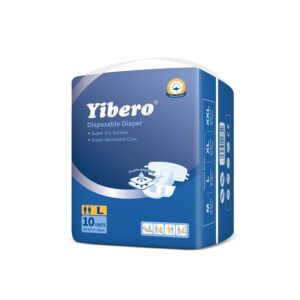
Абстрактный
Исследование о различии между “подгузники” и “подгузники” выявляет первичное языковое расхождение, коренящееся в региональных диалектах английского языка., особенно американский и британский английский, соответственно. Хотя эти термины относятся к одному и тому же функциональному объекту — впитывающей одежде для младенцев или людей, страдающих недержанием, — глобальный рыночный ландшафт представляет собой более тонкую реальность.. Этот анализ выходит за рамки простой терминологии и позволяет изучить состав материала., варианты дизайна, показатели производительности, и социально-экономические факторы, характеризующие эту продукцию. В нем исследуется эволюция от исторических методов ухода за младенцами до современных одноразовых продуктов., состоит из супервпитывающих полимеров, нетканые материалы, и системы крепления. В ходе обсуждения также рассматриваются важные аспекты окружающей среды и здоровья, связанные с различными типами продуктов., в том числе одноразовые, многоразовый, и биоразлагаемые варианты. Оценивая эти многогранные аспекты, появляется полное понимание, показывая, что хотя слова могут отличаться, лежащие в основе технологические, относящийся к окружающей среде, и проблемы потребителей повсеместно распространены на мировых рынках в 2025.
Ключевые выводы
- Основное различие между подгузниками и подгузниками заключается в региональном языке., не функция продукта.
- Понимать материаловедение, как супервпитывающие полимеры, чтобы оценить качество продукции.
- Оцените показатели производительности, такие как впитывающая способность под нагрузкой, для лучшей защиты от утечек..
- Рассмотрим полный жизненный цикл, от производства до утилизации, за воздействие на окружающую среду.
- Сотрудничайте с поставщиками, которые понимают глобальные различия в подгузниках и подгузниках..
- Прилегание и комфорт так же важны для хорошего самочувствия пользователя, как и впитывающая способность..
- Специализированные продукты существуют для разных нужд, от новорожденных до взрослых.
Оглавление
- Фундаментальное отличие: Повесть о двух англичанах
- За пределами слов: Сравнение типов и конструкций продуктов
- Наука о материалах и строительстве
- Показатели производительности: Впитывающая способность, Соответствовать, и комфорт
- Навигация по рынку: Расходы, Устойчивость, и восприятие бренда
- Часто задаваемые вопросы (Часто задаваемые вопросы)
- Заключение
- Ссылки
Фундаментальное отличие: Повесть о двух англичанах
В глубине души, вопрос о том, что отличает подгузники от подгузников – это увлекательное путешествие в лингвистику и культуру. Два слова указывают на один и тот же объект: кусок впитывающего материала, который носят младенцы, а иногда и взрослые, управлять телесными отходами. Дивергенция не является функцией, но по географии. Это простой, но глубокий пример того, как две нации, разделены общим языком, разработал отдельные словари для повседневных предметов. Понимание этого разрыва является первым шагом для любого потребителя., родитель, или бизнес, работающий в глобализированном мире.
“подгузник”: Американский стандарт
В США и Канаде, термин “подгузник” это универсальный стандарт. Его происхождение весьма интересно и говорит об истории материала.. Слово “подгузник” первоначально относился к типу ткани, в частности, льняная или хлопчатобумажная ткань, сотканная с небольшим, повторяющийся геометрический узор, часто ромбовидная форма. Этот “переплетение подгузников” сделал ткань впитывающей и мягкой, который идеально подходил для различного домашнего использования, включая, как это происходит, для обертывания младенцев. Через некоторое время, название ткани стало синонимом предмета, из которого она была создана.. Когда в середине 20 века американские компании изобрели и популяризировали одноразовые версии, термин “подгузник” естественным образом применился и закрепился в лексиконе Северной Америки.. Когда вы заходите в магазин от Калифорнии до Нью-Йорка, ты будешь искать “подгузник” ряд.
“подгузник”: Срок действия Великобритании и Содружества
Через Атлантику, в Соединенном Королевстве, а также в Ирландии, Австралия, Новая Зеландия, ЮАР, и многие другие страны Содружества, срок выбора “подгузник.” Слово “подгузник” это уменьшительная форма “салфетка.” Исторически, а “салфетка” имел более широкое значение, чем сегодня, относится к любому небольшому куску ткани, используемому для вытирания или обертывания.. Точно так же, как маленькую салфетку можно использовать за обеденным столом., кусок ткани побольше — “салфетка”— использовался для ребенка. The “-й” или “-т.е.” суффикс — распространенное ласковое или уменьшительное окончание в британском английском. (думать “животик” для желудка или “телек” для телевидения), так “салфетка” естественно сокращается до “подгузник.” Термин уютный, привычный, и глубоко укоренился в культуре этих стран. Родитель в Лондоне или Сиднее попросил бы подгузники., и просьба о подгузниках может привести к замешательству, хотя большинство поймет смысл из публикаций в американских СМИ.
Глобальный лексикон: Как термины используются в Европе, Азия, и дальше
Как только мы выйдем за пределы основной англосферы, картина становится богатой смесью заимствованных слов и местных терминов.. Во многих неанглоязычных частях Европы, американский термин “подгузник” был принят, часто с небольшими изменениями. Например, в Германии, ты можешь услышать “подгузник,” традиционный термин, но “подгузник” также понимается, особенно среди молодого поколения. В России, общее слово “podguznik” (подгузник), что примерно переводится как “под днищем.” Однако, такие торговые марки, как “Памперсы” стали настолько повсеместными, что многие люди просто используют название бренда как общий термин для обозначения продукта., классический случай обобщения.
В Юго-Восточной Азии и на Ближнем Востоке, использование смешанное. Английский часто является языком коммерции, так что оба “подгузники” и “подгузники” можно понять в деловом контексте. На потребительской упаковке, производители часто выбирают этот термин, исходя из своей основной цели экспорта.. Продукт, ориентированный на американский рынок, скажет “подгузники,” а один из Великобритании скажет “подгузники.” Для рынков Ближнего Востока или Юго-Восточной Азии, международные бренды могут использовать “подгузники” из-за доминирования американских СМИ и маркетинга, или они могут использовать двуязычную упаковку, включающую наряду с местным термином “подгузники.” Этот языковой выбор является продуманной маркетинговой стратегией..
Почему этот языковой разрыв важен для глобального бизнеса
Для случайного наблюдателя, это простая особенность языка. Для бизнеса, работающего в секторе гигиенических товаров, это важная деталь. При партнерстве с комплексным трансграничным предприятием, понимание этого различия имеет основополагающее значение для эффективного маркетинга., упаковка, и поисковая оптимизация (SEO). Веб-сайт, пытающийся продавать на рынке Великобритании, должен быть оптимизирован по ключевому слову. “подгузники,” нет “подгузники.” Упаковка продукта должна отражать местную терминологию, чтобы вызвать доверие и знакомство с потребителями.. Представьте себе, что британский родитель видит посылку с надписью “подгузники”— это может тонко сигнализировать о том, что товар импортный., возможно, не разработан специально для их рынка или не соответствует местным стандартам, даже если сам продукт идентичен. Выбор слова несет в себе коннотации местной идентичности и принадлежности., которые являются мощными силами в потребительском поведении.
За пределами слов: Сравнение типов и конструкций продуктов
Хотя имена могут меняться в зависимости от долготы., сами физические продукты делятся на несколько отдельных категорий. История этих предметов – это история инноваций., переход от простых натуральных материалов к сложным, многослойные инженерные продукты (предъявитель, 2024). Размышления об эволюции помогают нам оценить сложность современных возможностей, доступных сегодня лицам, осуществляющим уход.. Назовете ли вы их подгузниками или подгузниками, выбор между одноразовыми и многоразовыми вариантами часто является первым и наиболее важным решением, которое принимает лицо, осуществляющее уход..
Одноразовая революция: От создания к современным итерациям
Концепция одноразового подгузника — сравнительно недавнее изобретение в истории человечества.. На протяжении тысячелетий, родители использовали все, что было под рукой — шкуры животных., мох, травы, или моющаяся ткань (Nature.com). В середине 20 века появились одноразовые подгузники., продукт, который обещал удобство и гигиену. Ранние версии были простыми, состоит из прямоугольной впитывающей подушечки внутри пластиковой внешней оболочки..
Современные одноразовые подгузники — чудеса материаловедения. Магазин подгузников для взрослых созданы, чтобы быть невероятно впитывающими, комфортный, и герметичный. Они бывают самых разных размеров, от тех, что предназначены для недоношенных детей, до тех, которые предназначены для малышей, приучающихся к горшку.. Ключевые инновации включали внедрение сверхабсорбирующего полимера. (САП), эластичные манжеты на ногах, закрывающиеся вкладки, и дышащие внешние чехлы. Эти особенности превратили изделие из предмета первой необходимости в высокоэффективную одежду..
Многоразовые и тканевые варианты: Устойчивый аналог
До одноразовой революции, каждый подгузник был многоразовым. Современные многоразовые тканевые подгузники., однако, находятся вдали от простых квадратов махровой ткани и острых булавок прошлого.. Современные тканевые подгузники представлены в нескольких изысканных дизайнах.:
- Плоские и префолды: Это самые традиционные стили., состоящий из больших квадратов или прямоугольников хлопка, бамбук, или конопляная ткань, сложенная по форме и закрепленная отдельным водонепроницаемым чехлом..
- Встроенные подгузники: Они имеют форму одноразового подгузника и имеют резинку на штанинах и талии., но они полностью изготовлены из впитывающего материала и требуют отдельного водонепроницаемого чехла..
- Карманные подгузники: Они имеют водонепроницаемый внешний слой и мягкую внутреннюю подкладку., с “карман” отверстие между ними, куда помещается впитывающая вставка. Это позволяет регулировать впитываемость..
- Все-в-одном (AIO): Они больше всего похожи на одноразовые.. Впитывающие слои вшиты непосредственно в водонепроницаемую внешнюю оболочку., делая их цельной системой, которую легко надевать и снимать..
Выбор в пользу многоразовых подгузников часто обусловлен двумя основными факторами.: долгосрочная экономия средств и забота об окружающей среде в отношении отходов, образующихся при использовании одноразовых предметов.
| Особенность | Одноразовые подгузники/подгузники | Многоразовый (Ткань) Подгузники/подгузники |
|---|---|---|
| Первоначальная стоимость | Низкий | Высокий |
| Долгосрочная стоимость | Высокий (постоянная покупка) | Низкий (единоразовая покупка комплекта) |
| Удобство | Высокий (утилизировать после использования) | Низкий (требует стирки, сушка, начинка) |
| Воздействие на окружающую среду | Высокий уровень мусора на свалке, ресурсоемкое производство | Меньше отходов, но большое потребление воды и энергии для стирки |
| Впитывающая способность | Очень высокий благодаря SAP | Хороший, но часто требует более частых изменений |
| Дружелюбие к путешествиям | Отличный | Испытывающий (требует носить с собой грязные вещи) |
| Чувствительность кожи | Может содержать химические вещества/ароматы, вызывающие раздражение. | Часто лучше для чувствительной кожи (натуральные волокна) |
Специализированные конструкции: Плавающие штаны, Тренировочные брюки, и продукты для лечения недержания у взрослых
Рынок развился и предлагает специализированные продукты для различных нужд..
- Плавающие штаны: Они предназначены для использования в бассейнах.. Они не являются абсорбирующими в традиционном смысле.; если бы они были, они впитают воду из бассейна и станут тяжелыми. Вместо, их цель — удержать твердые отходы, предотвращение загрязнения воды. Они имеют плотно прилегающую резинку для ног и талии и изготовлены из материала, который не набухает в воде..
- Тренировочные брюки: Когда малыш учится ходить в туалет, тренировочные штаны служат мостом между подгузниками и обычным нижним бельем.. У них меньшая впитывающая способность, чем у стандартных подгузников., что позволяет ребенку почувствовать ощущение влажности, помогая им осознать необходимость пользоваться горшком. Их также легко поднимать и опускать., продвижение независимости.
- Подгузники для взрослых/продукты для лечения недержания: Эти продукты предназначены для взрослых, страдающих недержанием мочи из-за возраста., операция, или медицинские условия. По своей сути они похожи на детские подгузники, но разработаны с учетом анатомии взрослых и имеют гораздо более высокую впитывающую способность.. На рынке представлено все: от легких колодок до полноценных “трусы” для защиты в тяжелых условиях. Когда вы исследуете трусики подгузники для взрослых продукты, вы заметите, что это разнообразие дизайна отражает глубокое понимание разнообразных потребностей потребителей..
Наука о материалах и строительстве
Чтобы по-настоящему понять суть современного одноразового подгузника или подгузника., мы должны заглянуть внутрь. Это не простой предмет, а сложный, многоуровневый продукт, каждый компонент которого разработан для конкретной задачи. Выбор этих материалов напрямую влияет на характеристики продукта., комфорт, и даже его воздействие на окружающую среду. Давайте разберем типичный одноразовый подгузник, чтобы понять, как работает наука..
Абсорбирующее ядро: Суперабсорбирующие полимеры (САП) и целлюлоза
Магия современных подгузников заключается в их впитывающей сердцевине.. Это не просто толстый комок ваты; это сложное сочетание материалов, в первую очередь распушенная целлюлоза и суперабсорбирующий полимер (САП).
- Пуховая целлюлоза: Это мягкий, пушистый материал, обычно изготавливаемый из древесной массы. Его задача – быстро приобретать и распределять жидкость., оттягивая его от кожи ребенка и распределяя по сердцевине. Думайте об этом как о сети каналов, по которым влага перемещается туда, где она может храниться..
- Супебсорбент полимер (САП): Это электростанция поглощения. SAP — это разновидность пластика., Обычно полиакрилат натрия, это приходит в виде крошечного, солеподобные кристаллы. Когда эти кристаллы вступают в контакт с жидкостью, они могут поглощать и удерживать вес, во много раз превышающий их собственный вес., превращение жидкости в стабильный гель. Вот почему использованный подгузник кажется мягким и гелеобразным., не просто мокрый. Образование геля предотвращает обратное выдавливание жидкости., даже когда ребенок сидит или двигается. Это свойство известно как “впитываемость под нагрузкой” (Аул) и является важнейшим показателем качества подгузников. (Бьюкенл, 2025). Соотношение целлюлозы и SAP является ключевым фактором при проектировании для производителей., балансировка быстрого приобретения (мякоть) с большой емкостью хранения (САП).
Внешний и внутренний слои: Воздухопроницаемость и мягкость
Слои, покрывающие впитывающую сердцевину, не менее важны для комфорта и функциональности..
- Верхний лист (Внутренний слой): Это слой, который непосредственно контактирует с кожей ребенка.. Оно должно быть мягким, комфортный, и, самое главное, позволяют жидкости быстро проходить через него во впитывающую сердцевину, оставаясь при этом сухими на ощупь. Обычно изготавливается из нетканого материала., как полипропилен, который является гидрофобным (отталкивает воду), предотвращение попадания влаги на кожу. Некоторые верхние листы также обрабатываются лосьонами или алоэ, чтобы защитить кожу..
- Задний лист (Внешний слой): Это водонепроницаемая внешняя оболочка подгузника, которая предотвращает попадание жидкости на одежду и постельное белье.. В прошлом, это был просто лист пластика (полиэтилен). Однако, Главным нововведением стала разработка “дышащий” задние листы. Они не буквально дырявые., но изготовлены из микропористой пленки. Поры слишком малы для прохождения капель воды., но достаточно большой для водяного пара (влажность) убежать. Это позволяет воздуху циркулировать, уменьшение накопления тепла и влаги внутри подгузника, что является основной причиной опрелостей.
| Компонент | Материал | Основная функция |
|---|---|---|
| Верхний лист | Нетканый полипропилен | Отводит влагу от кожи; обеспечивает мягкую поверхность. |
| Уровень сбора данных | Нетканое полотно | Быстро распределяет жидкость по впитывающей сердцевине.. |
| Впитывающая сердцевина | Распушенная целлюлоза & Супебсорбент полимер (САП) | Пульпа распределяет жидкость; SAP поглощает и фиксирует его в геле.. |
| Задний лист | Микропористая полиэтиленовая пленка | Предотвращает утечки, позволяя воздуху и парам выходить наружу. (воздухопроницаемость). |
| Манжеты для ног | Нетканый материал с эластичными нитями. | Формирует уплотнение вокруг ножек, предотвращая боковую утечку.. |
| Система крепления | Клейкие ленты и фронтальная посадочная зона | Обеспечивает плотное прилегание подгузника, регулируемая посадка. |
Системы крепления: Клеи, Ленты, и застежки-липучки
Подгузник бесполезен, если он не держится.. Система крепления значительно изменилась по сравнению с английскими булавками, которые использовались в старых тканевых подгузниках.. В современных одноразовых подгузниках используется комбинация компонентов.:
- Крепежные ленты: Это липкие язычки на задней стороне подгузника..
- Фронтальная лента (Зона приземления): Это усиленная полоска на передней части подгузника, к которой приклеиваются ленты.. Ранние подгузники имели ленты, которые можно было застегнуть только один раз.. Серьезным улучшением стала разработка закрывающихся лент и посадочных зон, которые позволяют многократно регулировать форму для идеальной посадки.. В подгузниках высокого класса часто используется механическая система «липучка». (похож на липучку), который с меньшей вероятностью потеряет липкость при контакте с детскими присыпками или кремами и мягче воздействует на кожу при случайном прикосновении.
Новые материалы: Рост количества растительных и биоразлагаемых компонентов
В ответ на растущие экологические проблемы, существует значительная тенденция к использованию более экологически чистых материалов.. Это привело к развитию “экологически чистый” или “биоразлагаемый” подгузники. Однако, эти термины могут вводить в заблуждение.
Типичный “экологически чистый” в подгузниках могут использоваться пластики растительного происхождения, такие как PLA. (Полилактановая кислота, полученный из кукурузного крахмала) для заднего листа, или бамбуковые волокна в верхнем листе. Распушенная целлюлоза может быть получена из экологически чистых лесов и не содержать хлора. (TCF) в его обработке. Хотя это позитивные шаги, основной проблемой остается сверхабсорбирующий полимер. SAP производится на основе нефти и не поддается биологическому разложению.. А “биоразлагаемый” подгузник по-прежнему будет оставлять свой компонент SAP на свалке в течение сотен лет. (Бьюкенл, 2025). Более того, чтобы любой биоразлагаемый материал разрушался, нужны особые условия (кислород, свет, микробы) которые часто отсутствуют на уплотненной свалке. Экологическая выгода сложна и не так однозначна, как может показаться в маркетинге. (ислам, 2025).
Показатели производительности: Впитывающая способность, Соответствовать, и комфорт
Когда родитель или опекун выбирает подгузник или подгузник, они неявно судят об этом по ряду критериев эффективности. Им нужен продукт, который сохранит их ребенка сухим., предотвращает утечки, и приятен для кожи. Производители используют ряд стандартизированных лабораторных тестов для измерения и рекламы этих качеств.. Понимание того, что означают эти показатели, может помочь потребителю или бизнес-покупателю увидеть прошлые маркетинговые заявления и оценить истинное качество продукта..
Измерение впитывающей способности: Что означают тесты?
Впитываемость не является единичной., простая характеристика. Это сочетание скорости, емкость, и удержание.
- Общая поглощающая способность (ТАС): Это самый простой тест. Он измеряет максимальное количество жидкости, которое подгузник может впитать, прежде чем он начнет протекать.. Хотя большое количество кажется хорошим, это еще не вся история. Подгузник может иметь огромную вместимость, но впитывать жидкость настолько медленно, что в реальной ситуации она протекает..
- Жидкое время прохождения удара (ЛСТ): Это измеряет, насколько быстро верхний слой пропускает жидкость к впитывающей сердцевине.. Более быстрое время зачеркивания означает, что кожа ребенка контактирует с влажностью в течение более короткого периода времени., что имеет решающее значение для комфорта и предотвращения сыпи. Испытание часто повторяют, чтобы увидеть, ухудшаются ли характеристики после первого или второго смачивания..
- Rewet или Frewet: Этот тест измеряет, сколько жидкости возвращается из сердцевины на верхний лист при приложении давления.. После того, как подгузник впитал жидкость, на верхний лист кладут утяжеленный кусок фильтровальной бумаги. Количество влаги, которую впитывает бумага, “rewet” ценить. Желательно низкое значение повторного смачивания., поскольку это указывает на то, что SAP эффективно удерживает жидкость в виде геля.. Это имитирует давление, которое ребенок оказывает, когда садится..
- Впитываемость под нагрузкой (Аул): Это более продвинутая версия теста повторного увлажнения.. Он измеряет способность SAP поглощать жидкость, уже находясь под давлением.. Это очень реалистичный тест производительности., поскольку дети постоянно двигаются, сидит, и лежа. Высокий AUL является сильным индикатором премии., герметичный подгузник.
Решающая роль посадки в предотвращении утечек
Подгузник может быть самым впитывающим в мире, но если он не подходит должным образом, оно будет течь. Fit – это создание нежного, но эффективного уплотнения вокруг тела ребенка.. Несколько элементов дизайна способствуют хорошей посадке.:
- Контурная форма: Современные подгузники – это не простые прямоугольники.. Они имеют форму песочных часов, зауженную в области промежности.. Это уменьшает объем между ногами., обеспечивает более комфортное движение и более плотную посадку.
- Эластичные манжеты для ног: Это, пожалуй, самая важная функция для предотвращения утечек.. Часто называют “защита от утечек,” это внутренние лоскуты ткани с эластичными прядями, которые собираются вокруг ножек ребенка., формирование барьера для сдерживания жидкого и жидкого стула. Качество и натяжение этой резинки имеют решающее значение..
- Эластичные боковые стороны и пояс: Подгузники премиум-класса часто имеют эластичные боковые панели или гибкий пояс.. Это позволяет подгузнику адаптироваться к форме и движениям ребенка – дыханию., ползать, скручивание — без создания зазоров. Это обеспечивает плотное, удобная посадка, которая движется вместе с ребенком, поддержание печати и предотвращение ужасных “сзади” задуть.
Здоровье кожи: Предотвращение опрелостей за счет выбора материала
Пеленочный дерматит, или опрелости, это общая забота родителей. В первую очередь это форма контактного дерматита, вызванная длительным воздействием влаги., трение, и раздражители в моче и кале. Дизайн и материалы подгузников играют огромную роль в смягчении этих факторов..
- Воздухопроницаемость: Как обсуждалось, воздухопроницаемый задний лист, который позволяет влаге выходить, имеет первостепенное значение. Это помогает поддерживать сухость, более здоровый микроклимат внутри подгузника, делает кожу менее восприимчивой к повреждениям.
- Производительность верхнего листа: Крайне важен верхний лист с быстрым временем прохождения и низким уровнем повторного смачивания.. Сохраняя поверхность, соприкасающуюся с кожей, как можно более сухой., минимизирует раздражение, связанное с влажностью.
- Химия и ароматизаторы: Некоторые подгузники содержат ароматизаторы., красители, или лосьоны. Хотя некоторые лосьоны могут быть полезны, ароматизаторы и другие химические вещества могут стать источником раздражения или аллергической реакции у детей с чувствительной кожей.. Многие родители выбирают “гипоаллергенный” подгузники, не содержащие этих добавок. Продолжаются исследования потенциальных рисков для здоровья, связанных с различными химическими веществами, содержащимися в некоторых подгузниках., такие как летучие органические соединения (ЛОС) или пластификаторы, хотя большинство исследований показывают, что уровни воздействия находятся в пределах допустимого безопасного диапазона. (Баба и др., 2024).
Глобальный взгляд на ожидания производительности
Интересно, Ожидаемая производительность может варьироваться в зависимости от региона. На некоторых рынках, тонкий, сдержанное прилегание под одеждой может быть приоритетом, даже за счет некоторой поглощающей способности. На других рынках, максимальная впитываемость и защита на ночь — наиболее востребованные характеристики. Успешная глобальная продуктовая стратегия часто предполагает создание разных уровней продуктов или немного отличающихся дизайнов для удовлетворения местных предпочтений., даже если основная технология останется прежней.
Навигация по рынку: Расходы, Устойчивость, и восприятие бренда
Выбор подгузника или подгузника делается не на пустом месте.. На него влияет сложная сеть экономических, относящийся к окружающей среде, и культурные факторы. Для семьи, это значительные регулярные расходы. Для общества, это представляет собой серьезную проблему управления отходами. Для бизнеса, это высококонкурентный рынок, движимый лояльностью к бренду и воспринимаемой ценностью.. Признание этих аспектов имеет важное значение для принятия действительно обоснованного решения..
Экономическое уравнение: Стоимость подгузника/подгузника в разных регионах
Для большинства семей, стоимость является основным фактором. Одноразовые подгузники представляют собой постоянную покупку в течение первых двух-трех лет жизни ребенка., составит значительную сумму. Стоимость за единицу может сильно варьироваться в зависимости от бренда., функции, размер упаковки, и регион.
- Уровни бренда: Рынок обычно сегментирован на премиальные бренды. (предлагая новейшие функции, такие как самые мягкие материалы и эластичные боковые стороны.), бренды среднего уровня (баланс производительности и цены), и частные торговые марки или бренды магазинов (ориентируясь на ценность).
- Массовые закупки: Цена за подгузник почти всегда снижается при покупке в больших количествах.. Клубы-склады и сервисы онлайн-подписки стали популярными способами управления и сокращения расходов родителей..
- Региональные цены: На окончательную цену на полке влияют местные налоги., импортные пошлины, транспортные расходы, и розничные наценки. Цена подгузника, продаваемого в крупном европейском городе, скорее всего, будет отличаться от цены того же подгузника, продаваемого в сельской местности Юго-Восточной Азии..
Для бизнеса, например, детские сады или больницы, закупки являются крупными операционными расходами. Они должны сбалансировать потребность в надежном, высокоэффективный продукт, который защищает здоровье кожи и сокращает трудозатраты (меньше изменений, меньше утечек) со строгими бюджетными ограничениями.
Экологический след: Управление завершением эксплуатации и проблемы
Удобство одноразовых подгузников сопряжено со значительными экологическими издержками.. Один ребенок может использовать тысячи подгузников, прежде чем его приучат к горшку., и подавляющее большинство из них оказывается на свалках.
- Нагрузка на свалку: Обычные одноразовые подгузники изготавливаются из смеси целлюлозы., пластик, и SAP. В анаэробной среде свалки, они могут разлагаться сотни лет. Они вносят значительный вклад в твердые бытовые отходы..
- Потребление ресурсов: Производство подгузников также ресурсозатратно., требующая древесной массы, нефть для пластмасс и SAP, и энергия для производства и транспорта.
- Проблема переработки: Переработка использованных подгузников технически возможна, но логистически и экономически очень сложна.. Этот процесс требует отделения органических отходов от пластиковых и целлюлозных компонентов.. В мире существует несколько специализированных заводов по переработке отходов., но они не распространены, это означает, что переработка не является жизнеспособным вариантом для подавляющего большинства потребителей..
- Дебаты об устойчивом развитии: Это способствовало возрождению современных тканевых подгузников.. В то время как тканевые подгузники позволяют избежать проблемы свалки (помимо их возможного конца жизни), они оказывают свое собственное воздействие на окружающую среду, связанное с водой, электричество, и моющие средства, используемые для стирки и сушки. Анализ полного жизненного цикла часто показывает, что не существует единого “лучший” экологический выбор; это зависит от таких факторов, как стирка подгузников. (НАПРИМЕР., линейная сушка против. машинная сушка, полная загрузка против. небольшие нагрузки) и углеродоемкость местной энергосистемы. Цели устойчивого развития ООН обеспечивают основу для размышлений об этих проблемах., акцентируя внимание на ответственном потреблении и производстве (Мукерджи, 2025). Утилизация одноразовых подгузников по окончании срока их эксплуатации остается важнейшей глобальной проблемой. (Альхогби, 2022).
Лояльность к бренду и маркетинг: Как компании ориентируются на разные рынки
На рынке подгузников доминируют несколько крупных мировых игроков., наряду с многочисленными местными и нишевыми брендами. Повышение лояльности к бренду является ключевым моментом. Маркетинг часто фокусируется на эмоциональных связях., подчеркивая безопасность, комфорт, и счастливый ребенок.
- Региональный маркетинг: Как обсуждалось, используемый язык (“подгузники” против. “подгузники”) это самая базовая форма локализации. Маркетинговые изображения и сообщения также адаптируются. В кампании в одной стране могут участвовать семьи, проживающие в доме или на открытом воздухе определенного типа, что соответствует местной культуре..
- Функциональный маркетинг: Бренды выделяются, подчеркивая определенные особенности.. Один бренд может позиционировать себя как самый мягкий, другой как наиболее впитывающий на ночь, и третий как лучший для чувствительной кожи. Экологичные бренды фокусируют свой маркетинг на использовании материалов растительного происхождения и обработке без хлора..
- Доверие и одобрения: Бренды часто обращаются за поддержкой к педиатрам или родительским организациям, чтобы завоевать доверие.. Положительные онлайн-обзоры и устные рекомендации также являются невероятно мощными маркетинговыми инструментами в этой категории..
Сделайте осознанный выбор для своих нужд (Потребительский сектор и B2B)
Являетесь ли вы родителем или менеджером по закупкам, в “лучший” подгузник или подгузник зависит от ваших конкретных приоритетов.
- Для потребителя: Учитывайте свой бюджет, чувствительность кожи вашего ребенка, твой образ жизни (НАПРИМЕР., есть ли у вас время и возможности купить тканевые подгузники?), и ваши экологические ценности. Может быть полезно попробовать небольшие упаковки нескольких разных брендов, чтобы понять, какая из них лучше всего подходит и работает для вашего ребенка..
- Для бизнеса: Расчет другой. Вам нужен продукт, который обеспечивает надежную работу и минимизирует утечки., что, в свою очередь, снижает затраты на стирку и труд персонала. Здоровье кожи также имеет первостепенное значение для предотвращения дискомфорта у жителя или пациента и потенциальных осложнений.. Сотрудничество с поставщиком, который предлагает стабильную, Высококачественная продукция и предоставление подробных спецификаций материалов и показателей производительности имеют жизненно важное значение.. Поставщик с глубоким пониманием мировых рынков может помочь вам выбрать правильный продукт для вашей целевой клиентуры., называют ли они их подгузниками или подгузниками.
Часто задаваемые вопросы (Часто задаваемые вопросы)
Есть ли какая-либо функциональная разница между продуктом с маркировкой “подгузник” и один с надписью “подгузник”?
Нет, нет никакого функционала, материал, или конструктивная разница, заложенная в названии. Условия “подгузник” (используется в основном в Северной Америке) и “подгузник” (используется в основном в Великобритании и странах Содружества) относятся к одному и тому же типу продукта. Производитель просто меняет слово на упаковке в зависимости от предполагаемого региона продаж..
Действительно ли биоразлагаемые подгузники/подгузники лучше для окружающей среды??
Это сложно. “Биоразлагаемый” в подгузниках часто используются материалы растительного происхождения, которые могут разлагаться при определенных условиях.. Однако, Супебсорбентный полимер (САП) по своей сути не биоразлагаемы. Более того, современные свалки обычно уплотнены и им не хватает кислорода, необходимого для эффективного биоразложения.. При использовании возобновляемых источников энергии, растительные материалы – это позитивный шаг, эти продукты не исчезнут просто так на свалке. Их основная экологическая выгода заключается в использовании меньшего количества нефтяных ресурсов в их производстве. (Бьюкенл, 2025).
О каких химикатах следует знать в одноразовых подгузниках или подгузниках??
Большинство современных подгузников известных брендов безопасны.. Однако, некоторые продукты могут содержать следы химикатов, образовавшихся в процессе производства., такие как летучие органические соединения (ЛОС), фталаты, или диоксины. Ароматизаторы и красители также могут быть источником раздражения чувствительной кожи.. Для заботливых родителей, выбирать продукты, которые рекламируются как “Аромат бесплатно,” “гипоаллергенный,” и обработано “Полностью без хлора” (TCF) может свести к минимуму воздействие этих потенциальных раздражителей (Баба и др., 2024).
Как жили люди до изобретения одноразовых подгузников?
На протяжении большей части истории человечества, уход за младенцами, связанный с использованием многоразовых, моющиеся материалы. В том числе мягкие шкуры животных., впитывающий мох или трава, и, чаще всего, кусочки льняной или хлопчатобумажной ткани. Эти тканевые подгузники были сложены и удерживались на месте., и после загрязнения, их мыли вручную и использовали повторно. Изобретение английской булавки в 19 веке сделало закрепление тканевых подгузников проще и безопаснее. (предъявитель, 2024).
Могу ли я использовать термины «подгузник» и «подгузник» как взаимозаменяемые??
В непринужденной беседе, вы можете использовать их взаимозаменяемо, и люди, скорее всего, поймут вас из контекста, особенно из-за глобального охвата американских и британских СМИ. Однако, для ясности и связи с вашей аудиторией, лучше всего использовать местный термин: “подгузники” в США и Канаде, и “подгузники” в Великобритании, Австралия, и Новая Зеландия.
На какие ключевые характеристики следует обратить внимание при выборе качественного подгузника или подгузника??
Ищите сочетание хорошей посадки и высокоэффективных материалов.. Ключевые особенности включают в себя сильный, эластичные манжеты на ногах (защита от утечек), гибкий пояс или эластичные боковые панели для плотного прилегания, дышащее внешнее покрытие для укрепления здоровья кожи, и низкое значение повторного смачивания, что указывает на то, что впитывающая сердцевина эффективно удерживает влагу от кожи..
Чем подгузники для взрослых отличаются от детских??
Подгузники для взрослых, или средства для лечения недержания у взрослых, созданы по тем же принципам, что и детские подгузники, но масштабированы и адаптированы для тела взрослого человека.. У них другая форма, есть в гораздо более широком диапазоне размеров, и обладают значительно более высокой поглощающей способностью для обработки больших объемов жидкости.. Они также часто включают в себя более продвинутые технологии контроля запаха..
Заключение
Путешествие в мир подгузников и подгузников начинается с простого языкового вопроса, но быстро перерастает в сложное исследование технологий., культура, и экономика. Мы видим это, пока “подгузник” это термин выбора в Америке и “подгузник” правит в Британии и Содружестве, сами продукты являются плодами одного технологического дерева. Современная одноразовая одежда, чудо материаловедения, разработан для впитывания, соответствовать, и комфорт, с его производительностью, продиктованной взаимодействием распушенной целлюлозы, супервпитывающие полимеры, и современные нетканые материалы.
Еще, это удобство сбалансировано насущными экологическими вопросами и постоянной привлекательностью многоразовых альтернатив.. Для родителей, выбор личный, стоимость взвешивания, удобство, и ценности. Для бизнеса, Навигация на этом глобальном рынке требует детального понимания не только языковых предпочтений, но и региональных ожиданий производительности и логистики цепочки поставок.. В конечном счете, разговор о подгузниках и подгузниках — это больше, чем просто слова; это отражение наших общих, фундаментальная потребность человека в уходе, комфорт, и достоинство самых уязвимых среди нас, от младенчества до старости.
Ссылки
Альхогби, Беременный. Г. (2022). Уход за одноразовыми детскими подгузниками в конце срока их эксплуатации: Анализ технических, аспекты здоровья и окружающей среды. Наука об общей окружающей среде, 851(1), 158189.
Баба, Т., Солнце, М., & Накаяма, С. Фон. (2024). Воздействие химикатов на младенцев в подгузниках: Обзор и перспектива. Наука об общей окружающей среде, 958, 173775.
предъявитель, С. Фон. (2024). История подгузников и их влияние на окружающую среду. Педиатрические исследования. https://doi.org/10.1038/s41390-024-03347-5
Бьюкенл. (2025). Влияние биоразлагаемости подгузников на впитывающую способность. Университет Вандербильта. https://wp0.vanderbilt.edu/youngscientistjournal/article/the-effect-of-diaper-biodegradability-on-absorbency
ислам, М. С., & я не вижу, П. (2025). Экологические проблемы одноразовых салфеток: причины, воздействия, и устойчивые решения. РСК Устойчивое развитие. https://doi.org/10.1039/D5SU00408J
Мукерджи, А. (2025). Развитие и проблемы детских подгузников, обеспечивающие хорошее здоровье с точки зрения устойчивого развития: Пейзаж с точки зрения ООН. Достижения в области функциональных и устойчивых волокнистых материалов. Спрингер, Чам. https://doi.org/10.1007/978-3-031-80240-9_7


