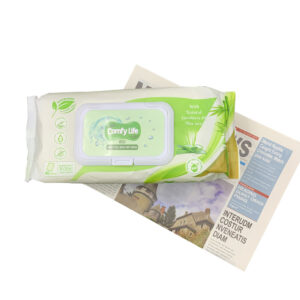
เชิงนามธรรม
The market for disposable wipes has evolved significantly, ก้าวไปไกลกว่าแอปพลิเคชันทั่วไปไปสู่ความเชี่ยวชาญขั้นสูง, ผลิตภัณฑ์ที่ขับเคลื่อนด้วยวัตถุประสงค์. This evolution has created a substantial opportunity for brands to develop custom wet wipes tailored to specific consumer needs and market niches. This document examines the multifaceted process of creating private label wet wipes, offering a comprehensive guide for businesses aiming to enter or expand within this sector in 2025. It deconstructs the seven pivotal factors that determine the success of a custom wipe product, beginning with the selection of non-woven substrate materials and their inherent properties. The analysis extends to the science of liquid formulation, considering aspects from water purity to active ingredients and preservation systems. นอกจากนี้, it explores the strategic importance of packaging design, การสร้างความแตกต่างที่จำเป็นสำหรับตลาดเป้าหมายต่างๆ, มาตรฐานที่ไม่สามารถต่อรองได้ของการปฏิบัติตามกฎระเบียบ, ความซับซ้อนของกระบวนการผลิต, และเกณฑ์การคัดเลือกคู่ค้า OEM/ODM ที่มีความสามารถ. มีวัตถุประสงค์เพื่อให้มีความชัดเจน, กรอบโครงสร้างที่ช่วยให้ผู้ประกอบการและผู้จัดการผลิตภัณฑ์สามารถตัดสินใจได้อย่างมีข้อมูล, ลดความเสี่ยง, และประสบความสำเร็จในการเปิดตัวผลิตภัณฑ์เช็ดเปียกแบบกำหนดเองที่สามารถแข่งขันได้.
ประเด็นสำคัญ
- ทางเลือกของพื้นผิว, จากสปันจ์ไปจนถึงไม้ไผ่, โดยพื้นฐานแล้วจะกำหนดประสิทธิภาพและโปรไฟล์ความยั่งยืน.
- วิทยาศาสตร์ด้านการควบคุมการผสมสูตรสร้างความสมดุลระหว่างความปลอดภัย, ประสิทธิภาพ, และประสบการณ์ทางประสาทสัมผัสสำหรับผู้บริโภคเป้าหมาย.
- บรรจุภัณฑ์ไม่ได้เป็นเพียงภาชนะเท่านั้น แต่เป็นเครื่องมือสำคัญในการอนุรักษ์และการสื่อสารแบรนด์.
- แยกแยะระหว่างทารก, ผู้ใหญ่, เครื่องสำอาง, และผ้าเช็ดทำความสะอาดในครัวเรือนก็มีความสำคัญต่อการสะท้อนของตลาด.
- การสำรวจภูมิทัศน์ด้านกฎระเบียบในสหภาพยุโรป, สหรัฐอเมริกา, and Asia ensures market access and consumer trust.
- Understanding the manufacturing process helps in quality control and supplier negotiation.
- A strong OEM partner for custom wet wipes acts as a strategic ally in product development.
สารบัญ
- ทางเลือกพื้นฐาน: Selecting the Right Substrate Material
- The Heart of the Wipe: Deconstructing Formulation Science
- Beyond the Box: Strategic Packaging Design and Functionality
- Defining Your Niche: Tailoring Wipes for Specific Markets and Uses
- Navigating the Maze: การปฏิบัติตามกฎระเบียบและการประกันคุณภาพ
- From Roll to Retail: Understanding the Manufacturing Journey
- The Partnership Principle: Choosing Your Ideal OEM/ODM Manufacturer
- คำถามที่พบบ่อย
- บทสรุป
- การอ้างอิง
ทางเลือกพื้นฐาน: Selecting the Right Substrate Material
The journey of creating a custom wet wipe begins not with the liquid, but with the fabric that holds it. วัสดุนี้, known in the industry as the substrate, is the physical foundation of the wipe. เนื้อสัมผัสของมัน, ความแข็งแกร่ง, การดูดซึม, and even its environmental impact are all determined at this initial stage. Think of it as choosing the canvas before painting a masterpiece. The quality and type of canvas will profoundly influence the final artwork. สำหรับแบรนด์, the substrate is a silent communicator of quality and values. A rough, flimsy wipe suggests a disregard for user comfort, while a soft, durable one conveys a commitment to a premium experience.
Understanding Non-Woven Fabrics
Wet wipes are almost universally made from non-woven fabrics. Unlike traditional textiles like cotton shirts or linen towels, which are created by weaving or knitting threads together in a grid-like pattern, non-wovens are made from fibers that are bonded together through mechanical, เคมี, หรือกระบวนการทางความร้อน. Imagine a dense, tangled web of fibers pressed and locked into a single sheet. This structure is what gives wipes their unique properties.
The most common type of non-woven used for wipes is spunlace. The spunlace process uses high-pressure water jets to hydro-entangle fibers, creating a soft, แข็งแกร่ง, and drapable fabric that feels more like cloth than paper. It excels at absorbing the liquid formulation without falling apart. Other non-woven types include airlaid paper, which is known for its exceptional absorbency and is often used in thicker, more robust wipes, and thermal bonded fabrics, where heat is used to melt and fuse thermoplastic fibers together. The choice of bonding process affects the final texture and strength of the material.
Comparing Material Properties: A Strategic Decision
When selecting a substrate for your custom wet wipes, several properties must be weighed against your product goals and budget. These are not isolated technical specs; they are tangible features your customer will experience.
| คุณสมบัติ | Spunlace (Polyester/Viscose) | 100% Viscose/Bamboo | Wood Pulp/Flushable |
|---|---|---|---|
| พื้นผิว & ความนุ่มนวล | Soft and cloth-like, good for skin contact. | นุ่มเป็นพิเศษ, often described as silky. Ideal for premium baby or facial wipes. | Can be less soft, but engineered for rapid breakdown. Texture is a balance. |
| ความแข็งแกร่ง & ความทนทาน | High wet and dry strength. Resists tearing during use. | Good strength, but can be slightly less robust than polyester blends. | Lower wet strength by design to ensure it breaks apart in water systems. |
| การดูดซึม | ดี. The viscose component is highly absorbent. | ยอดเยี่ยม. Natural fibers hold a significant amount of liquid. | Very high absorbency, but releases liquid easily under pressure. |
| ความสามารถในการย่อยสลายทางชีวภาพ | Polyester is not biodegradable. Viscose is. ส่วนผสมนี้สามารถย่อยสลายทางชีวภาพได้เพียงบางส่วนเท่านั้น. | ย่อยสลายได้อย่างสมบูรณ์และย่อยสลายได้, เนื่องจากได้มาจากเซลลูโลสจากพืช. | ย่อยสลายได้ทางชีวภาพอย่างสมบูรณ์. ได้รับการออกแบบเพื่อให้ตรงตามมาตรฐานสากลในการชะล้าง. |
| ค่าใช้จ่าย | ตัวเลือกที่คุ้มค่าและใช้กันอย่างแพร่หลายที่สุด. เกณฑ์มาตรฐานสำหรับผ้าเช็ดทำความสะอาดมาตรฐาน. | ต้นทุนที่สูงขึ้นเนื่องจากการจัดหาและการแปรรูปวัตถุดิบ. | ต้นทุนระดับพรีเมียมเนื่องจากต้องใช้วิศวกรรมเฉพาะทางและการทดสอบ. |
ดังที่ตารางแสดงไว้, ไม่มีโสด “ดีที่สุด” วัสดุ. แบรนด์ที่สร้างผ้าเช็ดทำความสะอาดสำหรับงานหนักสำหรับใช้ในอุตสาหกรรมอาจให้ความสำคัญกับความแข็งแกร่งและต้นทุนที่ต่ำของสปันจ์ผสมโพลีเอสเตอร์. ในทางกลับกัน, แบรนด์ผลิตภัณฑ์ดูแลผิวสุดหรูที่พัฒนาผ้าเช็ดทำความสะอาดผิวหน้าน่าจะเลือกใช้ 100% พื้นผิวไม้ไผ่หรือผ้าฝ้าย, ที่ซึ่งความนุ่มนวลและความเป็นธรรมชาติขั้นสุดยอด, เรื่องราวที่ยั่งยืนเป็นสิ่งสำคัญยิ่ง. การตัดสินใจคือการจัดตำแหน่งเชิงกลยุทธ์ในการวางตำแหน่งผลิตภัณฑ์, กำหนดเป้าหมายความคาดหวังของผู้บริโภค, และต้นทุนสินค้า.
The Rise of Sustainable and Flushable Options
ใน 2025, consumer consciousness around environmental impact is not a trend; it is a baseline expectation. Brands that ignore this do so at their peril. This has driven immense innovation in sustainable substrates. Materials like bamboo, which grows rapidly with minimal need for pesticides or water, and organic cotton are increasingly popular for their renewable origins and biodegradability.
แนวคิดของ “ล้างออกได้” wipes represents another significant market segment. อย่างไรก็ตาม, this term carries a heavy weight of responsibility. A truly flushable wipe is not just one that disappears down the toilet; it must be engineered to lose strength quickly and break down into small pieces in the sewer system to avoid causing blockages, the infamous “แฟตเบิร์ก” that plague municipal wastewater systems. Manufacturers of flushable wipes must adhere to stringent industry standards like the GD4 (Global Dispersibility Standard) to legitimately make this claim. For brands targeting the toilet hygiene market, partnering with a manufacturer who has proven expertise in is not just advisable; it is a necessity for responsible market entry.
The Heart of the Wipe: Deconstructing Formulation Science
หากวัสดุพิมพ์เป็นตัวการเช็ด, the liquid formulation is its soul. This solution, มักเรียกว่า “lotion” หรือ “essence,” is what performs the primary function, whether it’s cleansing, ให้ความชุ่มชื้น, disinfecting, or removing makeup. The development of a custom wet wipe formulation is a delicate dance of chemistry, ความปลอดภัย, and sensory experience. It involves far more than simply mixing water with a fragrance. Each ingredient serves a purpose, and their interaction determines the product’s efficacy and its suitability for the intended user.
The Purity of Water: The Unseen Ingredient
The primary component of any wet wipe formulation, often making up over 90% of the liquid, is water. ยัง, not all water is created equal. Using simple tap water is out of the question. It contains minerals, จุลินทรีย์, and trace chemicals that can destabilize the formulation, reduce shelf life, and potentially irritate the skin.
Professional wet wipe manufacturers use highly purified water, typically produced through processes like reverse osmosis (RO) and deionization (DI). Reverse osmosis pushes water through a semi-permeable membrane to remove the vast majority of dissolved solids and contaminants. Deionization follows, using special ion-exchange resins to remove the remaining mineral ions. The result is water of exceptional purity, providing a stable and neutral base for the other ingredients. This commitment to water purity is a hallmark of a quality-focused manufacturer.
Active Ingredients: Delivering the Benefit
Active ingredients are the “heroes” of the formulation, chosen to deliver the specific benefit promised by the wipe. The possibilities are vast and allow for incredible product differentiation.
- For Cleansing: สารลดแรงตึงผิว (สารออกฤทธิ์ที่พื้นผิว) are key. These molecules have a water-loving (ชอบน้ำ) head and an oil-loving (ไม่ชอบน้ำ) tail. This structure allows them to surround particles of dirt and oil on the skin, lifting them away so they can be wiped off. The choice of surfactant is critical; อ่อนโยน, plant-derived surfactants like coco-glucoside are preferred for baby wipes and facial products, while stronger surfactants might be used in household cleaning wipes.
- For Moisturization and Soothing: For products aimed at skin comfort, ingredients like Aloe Vera, กลีเซอรีน, แพนทีนอล (Pro-vitamin B5), and chamomile extract are common. Glycerin is a humectant, meaning it draws moisture from the air to the skin. Aloe and chamomile are renowned for their soothing and anti-inflammatory properties. For more advanced skincare wipes, one might even find ingredients like hyaluronic acid for intense hydration or niacinamide for skin barrier support.
- For Disinfection: For sanitizing or disinfecting wipes, the active ingredient is an antimicrobial agent. This could be alcohol (typically ethanol or isopropanol at concentrations above 60%), quaternary ammonium compounds (Quats), or other agents like hypochlorous acid. The choice depends on the target pathogens and the desired contact time (how long the surface must remain wet to be effective).
The art of formulation lies in combining these actives in a way that maximizes their effect without causing instability or skin irritation.
The Preservation System: Ensuring Safety and Shelf Life
A package of wet wipes is a warm, ชื้น, nutrient-rich environment—the perfect breeding ground for bacteria, แม่พิมพ์, และยีสต์. Without an effective preservation system, a pack of wipes could become contaminated within days, posing a serious risk to consumers.
Preservatives are therefore not an optional extra; they are an absolute necessity for safety. The challenge is to use a system that is robust enough to protect the product for its entire shelf life (บ่อยครั้ง 2-3 ปี) yet gentle enough not to sensitize the skin. ในปีที่ผ่านมา, there has been a significant consumer-driven pushback against certain traditional preservatives like parabens and formaldehyde-releasers.
ในการตอบสนอง, อุตสาหกรรมได้เปลี่ยนไปสู่ระบบการเก็บรักษาทางเลือก. สิ่งเหล่านี้มักเกี่ยวข้องกับการผสมผสานการทำงานร่วมกันของส่วนผสมหลายชนิดที่ความเข้มข้นต่ำ. ตัวเลือกทั่วไปในปัจจุบัน ได้แก่ ฟีโนซีเอทานอล, โซเดียมเบนโซเอต, และกรดอินทรีย์ต่างๆ. เป้าหมายคือการสร้าง “อุปสรรค์” ผล, โดยที่ปัจจัยหลายประการ (เช่น pH, กิจกรรมทางน้ำ, และสารกันบูดนั่นเอง) รวมกันทำให้จุลินทรีย์เจริญเติบโตไม่ได้. พัฒนาระบบการเก็บรักษาให้มั่นคงและปลอดภัยสำหรับ ผ้าเช็ดทำความสะอาดเปียกแบบกำหนดเอง เป็นหนึ่งในแง่มุมของการกำหนดสูตรที่มีความต้องการทางเทคนิคมากที่สุดและเป็นความเชี่ยวชาญที่สำคัญสำหรับผู้ผลิตที่มีชื่อเสียง.
Beyond the Box: Strategic Packaging Design and Functionality
บรรจุภัณฑ์สำหรับทิชชู่เปียกแบบสั่งทำมีจุดประสงค์สองประการที่นอกเหนือไปจากการบรรจุแบบธรรมดา. อันดับแรก, เป็นระบบทางเทคนิคที่รับผิดชอบในการปกป้องความสมบูรณ์ของผลิตภัณฑ์จากโรงงานจนถึงการใช้งานขั้นสุดท้าย. ที่สอง, มันเป็นเครื่องมือหลักในการสื่อสารแบรนด์, the first thing a customer sees on the shelf or online. A failure in either of these roles can undermine an otherwise excellent product. The packaging is the promise; the wipe is the fulfillment of that promise.
Sealing in Freshness: The Technical Role of Packaging
The most fundamental technical job of wet wipe packaging is to prevent the liquid formulation from evaporating. A dried-out wet wipe is a useless product and a source of intense customer frustration. The choice of packaging material and closure type is therefore paramount.
The most common packaging format is the flow-pack or soft pack, made from a multi-layer flexible film. These films are typically a laminate of several materials, such as PET (polyethylene terephthalate) for strength and print quality, aluminum for its superior barrier properties against moisture and oxygen, and PE (เอทิลีน) as the inner sealing layer.
The closure system is the most vulnerable point for moisture loss. There are two main options:
- Resealable Label: This is a simple adhesive label that covers the dispensing opening. While cost-effective, its adhesive can lose tack over time, especially if contaminated with dust or lotion, นำไปสู่การประทับตราที่ไม่ดี.
- Plastic Lid (Flip-Top): A rigid plastic lid with a snap closure provides a much more secure and reliable seal. It protects the dispensing area, prevents the resealable label underneath (ถ้ามี) from drying out, and offers a more premium, convenient user experience. For multi-packs of 50, 80, or more wipes, a plastic lid is considered the standard for quality.
Other formats include rigid plastic canisters or tubs, common for household cleaning wipes, and individually wrapped single sachets, which offer perfect portability and guaranteed freshness for travel or on-the-go use. Some manufacturers even offer innovative designs like dual-chamber packaging that keeps the wipe and liquid separate until the point of use, ensuring maximum potency .
The Brand Ambassador: The Communicative Role of Packaging
On a crowded retail shelf, your packaging might only have a few seconds to capture a shopper’s attention. Its design—the colors, fonts, imagery, and logos—must instantly convey your brand’s identity and the product’s purpose.
- Color Psychology: A package for baby wipes often uses soft pastels (blues, pinks, yellows) and gentle imagery to communicate safety and mildness. ในทางตรงกันข้าม, a men’s grooming wipe might use bold, สีเข้ม เช่น สีดำหรือสีน้ำเงินกรมท่าพร้อมตัวพิมพ์แบบมินิมอลลิสต์เพื่อแสดงถึงความแข็งแกร่งและความซับซ้อน.
- ลำดับชั้นข้อมูล: ด้านหน้าบรรจุภัณฑ์ต้องระบุให้ชัดเจนว่าสินค้าคืออะไรและคุณประโยชน์หลักอย่างไร. ใช่ไหม “99% น้ำสำหรับผิวแพ้ง่าย”? ใช่ไหม “ต้านเชื้อแบคทีเรียด้วยว่านหางจระเข้”? ใช่ไหม “น้ำยาล้างเครื่องสำอางสำหรับผิวมัน”? ข้อความหลักนี้ควรอ่านได้ทันที. ข้อมูลรอง, เหมือนการนับการเช็ด, ข้อกล่าวอ้างเกี่ยวกับการทดสอบทางผิวหนัง, และส่วนผสมสำคัญ, ควรจะมีอยู่แต่อย่าล้นหลาม.
- การเล่าเรื่องของแบรนด์: บรรจุภัณฑ์เป็นเหมือนผืนผ้าใบสำหรับเรื่องราวของแบรนด์ของคุณ. คุณเป็นแบรนด์ที่ใส่ใจสิ่งแวดล้อมหรือไม่? เน้นวัสดุที่ย่อยสลายได้ทางชีวภาพและใช้สีเอิร์ธโทนและกราฟิกที่ได้แรงบันดาลใจจากธรรมชาติ. คุณเป็นคนที่ได้รับการสนับสนุนจากวิทยาศาสตร์หรือไม่, แบรนด์ทางคลินิก? ใช้เส้นที่สะอาด, พื้นหลังสีขาว, และแม่นยำ, ภาษาวิทยาศาสตร์. This visual and textual language builds an emotional connection with the consumer that goes beyond the functional use of the wipe.
The design process for custom wet wipes should be a collaborative effort between the brand and the manufacturer, ensuring the final artwork is not only beautiful but also perfectly optimized for the printing process on the chosen packaging film.
Defining Your Niche: Tailoring Wipes for Specific Markets and Uses
ระยะ “wet wipe” is incredibly broad. A wipe designed to clean a baby’s delicate skin is fundamentally different from one formulated to degrease a kitchen counter or one intended for adult incontinence care. One of the most significant advantages of creating custom wet wipes is the ability to precisely engineer a product for a specific niche. Attempting to create a “ขนาดเดียวเหมาะกับทุกคน” wipe is a recipe for mediocrity; success lies in specialization and a deep understanding of the target user’s unique needs.
The World of Baby Wipes
This is perhaps the largest and most sensitive category. Parents are exceptionally discerning when it comes to products for their children. ความปลอดภัย, gentleness, and purity are non-negotiable.
- Formulation: The trend is towards minimalism. Formulations with “99% น้ำ” and a few gentle, plant-derived ingredients are highly sought after. They must be hypoallergenic, pH-balanced to match a baby’s skin, and free from common irritants like alcohol, พาราเบน, พทาเลท, and strong fragrances.
- Substrate: Softness is key. Parents want a wipe that is gentle and non-abrasive. Substrates made from viscose, ไม้ไผ่, or cotton are ideal. The thickness is also a factor; a thicker wipe feels more substantial and provides a better barrier between the hand and the mess.
- บรรจุภัณฑ์: Convenience is paramount for a parent managing a diaper change. Easy, one-handed dispensing from a soft pack with a flip-top lid is the gold standard. Travel-sized packs are also a vital part of a complete product line. Brands looking to develop specialized wipes for babies must prioritize these elements to gain parental trust.
Adult Personal Care Wipes: A Growing Market
The market for adult wipes is diverse and expanding rapidly. It addresses needs that are distinct from those of babies, requiring different product characteristics.
| แอปพลิเคชัน | ข้อควรพิจารณาที่สำคัญ | Example Ingredients |
|---|---|---|
| Flushable Moist Toilet Tissue | Must meet flushability standards (เช่น, GD4). Needs to be strong enough for use but break down rapidly. Scent is often subtle or absent. | ว่านหางจระเข้, วิตามินอี, gentle cleansers. |
| ผ้าเช็ดทำความสะอาดสุขอนามัยของผู้หญิง | pH-balanced for the intimate area (typically pH 3.5-4.5). Should be gynecologist-tested and free from harsh chemicals or allergens. | Lactic acid, ดอกคาโมไมล์, calendula extract. |
| Incontinence/Bathing Wipes | Larger and thicker than standard wipes for better coverage. Formulation may include skin conditioners and odor neutralizers. | Dimethicone (skin protectant), ซิงค์ออกไซด์, aloe. |
| Men’s Grooming Wipes | Often feature more “masculine” กลิ่น (เช่น, mint, citrus, sandalwood). May include ingredients for oil control or post-shave soothing. | Charcoal, salicylic acid, witch hazel. |
As noted by Harmony Lab & Safety Supplies (2025), adult wipes are generally larger and thicker than their baby counterparts and are formulated for these adult-specific needs. Creating effective personal hygiene products for adults requires a nuanced understanding of these distinct use cases.
Specialized and Niche Applications
Beyond personal care, custom wet wipes can be developed for countless other applications. Each niche has its own set of technical requirements:
- Cosmetic & Facial Wipes: These range from simple makeup removers to wipes infused with active skincare serums (เช่น, retinol, Vitamin C). The substrate must be non-abrasive, and the formulation must be ophthalmologist-tested if intended for use around the eyes.
- Household Cleaning Wipes: These are function-first products. Formulations may include powerful surfactants for grease, disinfectants for killing germs, or specific solvents for glass or stainless steel. The substrate needs to be durable and often textured to help with scrubbing.
- Pet Wipes: Formulated to be safe for animals, these wipes are used for cleaning paws, fur, and around the eyes. They must be free from ingredients toxic to pets (เหมือนน้ำมันหอมระเหยบางชนิด) และมักจะมีค่า pH ที่สมดุลสำหรับผิวหนังของสัตว์.
- ผ้าเช็ดทำความสะอาดอุตสาหกรรม/ยานยนต์: ผลิตภัณฑ์เหล่านี้เป็นผลิตภัณฑ์สำหรับงานหนักที่ออกแบบมาเพื่อขจัดคราบไขมัน, น้ำมัน, และสิ่งสกปรก. มีพื้นผิวที่แข็งแกร่งมากและสูตรที่ใช้ตัวทำละลายที่ทรงพลัง.
โดยการระบุกลุ่มเฉพาะที่ด้อยโอกาสและพัฒนาผลิตภัณฑ์ที่เหนือกว่าที่ปรับให้เหมาะกับกลุ่มนั้นโดยเฉพาะ, แบรนด์สามารถสร้างตำแหน่งทางการตลาดที่แข็งแกร่งและสามารถป้องกันได้.
Navigating the Maze: การปฏิบัติตามกฎระเบียบและการประกันคุณภาพ
การนำทิชชูเปียกแบบกำหนดเองออกสู่ตลาดไม่ได้เป็นเพียงเรื่องของการออกแบบผลิตภัณฑ์และการตลาดเท่านั้น; เป็นการฝึกหัดในการนำทางเว็บกฎระเบียบและมาตรฐานคุณภาพระดับโลกที่ซับซ้อน. การปฏิบัติตามกฎเหล่านี้ไม่ใช่ทางเลือก. เป็นข้อกำหนดทางกฎหมายที่รับรองความปลอดภัยของผู้บริโภค, ให้สิทธิ์การเข้าถึงตลาด, และสร้างความน่าเชื่อถือให้กับแบรนด์. ผลิตภัณฑ์ที่ไม่ปฏิบัติตามอาจถูกเรียกคืนได้, ค่าปรับ, และความเสียหายที่ไม่อาจแก้ไขได้ต่อชื่อเสียงของแบรนด์. สำหรับธุรกิจใดๆ, especially those targeting international markets in the USA, ยุโรป, และเอเชีย, a deep understanding of this landscape is vital.
The Role of Good Manufacturing Practices (GMP)
At the core of all quality assurance is Good Manufacturing Practices (GMP). GMP is a system of processes, ขั้นตอน, and documentation that ensures products are consistently produced and controlled according to quality standards. It is designed to minimize the risks involved in any pharmaceutical or cosmetic production that cannot be eliminated through testing the final product.
For a wet wipe manufacturer, GMP covers every aspect of production:
- Facility and Equipment: The production facility must be clean, เป็นระเบียบ, and designed to prevent cross-contamination. Equipment must be properly maintained and sanitized.
- วัตถุดิบ: All incoming raw materials (substrates, chemicals, การบรรจุหีบห่อ) must be tested and verified against specifications before being used.
- Personnel: Staff must be properly trained in their roles, including hygiene procedures.
- Production Process: ทุกขั้นตอนของกระบวนการผลิต, from water purification to final packaging, must be documented and controlled.
- การควบคุมคุณภาพ: In-process checks and final product testing must be conducted to ensure each batch meets the required specifications for factors like ingredient concentration, ค่า pH, microbial cleanliness, and package integrity.
Partnering with a manufacturer that is certified to a recognized GMP standard, เช่น ISO 22716 (Cosmetics — Good Manufacturing Practices), is the first and most fundamental step in ensuring product quality and safety.
Region-Specific Regulatory Frameworks
While GMP provides a universal foundation, specific regulations for wet wipes can vary significantly depending on where they are sold. The classification of the wipe often determines the regulatory path.
- สหรัฐอเมริกา: In the USA, the regulatory body is the Food and Drug Administration (อย). Most wet wipes (ผ้าเช็ดทำความสะอาดทารก, ผ้าเช็ดทำความสะอาดใบหน้า, moist toilet tissue) are classified as cosmetics. They must be safe for consumers under labeled or customary conditions of use and be properly labeled. Ingredients must be listed in descending order of predominance. อย่างไรก็ตาม, if a wipe makes a drug claim—such as “kills 99.9% of germs,” “treats acne,” หรือ “prevents sunburn”—it is classified as an Over-the-Counter (โอทีซี) drug. This requires a much more stringent regulatory process, including adherence to an FDA monograph or a New Drug Application (NDA), and production in an FDA-registered facility.
- สหภาพยุโรป: ในสหภาพยุโรป, the governing regulation is the EC Regulation 1223/2009 เกี่ยวกับผลิตภัณฑ์เครื่องสำอาง. This is one of the strictest cosmetic regulatory frameworks in the world. Before a product can be placed on the market, a detailed Product Information File (PIF) must be created, and a comprehensive Cosmetic Product Safety Report (CPSR) must be signed by a qualified safety assessor. There are extensive lists of prohibited and restricted substances, particularly for preservatives and UV filters. All products must be registered on the Cosmetic Products Notification Portal (CPNP).
- Asia and the Middle East: Regulations in these regions are diverse. Many countries in Southeast Asia (อาเซียน) have harmonized their cosmetic regulations to a degree, but national differences remain. China has its own complex system requiring pre-market registration and testing for most cosmetics. Countries in the Middle East, such as Saudi Arabia and the UAE, have their own standards (often through bodies like SASO and ESMA) and may require halal certification for certain products.
A competent OEM/ODM partner will have a dedicated regulatory affairs team that understands these different requirements and can guide a brand through the necessary testing, เอกสารประกอบ, and registration processes for their target markets.
From Roll to Retail: Understanding the Manufacturing Journey
How does a massive roll of fabric and a tank of liquid transform into the neatly packaged custom wet wipes on a store shelf? The manufacturing process is a highly automated, precisely choreographed sequence of events. While it may seem like a “black box” to those outside the industry, having a basic understanding of this journey is incredibly valuable for a brand owner. It allows for more informed discussions with your manufacturing partner, a better appreciation for quality control points, และภาพที่ชัดเจนยิ่งขึ้นว่าผลิตภัณฑ์ของคุณมีชีวิตขึ้นมาได้อย่างไร.
มาดูสายการผลิตทิชชู่เปียกทั่วไปกัน, ตามที่ระบุไว้โดยผู้ผลิตเช่น Wet Wipe Factory (2024).
ขั้นตอน 1: การโหลดและการตัดพื้นผิว
กระบวนการนี้เริ่มต้นด้วยการม้วนผ้าไม่ทอที่เลือกขนาดยักษ์. ม้วนนี้สามารถกว้างหลายฟุตและมีน้ำหนักหลายร้อยกิโลกรัม. ม้วนหลักถูกติดตั้งเข้ากับเครื่องและเป็นม้วนแรก “กรีด,” หรือตัดเป็นริบบิ้นแคบๆ. ความกว้างของผ้าหมึกเหล่านี้สอดคล้องกับความกว้างสุดท้ายของผ้าเช็ดทำความสะอาดแต่ละแผ่น. การตัดนี้ต้องแม่นยำเพื่อให้แน่ใจว่าการเช็ดทุกครั้งจะมีขนาดเท่ากัน.
ขั้นตอน 2: พับ
เมื่อกรีดเป็นริบบิ้น, ผ้าจะเคลื่อนเข้าสู่ส่วนพับของตัวเครื่อง. นี่เป็นกระบวนการทางกลที่ซับซ้อน. รอยพับที่พบบ่อยที่สุดสำหรับผ้าเช็ดทำความสะอาดในโฟลว์แพ็กคือแบบพับหรือ “พับแบบ Z” สไตล์. Each wipe is folded in a way that it is connected to the next one. When a user pulls one wipe out of the package, the next one pops up, ready for use. คุณสมบัตินี้, which we often take for granted, is the result of intricate engineering. The machine can be adjusted to create different fold patterns and wipe sizes.
ขั้นตอน 3: Liquid Application (Wetting)
The folded stacks of dry wipes now move to the wetting station. ที่นี่, the carefully prepared liquid formulation is applied. This is not a simple dunking process. To ensure every single wipe is evenly saturated with the correct amount of liquid—not too dry, not dripping wet—the formulation is typically sprayed or dripped onto the stack under controlled conditions. The amount of liquid applied, known as the “wetting ratio,” is a critical quality parameter that is constantly monitored.
ขั้นตอน 4: Cutting and Stacking
After being wetted, the continuous, folded ribbon of wipes is cut into individual stacks of a predetermined count (เช่น, 80 wipes per stack). These stacks are then automatically transferred to the packaging line. The precision of the cutting and stacking is important for ensuring a consistent wipe count in every package and for allowing the stack to fit perfectly into the packaging.
ขั้นตอน 5: บรรจุภัณฑ์
This is where the wetted stacks meet their packaging. The stacks are inserted into the flow-pack film, which is then sealed on three sides (ก “fin seal” on the bottom and two “end seals”). The dispensing hole is cut, and the resealable label and/or plastic lid are applied. All of this happens at incredible speed on a fully automated packaging machine. For canister wipes, the process is different; a long, perforated roll of wipes is inserted into the canister, which is then filled with liquid and sealed.
ขั้นตอน 6: Quality Control and Case Packing
Throughout the entire process, quality control checks are performed. This includes visual inspections, checking wipe dimensions, verifying the liquid weight in the package, and testing the seal integrity of the packaging. At the end of the line, a date code and batch number are printed on each pack for traceability. The finished packs are then bundled into multi-packs (if applicable) and packed into shipping cartons, ready for their journey to a distribution center and ultimately to the consumer.
The Partnership Principle: Choosing Your Ideal OEM/ODM Manufacturer
For a brand looking to launch custom wet wipes, the single most impactful decision is the choice of a manufacturing partner. This partner is more than just a supplier; they are an extension of your team, a custodian of your brand’s quality, and a strategic ally in your business growth. A great partner can accelerate your success, while a poor one can lead to production delays, quality issues, and financial loss. The selection process should be approached with the same diligence as hiring a key executive.
This partner will operate as either an OEM or an ODM.
- OEM (ผู้ผลิตอุปกรณ์ดั้งเดิม): ในรุ่นนี้, คุณ (แบรนด์) provide the complete product specification—the exact substrate, the precise formulation, and the detailed packaging design. The manufacturer then produces the product according to your exact instructions. This model gives you maximum control but requires significant in-house R&D and product development expertise.
- โอเอ็มเอ็ม (ผู้ผลิตการออกแบบดั้งเดิม): ในรุ่นนี้, the manufacturer offers a range of pre-developed, market-tested product formulas and packaging options that you can choose from and brand as your own. This is often called “private label.” It’s a much faster and lower-risk way to get to market. Many ODM manufacturers also offer extensive customization options, providing a hybrid approach that blends the speed of ODM with the uniqueness of OEM. Many suppliers offer both OEM and private label services flushable-wipe.com.
Key Criteria for Evaluating a Partner
When vetting potential manufacturers, look beyond the price per unit. Consider these holistic factors:
- Experience and Specialization: How long have they been manufacturing wet wipes? Do they specialize in the specific category you are targeting (เช่น, ที่รัก, เครื่องสำอาง, ล้างออกได้)? A manufacturer with deep experience in your niche will understand the specific technical challenges and market expectations.
- Research & การพัฒนา (R&ง) Capabilities: Do they have an in-house lab and a team of chemists? อาร์ที่แข็งแกร่ง&D department can provide invaluable assistance in developing a unique and effective formulation, creating stable preservation systems, and suggesting innovative ingredients. This is the difference between a simple producer and a true development partner.
- Quality Certifications: ตามที่กล่าวไว้ก่อนหน้านี้, look for key certifications like ISO 9001 (ระบบการจัดการคุณภาพ), ไอเอสโอ 22716 (Cosmetic GMP), and any other certifications relevant to your product (เช่น, FSC for sustainable paper, FDA registration for OTC products). These are not just logos on a website; they are third-party validations of a manufacturer’s commitment to quality.
- Communication and Project Management: ทีมขายและผู้บริหารโครงการตอบสนองหรือไม่, มีความรู้, และคล่องแคล่วในภาษาของคุณ? การสื่อสารที่ชัดเจนและโปร่งใสเป็นรากฐานของการเป็นหุ้นส่วนที่ประสบความสำเร็จ. คุณต้องมีพันธมิตรที่สามารถให้ข้อมูลอัปเดตเป็นประจำ, แก้ไขปัญหาเชิงรุก, และแนะนำคุณตลอดกระบวนการ.
- ปริมาณการสั่งซื้อขั้นต่ำ (ขั้นต่ำ): ขั้นต่ำคือปริมาณที่น้อยที่สุดของผลิตภัณฑ์ที่ผู้ผลิตยินดีผลิตในรอบเดียว. มีตั้งแต่ไม่กี่พันแพ็คไปจนถึงหลายแสน. สำหรับแบรนด์ใหม่หรือธุรกิจขนาดเล็ก, การค้นหาผู้ผลิตคุณภาพสูงที่มีขั้นต่ำที่ยืดหยุ่นและจัดการได้มักเป็นความท้าทายหลัก. ตรวจสอบให้แน่ใจว่าสิ่งนี้สอดคล้องกับแผนธุรกิจและงบประมาณของคุณ.
- ความสามารถในการบริการเต็มรูปแบบ: ผู้ผลิตสามารถเสนอก “ครบวงจร” สารละลาย? ซึ่งไม่เพียงแค่การผลิตเท่านั้น แต่ยังรวมถึงความช่วยเหลือในการกำหนดสูตรด้วย, การจัดหาบรรจุภัณฑ์, การปฏิบัติตามกฎระเบียบ, และแม้แต่โลจิสติกส์. A full-service partner simplifies the supply chain immensely, allowing you to focus on branding and marketing.
Choosing a partner is a long-term commitment. It’s wise to request samples, visit the factory if possible, and speak with their technical teams before signing any contracts. This due diligence at the beginning will pay immense dividends in the long run.
คำถามที่พบบ่อย
What is the typical lead time for producing custom wet wipes?
The lead time can be broken into two phases. The development phase, which includes formulation, stability testing, and packaging design, can take anywhere from 2 ถึง 6 เดือน. Once the product is finalized, the production lead time for a repeat order is typically 30 ถึง 60 วัน, depending on raw material availability and the manufacturer’s production schedule.
How do I ensure my custom wet wipe formulation is safe for sensitive skin?
To ensure a product is safe for sensitive skin, you should work with your manufacturer to select gentle, hypoallergenic ingredients and avoid known irritants like alcohol, harsh fragrances, and certain preservatives. The most reliable way to validate the claim is to have the final product undergo dermatological testing, such as a Human Repeat Insult Patch Test (ฮริพท์), conducted by an independent third-party laboratory.
Can I create a wet wipe that is both biodegradable and flushable?
ใช่, but these are two distinct properties. Biodegradable means the wipe will break down into natural components over time in a compost environment. Flushable means the wipe is specifically engineered to break down rapidly in the sewer system to avoid clogging. It is possible to use a biodegradable substrate (like wood pulp) that is also engineered to meet flushability standards (เช่น, GD4). It’s critical to ensure your manufacturer has proven expertise and certification for any flushable claims.
What are the main cost drivers in custom wet wipes?
The primary cost drivers are the substrate material (sustainable and flushable options are more expensive), the complexity of the liquid formulation (specialized active ingredients add cost), the packaging type (a printed soft pack with a plastic lid is more expensive than a simple label closure), and the order quantity (larger volumes typically result in a lower price per unit).
How can I make my wet wipe brand stand out in a crowded market?
Differentiation is key. You can stand out through a unique formulation that targets a specific problem (เช่น, anti-pollution facial wipes), a strong commitment to sustainability (เช่น, ปราศจากพลาสติก, compostable wipes), innovative packaging design that improves user experience , or by building a powerful brand story that resonates emotionally with a specific target audience.
What is the difference between an OEM and an ODM manufacturer?
An OEM (ผู้ผลิตอุปกรณ์ดั้งเดิม) produces products based on your exact design and specifications. You provide all the details. ODM (ผู้ผลิตการออกแบบดั้งเดิม) offers pre-designed products or formulas that you can brand as your own, which is a form of private labeling. Many manufacturers offer a hybrid model, ช่วยให้คุณสามารถปรับแต่งผลิตภัณฑ์ ODM ที่มีอยู่ได้.
Are there regulations for the claims I can make on my packaging?
อย่างแน่นอน. All claims must be truthful and substantiated. เรียกร้องเช่น “ที่ทำให้แพ้ง่าย” หรือ “ผ่านการทดสอบโดยแพทย์ผิวหนัง” should be backed by clinical testing data. Performance claims (“removes 99% of makeup”) จะต้องได้รับการสนับสนุนจากหลักฐานทางห้องปฏิบัติการ. การกล่าวอ้างทางการแพทย์ (“รักษากลาก”) จะจัดประเภทผลิตภัณฑ์ของคุณเป็นยา, กระตุ้นให้มีการตรวจสอบด้านกฎระเบียบในระดับที่สูงขึ้นมาก.
บทสรุป
การสร้างสรรค์ทิชชู่เปียกแบบกำหนดเองใน 2025 เป็นความพยายามอันอุดมด้วยโอกาส, การผสมผสานวัสดุศาสตร์, สูตรทางเคมี, และการสร้างแบรนด์เชิงกลยุทธ์ให้เป็นหนึ่งเดียว, สินค้าที่หันหน้าเข้าหาผู้บริโภค. การเดินทางจากแนวความคิดไปสู่ผลิตภัณฑ์ที่จับต้องได้บนชั้นวางนั้นซับซ้อน, ถูกควบคุมโดยการตัดสินใจที่พึ่งพาซึ่งกันและกัน. การเลือกใช้วัสดุพิมพ์จะกำหนดโทนสัมผัสและสิ่งแวดล้อม. สูตรนี้ให้คำมั่นสัญญาในการใช้งานและรับประกันความปลอดภัย. บรรจุภัณฑ์ช่วยปกป้องผลิตภัณฑ์ในขณะที่ดึงดูดผู้บริโภค. ความเข้าใจอย่างลึกซึ้งเกี่ยวกับตลาดเป้าหมาย, ตั้งแต่ความต้องการอันละเอียดอ่อนของทารกไปจนถึงความต้องการเฉพาะของผู้ใหญ่, allows for meaningful product differentiation. This entire process is underpinned by a strict adherence to global quality standards and regulatory frameworks, which are not barriers but guardrails that build consumer trust.
ในที่สุด, success in the private label wipe market does not hinge on a single factor but on the harmonious integration of all seven elements discussed. It requires a vision for the brand, a commitment to quality, และ, อย่างลึกซึ้งที่สุด, the selection of an OEM/ODM manufacturer who acts not merely as a vendor but as a vested partner in bringing that vision to life. By approaching this process with diligence, ความอยากรู้, and a clear strategic focus, brands can effectively navigate the complexities of production and launch custom wet wipes that are not only commercially successful but also genuinely valuable to the end user.
การอ้างอิง
Cnextrabeauty. (2025). Incontinence cleansing wipes. Cnextrabeauty.com. สืบค้นจาก
Clean-wipe.com. (2025ก). Wholesale biodegradable flushable toilet wipes. Clean-wipe.com. สืบค้นจาก
Clean-wipe.com. (2025ข). Wholesale plastic free baby water wipes for sensitive newborn skin. Clean-wipe.com. สืบค้นจาก
Flushable-wipe.com. (2022). Flushable wet wipes, biodegradable wet wipes manufacturer. Flushable-wipe.com. สืบค้นจาก http://www.flushable-wipe.com/
Harmony Lab & Safety Supplies. (2025). Best baby wipes for adults. Harmonycr.com. สืบค้นจาก https://harmonycr.com/resources/best-baby-wipes-for-adults/
Wet Wipe Factory. (2024). Wet wipes classification & process introduction. Wetwipefactory.com. สืบค้นจาก


