Abstract
The selection of an appropriate incontinence product represents a significant decision for adults and their caregivers, impacting not only physical comfort but also psychological well-being and personal dignity. This analysis examines the two predominant forms of adult absorbent products: pull-up style diaper pants and traditional tape-fastened diapers. The determination of which is better, diaper pants or tape for adults, is not a matter of universal superiority but one of situational appropriateness. This examination proceeds by evaluating five critical factors: the user's level of mobility and independence, the required level of absorbency and leakage protection, the practical considerations for caregivers, the user's lifestyle and desire for discretion, and a nuanced analysis of cost versus long-term value. By exploring the functional design, material composition, and intended use cases for each product type, this document provides a comprehensive framework. The objective is to empower individuals and their support systems to make an informed choice that best aligns with their specific medical, functional, and emotional needs, thereby enhancing quality of life and preserving a sense of normalcy.
Key Takeaways
- Assess mobility first; pants suit active users, while tapes are better for those with limited movement.
- Match absorbency to need; tapes often offer a more secure fit for heavy or fecal incontinence.
- Consider the caregiver; tapes are typically easier for changing someone who is lying down.
- Evaluate lifestyle; pants offer greater discretion and a feeling of normal underwear.
- Think about long-term value, not just the per-piece price, to avoid hidden costs from leaks.
- The debate over which is better, diaper pants or tape for adults, depends entirely on individual circumstances.
- Always prioritize a correct fit to prevent leaks and ensure comfort, regardless of the product style.
Table of Contents
- 1. Assessing Mobility and Independence
- 2. Understanding Absorbency and Leakage Protection
- 3. Considering the Caregiver's Role and Ease of Use
- 4. Lifestyle, Discretion, and Psychological Well-Being
- 5. Analyzing Cost and Long-Term Value
- FAQ
- Conclusion
- References
1. Assessing Mobility and Independence
The journey into selecting an appropriate incontinence product begins not with the product itself, but with a thoughtful and honest assessment of the human body it is meant to serve. The question of mobility is paramount, acting as the primary determinant in the dialogue of which is better, diaper pants or tape for adults. This is because the very design of these two product categories speaks to different physical capabilities. One is designed to be pulled on like conventional underwear, an act that presupposes a degree of balance, coordination, and physical strength. The other is designed to be fitted and secured around a person, an act that can be performed with minimal participation from the wearer. To navigate this choice is to understand the lived reality of the person who will be wearing the product, recognizing that their independence is often interwoven with the very mechanics of how they dress and manage their daily needs.
The Active and Independent User
For an individual who maintains an active and largely independent lifestyle, the psychological and practical appeal of diaper pants is undeniable. Imagine a person who, despite experiencing moderate incontinence, continues to work, engage in social activities, or pursue hobbies like walking or gardening. For them, the primary goal is to manage their condition with minimal disruption to their established routines and, just as profoundly, to their sense of self. Diaper pants, often marketed as "protective underwear," are engineered precisely for this context. Their design mimics that of regular underwear, featuring an elasticized waist and leg openings that allow the user to pull them on and off without assistance.
This simple act of pulling on a garment is deeply ingrained in our daily lives as a symbol of autonomy. By preserving this motion, diaper pants help to mitigate the emotional toll that can accompany the need for an incontinence product. They feel less like a medical device and more like a specialized piece of clothing. This perception is not trivial; it can be central to a person's confidence and willingness to remain engaged with the world. The discretion they offer is also a significant benefit. Modern diaper pants are increasingly slim and form-fitting, designed to be worn inconspicuously under most clothing. This allows the user to move through their day without the persistent worry that their product is visible or audible, freeing them to focus on their activities rather than their condition. The ability to use a restroom conventionally by pulling the pants down and up further reinforces this sense of normalcy, making it a powerful choice for those who value their independence above all else.
The User with Limited Mobility or Who is Bedridden
The calculus changes entirely when we consider an individual with significant mobility limitations, such as someone who is bedridden, requires a hoist for transfers, or is unable to stand independently. In these circumstances, the very features that make diaper pants appealing to a mobile user become formidable obstacles. Attempting to pull a pair of snug-fitting pants up the legs of a person who cannot assist can be physically strenuous and uncomfortable for both the caregiver and the recipient of care. It requires lifting and maneuvering the lower body in ways that can be difficult, undignified, and even risky if the person is frail or in pain.
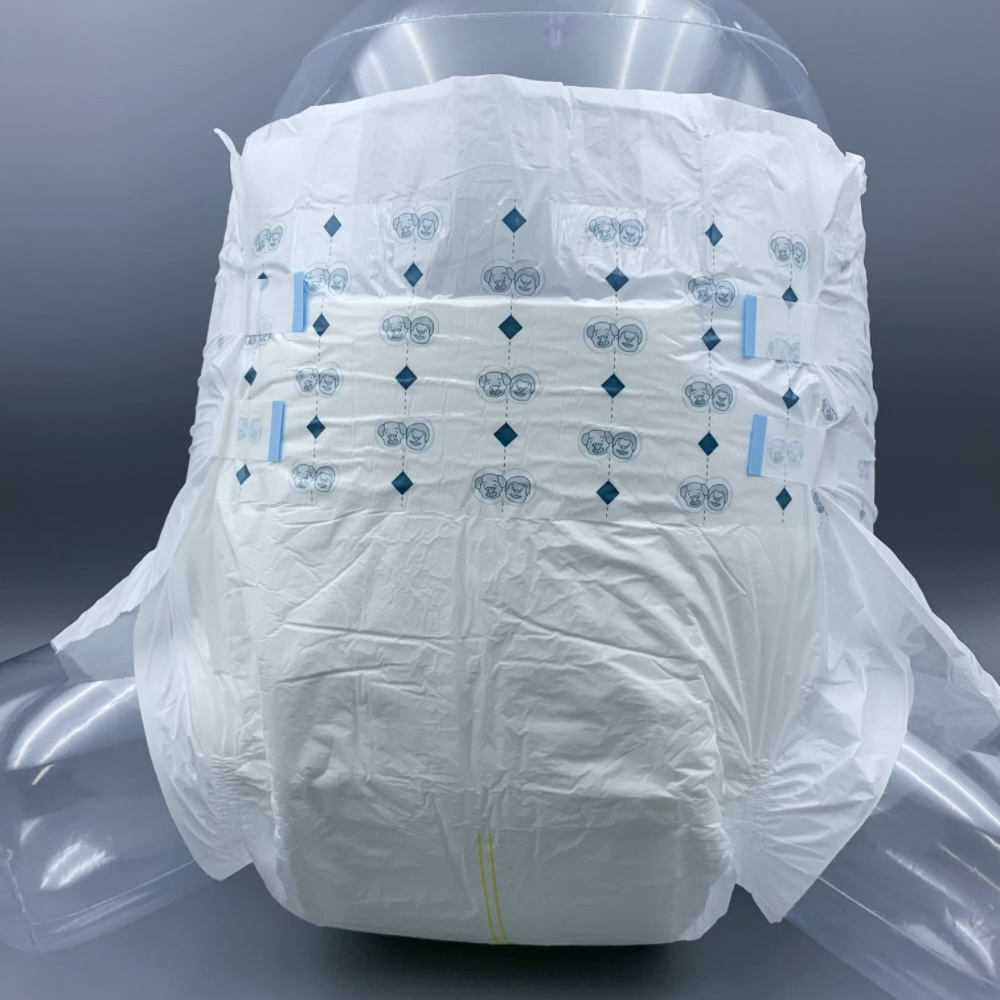
Here, the design of the traditional tape-style diaper reveals its profound utility. These products, also known as adult briefs, are not pulled on but rather placed and secured. A caregiver can roll the person gently onto their side, position the unfolded diaper beneath their hips, roll them back, and then wrap the front panel over and secure it with the adhesive tapes at the sides. This entire process can be completed while the person is lying down, requiring minimal movement from them. The refastenable nature of these tapes is another critical advantage. It allows a caregiver to open the diaper to check for wetness or to apply barrier creams without having to remove it entirely. This not inly reduces waste but also minimizes disruption and discomfort for the user. For a person receiving care, this method is often faster, more comfortable, and preserves a greater sense of dignity than the struggle of being dressed in a pull-up style product. Consequently, for the non-ambulatory population, tape-style diapers are almost always the superior and more compassionate choice.
The In-Between Case: Assisted Mobility
Life is rarely binary, and many individuals exist in a gray area of mobility. They may be able to stand and walk with the assistance of a walker or another person, but they may lack the balance, strength, or cognitive function to manage dressing themselves completely. For this group, the decision between pants and tape-style diapers becomes more nuanced, and often, a hybrid approach yields the best results. For example, a person might find that they can manage putting on diaper pants in the morning when they feel their strongest, giving them a sense of independence and discretion for the day's activities.
However, as the day progresses and fatigue sets in, or for the overnight period, a switch to a tape-style diaper might be more practical. The nighttime change, in particular, is a scenario where the ease of a tape-style product for a caregiver is a significant benefit, promoting uninterrupted sleep for the user by making any necessary changes quicker and less disruptive. This blended strategy acknowledges the fluctuating nature of ability and prioritizes the right product for the right moment. It allows for the psychological benefits of independence when possible, while leaning on the practical advantages of a caregiver-friendly product when necessary. It is a testament to the idea that the best solution is not a rigid one, but rather a flexible plan that adapts to the user's daily reality.
2. Understanding Absorbency and Leakage Protection
Beyond the initial question of mobility, the next critical frontier in selecting an incontinence product is its capacity to perform its primary function: to absorb moisture and prevent leaks effectively. This is a domain of material science, ergonomic design, and a clear-eyed assessment of the user's specific needs. The effectiveness of a product is not merely a matter of its stated absorbency level—light, moderate, heavy, or overnight—but is intimately tied to its construction and, most importantly, its fit. A poorly fitting product, no matter how absorbent its core, will inevitably fail. Therefore, the discussion of which is better, diaper pants or tape for adults, must delve into the mechanics of containment and how each design achieves a secure seal against the body. This understanding moves beyond marketing claims and into the practical realities of what keeps skin dry, clothing clean, and dignity intact.
Debunking the Myth: Are Tapes Always More Absorbent?
There exists a long-standing perception that tape-style diapers are inherently more absorbent than their pull-up counterparts. This belief is rooted in the history of the product category, where for many years, the most heavy-duty, maximum-capacity products were available exclusively in the tape-style format, primarily for institutional or clinical use. However, the landscape of incontinence care has evolved dramatically. Modern manufacturing techniques and advancements in polymer science have enabled the creation of highly efficient absorbent cores that are now widely integrated into both product types.
The true engine of absorption in any modern disposable diaper is the Super Absorbent Polymer (SAP), a material capable of absorbing and locking away many times its weight in liquid. Today, premium diaper pants can be found with SAP concentrations and core designs that rival those of high-end tape-style diapers. Therefore, the notion that one style is universally more absorbent than the other is an outdated oversimplification. The more salient difference lies not in the maximum potential absorbency, but in the reliability of the fit, which is the ultimate arbiter of leakage protection. While a pull-up may have an equally absorbent core, the customizable seal of a tape-style diaper can often provide a more reliable barrier against heavy or sudden voids, especially for individuals with less common body shapes.
Matching Absorbency Levels to Incontinence Type
The type and volume of incontinence a person experiences are fundamental to product selection. Incontinence is not a monolithic condition; it exists on a broad spectrum.
For individuals with light to moderate incontinence—perhaps experiencing stress incontinence triggered by coughing or laughing, or minor dribbles throughout the day—diaper pants often represent an ideal solution. They provide more than adequate protection for these smaller voids while maximizing discretion and comfort. Their underwear-like design feels proportionate to the level of need, avoiding the feeling of being "over-protected" which can be psychologically burdensome.
The situation becomes more complex with heavy to severe incontinence, which may involve full bladder voids or fecal incontinence. In these cases, containment is the paramount concern. Tape-style diapers often have an advantage here due to their structural features. The ability to independently adjust the upper and lower tapes allows a caregiver to create a snug, customized fit around both the waist and the legs. This is particularly vital for containing fecal matter or for preventing leaks in a side-lying position overnight. Furthermore, most tape-style diapers feature robust inner leg cuffs or "standing leak guards." These are elasticated barriers that run along the inside of the leg openings, creating a secondary line of defense that is crucial for channeling liquid into the absorbent core and preventing side leakage. While many pull-ups also have leg gathers, the highly adjustable nature of the tape-on chassis often allows these features to function more effectively.
The Critical Role of Fit in Preventing Leaks
It is impossible to overstate the importance of achieving a proper fit. An ill-fitting product is the primary cause of leaks, regardless of its style or absorbency rating. The two product types achieve their fit through different mechanisms, each with its own set of advantages and challenges.
Tape-Style Fit: The greatest strength of the tape-style diaper is its customizability. With two tapes on each side, a caregiver can tailor the fit to the unique contours of a person's body. For instance, if an individual has a larger abdomen but slimmer thighs, the top tapes can be angled upwards for a secure waist seal, while the bottom tapes can be angled downwards for a snug fit in the leg crease. This ability to create a bespoke fit is invaluable for preventing gaps where leaks could occur. The challenge, however, is that it requires a degree of skill and practice to apply the diaper symmetrically and with the correct tension every time.
Pants-Style Fit: Diaper pants offer a simpler fitting process, relying on a fully elasticized waistband and leg openings. The fit is less customizable but far more intuitive. The key to success with a pull-up style is selecting the correct size. This requires accurate measurement of the user's waist and hips, and then consulting the manufacturer's sizing chart. A size that is too large will gap at the legs and waist, while a size that is too small will be uncomfortable and may not have enough absorbent material in the right places. When the right size is chosen for a relatively standard body shape, a pull-up can provide an excellent, comfortable, and secure fit that moves with the body.
| Feature Comparison | Diaper Pants (Pull-Up Style) | Tape-Style Diapers (Briefs) |
|---|---|---|
| Primary User Profile | Active, mobile individuals who can self-dress. | Individuals with limited mobility or who are bedridden. |
| Ease of Use (Self) | High. Pulls on and off like regular underwear. | Low. Difficult to self-apply correctly. |
| Ease of Use (Caregiver) | Easy for standing changes; difficult for lying changes. | More complex but ideal for changes in bed. |
| Fit Customization | Low. Relies on elastic waist and standard sizing. | High. Tapes allow for a tailored fit to body shape. |
| Discretion | High. Slimmer profile, less bulk under clothing. | Moderate to Low. Can be bulkier, though modern designs are improving. |
| Best for Fecal/Heavy Use | Adequate, but fit can be a challenge. | Often preferred due to secure leg cuffs and adjustable fit. |
| Psychological Impact | Fosters independence and a sense of normalcy. | Can feel more medical, but provides security and comfort. |
3. Considering the Caregiver's Role and Ease of Use
The choice between diaper pants and tape-style products is not made in a vacuum; it often involves a dyad—the user and the caregiver. A compassionate and sustainable care plan must consider the needs, abilities, and well-being of both individuals. The physical and emotional labor of caregiving is significant, and the right incontinence product can either alleviate or exacerbate that burden. The mechanics of changing, the frequency of checks, and the prevention of accidents all have a direct impact on a caregiver's daily workload and stress levels. Therefore, an honest appraisal of the caregiving situation is a non-negotiable step in determining which product is truly "better" for a given partnership. This perspective shifts the focus from just the user's experience to the ergonomics and efficiency of the care process itself.
The Caregiver's Perspective: The Mechanics of Changing
Let us imagine two common caregiving scenarios. In the first, a caregiver is assisting a relatively mobile person who just needs some help with balance. In a standing position, helping this person pull a pair of diaper pants up and down is a straightforward task, similar to helping with any other piece of clothing. It is intuitive and requires minimal training.
Now, consider the second scenario: a caregiver needing to change a person who is confined to bed. Here, the mechanical differences between the two products become starkly apparent. To put on a pair of diaper pants, the caregiver would have to lift the user's pelvis and legs significantly, threading each leg through the openings and then pulling the product up to the waist. This is a physically demanding maneuver that can place immense strain on the caregiver's back and can be deeply uncomfortable for the person receiving care.
Contrast this with the process for a tape-style diaper. The caregiver can gently roll the user onto one side, placing the flat, open diaper underneath them. After rolling the user back onto the diaper, the front panel is brought up and the tapes are secured. This entire process is conducted with smooth, controlled movements that minimize lifting and awkward positioning. It is faster, safer, and preserves the user's comfort and dignity more effectively. For any care situation that involves changes in a lying position, the ergonomic superiority of the tape-style diaper is undeniable.
The Emotional Labor of Caregiving
The role of a caregiver extends far beyond physical tasks; it is deeply intertwined with emotional labor. The constant vigilance required to prevent leaks, the stress of dealing with accidents, and the extra laundry that follows can be mentally and emotionally draining. The choice of incontinence product can directly influence this burden. A product that is difficult to apply can lead to frustration for both the caregiver and the user, potentially straining their relationship. Conversely, a product that is easy to manage and highly reliable can bring a profound sense of peace of mind.
The refastenable tabs on tape-style diapers play a significant role here. A caregiver can easily open a side tab to perform a skin check or to see if a change is needed, and then refasten it if the diaper is still dry. This "checkability" is a major advantage. With diaper pants, a visual check is less straightforward. To be certain, one often has to tear the side seams, and once torn, the product cannot be reused. This can lead to unnecessary waste and cost. The ability to check and adjust a tape-style diaper without committing to a full change reduces waste, saves time, and lowers the caregiver's ambient stress level, making it a more efficient and less taxing system to manage over the long term.
Training and Skill
It is true that using diaper pants is almost entirely intuitive, requiring no special knowledge. Anyone who has ever put on a pair of underwear understands the basic principle. This simplicity is a powerful advantage, especially for new caregivers or in situations where multiple family members might be sharing care responsibilities.
Applying a tape-style diaper correctly, however, does involve a small learning curve. Achieving a snug, symmetrical, and leak-proof fit takes practice. The caregiver must learn how to position the diaper correctly under the user, how to pull the front panel up with the right amount of tension, and how to angle the tapes to conform to the user's body shape. While this may sound daunting, it is a skill that is quickly acquired. Most product manufacturers provide clear instructions, and numerous video tutorials are available online. It is more accurate to view this not as a barrier, but as a small investment in skill that pays significant dividends in terms of leakage protection, user comfort, and caregiver efficiency, particularly for those with limited mobility. A caregiver who masters this technique is equipped with the most effective tool for managing heavy incontinence in a non-ambulatory individual.
4. Lifestyle, Discretion, and Psychological Well-Being
The experience of living with incontinence is not solely a physiological challenge; it is profoundly psychological. The choice of a management product can have a significant impact on a person's sense of self, their confidence, and their willingness to engage with the world. The debate over which is better, diaper pants or tape for adults, intersects deeply with these emotional and social dimensions of life. A product is not just a tool for absorption; it is an intimate garment worn daily. Its look, its feel, and the way it is put on can either reinforce a sense of normalcy and dignity or impose a feeling of being a patient. Acknowledging these subjective, human factors is essential for making a choice that supports not just physical health, but also mental and emotional flourishing.
The Quest for Normalcy: Discretion Under Clothing
For many individuals, especially those who are still active and social, the fear of their incontinence product being noticeable to others is a primary source of anxiety. This concern revolves around two main issues: bulk and sound. No one wants their clothing to bulge in a way that suggests they are wearing a diaper, nor do they want to worry about a crinkling sound with every step they take.
This is where modern adult diaper pants have made their greatest strides. They are specifically engineered for discretion. Utilizing advanced materials, they offer impressive absorbency in a much thinner profile than was previously possible. The cloth-like outer covers are soft and quiet, eliminating the tell-tale rustle of older, plastic-backed products. The overall design, which closely mimics the shape and fit of regular underwear, allows them to sit smoothly against the body, making them virtually undetectable under most forms of clothing, from office trousers to casual jeans. This level of discretion can be liberating, giving the user the confidence to wear what they want and participate in activities without self-consciousness. While tape-style diapers have also improved, they often retain more bulk, especially in higher-absorbency versions, and the chassis of the product can be less conforming, making them a less ideal choice when discretion is the top priority.
Impact on Identity and Dignity
The language we use and the daily rituals we perform shape our identity. For an adult, the act of putting on a "diaper" can feel regressive and stigmatizing, evoking a sense of lost control and a return to infancy. The psychological power of semantics is immense. This is why many manufacturers have shifted their terminology, referring to diaper pants as "protective underwear" or "absorbent pants."
This is more than just marketing. The very act of pulling on a garment, as opposed to having it taped onto you, reinforces a sense of autonomy and adulthood. For a person grappling with the emotional difficulty of needing incontinence protection, this seemingly small difference can be monumental. It allows them to frame their situation differently: they are not wearing a diaper; they are simply wearing a different kind of underwear to manage a medical condition. This reframing can be a powerful tool in preserving self-esteem and combating the depression and social withdrawal that can sometimes accompany incontinence. It aligns the product with a narrative of proactive management rather than passive dependency, which is a far more empowering position to occupy.
Activity-Specific Considerations
The optimal product choice can also vary depending on the specific activities that make up a person's life. A one-size-fits-all approach is rarely the most effective.
- Work and Social Events: For settings that require hours of sitting or moving around others, the discretion and comfort of a pull-up style pant is often preferred. Its underwear-like feel is less of a constant reminder of the condition, allowing the user to focus on their work or social interactions.
- Travel: Changing an incontinence product in the cramped confines of an airplane lavatory or a small public restroom stall presents a unique challenge. In this environment, pulling a pair of pants down and up is far simpler and more discreet than attempting to manage a full tape-on diaper change.
- Physical Exercise: For activities like walking, yoga, or light gym work, the snug, flexible fit of a diaper pant that moves with the body is typically more comfortable and secure than a bulkier tape-style brief.
- Overnight Use: Sleep presents a different set of priorities. The primary goals are maximum leakage protection over a long period and in a horizontal position. This is where the high absorbency and customizable, secure fit of a premium tape-style diaper often excels. It provides peace of mind for both the user and any caregivers, minimizing the risk of nighttime leaks that disrupt sleep and create extra laundry.
| Scenario | Recommended Product | Primary Justification | Key Considerations |
|---|---|---|---|
| Active Professional (Daytime) | Diaper Pants | Discretion under clothing, psychological comfort, ease of use in public restrooms. | Choose a slim profile; ensure correct sizing for a snug fit during movement. |
| Post-Surgery (Temporary Mobility Issues) | Tape-Style Diapers | Ease of changing for caregivers while the user is in bed or has limited movement. | Refastenable tabs are useful for wound checks without full removal. |
| Bedridden User (24/7 Care) | Tape-Style Diapers | Ergonomics for caregiver (changing in bed), superior containment for heavy voids and fecal matter. | Prioritize high absorbency and products with a focus on skin health (breathability). |
| Independent Senior (Overnight) | Tape-Style Diapers (or Overnight Pants) | Maximum absorbency and leak protection for uninterrupted sleep. | A tape-style diaper offers a more secure seal, but high-absorbency overnight pants can also be effective if the user can self-dress. |
| Wheelchair User (Independent) | Diaper Pants | Ease of pulling on/off during transfers to the toilet, underwear-like feel. | Ensure the backsheet is high enough to provide coverage while seated. |
5. Analyzing Cost and Long-Term Value
In any practical discussion of healthcare needs, the question of cost is unavoidable. Managing incontinence can be a significant long-term expense, and it is natural to seek the most economical option. However, a simplistic comparison of the per-piece price of diaper pants versus tape-style diapers can be misleading. A true analysis of cost must extend beyond the initial purchase price to encompass the concept of "cost-in-use." This broader perspective considers the hidden expenses associated with product failure, waste, and secondary health complications. The most valuable product is not necessarily the cheapest one on the shelf, but the one that provides the most reliable performance for the user's specific situation, thereby minimizing these ancillary costs and delivering true long-term value.
The Per-Piece Price Point
When comparing products of similar quality and absorbency levels, a general trend often emerges: tape-style diapers tend to have a slightly lower per-piece cost than pull-up style diaper pants. The primary reason for this price differential lies in the manufacturing process. The construction of a pull-up pant, with its fully elasticized, 360-degree waistband that must stretch and conform like real underwear, is more complex and requires more specialized machinery and materials than the relatively simpler chassis of a tape-style diaper.
For an individual or institution purchasing large quantities of products, this seemingly small difference in per-piece price can add up to a substantial sum over months or years. This may lead to the conclusion that tape-style diapers are the more budget-conscious choice. However, this initial calculation is incomplete, as it fails to account for the total cost associated with using the product in a real-world setting.
The "Cost-in-Use" Calculation
The true economic impact of an incontinence product is best understood through its cost-in-use, which includes several critical factors beyond the sticker price.
- The Cost of Leaks: This is the most significant hidden expense. When a product fails and a leak occurs, the costs cascade. It necessitates an immediate, unscheduled change, consuming another product. It requires the laundering of soiled clothing, bedding, and protective pads, which consumes water, electricity, detergent, and caregiver time. In severe cases, leaks can damage mattresses and furniture, leading to costly cleaning or replacement. A product that costs 10% less per piece but fails 20% more often is not an economical choice; it is a false economy.
- The Cost of Waste: As discussed previously, the design of the two products influences waste. With tape-style diapers, a caregiver can often check for wetness and refasten the product if it is dry. With diaper pants, a physical check often requires tearing the side seams, rendering the product unusable even if it was clean. This can lead to a higher rate of consumption, offsetting any per-piece savings.
- The Cost of Skin Health: This is a crucial, often overlooked, long-term cost. An ill-fitting or low-quality product that does not keep moisture away from the skin can lead to Incontinence-Associated Dermatitis (IAD). This painful condition involves redness, irritation, and potential skin breakdown, which can lead to infections. Treating IAD requires specialized barrier creams, medicated ointments, and potentially clinical intervention, all of which carry significant costs. Investing in a high-quality, breathable product that provides a secure fit and keeps the skin dry is a form of preventative care that is far more cost-effective than treating the complications that arise from poor product selection.
Making a Budget-Conscious Choice Without Sacrificing Quality
Navigating the financial aspect of incontinence care requires a strategic approach that prioritizes value over simple price. The goal is to find the most affordable solution that still meets the user's non-negotiable needs for comfort, dignity, and leakage protection.
One effective strategy is to purchase products in bulk. Buying by the case rather than the individual package almost always results in a lower per-piece cost. Sourcing from a comprehensive supplier such as Yibero Diaper, which integrates research, production, and sales, can often provide access to stable, high-quality products at a competitive price point.
Before committing to a large purchase, it is wise to obtain samples of different products and styles. This allows the user and caregiver to test the fit, comfort, and performance of both diaper pants and tape-style diapers in their own environment. This trial period is invaluable for making an informed decision and avoiding the costly mistake of buying a case of products that turn out to be unsuitable.
Ultimately, the most budget-conscious choice is the product that works best. If diaper pants prevent leaks and allow a user to remain independent and confident, their slightly higher price is justified by the savings in laundry and the invaluable benefit to their quality of life. If a tape-style diaper is the only product that can reliably contain heavy or nighttime incontinence for a bedridden user, its value in preventing leaks and protecting skin health far outweighs any other consideration. The wisest financial decision is one that is guided by the human needs at the center of the care equation.
FAQ
Which is better for overnight use, pants or tape?
For overnight use, tape-style diapers are frequently recommended, especially for heavy incontinence. Their highly customizable fit, secure leg cuffs, and ability to be adjusted for a snug seal while lying down provide superior leakage protection over long periods. This helps ensure uninterrupted sleep for both the user and caregiver. However, high-absorbency overnight diaper pants can be effective for mobile users who prefer the underwear-like feel.
Can I wear diaper pants for fecal incontinence?
While diaper pants can manage very light or occasional fecal incontinence, tape-style diapers are generally the better and more secure option for managing moderate to heavy fecal incontinence. The adjustable tapes allow for a much tighter seal around the leg openings and waist, which is critical for containment and preventing leaks.
How do I get the right size in adult diapers?
For diaper pants, use a soft measuring tape to find the widest measurement around your waist or hips, and use that number to consult the manufacturer's sizing chart. For tape-style diapers, the waist/hip measurement is also the primary guide. Never guess your size; an incorrect fit is the leading cause of leaks. If you are between sizes, it is often better to try the smaller size first for a snugger fit.
Are tape-on diapers difficult for a caregiver to put on?
There is a small learning curve to applying a tape-on diaper correctly to achieve a symmetrical, leak-proof fit. However, the process is straightforward and becomes quick with practice. For changing a person who is lying down, tape-on diapers are physically much easier and safer for the caregiver than trying to pull up a pair of pants.
Do diaper pants look obvious under clothes?
Modern diaper pants are designed with discretion as a key feature. They are often made with a slim profile and soft, cloth-like materials that are quiet and fit snugly against the body. When the correct size is worn, they are virtually undetectable under most everyday clothing.
Can I switch between pants and tape diapers?
Yes, many people use a hybrid approach. It is very common to use discreet diaper pants for daytime activities to maximize independence and a sense of normalcy, while switching to a more absorbent tape-style diaper for overnight use to ensure maximum protection and a restful night.
What's the difference between a "brief" and a "pull-up"?
These terms are often used to differentiate the two main styles. "Brief" typically refers to the tape-style diaper that is secured at the sides with adhesive tabs. "Pull-up" or "protective underwear" refers to the diaper pant style that has an elastic waist and is pulled on and off like regular underwear.
How can I prevent skin irritation from wearing adult diapers?
To prevent skin irritation, change the product as soon as possible after it becomes soiled. Cleanse the skin with a gentle, pH-balanced cleanser and pat it dry—do not rub. Use a moisture-barrier cream to protect the skin. Most importantly, ensure the product is breathable and fits correctly to allow for air circulation and to wick moisture away from the skin.
Conclusion
The inquiry into which is better, diaper pants or tape for adults, does not yield a single, universal answer. Instead, it unfolds into a deeply personal decision-making process, guided by the unique circumstances of each individual's life. The optimal choice is not inherent in the product itself but is revealed through a careful and compassionate evaluation of five interconnected domains: the physical reality of mobility, the technical demands of absorbency, the ergonomic needs of the caregiver, the psychological importance of lifestyle and dignity, and the practical considerations of cost and value. Diaper pants offer a pathway to normalcy and independence for the active user, while tape-style diapers provide unparalleled security and ease of care for those with limited mobility. The most effective approach is often a flexible one, adapting the product choice to the situation at hand—pants for a day out, tapes for a secure night's sleep. Ultimately, selecting the right incontinence product is an act of empowerment. It is about choosing the tool that best enables comfort, preserves dignity, and supports the highest possible quality of life for both the person wearing it and those who care for them.
References
- Hey Med Supply. (2025). The ultimate guide to adult diapers: Comfort, fit, and confidence. Retrieved from
- Regency HCS. (2025). Adult diapering guide. Retrieved from https://www.regencyhcs.com/blog/adult-diapering-guide
- Yibero. (2023). A detailed explanation of the structure and raw materials of diapers. Retrieved from https://www.yiberodiaper.com/a-detailed-explanation-of-the-structure-and-raw-materials-of-diapers/
- Yibero. (2025). Cute adult diapers for comfort and style for all ages. Retrieved from https://www.yiberodiaper.com/cute-adult-diapers-for-comfort-and-style-for-all-ages/
- Yibero. (2025). Should adults wear nappies?. Retrieved from https://www.yiberodiaper.com/should-adults-wear-nappies/
- Yibero. (2025). What is the difference between diaper and diaper pants?. Retrieved from https://www.yiberodiaper.com/what-is-the-difference-between-diaper-and-diaper-pants/
- Yibero. (2024). Products. Retrieved from https://www.yiberodiaper.com/products/


