Abstract
The provision of effective and dignified care for aging populations and patients with specific medical needs represents a significant global challenge. Central to this endeavor is the availability of high-quality incontinence products. This analysis examines the compelling case for sourcing china Soft Breathable Old People Patients Adult Diapers, moving beyond simplistic notions of cost to a more nuanced understanding of their value proposition. A thorough investigation reveals that leading Chinese manufacturers have achieved a sophisticated synthesis of material science, ergonomic design, and dermatological consideration. The integration of advanced superabsorbent polymers (SAPs) with microporous, non-woven fabrics creates a product that excels in both liquid retention and vapor permeability, a combination pivotal for mitigating skin breakdown and enhancing user comfort. These technological advancements are situated within a manufacturing ecosystem characterized by vast economies of scale and robust quality control systems, adhering to international standards such as ISO, CE, and FDA. Consequently, these products offer a strategically sound option for healthcare providers and distributors, balancing superior performance with economic viability, thereby upholding the well-being and dignity of end-users across diverse global markets.
Key Takeaways
- Prioritize products with proven breathability to ensure superior skin health.
- Advanced polymer cores guarantee maximum absorbency and sustained dryness.
- Select suppliers offering comprehensive OEM/ODM customization for brand needs.
- China soft breathable old people patients adult diapers provide quality without high costs.
- Ergonomic, body-hugging designs deliver exceptional comfort and dignity.
- Verify international certifications like ISO and CE for safety assurance.
- Wetness indicators are a simple feature that optimizes caregiving efficiency.
Table of Contents
1. Unparalleled Technological Innovation in Material Science
When we approach the subject of adult incontinence products, it is easy to view them as simple, utilitarian items. Yet, beneath their unassuming exterior lies a world of sophisticated material science and engineering. The effectiveness of a modern adult diaper is not an accident; it is the result of decades of research and development, particularly in the realms of polymer chemistry and textile technology. Chinese manufacturers have become central figures in this narrative, not merely as producers but as innovators who have refined and scaled these technologies for a global audience. To truly appreciate the quality of a contemporary china Soft Breathable Old People Patients Adult Diapers, we must first understand the science that makes it work. It is a story of controlling liquids at a molecular level while allowing skin to function naturally.
The Science of Superabsorbent Polymers (SAPs)
At the very heart of any high-performance diaper lies a remarkable substance: the superabsorbent polymer, or SAP. Imagine a vast quantity of microscopic sponges, each capable of absorbing many times its own weight in liquid. Now, imagine that once these sponges have absorbed the liquid, they transform into a stable gel, effectively trapping the moisture so it cannot be squeezed back out. This is, in essence, what SAPs accomplish. The most common type is sodium polyacrylate, a polymer chain with a unique capacity for absorbing and retaining water-based liquids.
The process works through osmosis. The polymer chains have a higher concentration of sodium ions than the liquid they are exposed to (urine). This ionic difference creates an osmotic pressure that draws the liquid into the polymer network. As the water molecules enter, the polymer chains uncoil and expand, forming a stable hydrogel. The genius of this technology is not just in the absorption but in the retention. Even under the pressure of a person’s body weight, a high-quality SAP core will not release the liquid it has locked away. This is what is meant by “rewet” performance—a diaper with poor SAPs will feel wet to the touch even after absorption, while one with superior SAPs will feel remarkably dry.
Chinese manufacturers have made significant strides in SAP technology. Early generations of SAPs were simple powders that could sometimes shift or clump within the diaper, creating areas of weakness. Modern production integrates SAPs directly with fluff pulp (a cellulose material) to create a homogenous absorbent core. This ensures that the absorbent capacity is uniform across the entire product. Furthermore, advancements have focused on the speed of absorption. A faster “wicking” and absorption rate means that liquid is pulled away from the skin almost instantaneously, which is a fundamental requirement for preventing skin irritation. The quality of the SAP directly influences how many times a person needs to change, the risk of leaks, and the overall comfort of the wearer. When evaluating china Soft Breathable Old People Patients Adult Diapers, the quality and integration of the SAP core is a primary determinant of performance.
Engineering Breathable Non-Woven Fabrics
While the SAP core manages the liquid, the outer layer of the diaper, known as the backsheet, has an equally profound role: it must let the skin breathe. This concept of “breathability” can seem counterintuitive. How can a material be waterproof yet allow air and vapor to pass through? Think of a modern high-performance raincoat. It keeps you dry from the rain, but it also allows your sweat vapor to escape, so you don’t feel clammy inside. The backsheet of a high-quality adult diaper functions on a similar principle.
This is achieved using composite non-woven fabrics, often referred to as SMS (Spunbond-Meltblown-Spunbond). The outer spunbond layers provide strength and a soft, cloth-like feel. The inner meltblown layer is a web of extremely fine microfibers. This layer is then treated to create a microporous film. The pores are so tiny that liquid water molecules, which are relatively large and clumped together, cannot pass through. However, water vapor molecules, which are much smaller and exist as individual gas molecules, can easily escape. This one-way street for moisture is the key to maintaining a healthy skin microclimate.
Why is this so important for old people and patients? When skin is covered by a non-breathable material, like a simple plastic sheet, moisture from perspiration gets trapped. This trapped moisture raises the skin’s humidity and temperature, leading to a condition called maceration, where the skin becomes soft, white, and fragile. Macerated skin is highly susceptible to damage from friction and is a prime breeding ground for bacteria and fungi, which can lead to incontinence-associated dermatitis (IAD), a painful and difficult-to-treat skin condition. A breathable backsheet prevents this cycle by allowing heat and humidity to dissipate, keeping the skin cooler, drier, and healthier. The choice between a breathable and a non-breathable diaper is not a matter of preference; it is a fundamental clinical decision that directly impacts skin integrity and the prevention of secondary complications like pressure ulcers. The “breathable” in china Soft Breathable Old People Patients Adult Diapers is perhaps its most significant feature for long-term wearers.
| Feature | Breathable Non-Woven Backsheet | Non-Breathable Plastic (Polyethylene) Backsheet |
|---|---|---|
| Mechanism of Action | Microporous film allows water vapor to escape while retaining liquid. | Solid plastic barrier prevents any moisture or vapor from passing through. |
| Skin Health Impact | Maintains a drier, cooler skin microclimate. Significantly reduces the risk of maceration, heat rash, and IAD. | Traps heat and humidity, leading to a warm, moist environment. Increases risk of skin breakdown and infections. |
| User Comfort | Soft, cloth-like feel. Quiet and discreet during movement. Reduces feelings of being sweaty or clammy. | Can feel plastic-like and crinkly. Often causes sweating and discomfort, especially in warmer climates. |
| Odor Control | Better dissipation of ammonia vapor contributes to reduced odor perception. | Traps all vapors, which can lead to a concentration of odor when the product is removed or leaks. |
| Ideal Use Case | Long-term use, sensitive skin, bedridden patients, warmer climates, prevention of skin conditions. | Short-term use or in situations where cost is the only consideration and skin health is a lower priority. |
Innovations in Odor Control Technology
Beyond managing moisture and protecting the skin, a third technological pillar supports the dignity of the wearer: odor control. The characteristic odor associated with incontinence is not from fresh urine itself, but from its breakdown. Bacteria on the skin metabolize urea into ammonia, which has a strong, unpleasant smell. Effective odor control, therefore, is not about masking the smell with perfumes—which can be an irritant for sensitive skin—but about neutralizing it at its source.
Modern adult diapers employ several sophisticated methods for odor control. One common approach is the integration of micro-particles of activated carbon within the absorbent core. Activated carbon has a highly porous surface that adsorbs odor-causing molecules, trapping them effectively. Another advanced technology uses cyclodextrins, which are ring-shaped molecules made from starch. These molecules have a hydrophilic (water-loving) exterior and a hydrophobic (water-repelling) interior. This unique structure allows them to encapsulate the volatile, non-polar odor molecules within their central cavity, effectively taking them out of the air.
A third, and perhaps more elegant, solution is to manage the pH of the skin environment. Healthy skin has a slightly acidic pH (around 5.5). Urine is typically neutral or slightly alkaline. When urine is present, it raises the skin’s pH, which not only encourages bacterial growth but also accelerates the conversion of urea to ammonia. Some advanced diapers incorporate materials in their topsheet or core that help maintain the skin’s natural acidic pH. By keeping the environment acidic, they inhibit the bacterial action that produces ammonia in the first place. This proactive approach is far more effective than any masking agent. These technologies, often working in concert, contribute significantly to the psychological well-being of the user, allowing them to feel more confident and less self-conscious in social situations. They also create a more pleasant environment for caregivers and family members, making the act of care less burdensome and more humane.
2. A Deep Commitment to Dermatological Health and User Comfort
A product that is worn against the skin for extended periods, especially skin that may already be fragile due to age or illness, must be designed with more than just functional performance in mind. It must be conceived from a perspective of human care, where comfort and health are not afterthoughts but are central to the design philosophy. The evolution of china Soft Breathable Old People Patients Adult Diapers reflects a growing understanding that the user’s experience—their physical comfort, their skin’s integrity, and their sense of dignity—is paramount. This commitment manifests in three key areas: the ergonomic shape of the product, the selection of skin-friendly materials, and the inclusion of thoughtful features that simplify the process of care.
The Philosophy of Ergonomic Design
An adult diaper is not a one-size-fits-all product. Human bodies are diverse in shape and size, and mobility levels vary dramatically, from fully ambulatory individuals to those who are bedridden. A poorly fitting diaper is not just uncomfortable; it is a primary cause of leakage, which undermines the very purpose of the product and can cause significant embarrassment and distress. The philosophy of ergonomic design, therefore, is about creating a product that conforms to the body’s contours, moves with the body, and provides a secure seal without constricting or chafing.
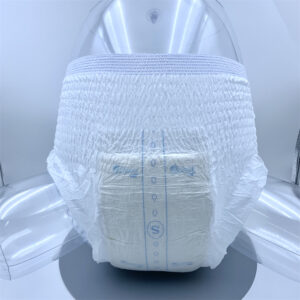
This is achieved through a combination of thoughtful features. Contoured shapes that are narrower in the crotch area reduce bulk and prevent uncomfortable bunching, allowing for a more natural gait for those who are mobile. High-performance leg cuffs, often made with multiple strands of soft lycra, create a gentle but effective barrier around the leg openings, forming a primary defense against leaks. These cuffs must be engineered to be effective without digging into the skin or restricting circulation. Another critical element is the fastening system. Modern diapers use refastenable tabs, often with a hook-and-loop mechanism (similar to Velcro), that can be adjusted and reapplied multiple times to achieve a perfect fit. This is particularly useful for caregivers, who can check the diaper without having to replace it entirely. Stretchable side panels, which expand and contract with the body’s movements, further enhance the fit and comfort, ensuring the diaper stays in place whether the user is sitting, standing, or lying down. These design elements work together to create a product that feels less like a medical device and more like a piece of underwear, contributing to a sense of normalcy and preserving the user’s freedom of movement.
Hypoallergenic Materials and Skin-Friendly Topsheets
The skin of an older person is fundamentally different from that of a younger adult. It is typically thinner, has less natural elasticity and oil, and has a slower healing capacity. This makes it exquisitely sensitive to irritation and breakdown. Recognizing this, responsible manufacturers place an enormous emphasis on the materials that come into direct contact with the skin. The goal is to create a product that is as inert and gentle as possible.
This begins with what is left out. High-quality adult diapers are produced without common allergens and irritants. They are often designated as “chlorine-free,” meaning the fluff pulp used in the core is bleached using oxygen-based methods instead of elemental chlorine, which can leave behind trace amounts of dioxins. They are also typically “latex-free,” substituting synthetic spandex for natural rubber latex in the elastic components to avoid triggering latex allergies. Finally, they are usually “fragrance-free,” as perfumes are a leading cause of contact dermatitis. The term “hypoallergenic” is not just a marketing label; it reflects a deliberate series of choices in the manufacturing process to minimize the risk of adverse skin reactions.
The topsheet, the layer that is in constant contact with the user’s skin, receives special attention. Its primary job is fluid dynamics: it must allow liquid to pass through it quickly into the absorbent core while remaining soft and dry to the touch. This is achieved with engineered non-woven fabrics that have a three-dimensional, apertured structure to rapidly channel moisture away from the surface. To further enhance skin health, many premium topsheets are infused with gentle, skin-conditioning agents. Aloe vera is a common addition, known for its soothing and anti-inflammatory properties. Vitamin E, an antioxidant, can help protect the skin from damage. Chamomile is sometimes used for its calming effects. These are not mere cosmetic additions; they are functional ingredients designed to support the skin’s natural barrier and proactively soothe areas that are under constant stress. This focus on biocompatibility is a hallmark of a patient-centered approach to product design and is a key reason why discerning buyers seek out these advanced products. For those seeking reliable incontinence solutions, exploring options from a trusted China adult nappies supplier can provide access to these advanced, skin-friendly features.
The Wetness Indicator: A Simple Yet Profound Tool
Sometimes, the most impactful innovations are the simplest. The wetness indicator is a perfect example. It is typically a thin line or pattern printed on the outside of the diaper using a pH-sensitive ink. When the diaper is dry, the line is one color (often yellow). When it comes into contact with urine, the change in pH causes the ink to react and change to another color (often blue or green). This simple visual cue provides a wealth of information at a glance.
For the caregiver, the benefits are immense. It eliminates the need for guesswork and intrusive physical checks. A caregiver can see instantly if a change is needed without having to wake a sleeping patient or disturb someone who is in pain. This not only preserves the dignity and comfort of the user but also makes the caregiver’s job more efficient and less stressful. It allows for a more scheduled and needs-based approach to care, rather than a reactive one. From an economic and environmental perspective, wetness indicators also reduce waste. They prevent unnecessary changes, ensuring that each diaper is used to its full capacity. This lowers the overall consumption of products and reduces the cost of care.
For the user, especially those who are lucid and aware, the wetness indicator can be a tool of empowerment. It gives them a way to discreetly monitor their own needs. The psychological impact of minimizing disturbances, particularly during the night, cannot be overstated. Restorative sleep is vital for healing and overall well-being. By reducing the number of times a patient is woken for checks, the wetness indicator contributes directly to their quality of life. It is a small feature that embodies a larger principle of respectful, intelligent, and efficient care.
3. The Strategic Advantage of Cost-Effectiveness Without Compromising Quality
In any discussion involving healthcare or long-term care, the topic of cost is unavoidable and of profound importance. For large institutions, distributors, and individual families, managing expenses is a constant challenge. A common misconception is that sourcing products from regions with high manufacturing capacity, such as China, necessitates a compromise on quality. However, a deeper examination of the modern hygiene product industry reveals a different reality. The strategic advantage offered by leading Chinese manufacturers is not simply a lower price tag; it is the achievement of a remarkable balance between high quality and cost-effectiveness. This balance is made possible by the principles of industrial scale, a sophisticated understanding of total cost, and mastery over complex global logistics.
Economies of Scale in Chinese Manufacturing
The concept of economies of scale is a fundamental principle of economics: as the volume of production increases, the cost per unit of production decreases. China’s manufacturing sector is perhaps the world’s most vivid illustration of this principle in action. In the context of adult diapers, this manifests in several ways. First, manufacturers operate on a massive scale, with factories running dozens of fully automated production lines 24 hours a day. This high level of automation reduces labor costs and increases output efficiency dramatically.
Second, there is the advantage of the supply chain ecosystem. These large manufacturers are often co-located with or have long-standing relationships with suppliers of raw materials—the non-woven fabrics, the SAPs, the fluff pulp, the elastics. They can purchase these materials in enormous quantities, giving them significant purchasing power and allowing them to negotiate the lowest possible prices. This vertical integration and supply chain maturity mean that delays are minimized and material costs are kept low. The savings achieved at every step of the process—from raw material sourcing to automated production to efficient packaging—are then passed on to the buyer. This allows a provider like a comprehensive cross-border enterprise to offer a product that incorporates advanced features like a breathable backsheet and high-grade SAPs at a price point that would be unattainable for a smaller-scale operation in a higher-cost region. The result is the democratization of quality; high-performance features are no longer confined to niche, premium-priced products but are available in cost-effective solutions for the mass market.
A Comparative Analysis of Total Cost of Ownership
A wise procurement manager, whether for a hospital or a household, looks beyond the price of a single item and considers the Total Cost of Ownership (TCO). TCO is a more holistic financial metric that assesses the direct and indirect costs of a product over its entire lifecycle. When it comes to adult diapers, a product with a lower price per piece can often be more expensive in the long run. Let us consider the factors that contribute to the TCO of an incontinence product.
The most obvious factor is the usage rate. A cheaper diaper with lower absorbency capacity may need to be changed six to eight times a day. A higher-performance diaper with a superior SAP core might only need to be changed three to four times a day. Even if the high-performance diaper costs 30% more per piece, the daily cost could be significantly lower. Then there are the indirect costs. A diaper that leaks frequently leads to increased laundry costs for bedding and clothing, as well as increased labor costs for caregivers who must spend time on cleanup. The most significant indirect cost, however, is clinical. A non-breathable, poorly fitting diaper that leads to a single case of Incontinence-Associated Dermatitis (IAD) or a pressure ulcer can incur substantial medical expenses for treatments, specialized dressings, and additional nursing care. These costs can dwarf the savings from choosing a cheaper diaper. A china Soft Breathable Old People Patients Adult Diapers that is designed to protect skin health is, in this light, a form of preventative medicine. It reduces the likelihood of costly secondary complications. The table below illustrates this concept.
| Cost Factor | High-Performance Breathable Diaper | Low-Cost Non-Breathable Diaper |
|---|---|---|
| Unit Price | $0.50 | $0.35 |
| Changes Per Day | 4 | 7 |
| Daily Diaper Cost | $2.00 | $2.45 |
| Estimated Monthly Laundry/Cleanup Cost (from leaks) | $10 | $40 |
| Risk of IAD & Associated Treatment Costs (per month) | Low (e.g., $5 average risk-adjusted cost) | High (e.g., $50 average risk-adjusted cost) |
| Total Estimated Monthly Cost | ($2.00 30) + $10 + $5 = $75.00 | ($2.45 30) + $40 + $50 = $163.50 |
Navigating Global Supply Chains for Value
The ability to deliver a cost-effective product to a buyer in New York, Moscow, or Dubai involves more than just efficient manufacturing. It requires a deep expertise in global logistics and supply chain management. Experienced Chinese manufacturers have developed sophisticated systems for navigating the complexities of international trade. They understand the documentation required for customs clearance in different regions, the most efficient shipping routes, and how to package products to maximize container space and minimize transit damage.
This logistical mastery provides stability and predictability for international buyers. They can receive reliable quotes that include shipping and duties, allowing them to manage their inventory and pricing with confidence. For a distributor or a large healthcare network, having a supply partner who can consistently deliver a high-quality product on time and on budget is a massive strategic asset. It frees them from the uncertainties of the supply chain and allows them to focus on their core mission of providing care or serving their customers. This reliability is a key component of the overall value proposition. It ensures that the benefits of cost-effective manufacturing are not lost to inefficient or unpredictable shipping and logistics. The partnership becomes one of shared success, where the manufacturer’s efficiency translates directly into the buyer’s profitability and operational stability.
Have any other questions? Welcome to contact us, we will serve you wholeheartedly!
4. Sophisticated and Flexible OEM/ODM Customization Capabilities
The global market for hygiene products is not monolithic. The needs of a large hospital chain in Europe are different from those of a new e-commerce brand in Southeast Asia or a government tender in the Middle East. A manufacturer’s ability to recognize and respond to this diversity is a measure of its sophistication. Leading Chinese suppliers have moved far beyond the role of simple mass production. They have cultivated deep capabilities in OEM (Original Equipment Manufacturer) and ODM (Original Design Manufacturer) services, positioning themselves as flexible partners who can tailor products and services to the specific needs of their clients. This flexibility is a powerful engine for innovation and market entry, allowing businesses of all sizes to bring their unique vision to life.
Understanding OEM vs. ODM in the Hygiene Sector
To appreciate the value of customization, it is helpful to first clarify the distinction between these two production models. They represent different levels of collaboration and are suited to different business strategies.
OEM, or Original Equipment Manufacturer, is a model where the client provides the complete product design and specifications. The client has done their own research and development, creating a detailed blueprint for the product they want. They then contract with the factory to produce that exact product under their brand name. The factory’s role is purely manufacturing. This model is typically used by large, established companies that have their own R&D departments and a very specific product they want to create. For example, a major global healthcare brand might design a new type of adult diaper pants with a unique absorbent core and hire a Chinese factory with the right technology to produce it exclusively for them.
ODM, or Original Design Manufacturer, is a more collaborative model. In this case, the factory has already invested in its own R&D and has developed a portfolio of existing, market-tested product designs. The client can then choose from this “white-label” catalog of products and have them packaged and branded as their own. The factory essentially provides a ready-made solution. This model is incredibly valuable for new entrants to the market, smaller businesses, or distributors who want to launch their own brand without incurring the massive upfront costs and time of product development. They can leverage the factory’s existing expertise and technology to get a high-quality product to market quickly. Many ODM suppliers also offer a hybrid approach, allowing clients to start with a base model and then request modifications—such as a different topsheet, a higher absorbency level, or a unique package count.
The Customization Process: From Concept to Product
The journey from an idea to a finished, packaged product ready for shipment is a complex one, but experienced manufacturers have streamlined it into a clear, manageable process. This structured approach provides clarity and confidence for the client, especially for those new to international sourcing. The process typically unfolds in several key stages:
- Initial Consultation and Needs Analysis: The process begins with a deep conversation. The supplier works to understand the client’s goals. Who is the target end-user? What is the target market (e.g., retail, institutional)? What is the desired price point and quality tier? What are the key features required (e.g., maximum breathability, specific absorbency level)?
- Material and Feature Selection: Based on the initial consultation, the client is presented with a menu of options. They can choose the specific type of SAP for the desired absorbency, the grade and softness of the non-woven fabrics for the topsheet and backsheet, the type of leg cuffs and fastening tabs, and whether to include features like a wetness indicator or odor control technology.
- Sizing and Ergonomic Specification: The client specifies the range of sizes needed (e.g., Medium, Large, Extra-Large) and works with the supplier’s technical team to ensure the dimensions and cut are appropriate for their target population’s body types.
- Packaging and Brand Design: This is where the client’s brand identity comes to life. The supplier’s team assists with designing the packaging, from the plastic bags that hold the diapers to the outer cartons used for shipping. This includes incorporating the client’s logo, branding, product information, and any required legal or regulatory text in the appropriate languages.
- Sample Production and Approval: Before committing to mass production, the factory produces a small batch of physical samples based on all the agreed-upon specifications. These samples are sent to the client for evaluation. The client can test the fit, feel, and performance of the product firsthand. This is a critical feedback loop that allows for final adjustments.
- Mass Production and Quality Control: Once the sample is approved, the order moves to the main production lines. Throughout this stage, rigorous quality control checks are performed to ensure that every unit conforms to the approved sample.
- Logistics and Shipment: The final stage involves carefully packing the finished goods into shipping containers and managing the logistics to deliver the order to the client’s desired port or warehouse anywhere in the world.
Tailoring Products for Diverse Global Markets
A truly global manufacturer understands that a product successful in one market may need adjustments to succeed in another. The flexibility of OEM/ODM services allows for this precise market-specific tailoring. For instance, sizing standards can differ significantly between Asia, Europe, and North America. A supplier with global experience will have sizing charts and patterns that can be adapted to fit the anthropometric data of the target population. For the Russian market, packaging might need to be bilingual, with text in both Cyrillic and English. For markets in the Middle East or Southeast Asia with hot, humid climates, the demand for highly breathable products is paramount.
The customization can also extend to absorbency levels. A product intended for overnight use or for patients with severe incontinence will require a much higher SAP content than a lighter diaper designed for active users with minor leakage. The packaging configuration can also be customized. A retailer might want consumer-friendly packs of 10 or 14, while a hospital might prefer bulk cases of 100. The ability to fine-tune these variables allows a client to create a product that is perfectly aligned with the cultural expectations, clinical needs, and retail environment of their specific market. This level of responsiveness transforms the manufacturer from a simple supplier into a strategic partner in the client’s success.
5. Rigorous Adherence to Global Quality and Safety Standards
For products that are integral to the health and well-being of vulnerable individuals, there can be no ambiguity regarding safety and quality. The trust that a caregiver, a hospital, or a family places in an adult diaper is immense. It is a trust that the product will perform as promised, that it is free from harmful substances, and that it has been produced in a safe and consistent manner. Recognizing this profound responsibility, premier Chinese manufacturers of hygiene products have invested heavily in achieving and maintaining the world’s most rigorous quality and safety certifications. This commitment is not merely about compliance; it is a foundational element of their business philosophy, providing verifiable assurance to partners and end-users across the globe.
The Alphabet of Certifications: ISO, CE, FDA
Navigating the world of international trade standards can be confusing, but a few key certifications serve as powerful indicators of a manufacturer’s commitment to quality. For buyers of medical and hygiene products, understanding what these letters signify is essential.
- ISO (International Organization for Standardization): This is a non-governmental organization that develops and publishes a vast range of proprietary, industrial, and commercial standards. The most relevant for this industry is ISO 9001, which pertains to Quality Management Systems. A factory with ISO 9001 certification has demonstrated that it has a robust, documented, and audited system for ensuring consistency and quality in its processes. It means they have clear procedures for everything from inspecting raw materials to training employees to calibrating machinery. It is a certification of the process, which is the foundation for a quality product.
- CE Mark: The CE mark is a mandatory conformity marking for products sold within the European Economic Area (EEA). The letters “CE” are an abbreviation of the French phrase “Conformité Européenne,” which means “European Conformity.” By affixing the CE mark to a product, a manufacturer declares that the product meets the high safety, health, and environmental protection requirements of the EU. For medical devices like adult diapers, this involves a rigorous assessment process to ensure the product is safe and performs as intended. The CE mark is effectively a passport that allows a product to be legally sold across the European Union, a market with some of the world’s strictest consumer protection laws.
- FDA (U.S. Food and Drug Administration): In the United States, medical devices are regulated by the FDA. While adult diapers are typically classified as Class I medical devices (the lowest risk category), manufacturers and exporters who wish to sell their products in the U.S. must register their facilities with the FDA and comply with its regulations. This ensures that the products meet American standards for safety and labeling.
When a manufacturer of china Soft Breathable Old People Patients Adult Diapers prominently displays these certifications, it is making a clear statement. It is signaling to the world that its products and processes have been scrutinized by independent, internationally respected bodies and have met their high benchmarks. For a distributor in Germany, a hospital in the United States, or a retailer in Russia, these certifications eliminate a significant amount of risk and due diligence, providing a reliable shortcut to identifying trustworthy suppliers.
Quality Control Throughout the Production Line
Certifications are the result of a deeply embedded culture of quality control that permeates every stage of the manufacturing process. This is not something that is checked only at the end; it is built in from the very beginning. The process looks something like this:
- Raw Material Inspection: Before any material enters the factory floor, it is quarantined and tested. Rolls of non-woven fabric are checked for softness, strength, and uniformity. Samples of SAPs and fluff pulp are tested in a lab for their absorbency capacity and rate. Elastics are tested for their stretch and recovery properties. Any batch of raw material that does not meet the strict specifications is rejected.
- In-Process Checks: Modern production lines are equipped with an array of automated sensors and high-speed cameras. These vision systems scan every single diaper as it moves down the line at incredible speeds, checking for defects like a misplaced tab, an incomplete leg cuff, or an unevenly distributed core. If a defect is detected, the system can automatically reject that individual unit. Human operators also conduct regular manual checks at various points in the line to ensure the automated systems are functioning correctly.
- Finished Product Testing: From every production run, a random sample of finished, packaged diapers is taken to the on-site quality control laboratory. Here, they undergo a battery of tests. Absorbency is tested by pouring a saline solution onto the diaper and measuring how much it can hold and how dry the surface remains. The strength of the refastenable tabs is tested by pulling them apart and reattaching them multiple times. The integrity of the seams and leg cuffs is also physically tested. Only when a batch has passed all these tests is it cleared for shipment.
This multi-layered approach to quality control, combined with production in clean, controlled environments that follow Good Manufacturing Practices (GMP), ensures a level of consistency and reliability that is essential for medical-grade products.
Traceability and Post-Market Surveillance
A final, crucial element of a modern quality system is traceability. Every single package of diapers is marked with a unique batch code or lot number. This code allows the manufacturer to trace the entire history of that product. They can identify the exact production line it was made on, the date and time of its production, the specific batches of raw materials that were used, and the results of the quality control tests for that run. This system is vital for accountability. In the highly unlikely event that a problem is discovered with a product after it has reached the market, this traceability system allows the manufacturer to quickly identify and recall all affected units from that specific batch. This capability for post-market surveillance provides a final layer of safety and peace of mind for everyone in the supply chain, from the distributor to the ultimate end-user. It is the hallmark of a mature and responsible manufacturing operation that stands behind its products long after they have left the factory gates. This commitment to quality and safety is essential for all incontinence products, including specialized items like pull-up style adult diaper pants.
Frequently Asked Questions
- 1. What makes a diaper “breathable” and why does it matter?
- A “breathable” diaper has an outer layer, or backsheet, made of a special non-woven fabric with microscopic pores. These pores are large enough to allow water vapor and heat to escape, but too small for liquid water molecules to pass through. This matters immensely for skin health. It prevents the buildup of heat and humidity against the skin, which can lead to maceration (skin softening), irritation, rashes, and more serious conditions like Incontinence-Associated Dermatitis (IAD). It keeps the skin’s microclimate cooler and drier, which is vital for long-term wearers, especially those who are bedridden or have sensitive skin.
- 2. Are adult diapers from China safe for sensitive skin?
- Yes, high-quality adult diapers from reputable Chinese manufacturers are specifically designed to be safe for sensitive skin. They achieve this by using hypoallergenic materials and a thoughtful production process. This includes using fluff pulp that is bleached without chlorine, avoiding natural rubber latex in elastics, and omitting fragrances and lotions that can cause irritation. The topsheets that contact the skin are engineered to be exceptionally soft and to wick moisture away rapidly. When sourcing products, look for suppliers who explicitly state their products are hypoallergenic and hold international certifications like CE and ISO, which validate their safety standards.
- 3. How do I choose the right absorbency level?
- Choosing the right absorbency level depends on the individual’s needs. Manufacturers typically offer a range, from light (for minor leaks or stress incontinence) to moderate, heavy, and maximum/overnight (for total incontinence or extended wear). Consider the following:
- Level of Incontinence: How much leakage occurs, and how frequently?
- Time of Use: A higher absorbency is needed for overnight use to ensure uninterrupted sleep. A lighter product may be sufficient for daytime activities.
- Mobility: Active individuals might prefer a thinner, more discreet product with moderate absorbency, while less mobile or bedridden individuals will need maximum protection.
It is often best to start with a moderate or heavy absorbency and adjust as needed. Consulting with a healthcare provider can also provide guidance.
- 4. Can I get custom-branded adult diapers for my business?
- Absolutely. This is a primary service offered by leading Chinese manufacturers, known as OEM (Original Equipment Manufacturer) or ODM (Original Design Manufacturer) services. You can work with the factory to create a product line with your own brand name and packaging. With ODM, you can select from the factory’s existing high-quality product designs and brand them as your own. With OEM, you can provide your own unique product specifications for them to manufacture. This allows you to launch a private-label brand for retail, healthcare, or institutional markets.
- 5. What is the difference between an adult diaper and a pull-up style pant?
- The main difference is the design and how they are worn. An adult diaper, also known as a brief, has refastenable tabs on the sides. It is laid out flat and then secured around the user. This design is often preferred for individuals with limited mobility or those who are being changed by a caregiver, as it does not require lifting the legs or removing pants and shoes. A pull-up style pant, or protective underwear, is designed like regular underwear and is pulled up over the legs. It offers more discretion and a sense of normalcy for active, mobile individuals who can manage their own changes.
- 6. How do superabsorbent polymers (SAPs) work?
- Superabsorbent polymers are tiny granules of a special chemical (usually sodium polyacrylate) that can absorb and lock away hundreds of times their own weight in liquid. They work through osmosis. The polymer has a higher concentration of ions than urine, which creates a force that pulls the liquid into the polymer’s structure. As the liquid is absorbed, the polymer swells and transforms into a stable gel. Critically, this gel holds the liquid tightly, even under pressure, which prevents it from “rewetting” the surface of the diaper and keeps the skin feeling dry.
- 7. Are these products environmentally friendly?
- The environmental impact of any single-use disposable product is a serious consideration. Traditional adult diapers are not biodegradable. However, the industry is making progress. Many manufacturers, including those in China, are exploring more sustainable materials, such as using fluff pulp from sustainably managed forests (certified by FSC or PEFC), developing bio-based plastics for backsheets, and reducing packaging materials. Furthermore, using a high-performance, highly absorbent diaper can actually reduce overall waste. Because fewer changes are needed per day compared to a low-quality product, the total volume of waste generated can be lower.
- 8. How do wetness indicators improve care for patients?
- A wetness indicator is a simple colored line on the outside of the diaper that changes color when it comes into contact with urine. This provides a clear, non-invasive visual cue for caregivers. It improves care in several ways:
- Dignity: It eliminates the need for physical, intrusive checks, respecting the patient’s privacy.
- Comfort: It reduces disturbances, especially at night, allowing for better quality sleep and rest.
- Efficiency: Caregivers can see at a glance when a change is needed, making their workflow more efficient.
- Cost-Effectiveness: It prevents premature changes, ensuring each product is used to its full capacity and reducing overall product consumption and waste.
Conclusion
The examination of China Soft Breathable Old People Patients Adult Diapers reveals a product category that has transcended its utilitarian origins to become a sophisticated tool for compassionate and effective care. The decision to source these products is not a simple calculation of unit price but a strategic choice grounded in an appreciation for advanced material science, a deep commitment to dermatological health, and the economic wisdom of evaluating total cost. The convergence of highly efficient, scaled manufacturing with a robust adherence to global quality standards has created a unique value proposition. Manufacturers in this space offer not just a product, but a partnership, providing flexible customization that allows businesses and healthcare providers to meet the specific needs of diverse populations. Ultimately, the selection of a well-engineered, breathable, and comfortable incontinence product is an investment in human dignity. It affirms the principle that every person, regardless of age or physical condition, deserves a standard of care that promotes health, comfort, and a sense of well-being. The advancements achieved by these manufacturers provide a powerful means to uphold that principle on a global scale.
References
- Beeckman, D., Van Lancker, A., Van Hecke, A., & Verhaeghe, S. (2014). A systematic review and meta-analysis of incontinence-associated dermatitis, incontinence, and moisture as risk factors for pressure ulcer development. Research in Nursing & Health, 37(3), 204–218. https://doi.org/10.1002/nur.21593
- Buchholz, F. L., & Peppas, N. A. (Eds.). (1994). Superabsorbent Polymers: Science and Technology. American Chemical Society. https://pubs.acs.org/doi/book/10.1021/bk-1994-0573
- Fader, M., Cottenden, A. M., & Getliffe, K. (2008). Absorbent products for urinary/faecal incontinence: a comparative evaluation of key product designs. Health Technology Assessment, 12(29), iii–iv, ix–133. https://doi.org/10.3310/hta12290
- International Organization for Standardization. (2015). ISO 9001:2015 Quality management systems — Requirements. https://www.iso.org/standard/62085.html
- Larrabee, B., & Fer-Donlon, D. (2020). Navigating the FDA regulatory process for bringing a medical device to market. Journal of Medical Practice Management, 35(4), 213–216.
- National Institute on Aging. (2017). Skin Care and Aging. U.S. Department of Health & Human Services. https://www.nia.nih.gov/health/skin-care-and-aging
- Qin, Y. (Ed.). (2016). Melt-Blown and Spunbond Nonwovens. DEStech Publications, Inc. (This reference points to a general resource on the technology).
- U.S. Food & Drug Administration. (2020). Medical Device Overview. https://www.fda.gov/industry/regulated-products/medical-device-overview
- Vo, T. (2023). What Is a CE Mark?. BSI Group. https://www.bsigroup.com/en-US/medical-devices/our-services/ce-marking/
- Yeesain. (n.d.). Adult Diaper. Yeesain Health Technology Co., Ltd.


