Abstract
The selection of adult incontinence products within a hospital setting is a decision rooted in clinical efficacy, patient well-being, a deep understanding of human vulnerability. Medical institutions prioritize products that offer superior absorbency, protect skin integrity, facilitate ease of use for both patients caregivers. An examination of the criteria reveals a preference for briefs with specific technological features, such as a superabsorbent polymer (SAP) core for maximum fluid retention, breathable outer covers to mitigate risks of dermatitis, wetness indicators for timely changes. For ambulatory patients, protective underwear that promotes independence is favored, while tab-style briefs are standard for non-ambulatory individuals, allowing for more straightforward changes by healthcare professionals. The choice is not arbitrary; it is a calculated component of a broader incontinence care protocol designed to uphold patient dignity, prevent secondary health complications like skin breakdown, optimize nursing workflows. Understanding these institutional choices provides valuable insight for individuals seeking effective incontinence management solutions for home care environments.
Key Takeaways
- Hospitals prioritize high-absorbency briefs with superabsorbent polymer cores.
- Breathable materials are preferred to protect skin integrity prevent rashes.
- Briefs with tabs are used for non-mobile patients for caregiver ease.
- Mobile patients often use pull-up style underwear to maintain independence.
- Knowing what kind of diapers do hospitals use for adults helps in home care choices.
- Wetness indicators are a simple feature that signals the need for a change.
- Proper fit is paramount to prevent leaks ensure product effectiveness.
Table of Contents
- Understanding the Hospital Environment: Why Specialized Diapers are Necessary
- Feature 1: Superior Absorbency and Containment Technology
- Feature 2: Prioritizing Skin Integrity and Breathability
- Feature 3: Design for Usability and Patient Mobility
- Beyond the Product: Hospital Protocols for Incontinence Care
- Translating Hospital Standards to Home and Personal Care
- FAQ: Answering Your Pressing Questions
- Conclusion
- References
Understanding the Hospital Environment: Why Specialized Diapers are Necessary
Contemplating the environment of a modern hospital requires an appreciation for the intricate web of systems designed to support human life during periods of profound vulnerability. Within these walls, every object, from a heart monitor to a simple linen, is chosen with purpose. The adult diaper, or incontinence brief, is no exception. Its selection is far from a matter of simple convenience; it represents a critical intersection of medical science, compassionate care, logistical efficiency. To truly grasp what kind of diapers do hospitals use for adults, one must first explore the unique context in which these products are deployed. It is a world where patient outcomes are paramount, where the smallest detail can have significant repercussions for health dignity.
The Unique Challenges of Incontinence in a Clinical Setting
Incontinence, the involuntary loss of bladder or bowel control, presents a substantially different challenge in a hospital compared to a home setting. A significant portion of the hospitalized population experiences some form of incontinence, with rates as high as 40% in acute care settings (Vitality Medical, 2025). The condition may be a temporary result of surgery, medication, or acute illness, or it may be a chronic issue related to a patient’s underlying diagnosis.
Patients are often bedridden or have severely limited mobility, making self-care impossible. They are reliant on nursing staff for their most basic hygiene needs. The hospital environment itself, with its constant activity, unfamiliar surroundings, shared rooms, can strip away a person’s sense of privacy control, making the experience of incontinence all the more distressing. The goal of incontinence management in a hospital is not merely containment; it is about mitigating a cascade of potential negative outcomes. Unmanaged incontinence can lead to skin breakdown, infections, increased risk of falls if a patient attempts to rush to the bathroom, a profound loss of dignity that can impede psychological recovery.
Patient Dignity, Comfort, and Health: A Threefold Priority
The philosophical underpinnings of good nursing care rest on a foundation of respect for the individual. A person’s dignity does not diminish with the onset of illness. Hospitals, therefore, seek incontinence products that support a patient’s sense of self-worth. A product that leaks, feels bulky, or makes rustling noises can be a source of constant embarrassment. A well-designed brief should be discreet, comfortable against the skin, exceptionally reliable.
Comfort is intrinsically linked to health. An ill-fitting or abrasive product can cause physical discomfort, chafing, pain, leading to restlessness poor sleep, which are detrimental to healing. More seriously, prolonged exposure to moisture from urine or feces can compromise the skin’s protective barrier. The clinical imperative is to keep the skin as dry as possible. The reason professionals are so specific about what kind of diapers do hospitals use for adults is directly tied to the prevention of Incontinence-Associated Dermatitis (IAD), a painful inflammation of the skin that can progress to pressure ulcers or secondary infections (Regency HCS, 2025). A high-performance diaper is a frontline tool in preventative skincare.
The Economic and Logistical Realities of Hospital Procurement
While patient care is the primary driver, hospitals are also large organizations that must operate efficiently. The choice of an adult diaper is influenced by economic logistical considerations. A cheaper, lower-quality product might seem cost-effective initially, but it can lead to higher overall costs. If a diaper leaks, it necessitates changing not only the product itself but also the patient’s gown, bed linens, possibly even the underpad. The labor cost associated with these extra changes, along with the increased laundry expenses, quickly negates any upfront savings.
Furthermore, a less absorbent product requires more frequent changes, consuming more nursing time. In a busy hospital ward where nurses are managing multiple patients with complex needs, time is a precious commodity. A high-capacity diaper that can safely last for several hours, or even overnight, allows staff to attend to other pressing medical tasks. Therefore, procurement departments look for the best value, not the lowest price. They analyze the “cost-in-use,” which includes the product price plus the associated costs of labor, laundry, the medical treatment of complications like IAD. The meticulous process of selecting what kind of diapers do hospitals use for adults is a balancing act between clinical excellence, patient dignity, operational pragmatism.
Feature 1: Superior Absorbency and Containment Technology
At the very heart of an incontinence product’s function is its ability to absorb contain fluid. In a hospital, where patients may be catheter-free, receiving intravenous fluids, or experiencing heavy, unpredictable voids, the demand for high-performance absorbency is non-negotiable. A failure in absorbency is not a minor inconvenience; it is a clinical event that compromises patient hygiene, comfort, safety. The technology embedded within a hospital-grade diaper is surprisingly sophisticated, engineered to manage significant fluid volumes while keeping the skin dry. It is this technological prowess that fundamentally answers the question of what kind of diapers do hospitals use for adults.
The Science of Superabsorbent Polymers (SAP)
The magic behind a modern high-capacity diaper lies in a material called Superabsorbent Polymer, or SAP. Before the widespread use of SAP, incontinence products relied on bulky fluff pulp alone, which had limited capacity could feel wet against the skin as it became saturated. Imagine a simple paper towel; it absorbs liquid, but if you press on it, the liquid comes right back out. Fluff pulp acts in a similar way.
SAP changed everything. These are tiny, granular crystals, often integrated within the fluff pulp core, that can absorb absorb hundreds of times their own weight in liquid. When SAP comes into contact with urine, it rapidly transforms into a gel. A key property of this gel is its ability to lock the liquid away, even under pressure (Continence Product Advisor, 2025). So when a patient is sitting or lying on the saturated part of the brief, the moisture does not “squeeze out” back onto their skin. The fluff pulp acts as a wicking agent, quickly pulling moisture away from the body SAP then traps it. This dual-action core is what allows a modern brief to feel relatively dry to the touch even when it is holding a substantial amount of fluid, a critical factor in preventing skin breakdown.
Differentiating Absorbency Levels: From Light to Bariatric Needs
Hospitals do not use a one-size-fits-all approach. They stock a range of products with varying absorbency levels to match the specific needs of each patient. A patient who is mostly mobile might only need a light pad for occasional stress incontinence, while a bedridden patient with total incontinence requires a maximum-absorbency brief. Understanding these levels is key for anyone looking to translate hospital standards to home care.
| Absorbency Level | Typical Fluid Capacity | Common Hospital Use Case |
|---|---|---|
| Light | Up to 300 ml | Post-operative patients regaining mobility, minor stress incontinence, use as a guard with other products. |
| Moderate | 300 ml – 900 ml | Patients with predictable, moderate voids who are somewhat mobile require reliable protection. |
| Heavy | 900 ml – 1500 ml | Standard for most non-ambulatory patients, overnight use, individuals with unpredictable heavy gushes. |
| Maximum / Overnight | 1500 ml+ | Bariatric patients, patients on diuretic medications, extended wear situations to allow for uninterrupted sleep. |
The careful matching of absorbency level to patient need is a core nursing skill. Using a product with insufficient absorbency leads to leaks compromised skin. Conversely, using an overly absorbent— a more expensive—product for light needs is an inefficient use of resources.
Leak Guards and Leg Cuffs: The First Line of Defense
While the absorbent core is vital, even the best core is useless if fluid escapes before it can be absorbed. This is where physical design features like leak guards come into play. These are soft, hydrophobic (water-repelling) cuffs that run along the inside length of the leg openings. They stand up to create a channel, directing fluid toward the center of the absorbent core.
Think of them as small levees on either side of a river. They do not stop the flow of water (urine) but guide it, preventing it from spilling over the banks (the leg openings). For patients who are lying on their side, these inner leg cuffs are particularly important for preventing lateral leaks. A well-designed brief will have tall, yet soft, leak guards that conform to the body without digging into the skin, providing a secure seal without sacrificing comfort. The effectiveness of these simple design elements is a major consideration when evaluating what kind of diapers do hospitals use for adults.
Managing Different Types of Incontinence: Urinary vs. Fecal
Urinary fecal incontinence present different management challenges. Urine is a low-viscosity liquid that needs to be absorbed quickly. Fecal incontinence, particularly loose stool or diarrhea, is more difficult to contain. The solids need to be kept away from the skin to prevent irritation bacterial spread, while any associated liquid must also be absorbed.
Hospital-grade briefs are designed to handle both. The top sheet of the diaper is engineered to allow liquid to pass through quickly while helping to contain solid matter. The high-capacity core can then absorb the liquid component. For fecal incontinence, the fit of the brief around the legs the rear is paramount. A snug fit in the gluteal cleft is necessary to prevent leakage from the back, especially for bedridden patients. Some specialized products also have odor-control technology, which uses ingredients like activated charcoal or specific bonding molecules within the core to neutralize the ammonia smell from urine other odors, further preserving patient dignity. For those managing complex care needs, finding a product with these dual-purpose capabilities is essential, a standard set by the rigorous demands of professional healthcare environments.
Feature 2: Prioritizing Skin Integrity and Breathability
Beyond the fundamental task of containment, a hospital-grade incontinence product serves a profound secondary purpose: to act as a guardian of the skin. In a clinical context, the skin is not merely the body’s outer covering; it is the largest organ, a vital barrier against infection, a key indicator of overall health. Patients in hospitals are often at a heightened risk for skin complications due to factors like immobility, poor nutrition, underlying medical conditions. When incontinence is added to this equation, the risk of skin breakdown increases exponentially. For this reason, the conversation about what kind of diapers do hospitals use for adults is dominated by considerations of skin science material technology.
The Threat of Incontinence-Associated Dermatitis (IAD)
Incontinence-Associated Dermatitis, or IAD, is a specific form of skin inflammation that occurs when the skin is exposed to urine or feces. It is a constant concern for hospital nursing staff. The process begins with over-hydration of the skin from prolonged moisture exposure, which weakens its barrier function. Urine, which is naturally slightly acidic, can become more alkaline upon sitting, raising the skin’s pH away from its healthy, acidic state. This change makes the skin more susceptible to damage from friction, like the rubbing of a sheet or the diaper itself, more vulnerable to colonization by microorganisms (Vitality Medical, 2025).
The result is redness, pain, swelling, sometimes the formation of blisters or erosions. IAD is not just a “diaper rash”; it is a painful medical condition that can be difficult to treat can serve as a gateway to more severe problems like pressure ulcers (bedsores) bacterial or fungal infections. Preventing IAD is a primary goal of any hospital incontinence care program, the choice of diaper is the cornerstone of that prevention strategy.
Breathable Materials vs. Plastic-Backed Briefs: A Clinical Perspective
For many years, adult diapers featured a non-breathable, plastic outer layer (often called a poly-back). The logic was simple: plastic is waterproof, so it will prevent leaks. While true, this design created a harmful microenvironment against the skin. It trapped heat moisture, preventing air circulation, essentially creating a sauna-like effect. This warm, damp environment is the perfect breeding ground for skin breakdown IAD.
Modern, high-quality diapers, the type universally preferred in hospitals today, feature a breathable, cloth-like outer cover. These materials are designed with microscopic pores that are large enough to allow water vapor heat to escape, but too small for liquid water molecules to pass through. Think of it like the technology in a high-end raincoat: it keeps the rain out but allows your sweat to evaporate so you do not get clammy inside. This breathability helps to keep the skin cooler drier, maintaining a healthier microclimate reducing the risk of IAD. While plastic-backed briefs still exist, primarily in lower-cost consumer markets, they are largely considered obsolete in professional healthcare settings due to the clear clinical benefits of breathability.
| Feature | Breathable (Cloth-Like) Diapers | Plastic-Backed (Poly-Back) Diapers |
|---|---|---|
| Air Circulation | Excellent; allows heat and vapor to escape, keeping skin cooler and drier. | Poor; traps heat and moisture, creating a warm, damp environment. |
| Skin Health Risk | Lower risk of IAD, heat rash, and maceration. | Higher risk of IAD and skin breakdown due to moisture and heat buildup. |
| User Comfort | Soft, quiet, and feels more like regular underwear. | Can feel stiff, crinkly, and may cause sweating. |
| Discretion | Very discreet; the quiet material does not make noise during movement. | Can be noisy (“crinkling” sound), reducing discretion and potentially causing embarrassment. |
The Role of pH-Balanced Topsheets and Skin-Friendly Materials
The advanced technology is not limited to the outer cover. The innermost layer of the diaper, the topsheet that lies directly against the skin, is also a piece of sophisticated engineering. The ideal topsheet has several functions. First, it must be exceptionally soft non-abrasive to minimize friction. Second, it must be hydrophobic, designed to pull moisture away from the skin transfer it rapidly to the absorbent core below.
Many premium hospital-grade diapers now feature topsheets that are treated with skin-friendly emollients like aloe, chamomile, or vitamin E. These ingredients can help to soothe the skin reduce irritation. Some advanced products even have a pH-balanced topsheet. As mentioned, urine can raise the skin’s pH to an unhealthy level. A pH-balanced topsheet helps to counteract effect, maintaining the skin’s natural acidic mantle, which is its first line of defense against microbial growth. This attention to the chemical interaction between the product the skin is a hallmark of a clinically superior diaper.
Wetness Indicators: A Simple Tool for Proactive Care
A seemingly simple feature with significant clinical utility is the wetness indicator. This is typically a line or pattern printed on the outside of the diaper using a special pH-sensitive ink. When the diaper is dry, the line is one color (often yellow). As the diaper absorbs urine, the change in pH causes the ink to change color (often to blue or green).
This indicator serves two purposes. For the patient, it provides an immediate visual cue that a change is needed. For the caregiver, it allows for a quick, dignified check without having to undo the tabs physically feel the inside of the brief. This “check without disturbing” capability is invaluable. It reduces unnecessary handling of the patient, preserves their dignity, allows for timely changes that are proactive rather than reactive. By changing the brief as soon as it is sufficiently wet, rather than waiting for it to leak, caregivers can drastically reduce the amount of time the skin is exposed to moisture, directly contributing to the prevention of IAD. It is a small detail that embodies the hospital’s philosophy of care: efficient, dignified, preventative.
Feature 3: Design for Usability and Patient Mobility
The effectiveness of an incontinence product is not determined solely by its materials its absorbency. The physical design of the product—its shape, its fastening system, its overall form—is equally vital. A product must be easy for a caregiver to apply correctly on a patient with limited mobility, it must also support the independence dignity of a patient who can still move about. Hospitals make a clear distinction between two primary designs to meet these divergent needs. The deliberation over what kind of diapers do hospitals use for adults is therefore a deliberation about form function, about matching the right tool to the right human situation.
Adult Briefs with Tabs: The Standard for Bedridden Patients
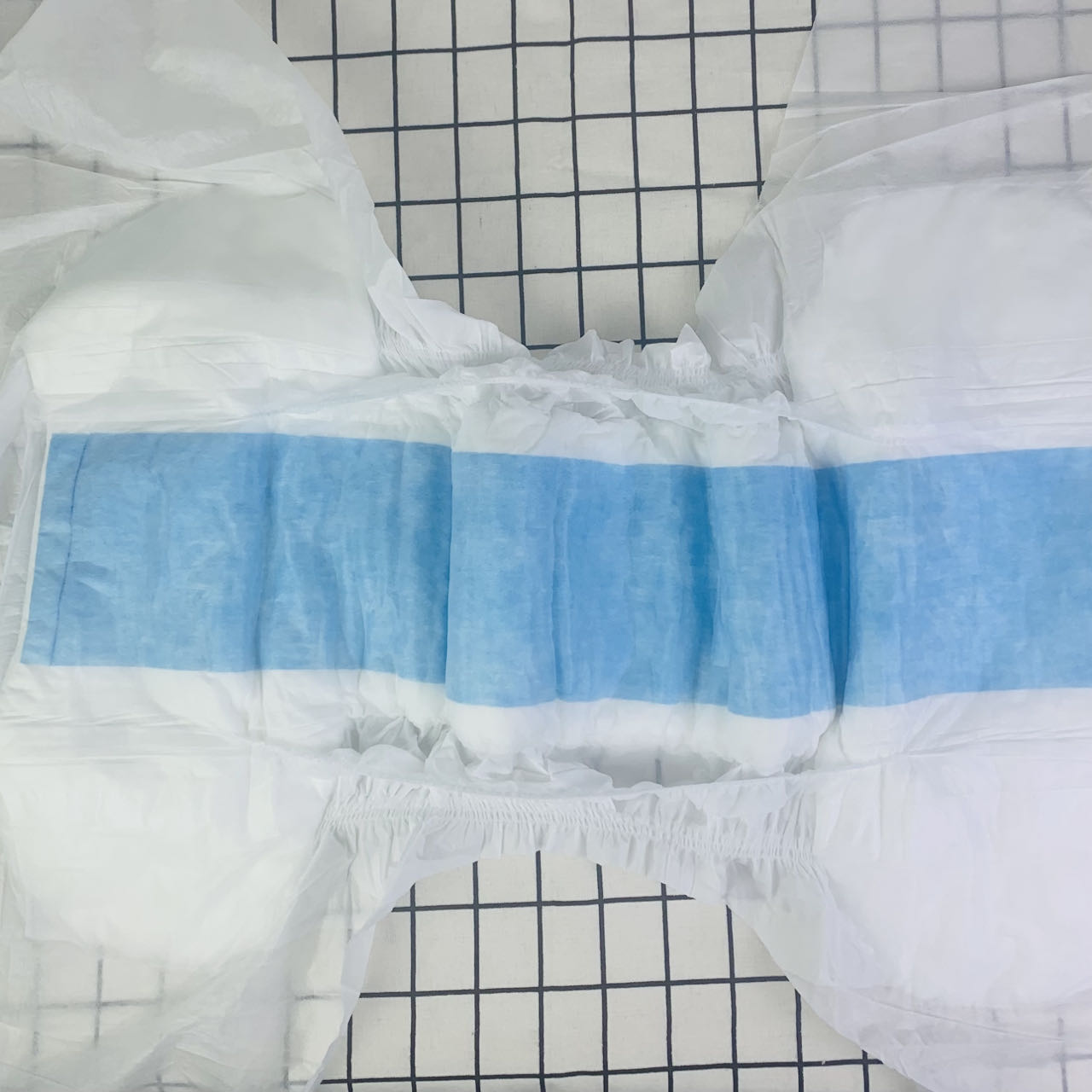
For patients who are bedridden, non-ambulatory, or require total assistance from a caregiver, the adult brief with tabs is the universal standard. These are the products most people picture when thinking of an “adult diaper.” They are essentially a flat sheet of absorbent material with two wings on each side, each equipped with adhesive or hook-and-loop tabs.
The reason for their dominance in this context is purely practical. A caregiver can place the unfolded brief under a patient who is rolled onto their side, then gently roll the patient back onto the brief. The front panel is then brought up between the legs the side wings are secured with the tabs. The entire process can be done with minimal movement from the patient, which is critical for individuals who are frail, in pain, or recovering from surgery. The tabs allow for a highly customized fit, as they can be angled up or down to create a snug seal around the legs the waist. This adaptability is essential because hospitalized patients come in all shapes sizes, a secure fit is the primary defense against leakage. The search for what kind of diapers do hospitals use for adults for non-mobile individuals almost always ends with a high-quality, tab-style brief. notes that this style is recommended for those with limited mobility because the tabs are easier to custom fit apply remove.
Protective Underwear (Pull-Ups): Promoting Independence in Mobile Patients
For patients who are mobile—those who can stand, walk, use the toilet with some assistance—the psychological impact of incontinence care is a major consideration. Forcing an ambulatory person to wear a tab-style brief can feel infantilizing can undermine their sense of autonomy. In these cases, hospitals opt for protective underwear, often known by the brand name “pull-ups.”
These products are designed to look feel like regular underwear. They have a stretchy, elasticized waist can be pulled on off just like a normal undergarment. This design empowers patients to manage their own care as much as possible. They can pull the product down to use the toilet then pull it back up, which reinforces normal toileting routines can be an important part of rehabilitation. It fosters a sense of normalcy dignity, which can be profoundly beneficial for a patient’s mental state overall recovery. While they offer substantial protection, they are also discreet enough to be worn under regular clothes or a hospital gown without being obvious, a feature highlighted by brands like . For easy removal by a caregiver if a full change is needed, most protective underwear products also feature tear-away side seams.
Ergonomics for Caregivers: Refastenable Tabs and Easy Changes
The design of an incontinence product also considers the end-user who is often not the patient, but the nurse or care aide. Repetitive motions, like changing dozens of briefs per shift, can lead to physical strain. Product features that make the job easier faster are highly valued.
One of the most significant innovations in tab-style briefs has been the move from simple adhesive tabs to refastenable hook-and-loop systems. Traditional adhesive tabs could only be fastened once. If the caregiver did not get the fit right on the first try, the tab could not be repositioned without tearing the outer cover of the brief. Refastenable tabs, similar to Velcro, can be opened closed multiple times. This allows the caregiver to adjust the fit for optimal comfort leakage protection. It also allows for quick checks of the skin or the brief’s saturation without having to completely remove replace the product. This small feature saves time, reduces product waste, results in a better, more secure fit for the patient.
Sizing and Fit: The Foundation of Effective Incontinence Management
No amount of absorbent technology or breathable material can compensate for a poorly fitting product. A brief that is too large will have gaps around the leg openings or waist, creating obvious pathways for leaks. A brief that is too small will be uncomfortable, may cause chafing or pressure marks, will not have its absorbent core positioned correctly to be effective.
Hospitals stock a wide array of sizes, from small to bariatric, to ensure a proper fit for every patient. Nursing staff are trained to measure a patient’s waist hip size to select the appropriate product. A proper fit should be snug but not tight. You should be able to slide a finger comfortably between the brief the patient’s skin at the leg cuff the waistband. The core of the product should be centered correctly in the perineal area. Achieving the right fit is the first most important step in any incontinence management plan. It is a foundational principle that guides the practices of both medical professionals a reliable supplier of hygiene products who understand that performance begins with a perfect fit.
Beyond the Product: Hospital Protocols for Incontinence Care
To fully appreciate what kind of diapers do hospitals use for adults, it is necessary to look beyond the physical product itself. The diaper, no matter how advanced, is just one component of a comprehensive system of care. Hospitals develop detailed protocols procedures for managing incontinence that involve scheduling, hygiene practices, staff education. These protocols are designed to maximize the effectiveness of the products they use to ensure the highest standards of patient care. The diaper is the tool, but the protocol is the skill with which that tool is used.
Scheduled Changing Routines vs. On-Demand Care
A common practice in hospitals is “scheduled toileting” or “timed voiding.” This involves taking patients to the toilet or changing their incontinence product on a regular schedule, perhaps every two to four hours, rather than waiting for the patient to request a change or for the product to fail. This proactive approach has several benefits. It helps to establish a predictable routine, which can be comforting for the patient can sometimes help in bladder retraining.
Most importantly, it ensures that the patient is not left in a soiled product for an extended period. By regularly changing the brief, the staff minimizes the duration of skin exposure to moisture irritants, which is the single most effective strategy for preventing IAD. While on-demand changes are also performed whenever a patient requests it or a wetness indicator shows it is necessary, the underlying schedule provides a safety net. This routine-based approach ensures a consistent standard of care, even during busy shifts when a nurse might be pulled in many directions.
The Importance of Proper Cleansing and Barrier Creams
Changing a diaper is not just about swapping a used one for a fresh one. The hygiene steps performed during the change are just as important as the product itself. Hospital protocols specify the correct way to cleanse the skin after an incontinence episode. Harsh soaps water can strip the skin of its natural protective oils, so gentle, pH-balanced perineal cleansers are used. These are often no-rinse formulas that are sprayed on gently wiped away, minimizing friction on delicate skin.
After cleansing gently patting the skin dry (never rubbing), a barrier cream or ointment is often applied. These products form a protective layer on the skin, acting as a physical barrier against moisture irritants. Common ingredients include zinc oxide or petrolatum. The cream should be applied in a thin layer; a thick application can actually clog the pores of the diaper’s topsheet, preventing it from wicking moisture effectively (Comfort Plus Online, 2025). The synergistic use of a high-quality brief, a gentle cleanser, a protective barrier cream forms a three-pronged defense for maintaining skin health in the face of incontinence.
Training and Education for Nursing Staff
The final piece of the puzzle is the human element. Even the best products protocols are ineffective if the staff are not properly trained to use them. Hospitals invest in ongoing education for their nursing teams on all aspects of incontinence care. Training covers topics such as:
- How to properly assess a patient for the correct product type size.
- The correct technique for applying a tab-style brief on a bedridden patient to ensure a secure fit prevent leaks.
- Recognizing the early signs of Incontinence-Associated Dermatitis.
- Proper skin cleansing techniques the correct application of barrier creams.
- Understanding the features of the specific products the hospital uses, like wetness indicators refastenable tabs.
- Strategies for communicating with patients about incontinence in a sensitive dignified manner.
This education empowers nurses to be not just caregivers, but proactive skin health managers. They understand the “why” behind the protocols, not just the “how.” They become experts in using the tools at their disposal to provide the best possible outcomes for their patients. The answer to “what kind of diapers do hospitals use for adults” is incomplete without acknowledging the skilled professionals who select apply them.
Translating Hospital Standards to Home and Personal Care
The knowledge of what kind of diapers do hospitals use for adults is not merely academic. It provides a powerful framework for individuals caregivers making these same choices for care at home. The principles that guide a hospital’s procurement department—prioritizing absorbency, skin health, ease of use—are directly applicable to selecting products for a loved one or for personal use. By adopting a clinical mindset, you can navigate the often-confusing consumer market to find a solution that offers security, comfort, dignity.
How to Choose a Product for Your Specific Needs
The first step is to perform a personal assessment, just as a nurse would. Do not be swayed by marketing jargon or packaging alone. Instead, focus on the functional requirements of your unique situation. Ask yourself a series of diagnostic questions:
- Mobility Level: Is the user bedridden, or are they mobile can they walk to the bathroom? For a non-ambulatory person, a tab-style brief is almost always the correct choice for ease of changing. For someone who is active, protective underwear (pull-ups) will better support their independence dignity.
- Incontinence Type and Level: Is the issue light, moderate, or heavy? Is it primarily urinary, fecal, or both? Be honest in your assessment. For overnight use or heavy incontinence, you must seek out a product with a high-capacity, SAP-based core. Do not try to make a moderate-absorbency product work for a heavy-incontinence situation.
- Skin Condition: Does the user have sensitive skin or a history of rashes? If so, a product with a breathable, cloth-like cover is not a luxury; it is a necessity. Look for features like pH-balanced topsheets or infused skin soothers like aloe.
- Caregiver Situation: Who will be performing the changes? If a caregiver is assisting, features like refastenable tabs a clear wetness indicator can make their job significantly easier more efficient.
Considering Lifestyle, Mobility, and Level of Incontinence
Your choice of product may not be static. A person’s needs can change. For example, someone recovering from surgery may initially need a maximum-absorbency tab-style brief while bedridden, but as they regain mobility, they might transition to protective underwear to support their rehabilitation.
It is also common to use different products for different situations. A person might use a lighter, more discreet pad or pull-up for daytime activities outside the home, but switch to a higher-absorbency brief for overnight security. This “wardrobe” approach to incontinence products allows for a customized solution that balances protection, discretion, cost-effectiveness. Do not feel locked into a single product type. The goal is to find the right tool for each specific circumstance, just as a hospital stocks a range of options.
The Financial Aspect: Navigating Costs and Coverage
High-quality incontinence products represent a significant ongoing expense. It can be tempting to opt for lower-cost brands, but as hospitals have learned, this is often a false economy. Cheaper products may require more frequent changes, increasing consumption, may lead to leaks that create more work laundry. More critically, they can contribute to costly skin health complications.
Investing in a premium product that provides longer wear-time better skin protection can be more cost-effective in the long run. It is also worth investigating potential sources of financial assistance. While standard Medicare does not typically cover incontinence supplies, some Medicare Advantage plans may offer benefits. Other programs, like Medicaid or Veterans Affairs benefits, may provide coverage. It is always worth exploring these avenues to make the best products more affordable. For many, understanding how to finance these necessary medical supplies is a crucial part of the care journey, it is helpful to look into expert guides on diaper for older adults. By applying the rigorous standards of a hospital to your own purchasing decisions, you can provide or receive a level of care that promotes health, preserves dignity, offers true peace of mind.
FAQ: Answering Your Pressing Questions
What are the main types of adult diapers hospitals use? Hospitals primarily use two types. The first is the tab-style brief, which is ideal for non-ambulatory or bedridden patients as it is easier for a caregiver to change. The second is protective underwear (or pull-ups), which are used for more mobile patients to promote independence dignity, as they can be pulled on off like regular underwear.
Why do hospitals prefer diapers with breathable, cloth-like covers? Hospitals overwhelmingly choose breathable materials to protect a patient’s skin. Unlike older plastic-backed diapers that trap heat moisture, breathable covers allow air to circulate. This keeps the skin cooler drier, significantly reducing the risk of painful conditions like Incontinence-Associated Dermatitis (IAD) heat rash.
How often are adult diapers changed in a hospital? Hospitals often follow a protocol of scheduled changes, typically every 2-4 hours, to proactively manage hygiene. However, changes are also done on-demand whenever a wetness indicator shows saturation or a patient requests it. The goal is to minimize the time skin is exposed to moisture.
Can adults get diaper rash? Yes, adults are susceptible to a condition called Incontinence-Associated Dermatitis (IAD), which is often referred to as adult diaper rash. It is caused by prolonged skin exposure to the moisture chemicals in urine feces, leading to redness, irritation, skin breakdown (Regency HCS, 2025). Using highly absorbent products changing them promptly is the best prevention.
Are hospital-grade diapers more absorbent than store brands? Generally, yes. The products selected by hospitals for heavy incontinence or overnight use are engineered for maximum capacity using high concentrations of Superabsorbent Polymer (SAP). While many consumer brands offer high-absorbency options, the products designed for clinical use are often at the highest end of the performance spectrum to ensure patient safety prevent leaks in a demanding environment.
What is a wetness indicator and why is it important? A wetness indicator is a colored line on the outside of the diaper that changes color when it becomes wet. It is a crucial feature in hospitals because it allows a nurse or caregiver to check if a change is needed with a quick glance, without having to undress or disturb the patient. This preserves dignity makes care more efficient.
Can I use two diapers at once for extra protection? This practice, known as double-diapering, is strongly discouraged. The plastic or cloth-like backing of the inner diaper will prevent moisture from passing through to the outer one, rendering it useless. It also creates a bulky, uncomfortable fit increases heat buildup against the skin, raising the risk of skin irritation. It is always better to choose a single, more absorbent product.
Conclusion
The inquiry into what kind of diapers do hospitals use for adults reveals a system of choices guided by a deep commitment to patient well-being. It is not a matter of brand names, but of functional characteristics. The institutional preference is for products that deliver exceptional absorbency through advanced core technology, protect the skin with breathable materials, offer designs that cater to both patient mobility caregiver ergonomics. The tab-style brief for the non-ambulatory the protective pull-up for the mobile represent a thoughtful response to different human needs. Understanding these clinical priorities—leakage prevention, skin integrity, user dignity—provides an invaluable compass for anyone navigating the personal journey of incontinence management. The principles practiced in the sterile hallways of a hospital can be translated directly into the compassionate care provided in the home, ensuring that the chosen product is not just a necessity, but a tool for a better quality of life.
References
Continence Product Advisor. (2025). Absorbent products for women. Continenceproductadvisor.org. Retrieved from
Comfort Plus Online. (2025a). Adult diapers: FAQ & definitive guide. Comfortplusonline.com. Retrieved from
Comfort Plus Online. (2025b). FAQ & everything to know. Comfortplusonline.com. Retrieved from
Depend. (2025). The ultimate guide to adult diapers and alternative incontinence products. Depend.com. Retrieved from
National Disability Insurance Scheme (NDIS). (2025). What do we mean by continence supports? Ourguidelines.ndis.gov.au. Retrieved from
Regency HCS. (2025). Adult diapering guide. Regencyhcs.com. Retrieved from https://www.regencyhcs.com/blog/adult-diapering-guide
Vitality Medical. (2025). Incontinence product guide to help you select the best enuresis supplies. Vitalitymedical.com. Retrieved from


