Abstract
This guide offers a comprehensive framework for individuals navigating the complexities of incontinence management through the use of adult diapers. It presents a detailed, five-step process for effective adult diaper training, grounded in both practical application and psychological adjustment. The discussion moves from the initial stage of product selection, emphasizing the importance of absorbency, material, and type, to the technical skills of achieving a secure and discreet fit. It further explores the development of consistent changing routines for both day and night, the prioritization of skin health through a structured hygiene regimen, and the final, equally significant, step of psychological adaptation. By addressing the physical, logistical, and emotional dimensions of wearing adult diapers, this document serves as an educational resource for users and caregivers. The objective is to empower individuals with the knowledge and confidence required to manage incontinence with dignity, thereby restoring a sense of normalcy and improving overall quality of life.
Key Takeaways
- Select a product based on your specific lifestyle, mobility, and absorbency needs.
- Accurate waist and hip measurements are fundamental for a leak-proof, comfortable fit.
- Establish a regular changing schedule to maintain skin integrity and prevent irritation.
- A proper adult diaper training regimen helps build confidence and manage incontinence discreetly.
- Cleanse, moisturize, and protect the skin with every change to prevent dermatitis.
- Prepare a discreet “go-kit” with supplies for confident management outside the home.
- Embrace open communication with loved ones to demystify the process and build support.
Table of Contents
- Step 1: Understanding and Selecting the Right Product
- Step 2: Mastering the Art of a Proper Fit
- Step 3: Developing a Consistent Changing Routine
- Step 4: Prioritizing Skin Health and Hygiene
- Step 5: The Psychological Adjustment and Building Confidence
- Frequently Asked Questions (FAQ)
- Conclusion
- References
Step 1: Understanding and Selecting the Right Product
The journey toward managing incontinence effectively begins not with the physical act of wearing a diaper, but with a process of understanding and acceptance. It is a path that requires a compassionate acknowledgment of one’s own needs and a deliberate, thoughtful selection of the tools that will aid in this new chapter of life. The vast marketplace of incontinence products can feel overwhelming, yet within this variety lies the potential for a tailored solution that restores comfort, dignity, and freedom.
The Emotional Landscape of Incontinence: Acknowledging the First Hurdle
Before we can explore the practicalities of product selection, we must first address the emotional terrain. The need for an adult diaper can evoke a complex array of feelings: embarrassment, a sense of loss of control, or anxiety about how this change will affect one’s identity and relationships. These feelings are not only common but are a profoundly human response to a significant life adjustment. It is a moment that calls for self-compassion. Consider the function of these products not as a symbol of decline, but as a functional tool, much like eyeglasses correct vision or a hearing aid restores sound. They are instruments designed to bridge a gap, enabling you to continue engaging with the world on your own terms. Openly discussing these concerns can be a powerful first step in normalizing the experience and is a core part of adult diaper training (Tykables, 2024).
Navigating Product Types: Briefs vs. Pull-Ons
The two primary categories of adult diapers are briefs (also known as tab-style diapers) and pull-ons (often called protective underwear). The choice between them is not merely one of preference but of function, lifestyle, and mobility.
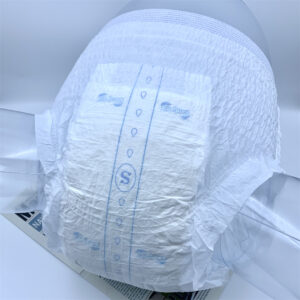
Pull-On Underwear: This style closely resembles regular underwear. It is pulled up over the legs and sits snugly against the body. Pull-ons are an excellent choice for individuals who are active, mobile, and can manage their own toileting. They offer a sense of normalcy and are generally more discreet under clothing. They are ideal for managing moderate incontinence and allow for the continued use of a toilet, as they can be pulled down and up easily.
Tab-Style Briefs: These products open completely and are secured with adhesive tabs on the sides. Their primary advantage lies in their ease of application for individuals with limited mobility or those who require caregiver assistance. A brief can be changed while a person is lying down or sitting, without the need to fully remove pants and shoes. They also tend to offer higher levels of absorbency, making them suitable for heavy to severe incontinence, including overnight use. Many modern designs from suppliers like a comprehensive cross-border enterprise focus on secure fastening and refastenable tabs, allowing for adjustments to achieve a perfect fit.
| Feature | Pull-On Underwear | Tab-Style Briefs |
|---|---|---|
| Best For | Active, mobile users; moderate incontinence | Users with limited mobility; caregiver assistance; heavy incontinence |
| Application | Pulled on like regular underwear | Applied while standing, sitting, or lying down; secured with tabs |
| Discretion | High; less bulky and fits snugly under clothing | Can be bulkier but modern designs are improving discretion |
| Absorbency | Light to heavy | Moderate to maximum/overnight |
| Convenience | Easy for self-changers who can stand | Easier for caregiver-assisted changes; no need to remove pants |
Deciphering Absorbency Levels for Your Needs
Manufacturers typically categorize absorbency using terms like light, moderate, heavy, or overnight. These labels, however, are not standardized across brands. A “heavy” absorbency from one company might be equivalent to a “moderate” from another. So, how does one choose?
Think of it as a process of personal research. Start by assessing your own needs. Do you experience small, occasional leaks, or more significant, complete voids? Is your primary concern daytime activity or uninterrupted sleep?
- Light Absorbency: Suitable for stress incontinence (leaks during coughing, sneezing, or exercise) or minor drips.
- Moderate Absorbency: A good starting point for many users, offering a balance of protection and discretion for daily wear.
- Heavy Absorbency: Designed for more substantial voids, longer wear times between changes, or for individuals with less mobility.
- Overnight Absorbency: These are the most absorbent products, engineered to hold multiple voids and keep skin dry for 8-10 hours, promoting restful sleep for both the user and any caregivers.
It is often wise to have at least two different absorbency levels on hand: a lighter, more discreet option for daytime use and a higher-absorbency product for nighttime security.
The Importance of Material and Breathability for Skin Health
The material of a diaper is in constant contact with your skin, making its properties a primary consideration for long-term health and comfort. Prolonged exposure to moisture can lead to skin breakdown, rashes, and more serious conditions like Incontinence-Associated Dermatitis (IAD).
Look for products described as “breathable.” These diapers feature cloth-like outer covers with microscopic pores that allow air to circulate while preventing moisture from escaping. This airflow helps to keep the skin cool and dry, reducing humidity and the risk of irritation (Vocal.media, 2025). Many high-quality products also have a “moisture-wicking” top layer that pulls liquid away from the skin and locks it into the absorbent core. This feature is fundamental for maintaining skin health, especially during extended wear periods like overnight. A product made from soft, hypoallergenic materials can further prevent chafing and allergic reactions.
Step 2: Mastering the Art of a Proper Fit
Once you have selected a product that aligns with your needs, the next phase of adult diaper training involves mastering its application. A proper fit is the linchpin of an effective incontinence management strategy. It is the difference between confidence and anxiety, between comfort and irritation, and between a dry bed and a frustrating leak. An ill-fitting diaper, whether too loose or too tight, negates the benefits of even the most absorbent product.
Why Fit is Paramount: Preventing Leaks and Ensuring Comfort
Imagine a rain jacket that is two sizes too large. While the material itself is waterproof, gaps at the collar and cuffs will inevitably let water in during a downpour. An adult diaper functions on a similar principle. The most common point of failure for any diaper is not the absorbent core becoming saturated, but a poor seal around the legs or waist.
- Gaps at the Leg Openings: This is the primary cause of leaks, especially when sitting or lying on your side. The diaper’s inner leg cuffs, sometimes called “leak guards,” must be fully activated (unfolded and standing upright) and sit snugly in the creases of the groin.
- A Loose Waist: A diaper that sags at the waist can shift during movement, creating channels for liquid to escape. It also compromises discretion, as it can bunch and become visible under clothing.
- Excessive Tightness: A diaper that is too tight is not only uncomfortable but also dangerous. It can restrict circulation, cause painful chafing, and increase the risk of pressure sores.
A well-fitting diaper should feel snug but not constricting, like a comfortable pair of underwear. You should be able to slide a finger between the diaper and your skin at the waist and legs without significant resistance.
How to Measure for the Perfect Size
Guessing your size is a recipe for failure. Sizing for adult diapers is based on measurements, not clothing size. Using a flexible measuring tape is the most reliable method.
- Measure Your Hips: Find the widest point around your buttocks and hips. Keep the tape measure level and snug, but not tight.
- Measure Your Waist: Measure around your natural waistline, typically just above the belly button.
- Use the Larger Number: Compare the two measurements. You will use the larger of the two numbers to find your size on the manufacturer’s sizing chart.
Each brand has its own unique sizing chart, so it is vital to consult the specific chart for the product you are considering (Comfort Plus Online, 2025). Do not assume that a “large” in one brand will be the same as a “large” in another.
| Measurement Range (Example) | Corresponding Size | Common Issues if Incorrect |
|---|---|---|
| 22″ – 36″ (56 – 91 cm) | Small | Too Large: Gaps at legs, sagging. Too Small: N/A |
| 34″ – 48″ (86 – 122 cm) | Medium | Too Large: Leaks, shifting. Too Small: Chafing, red marks. |
| 45″ – 58″ (114 – 147 cm) | Large | Too Large: Major leaks. Too Small: Restricted circulation, pressure sores. |
| 59″ – 64″ (150 – 163 cm) | Extra Large | Too Large: N/A. Too Small: Tears in material, severe discomfort. |
A Step-by-Step Guide to Application: Standing, Sitting, and Lying Down
The technique for putting on a diaper varies depending on the user’s mobility. Practicing these methods is a key part of adult diaper training.
For Tab-Style Briefs (Standing Application):
- Preparation: Unfold the diaper and gently tug on the ends to activate the leak guards. The diaper should form a “boat” shape.
- Positioning: Position the back of the diaper, which is usually the side with the tabs, against your buttocks. Ensure the top edge is level with your tailbone.
- Bringing it Forward: Pull the front panel up between your legs, ensuring it is centered.
- Securing the Bottom Tabs: Fasten the bottom tabs first. Angle them slightly upwards to create a secure seal around the legs. Check for any gaps in the groin area.
- Securing the Top Tabs: Fasten the top tabs, angling them slightly downwards to secure the waist. The fit should be snug. Check that you can comfortably fit one or two fingers in the waistband.
For Tab-Style Briefs (Lying Down Application):
- Preparation: Have the clean diaper, wipes, and any barrier creams within reach.
- Positioning the User: Gently roll the person onto their side, facing away from you.
- Placing the Diaper: Unfold the clean diaper and tuck it lengthwise underneath the person’s hip. The back panel with the tabs should be against their back.
- Cleaning: Roll the person back onto their back, onto the clean diaper. Remove the soiled diaper by pulling it forward from between their legs. Clean the perineal area thoroughly from front to back.
- Securing: Pull the front panel of the clean diaper up. Fasten the bottom tabs first, then the top tabs, using the same angling technique as the standing application.
Common Fitting Mistakes and How to Avoid Them
- Mistake: Not activating leak guards. The inner cuffs get stuck flat. Solution: Always give the diaper a gentle lengthwise tug before application to ensure they are standing up.
- Mistake: Tapes are too loose. Fear of making it too tight leads to sagging. Solution: Aim for a snug fit. The diaper should not move or shift as you walk or change position.
- Mistake: Diaper is not centered. The absorbent core is off to one side. Solution: Take a moment to ensure the back panel is centered on the buttocks before pulling the front panel through.
- Mistake: Using the wrong size. Choosing a size based on clothing or assumption. Solution: Always use a tape measure and the manufacturer’s sizing chart.
Step 3: Developing a Consistent Changing Routine
With the right product and a secure fit, the focus of adult diaper training shifts to establishing a sustainable routine. The goal is to move from a reactive approach—changing only after a leak or feeling of wetness—to a proactive one. A consistent schedule is the foundation for maintaining skin health, preventing odors, and building the confidence to go about your day without worry.
Establishing a Schedule: Proactive vs. Reactive Changing
A reactive approach to changing can be detrimental. By the time a diaper feels wet to the touch, the skin has already been exposed to moisture for a prolonged period. This creates an ideal environment for bacteria to thrive and for skin to begin breaking down. Furthermore, waiting until a diaper is fully saturated greatly increases the likelihood of a leak.
A proactive schedule involves changing the diaper at regular intervals, regardless of whether it feels wet. This schedule will be unique to each individual and depends on several factors:
- Fluid Intake: How much do you drink throughout the day?
- Absorbency Level: A higher-absorbency product allows for longer wear times.
- Personal Patterns: Do you notice you tend to void more at certain times of the day?
A good starting point for many is to schedule a change every 3 to 4 hours during the day. This can be adjusted based on experience. For instance, you might find you need a change mid-morning, after lunch, late afternoon, and before bed. Think of it as a form of personal care, just like taking medication at a set time. This predictability removes the guesswork and anxiety from incontinence management.
The Practicalities of Changing in Public: A Discreet Approach
The thought of needing to change a diaper away from home can be a significant source of anxiety and may even cause some people to limit their social activities. However, with preparation and practice, changing in public can become a simple and discreet task.
The key is preparation. Finding a suitable private space, such as a single-stall family restroom or a handicapped stall, provides the necessary room and privacy (Regency Health Care Services, 2025). Many shopping centers, airports, and public buildings now offer these facilities. Before leaving the house, you can use a smartphone app or website to locate accessible restrooms at your destination. The process itself is about efficiency and minimizing noise. The crinkling of a diaper can be a source of self-consciousness. Modern cloth-like materials are much quieter than the older plastic-backed versions.
Creating a “Go-Kit” for Confidence on the Move
A well-stocked “go-kit” is your best ally for managing incontinence outside the home. It is a small, discreet bag that contains everything you need for a clean and efficient change. Having this kit ready means you never have to feel caught off guard.
Your go-kit should contain:
- One or two clean diapers: Choose a product appropriate for your outing. For a short trip, your regular daytime product may suffice.
- A travel pack of wet wipes: Specifically designed for incontinence care if possible, as they are gentler than baby wipes.
- A small tube of barrier cream: To maintain your skincare routine.
- Disposable bags: Scented or opaque bags are excellent for discreetly disposing of the used product.
- A pair of disposable gloves (optional): For added hygiene.
Keep this kit in your car, backpack, or purse. The psychological comfort of knowing you are prepared for any situation is immense. It transforms a potential crisis into a minor, manageable inconvenience.
Nighttime Management Strategies for Uninterrupted Sleep
Fear of overnight leakage can disrupt sleep and cause significant stress. The goal of nighttime adult diaper training is to find a system that allows for a full night of restorative rest.
- Choose a Dedicated Overnight Product: Do not rely on a standard daytime diaper for overnight protection. High-quality adult diaper pants and briefs designed for overnight use have a significantly higher absorbent capacity and are engineered to wick moisture away from the skin for 8+ hours.
- Consider Booster Pads: A booster pad is a flow-through liner without a plastic backing that is placed inside the diaper. It adds extra absorbency without adding significant bulk. Once the booster is full, the liquid passes through to the diaper’s core. This can effectively extend the life of the diaper and provide an extra layer of security.
- Manage Fluid Intake: While staying hydrated is important, try to limit fluid intake for an hour or two before bedtime. Be sure to empty your bladder as much as possible right before you go to sleep.
- Protect Your Bedding: Using a waterproof mattress protector or a large, absorbent underpad (often called a chux) can provide peace of mind. Knowing your mattress is protected can reduce anxiety and help you sleep more soundly.
Step 4: Prioritizing Skin Health and Hygiene
The skin is the body’s largest organ, and in the context of incontinence management, it is the first line of defense against discomfort and infection. A successful adult diaper training program places as much emphasis on skincare as it does on the diaper itself. The perineal skin (the area between the genitals and the anus) is particularly delicate and vulnerable to the effects of prolonged moisture and irritants found in urine and feces. Neglecting skin health can lead to painful and difficult-to-treat conditions that severely impact one’s quality of life.
The Science of Incontinence-Associated Dermatitis (IAD)
Incontinence-Associated Dermatitis, or IAD, is the medical term for the skin inflammation and irritation that results from exposure to urine or stool. It is not simply a “diaper rash.” It occurs when the skin’s natural protective barrier, the acid mantle, is compromised.
Think of healthy skin as a tightly woven brick wall. The bricks are skin cells, and the mortar is a mixture of lipids and moisture that keeps the wall strong and impermeable. Urine, with its alkaline pH, and enzymes from stool act like a chemical solvent, dissolving this mortar. This over-hydration and chemical irritation leads to a cascade of problems:
- Inflammation: The skin becomes red, swollen, and painful.
- Erosion: In more severe cases, the top layers of skin can wear away, leading to weeping or oozing.
- Infection: The compromised skin becomes a gateway for bacteria and fungi (like Candida), leading to secondary infections.
Preventing IAD is far easier than treating it. A proactive, consistent skincare regimen is not optional; it is a fundamental component of wearing an adult diaper.
A Foundational Skincare Regimen: Cleanse, Moisturize, Protect
The most effective approach to preventing IAD can be remembered with a simple three-step mantra: cleanse, moisturize, and protect. This routine should be performed with every single diaper change.
1. Cleanse: The goal of cleansing is to gently remove irritants without stripping the skin of its natural oils.
- Avoid harsh soaps: Standard bar soaps and body washes are often too alkaline and can further disrupt the skin’s pH balance.
- Use a no-rinse perineal cleanser: These products are specifically pH-balanced for delicate skin. They effectively clean the skin without the need for water, which can be convenient, especially for bed-bound individuals.
- Be gentle: Use a soft cloth or pre-moistened wipe. Pat the skin dry; do not rub. Rubbing creates friction that can cause microscopic tears in already vulnerable skin (ODM Diaper, 2025). Always clean from front to back to prevent the spread of bacteria.
2. Moisturize: Just as you would moisturize your face or hands, the perineal skin also benefits from hydration. Moisturizing helps to repair and maintain the skin’s lipid barrier. Use a dedicated moisturizer designed for sensitive areas after cleansing and gently patting the area dry.
3. Protect: This is perhaps the most vital step. A barrier cream or ointment creates an invisible, waterproof shield between the skin and the moisture from the diaper.
- Zinc Oxide Creams: These are opaque, white creams that form a thick, durable barrier. They are excellent for irritated or denuded skin as they also have mild anti-inflammatory properties.
- Dimethicone-based Creams: These are clear, less greasy creams that form a breathable barrier. They are a great choice for prevention on intact skin.
- Petrolatum Ointments: These create a very effective moisture barrier but can be greasy and may slightly reduce the absorbency of the diaper if applied too thickly.
Apply a thin, even layer of your chosen barrier product. You do not need a thick, paste-like coating. The goal is to create a transparent, protective film.
Choosing the Right Wipes, Creams, and Cleansers
The market for incontinence skincare products is extensive. When selecting products, look for those that are:
- pH-balanced: To support the skin’s natural acid mantle.
- Hypoallergenic and fragrance-free: To reduce the risk of allergic reactions.
- Designed for incontinence care: These formulations are created with the specific challenges of perineal skin in mind. Baby wipes, for example, can sometimes contain alcohol or other ingredients that are too harsh for adult skin that is frequently exposed to moisture.
Recognizing and Treating Early Signs of Skin Irritation
Part of your daily routine should include a quick visual inspection of the skin. Catching problems early is key. Look for:
- Pinkness or redness: The first sign of inflammation.
- Puffy or swollen areas.
- Small bumps or a spotty rash: This can indicate a fungal infection.
- Any breaks or open areas in the skin.
If you notice any of these signs, be extra diligent with your “cleanse, moisturize, protect” routine. Ensure the skin is completely dry before applying a barrier cream. You may want to switch to a thicker, zinc-oxide-based cream for added protection. If the irritation does not improve within a couple of days or worsens, it is time to consult a healthcare professional.
Step 5: The Psychological Adjustment and Building Confidence
The practical steps of selecting, fitting, and maintaining a diapering system are only one part of the equation. The final, and arguably most profound, aspect of adult diaper training is the internal one: the psychological journey of acceptance, adjustment, and the reclaiming of confidence. Managing incontinence is not just a physical task; it is an emotional process that challenges our perceptions of self, independence, and normalcy.
Overcoming Stigma and Reframing the Narrative
Society often associates diapers with infancy or extreme frailty, creating a powerful stigma that can lead to feelings of shame and isolation. The first step in building confidence is to consciously challenge and reframe this narrative. Millions of adults of all ages and activity levels use incontinence products for a wide variety of reasons, from post-surgical recovery to chronic medical conditions (Tykables, 2024).
It can be helpful to engage in a mental exercise. Think of other medical aids. Does a person with diabetes feel shame for using an insulin pump? Does someone with poor eyesight feel diminished by wearing glasses? Incontinence is a medical condition, and an adult diaper is a medical tool designed to manage its symptoms. By consciously reframing the diaper as a piece of functional medical equipment, you can begin to strip it of its negative emotional charge. It is not a symbol of who you are; it is simply a product you use.
Communicating with Loved Ones and Caregivers
Secrecy breeds shame. While the decision of who to tell about your incontinence management is deeply personal, sharing the information with a trusted partner, family member, or friend can be incredibly liberating. Open communication can demystify the process for them and transform them from unknowing observers into a supportive part of your team.
Explaining the practicalities—that you have a system, that you know how to manage it, that it allows you to live more freely—can alleviate their own potential worries. It also opens the door for them to offer practical help if needed, such as being understanding if you need to locate a restroom or take a few extra minutes to get ready. For those who rely on a caregiver, clear and respectful communication about what feels comfortable, what works best, and any skin discomfort is vital for a dignified and effective partnership.
The Goal of Adult Diaper Training: A Return to Normalcy
What is the ultimate purpose of this entire process? It is not merely to stay dry. The true goal of adult diaper training is to achieve a state where the management of incontinence fades into the background of your life. It should become a routine, predictable part of your day that requires little active thought, freeing up your mental and emotional energy to focus on the things that truly matter: your work, your hobbies, your relationships, and your passions.
Confidence comes from competence. As you master the skills of choosing the right product, achieving a perfect fit, and maintaining a healthy skin routine, you will begin to trust the system. You will trust that you can go for a long walk, sit through a movie, or enjoy a dinner out without fear of leaks or embarrassment. Each successful outing builds upon the last, reinforcing a new sense of security and freedom.
Embracing the Freedom to Live Fully
The final stage of this journey is empowerment. When you are no longer defined or limited by your incontinence, you are free. The world, which may have felt like it was shrinking, opens back up. An adult diaper, once a source of dread, becomes a key that unlocks a door to renewed participation in life. It allows you to say “yes” to invitations you might have previously declined. It gives you the security to travel, to exercise, and to be spontaneous.
This journey of adult diaper training, from the first emotional hurdles to the final embrace of a new normal, is a testament to human resilience and adaptability. It is a process of taking control of a challenging situation and, through knowledge and practice, transforming it into a manageable aspect of a full and vibrant life.
Frequently Asked Questions (FAQ)
How often should I change my adult diaper? This depends on the absorbency of the product and your individual needs. A good proactive schedule is to change every 3-4 hours during the day, regardless of whether the diaper feels wet. For overnight use, a specific high-absorbency nighttime diaper should last the entire night (8-10 hours).
How can I discreetly dispose of a used diaper in public? Carry opaque, scented disposable bags in your “go-kit.” After changing, roll the used diaper up tightly, secure it with its own tabs, place it in the disposable bag, and tie the bag shut. You can then dispose of it in a sanitary waste receptacle, which is available in most public restrooms.
What is the best way to prevent leaks, especially at night? Leak prevention is a combination of factors. First, ensure you are using a product with adequate absorbency for the situation (i.e., an overnight diaper for nighttime). Second, focus on achieving a proper fit; there should be no gaps around the leg openings. Third, make sure the inner leak guards are standing up and positioned correctly in the groin creases. Finally, consider adding a booster pad for extra security.
Can I wear tight clothing over an adult diaper? Yes, though product selection is key. Modern pull-on style underwear is often quite thin and discreet. Choosing a product with a cloth-like, quiet outer cover will also reduce any potential noise. Darker, patterned, or thicker fabrics will naturally conceal the outline of a diaper better than light, thin, or tight-fitting materials.
My skin is getting red and irritated. What am I doing wrong? Redness is an early sign of Incontinence-Associated Dermatitis (IAD). This is likely due to prolonged moisture exposure. Re-evaluate your routine: Are you changing frequently enough? Are you using a pH-balanced, no-rinse cleanser? Are you patting the skin dry completely? Most importantly, are you applying a protective barrier cream with every change? If the irritation persists, consult a healthcare provider.
How do I know what size to buy? Do not use your pants or clothing size. Use a flexible measuring tape to measure the widest part of your hips and your natural waist. Use the larger of these two measurements and compare it to the sizing chart provided by the diaper manufacturer. Sizing can vary between brands, so always check the chart for the specific product you are buying.
Is it better to use a pull-on or a tab-style brief? This depends on your mobility and needs. Pull-ons are great for active individuals who can change themselves, as they feel more like regular underwear. Tab-style briefs are better for those with limited mobility or who need assistance from a caregiver, as they can be changed while lying down. Briefs also tend to offer higher levels of absorbency.
Conclusion
Navigating the world of incontinence management is a journey that requires knowledge, practice, and a significant measure of self-compassion. The process of adult diaper training is a structured path toward regaining control and confidence. It begins with the thoughtful selection of a product that fits not just the body, but also one’s lifestyle. It progresses through the technical mastery of achieving a secure, leak-proof fit and establishing a proactive changing schedule that prioritizes hygiene. Central to this entire endeavor is the unwavering commitment to skin health, transforming a simple cleansing routine into a powerful preventative practice.
Perhaps most profoundly, this journey involves a psychological reframing, where a diaper ceases to be a symbol of limitation and becomes a tool for liberation. By mastering these practical skills, individuals can diminish the anxiety surrounding incontinence, allowing it to become a manageable, background element of daily life rather than a central, defining concern. The ultimate outcome is not merely dryness, but the restoration of dignity, the freedom to engage with the world without fear, and the quiet confidence that comes from taking proactive control over one’s well-being.
References
Comfort Plus Online. (2025, March 26). FAQ & everything to know. Comfort Plus Online. Retrieved from https://www.comfortplusonline.com/guide-to-adult-diapers/
ODM Diaper. (2025, February 17). How to put on an adult diaper? Aishule Hygiene Products. Retrieved from https://www.odmdiaper.com/news/how-to-put-on-an-adult-diaper-106.html
Regency Health Care Services. (2025, May 12). Adult diapering guide. Regency HCS. Retrieved from https://www.regencyhcs.com/blog/adult-diapering-guide
Tykables. (2024, January 31). Simplifying adult diapers: Tips for wearing adult diapers. Tykables. Retrieved from https://tykables.com/blogs/news/how-to-wear-adult-diapers
Vocal.media. (2025, March 4). How to choose the best adult diaper for overnight protection. Vocal. Retrieved from https://vocal.media/families/how-to-choose-the-best-adult-diaper-for-overnight-protection
WikiHow. (2025, February 24). How to buy adult diapers and briefs. wikiHow. Retrieved from https://www.wikihow.com/Buy-Adult-Diapers-and-Briefs


