Abstract
The inquiry into the distinction between “diapers” and “nappies” reveals a primary linguistic divergence rooted in regional English dialects, specifically American and British English, respectively. While the terms refer to the same functional object—an absorbent garment for infants or individuals with incontinence—the global market landscape presents a more nuanced reality. This analysis extends beyond mere terminology to examine the material composition, design variations, performance metrics, and socio-economic factors that characterize these products. It explores the evolution from historical methods of infant care to the modern disposable product, composed of superabsorbent polymers, non-woven fabrics, and fastening systems. The discussion also addresses the significant environmental and health considerations associated with different product types, including disposable, reusable, and biodegradable options. By evaluating these multifaceted aspects, a comprehensive understanding emerges, showing that while the words may differ, the underlying technological, environmental, and consumer challenges are universally shared across global markets in 2025.
Key Takeaways
- The core difference between diapers and nappies is regional language, not product function.
- Understand material science, like superabsorbent polymers, to gauge product quality.
- Evaluate performance metrics such as absorbency under load for better leak protection.
- Consider the full lifecycle, from production to disposal, for environmental impact.
- Partner with suppliers who understand global variations in diapers and nappies.
- Fit and comfort are just as vital as absorbency for user well-being.
- Specialized products exist for different needs, from newborns to adults.
Table of Contents
- The Fundamental Difference: A Tale of Two Englishes
- Beyond Words: Comparing Product Types and Designs
- The Science of Materials and Construction
- Performance Metrics: Absorbency, Fit, and Comfort
- Navigating the Market: Cost, Sustainability, and Brand Perception
- Frequently Asked Questions (FAQ)
- Conclusion
- References
The Fundamental Difference: A Tale of Two Englishes
At its heart, the question of what separates diapers from nappies is a fascinating journey into linguistics and culture. The two words point to the exact same object: a piece of absorbent material worn by babies, and sometimes adults, to manage bodily waste. The divergence is not one of function, but of geography. It is a simple yet profound example of how two nations, separated by a common language, developed distinct vocabularies for everyday items. Understanding this divide is the first step for any consumer, parent, or business operating in a globalized world.
“Diaper”: The American Standard
In the United States and Canada, the term “diaper” is the universal standard. Its origin is quite interesting and speaks to the material’s history. The word “diaper” originally referred to a type of fabric, specifically a linen or cotton fabric woven with a small, repeating geometric pattern, often a diamond shape. This “diaper weave” made the fabric absorbent and soft, which was ideal for various household uses, including, as it happens, for wrapping infants. Over time, the name of the fabric became synonymous with the object it was used to create. When disposable versions were invented and popularized in the mid-20th century by American companies, the term “diaper” was naturally applied and cemented in the North American lexicon. When you walk into a store from California to New York, you will look for the “diaper” aisle.
“Nappy”: The British and Commonwealth Term
Across the Atlantic, in the United Kingdom, as well as in Ireland, Australia, New Zealand, South Africa, and many other Commonwealth nations, the term of choice is “nappy.” The word “nappy” is a diminutive form of “napkin.” Historically, a “napkin” had a broader meaning than it does today, referring to any small piece of cloth used for wiping or wrapping. Just as a small napkin could be used at the dinner table, a larger piece of cloth—a “napkin”—was used for the baby. The “-y” or “-ie” suffix is a common affectionate or diminutive ending in British English (think “tummy” for stomach or “telly” for television), so “napkin” naturally shortened to “nappy.” The term is cozy, familiar, and deeply ingrained in the culture of these countries. A parent in London or Sydney would ask for nappies, and asking for diapers might result in a moment of confusion, though most would understand the meaning from American media exposure.
Global Lexicon: How the Terms are Used in Europe, Asia, and Beyond
Once we move beyond the core Anglosphere, the picture becomes a rich tapestry of loanwords and local terms. In many non-English-speaking parts of Europe, the American term “diaper” has been adopted, often with slight modifications. For instance, in Germany, you might hear “Windel,” the traditional term, but “Diaper” is also understood, especially among younger generations. In Russia, the common word is “podguznik” (подгузник), which translates roughly to “under-bottom.” However, brand names like “Pampers” have become so ubiquitous that many people simply use the brand name as a generic term for the product, a classic case of genericization.
In Southeast Asia and the Middle East, the usage is mixed. English is often a language of commerce, so both “diapers” and “nappies” may be understood in business contexts. On consumer packaging, manufacturers often choose the term based on their primary export target. A product aimed at the American market will say “diapers,” while one for the UK will say “nappies.” For markets in the Middle East or Southeast Asia, international brands might use “diapers” due to the dominance of American media and marketing, or they may use dual-language packaging that includes the local term alongside “diapers.” This linguistic choice is a deliberate marketing strategy.
Why This Linguistic Divide Matters for Global Businesses
For a casual observer, this is a simple quirk of language. For a business operating in the hygiene products sector, it is a critical detail. When partnering with a comprehensive cross-border enterprise, understanding this distinction is fundamental to effective marketing, packaging, and search engine optimization (SEO). A website trying to sell to the UK market must be optimized for the keyword “nappies,” not “diapers.” Product packaging must reflect local terminology to build trust and familiarity with consumers. Imagine a British parent seeing a package labeled “diapers”—it might subtly signal that the product is an import, perhaps not specifically designed for their market or conforming to local standards, even if the product itself is identical. The choice of word carries with it connotations of local identity and belonging, which are powerful forces in consumer behavior.
Beyond Words: Comparing Product Types and Designs
While the names may change with longitude, the physical products themselves fall into several distinct categories. The history of these items is a story of innovation, moving from simple natural materials to complex, multi-layered engineered products (Bearer, 2024). Thinking about the evolution helps us appreciate the sophistication of the modern options available to caregivers today. Whether you call them diapers or nappies, the choice between disposable and reusable options is often the first and most significant decision a caregiver makes.
The Disposable Revolution: From Creation to Modern Iterations
The concept of a single-use diaper is a relatively recent invention in human history. For millennia, parents used whatever was available—animal skins, moss, grasses, or washable cloth (nature.com). The mid-20th century saw the birth of the disposable diaper, a product that promised convenience and hygiene. Early versions were simple, consisting of a rectangular absorbent pad inside a plastic outer shell.
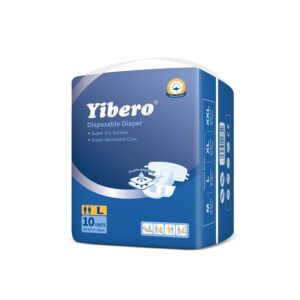
Modern disposable diapers are marvels of material science. Adult diaper shop are designed to be incredibly absorbent, comfortable, and leak-proof. They come in a vast array of sizes, from those for premature infants to those for toddlers undergoing potty training. Key innovations have included the introduction of superabsorbent polymer (SAP), elastic leg cuffs, resealable tabs, and breathable outer covers. These features have transformed the product from a basic necessity into a high-performance garment.
Reusable and Cloth Options: A Sustainable Counterpart
Before the disposable revolution, every nappy was a reusable one. Modern reusable cloth nappies, however, are a world away from the simple squares of terry cloth and sharp safety pins of the past. Today’s cloth nappies come in several sophisticated designs:
- Flats and Prefolds: These are the most traditional styles, consisting of large squares or rectangles of cotton, bamboo, or hemp fabric that are folded into shape and secured with a separate waterproof cover.
- Fitted Nappies: These are shaped like a disposable diaper and have elastic at the legs and waist, but they are made entirely of absorbent material and require a separate waterproof cover.
- Pocket Nappies: These have a waterproof outer layer and a soft inner lining, with a “pocket” opening between them where an absorbent insert is placed. This allows for customizable absorbency.
- All-in-Ones (AIOs): These are the most similar to disposables. The absorbent layers are sewn directly into the waterproof outer shell, making them a single-piece system that is easy to put on and take off.
The choice to use reusable nappies is often driven by two main factors: long-term cost savings and environmental concerns about the waste generated by disposables.
| Feature | Disposable Diapers/Nappies | Reusable (Cloth) Diapers/Nappies |
|---|---|---|
| Upfront Cost | Low | High |
| Long-Term Cost | High (continuous purchase) | Low (one-time purchase of a set) |
| Convenience | High (dispose after use) | Low (requires washing, drying, stuffing) |
| Environmental Impact | High landfill waste, resource-intensive production | Lower waste, but high water and energy use for washing |
| Absorbency | Very high due to SAP | Good, but often requires more frequent changes |
| Travel-Friendliness | Excellent | Challenging (requires carrying soiled items) |
| Skin Sensitivity | Can contain chemicals/fragrances that cause irritation | Often better for sensitive skin (natural fibers) |
Specialized Designs: Swim Pants, Training Pants, and Adult Incontinence Products
The market has evolved to offer specialized products for various needs.
- Swim Pants: These are designed for use in pools. They are not absorbent in the traditional sense; if they were, they would soak up the pool water and become heavy. Instead, their purpose is to contain solid waste, preventing contamination of the water. They have snug-fitting leg and waist elastic and are made of a material that does not swell in water.
- Training Pants: When a toddler is learning to use the toilet, training pants serve as a bridge between diapers and regular underwear. They have less absorbency than a standard diaper, which allows the child to feel the sensation of wetness, helping them recognize the need to use the potty. They are also easy to pull up and down, promoting independence.
- Adult Diapers/Incontinence Products: These products cater to adults experiencing incontinence due to age, surgery, or medical conditions. They are fundamentally similar to baby diapers but are designed for adult anatomy and have much higher absorbency capacities. The market includes everything from light pads to full “briefs” for heavy-duty protection. When you explore adult diaper panties products, you will notice this diversity in design reflects a deep understanding of varied consumer needs.
The Science of Materials and Construction
To truly grasp the essence of a modern disposable diaper or nappy, we must look inside. It is not a simple item but a complex, multi-layered product where each component is engineered for a specific task. The selection of these materials directly influences the product’s performance, comfort, and even its environmental footprint. Let us dissect a typical disposable diaper to understand the science at work.
The Absorbent Core: Superabsorbent Polymers (SAP) and Pulp
The magic of a modern diaper lies in its absorbent core. This is not just a thick wad of cotton; it is a sophisticated blend of materials, primarily fluff pulp and superabsorbent polymer (SAP).
- Fluff Pulp: This is a soft, fluffy material typically made from wood pulp. Its job is to quickly acquire and distribute liquid, pulling it away from the baby’s skin and spreading it across the core. Think of it as a network of channels that moves moisture to where it can be stored.
- Superabsorbent Polymer (SAP): This is the powerhouse of absorption. SAP is a type of plastic, usually sodium polyacrylate, that comes in the form of tiny, salt-like crystals. When these crystals come into contact with liquid, they can absorb and lock away many times their own weight, turning the liquid into a stable gel. This is why a used diaper feels squishy and gel-like, not just wet. The gel formation prevents liquid from being squeezed back out, even when the baby sits or moves around. This property is known as “absorbency under load” (AUL) and is a critical measure of a diaper’s quality (buchanle, 2025). The ratio of pulp to SAP is a key design choice for manufacturers, balancing fast acquisition (pulp) with high storage capacity (SAP).
Outer and Inner Layers: Breathability and Softness
The layers that encase the absorbent core are just as important for comfort and function.
- Topsheet (Inner Layer): This is the layer that is in direct contact with the baby’s skin. It must be soft, comfortable, and, most importantly, allow liquid to pass through it quickly into the absorbent core while staying dry to the touch. It is typically made from a non-woven fabric, like polypropylene, which is hydrophobic (repels water), preventing wetness from sitting against the skin. Some topsheets are also treated with lotions or aloe to help protect the skin.
- Backsheet (Outer Layer): This is the waterproof outer shell of the diaper that prevents leaks onto clothing and bedding. In the past, this was simply a sheet of plastic (polyethylene). However, a major innovation was the development of “breathable” backsheets. These are not literally full of holes, but are made of a microporous film. The pores are too small for water droplets to pass through, but large enough for water vapor (humidity) to escape. This allows air to circulate, reducing heat and moisture buildup inside the diaper, which is a leading cause of diaper rash.
| Component | Material | Primary Function |
|---|---|---|
| Topsheet | Non-woven polypropylene | Wicks moisture away from skin; provides a soft surface. |
| Acquisition Layer | Non-woven fabric | Quickly distributes liquid across the absorbent core. |
| Absorbent Core | Fluff pulp & Superabsorbent Polymer (SAP) | Pulp distributes liquid; SAP absorbs and locks it into a gel. |
| Backsheet | Microporous polyethylene film | Prevents leaks while allowing air and vapor to escape (breathability). |
| Leg Cuffs | Non-woven fabric with elastic strands | Forms a seal around the legs to prevent side leakage. |
| Fastening System | Adhesive tapes and a frontal landing zone | Secures the diaper for a snug, adjustable fit. |
Fastening Systems: Adhesives, Tapes, and Velcro-like Closures
A diaper is useless if it does not stay on. The fastening system has evolved significantly from the safety pins used with old cloth nappies. Modern disposable diapers use a combination of components:
- Fastening Tapes: These are the sticky tabs on the back panel of the diaper.
- Frontal Tape (Landing Zone): This is a reinforced strip on the front of the diaper that the tapes stick to. Early diapers had tapes that could only be fastened once. A major improvement was the development of resealable tapes and landing zones that allow for repeated adjustments to get the perfect fit. High-end diapers often use a mechanical hook-and-loop system (similar to Velcro), which is less likely to lose its stickiness from contact with baby powders or creams and is gentler on the skin if accidentally touched.
Emerging Materials: The Rise of Plant-Based and Biodegradable Components
In response to growing environmental concerns, there is a significant trend towards using more sustainable materials. This has led to the development of “eco-friendly” or “biodegradable” diapers. However, these terms can be misleading.
A typical “eco-friendly” diaper might use plant-based plastics like PLA (polylactic acid, derived from corn starch) for the backsheet, or bamboo fibers in the topsheet. The fluff pulp might be sourced from sustainably managed forests and be totally chlorine-free (TCF) in its processing. While these are positive steps, the core challenge remains the superabsorbent polymer. SAP is petroleum-based and not biodegradable. A “biodegradable” diaper will still leave its SAP component in the landfill for hundreds of years (buchanle, 2025). Furthermore, for any biodegradable material to break down, it needs specific conditions (oxygen, light, microbes) that are often absent in a compacted landfill. The environmental benefit is complex and not as straightforward as the marketing might suggest (Islam, 2025).
Performance Metrics: Absorbency, Fit, and Comfort
When a parent or caregiver chooses a diaper or nappy, they are implicitly judging it on a set of performance criteria. They want a product that keeps their baby dry, prevents leaks, and is comfortable against the skin. Manufacturers use a battery of standardized laboratory tests to measure and advertise these qualities. Understanding what these metrics mean can empower a consumer or a business buyer to see past marketing claims and evaluate the true quality of a product.
Measuring Absorbency: What Do the Tests Mean?
Absorbency is not a single, simple characteristic. It is a combination of speed, capacity, and retention.
- Total Absorbent Capacity (TAC): This is the most basic test. It measures the maximum amount of liquid a diaper can absorb before it starts to leak. While a high number seems good, it is not the whole story. A diaper could have a huge capacity but absorb liquid so slowly that it leaks in a real-world situation.
- Liquid Strike-Through Time (LST): This measures how quickly the topsheet allows liquid to pass through to the absorbent core. A faster strike-through time means the baby’s skin is in contact with wetness for a shorter period, which is crucial for comfort and preventing rash. The test is often repeated to see if the performance degrades after the first or second wetting.
- Rewet or Frewet: This test measures how much liquid comes back out of the core and onto the topsheet when pressure is applied. After the diaper has absorbed liquid, a weighted piece of filter paper is placed on the topsheet. The amount of moisture the paper picks up is the “rewet” value. A low rewet value is desirable, as it indicates the SAP is effectively locking the liquid away as a gel. This simulates the pressure a baby applies when sitting down.
- Absorbency Under Load (AUL): This is a more advanced version of the rewet test. It measures the ability of the SAP to absorb liquid while already under pressure. This is a very realistic test of performance, as babies are constantly moving, sitting, and lying down. A high AUL is a strong indicator of a premium, leak-resistant diaper.
The Critical Role of Fit in Leak Prevention
A diaper can be the most absorbent in the world, but if it does not fit properly, it will leak. Fit is about creating a gentle but effective seal around the baby’s body. Several design elements contribute to a good fit:
- Contoured Shape: Modern diapers are not simple rectangles. They have an hourglass shape that is narrower in the crotch area. This reduces bulk between the legs, allowing for more comfortable movement and a closer fit.
- Elastic Leg Cuffs: These are perhaps the most important feature for preventing leaks. Often called “leak guards,” these are inner flaps of fabric with elastic strands that gather around the baby’s legs, forming a barrier to contain liquid and loose stools. The quality and tension of this elastic are critical.
- Stretchable Sides and Waistband: Premium diapers often feature stretchy side panels or a flexible waistband. This allows the diaper to adapt to the baby’s shape and movements—breathing, crawling, twisting—without creating gaps. It ensures a snug, comfortable fit that moves with the baby, maintaining the seal and preventing the dreaded “up-the-back” blowout.
Skin Health: Preventing Diaper Rash Through Material Choice
Diaper dermatitis, or diaper rash, is a common concern for parents. It is primarily a form of contact dermatitis caused by prolonged exposure to moisture, friction, and the irritants in urine and feces. The design and materials of a diaper play a huge role in mitigating these factors.
- Breathability: As discussed, a breathable backsheet that allows humidity to escape is paramount. It helps to maintain a drier, healthier microclimate inside the diaper, making the skin less susceptible to breakdown.
- Topsheet Performance: A topsheet with a fast strike-through time and low rewet is essential. By keeping the surface that touches the skin as dry as possible, it minimizes moisture-related irritation.
- Chemicals and Fragrances: Some diapers contain fragrances, dyes, or lotions. While some lotions may be beneficial, fragrances and other chemicals can be a source of irritation or allergic reaction for babies with sensitive skin. Many parents opt for “hypoallergenic” diapers that are free of these additives. There is ongoing research into the potential health risks of various chemicals found in some diapers, such as volatile organic compounds (VOCs) or plasticizers, though most studies find the exposure levels to be within acceptable safety ranges (Baba et al., 2024).
A Global Perspective on Performance Expectations
Interestingly, performance expectations can vary by region. In some markets, a slim, discreet fit under clothing might be prioritized, even at the expense of some absorbent capacity. In other markets, maximum absorbency and overnight protection are the most sought-after features. A successful global product strategy often involves creating different product tiers or slightly different designs to cater to these local preferences, even if the core technology remains the same.
Navigating the Market: Cost, Sustainability, and Brand Perception
The choice of a diaper or nappy is not made in a vacuum. It is influenced by a complex web of economic, environmental, and cultural factors. For a family, it is a significant recurring expense. For society, it represents a massive waste management challenge. For businesses, it is a highly competitive market driven by brand loyalty and perceived value. Acknowledging these dimensions is essential for making a truly informed decision.
The Economic Equation: Cost per Diaper/Nappy Across Regions
For most families, the cost is a major consideration. Disposable diapers represent a continuous purchase for the first two to three years of a child’s life, adding up to a substantial sum. The cost per unit can vary dramatically based on brand, features, package size, and region.
- Brand Tiers: The market is typically segmented into premium brands (offering the latest features like the softest materials and stretchiest sides), mid-tier brands (balancing performance and price), and private-label or store brands (focusing on value).
- Bulk Purchasing: The price per diaper almost always decreases when buying in larger quantities. Warehouse clubs and online subscription services have become popular ways for parents to manage and reduce costs.
- Regional Pricing: The final price on the shelf is affected by local taxes, import duties, transportation costs, and retailer markups. A diaper sold in a major European city will likely have a different price than the same diaper sold in a rural area in Southeast Asia.
For businesses, such as childcare centers or hospitals, procurement is a major operational expense. They must balance the need for a reliable, high-performance product that protects skin health and reduces labor (fewer changes, fewer leaks) with strict budgetary constraints.
The Environmental Footprint: End-of-Life Management and Challenges
The convenience of disposable diapers comes at a significant environmental cost. A single child can use thousands of diapers before they are potty-trained, and the vast majority of these end up in landfills.
- Landfill Burden: Conventional disposable diapers are made of a mix of pulp, plastic, and SAP. In an anaerobic landfill environment, they can take hundreds of years to decompose. They contribute a significant volume to municipal solid waste.
- Resource Consumption: The production of diapers is also resource-intensive, requiring wood pulp, petroleum for plastics and SAP, and energy for manufacturing and transportation.
- The Recycling Challenge: Recycling used diapers is technically possible but logistically and economically very difficult. The process requires separating the organic waste from the plastic and pulp components. A few specialized recycling plants exist in the world, but they are not widespread, meaning recycling is not a viable option for the vast majority of consumers.
- The Sustainability Debate: This has fueled the resurgence of modern cloth nappies. While cloth nappies avoid the landfill issue (aside from their eventual end-of-life), they have their own environmental impact related to the water, electricity, and detergents used for washing and drying. A full life cycle analysis often shows that there is no single “best” environmental choice; it depends on factors like how the nappies are washed (e.g., line-dried vs. machine-dried, full loads vs. small loads) and the local energy grid’s carbon intensity. The United Nations Sustainable Development Goals provide a framework for thinking about these challenges, emphasizing responsible consumption and production (Mukherjee, 2025). The end-of-life management of single-use diapers remains a critical global challenge (Alhogbi, 2022).
Brand Loyalty and Marketing: How Companies Target Different Markets
The diaper market is dominated by a few major global players, alongside numerous local and niche brands. Building brand loyalty is key. Marketing often focuses on emotional connections, emphasizing security, comfort, and a happy baby.
- Regional Marketing: As discussed, the language used (“diapers” vs. “nappies”) is the most basic form of localization. Marketing imagery and messaging are also tailored. A campaign in one country might feature families in a specific type of home or outdoor setting that resonates with the local culture.
- Feature-Based Marketing: Brands differentiate themselves by highlighting specific features. One brand might market itself as the softest, another as the most absorbent for overnight, and a third as the best for sensitive skin. Eco-friendly brands focus their marketing on their use of plant-based materials and chlorine-free processing.
- Trust and Endorsements: Brands often seek endorsements from pediatricians or parent organizations to build trust. Positive online reviews and word-of-mouth recommendations are also incredibly powerful marketing tools in this category.
Making an Informed Choice for Your Needs (Consumer and B2B)
Whether you are a parent or a procurement manager, the “best” diaper or nappy depends on your specific priorities.
- For the Consumer: Consider your budget, your baby’s skin sensitivity, your lifestyle (e.g., do you have time and facilities for cloth nappies?), and your environmental values. It can be helpful to try smaller packs of a few different brands to see which one provides the best fit and performance for your individual baby.
- For the Business: The calculation is different. You need a product that offers reliable performance to minimize leaks, which in turn reduces laundry costs and staff labor. Skin health is also paramount to prevent resident or patient discomfort and potential complications. Partnering with a supplier that offers stable, high-quality products and can provide detailed specifications on materials and performance metrics is vital. A supplier with a deep understanding of global markets can help you select the right product for your target clientele, whether they call them diapers or nappies.
Frequently Asked Questions (FAQ)
Is there any functional difference between a product labeled “diaper” and one labeled “nappy”?
No, there is no functional, material, or design difference inherent in the name. The terms “diaper” (used primarily in North America) and “nappy” (used primarily in the UK and Commonwealth countries) refer to the exact same type of product. A manufacturer will simply change the word on the packaging based on the intended sales region.
Are biodegradable diapers/nappies truly better for the environment?
It is complicated. “Biodegradable” diapers often use some plant-based materials that can decompose under the right conditions. However, the superabsorbent polymer (SAP) at their core is not biodegradable. Moreover, modern landfills are typically compacted and lack the oxygen needed for effective biodegradation. While using renewable, plant-based materials is a positive step, these products will not simply vanish in a landfill. Their primary environmental benefit comes from using fewer petroleum-based resources in their production (buchanle, 2025).
What chemicals should I be aware of in disposable diapers or nappies?
Most modern diapers from reputable brands are safe. However, some products can contain trace amounts of chemicals from the manufacturing process, such as volatile organic compounds (VOCs), phthalates, or dioxins. Fragrances and dyes can also be a source of irritation for sensitive skin. For concerned parents, choosing products that are advertised as “fragrance-free,” “hypoallergenic,” and processed “totally chlorine-free” (TCF) can minimize exposure to these potential irritants (Baba et al., 2024).
How did people manage before disposable diapers were invented?
For most of human history, infant care involved using reusable, washable materials. This included soft animal skins, absorbent moss or grasses, and, most commonly, pieces of linen or cotton cloth. These cloth nappies were folded and held in place, and after being soiled, they were washed by hand and reused. The invention of the safety pin in the 19th century made securing cloth nappies easier and safer (Bearer, 2024).
Can I use the terms diaper and nappy interchangeably?
In a casual conversation, you can use them interchangeably, and people will likely understand you from the context, especially due to the global reach of American and British media. However, for clarity and to connect with your audience, it is best to use the local term: “diapers” in the USA and Canada, and “nappies” in the UK, Australia, and New Zealand.
What are the key features to look for when selecting a high-quality diaper or nappy?
Look for a combination of good fit and high-performance materials. Key features include strong, stretchy leg cuffs (leak guards), a flexible waistband or stretchable side panels for a snug fit, a breathable outer cover to promote skin health, and a low rewet value, which indicates the absorbent core is effectively locking moisture away from the skin.
How do adult diapers differ from baby diapers?
Adult diapers, or adult incontinence products, are built on the same principles as baby diapers but are scaled up and adapted for the adult body. They have a different shape, come in a much wider range of sizes, and possess significantly higher absorbent capacities to handle larger volumes of liquid. They also often incorporate more advanced odor-control technologies.
Conclusion
The journey into the world of diapers and nappies begins with a simple question of language but quickly unfolds into a complex examination of technology, culture, and economics. We see that while “diaper” is the term of choice in America and “nappy” reigns in Britain and the Commonwealth, the products themselves are fruits of the same technological tree. The modern disposable garment, a marvel of material science, is engineered for absorbency, fit, and comfort, with its performance dictated by the interplay of fluff pulp, superabsorbent polymers, and advanced non-woven fabrics.
Yet, this convenience is balanced against pressing environmental questions and the persistent appeal of reusable alternatives. For parents, the choice is a personal one, weighing cost, convenience, and values. For businesses, navigating this global market requires a nuanced understanding of not just linguistic preferences but also regional performance expectations and supply chain logistics. Ultimately, the conversation about diapers and nappies is about more than just a word; it is a reflection of our shared, fundamental human need to provide care, comfort, and dignity to the most vulnerable among us, from infancy to old age.
References
Alhogbi, B. G. (2022). End-of-life management of single-use baby diapers: Analysis of technical, health and environment aspects. Science of The Total Environment, 851(1), 158189.
Baba, T., Sun, M., & Nakayama, S. F. (2024). Infants exposure to chemicals in diapers: A review and perspective. Science of The Total Environment, 958, 173775.
Bearer, C. F. (2024). The history of diapers and their environmental impact. Pediatric Research. https://doi.org/10.1038/s41390-024-03347-5
buchanle. (2025). The Effect of Diaper Biodegradability on Absorbency. Vanderbilt University. https://wp0.vanderbilt.edu/youngscientistjournal/article/the-effect-of-diaper-biodegradability-on-absorbency
Islam, M. S., & Nzerem, P. (2025). Environmental challenges of disposable wipes: causes, impacts, and sustainable solutions. RSC Sustainability. https://doi.org/10.1039/D5SU00408J
Mukherjee, A. (2025). The Development and Challenges of Infant Diapers Ensuring Good Health with Sustainability Aspects: Landscape of UN Perspective. In Advances in Functional and Sustainable Fibrous Materials. Springer, Cham. https://doi.org/10.1007/978-3-031-80240-9_7


