Abstract
The global adult incontinence market is undergoing a significant transformation, driven by a confluence of powerful demographic, technological, and social forces. An aging global population, particularly in developed nations across Europe, North America, and parts of Asia, provides a foundational driver for sustained market expansion. This analysis posits that the future is bright for the adult incontinence market, moving beyond a simple narrative of necessity to one of innovation, user empowerment, and sustainability. The discussion examines five pivotal trends shaping this optimistic outlook: the integration of smart technology like IoT sensors for real-time monitoring; the industry-wide pivot towards eco-friendly materials and biodegradable products; the rise of hyper-customization through advanced OEM/ODM manufacturing; the diversification of retail channels, including a robust direct-to-consumer (DTC) model; and the increasing stringency of global quality and safety regulations. These developments collectively indicate a market that is not only growing in size but also in sophistication, offering enhanced dignity, comfort, and choice for consumers while creating substantial opportunities for manufacturers and distributors.
Key Takeaways
- Demographic shifts, especially global aging, are fueling long-term market growth.
- Technological innovations like smart diapers are improving user care and efficiency.
- Sustainability is a key differentiator, with growing demand for eco-friendly products.
- The future is bright for the adult incontinence market through customization and OEM.
- Expanding retail and direct-to-consumer channels are increasing product accessibility.
- Stricter quality standards are building consumer trust and elevating product efficacy.
Table of Contents
- Understanding the Shifting Landscape of Adult Care
- Trend 1: Technological Integration and Smart Products
- Trend 2: The Green Revolution in Absorbent Hygiene
- Trend 3: Unprecedented Customization and User-Centric Design
- Trend 4: The Expansion of Retail Channels and Accessibility
- Trend 5: Regulatory Evolution and Quality Assurance
- Frequently Asked Questions (FAQ)
- Conclusion
- References
Understanding the Shifting Landscape of Adult Care
To truly grasp why the future is bright for the adult incontinence market, we must first step back and examine the profound societal currents that are reshaping our perceptions of aging, wellness, and personal care. The market is not expanding in a vacuum; it is responding to and being molded by some ofthe most significant demographic and cultural shifts of our time. This is not merely a story about products; it is a story about human dignity, evolving healthcare paradigms, and the pursuit of a better quality of life.
Demographic Tailwinds: An Aging Global Population
The most significant and undeniable force propelling the adult incontinence market forward is the aging of the world's population. According to the World Health Organization (WHO), by 2030, one in six people in the world will be aged 60 years or over (WHO, 2022). By 2050, the global population of people aged 60 years and older will double to 2.1 billion. This demographic transition is happening at an unprecedented pace. Regions like Europe and North America have long been on this trajectory, but now, many countries in Southeast Asia and the Middle East are also experiencing rapid increases in their elderly populations.
What does this mean for the adult care sector? A larger elderly population naturally corresponds with a higher prevalence of age-related health conditions, including urinary and bowel incontinence. This is not a matter of speculation but of biological and statistical certainty. As the human body ages, muscle tone, including that of the pelvic floor and bladder, can weaken. Neurological conditions, mobility issues, and side effects from medications can further contribute to incontinence. Therefore, the foundational consumer base for these products is set on a course of structural, long-term growth that is independent of economic cycles. This demographic certainty provides a stable and predictable foundation, making the outlook for the adult incontinence market exceptionally strong.
De-stigmatization and the Rise of Wellness
For decades, incontinence was a deeply taboo subject, shrouded in shame and secrecy. This stigma acted as a significant barrier, preventing individuals from seeking help or even purchasing necessary products. However, a cultural shift is underway. Open conversations about health and wellness, championed by younger generations and amplified by social media, are slowly eroding this long-standing taboo.
This de-stigmatization is a critical component of the market's bright future. It transforms the narrative from one of managing a "problem" to one of embracing a "solution" that enables an active, dignified, and fulfilling life. Consumers are beginning to view incontinence products not as a symbol of decline but as a tool for empowerment—much like reading glasses or hearing aids. This attitudinal shift encourages more people to seek out products, drives demand for better and more discreet options, and opens the door for marketing campaigns that focus on positive lifestyle outcomes rather than just clinical necessity. The focus is shifting from "hiding" a condition to "managing" it with confidence.
| Feature | Traditional Incontinence Products | Modern Incontinence Products |
|---|---|---|
| Core Material | Fluff pulp, basic Super Absorbent Polymer (SAP) | Advanced composite cores, layered SAP, plant-based materials |
| Design | Bulky, one-size-fits-most, often noisy | Thin, discreet, gender-specific, activity-specific designs |
| Discretion | Low; often visible under clothing | High; pant-style and form-fitting options resemble underwear |
| Skin Health | Basic top sheet, risk of moisture-related skin issues | Breathable materials, pH-balancing top sheets, lotion-infused |
| Sustainability | Primarily plastic and non-renewable materials | Options with bamboo, biodegradable films, sustainable sourcing |
| Functionality | Basic absorption | Odor control, wetness indicators, smart sensors (emerging) |
| Region | Primary Growth Drivers | Key Market Characteristics |
|---|---|---|
| North America | High prevalence rates, advanced healthcare infrastructure, high consumer awareness. | Dominated by established brands, growing DTC market, strong demand for premium and eco-friendly products. |
| Europe | Rapidly aging population, strong government healthcare support in many nations, high environmental standards. | Stringent regulations (CE, REACH), high demand for biodegradable products, mature retail channels. |
| Southeast Asia | Increasing disposable income, growing elderly population, expanding healthcare access. | Price-sensitive market, rapid e-commerce growth, demand for customized products for tropical climates. |
| Middle East | Rising healthcare expenditure, growing awareness of chronic conditions, increasing preference for home healthcare. | Emerging market with high growth potential, cultural preference for discretion, demand for high-quality imported goods. |
| Russia | Government initiatives to improve elder care, increasing life expectancy, developing retail infrastructure. | Growing demand for both budget and premium options, reliance on both domestic production and imports. |
Trend 1: Technological Integration and Smart Products
The fusion of technology with everyday items is a hallmark of the 21st century, and the adult hygiene sector is no exception. This integration is a primary reason the future is bright for the adult incontinence market, as it promises to revolutionize care, enhance efficiency, and provide unprecedented insights for users and caregivers alike. We are moving from passive products to active systems that participate in the care process.
The Advent of "Smart Diapers": IoT in Action
Imagine a world where a caregiver is alerted on their smartphone the moment an incontinence product needs changing. This is not science fiction; it is the reality being created by "smart diapers." These products embed small, flexible, and discreet sensors that detect moisture levels and sometimes even temperature or pH. Using Bluetooth or other low-energy communication protocols, the sensor transmits data to a connected app or a central monitoring system.
For individual users at home, this technology offers a new level of personal control and can prevent the discomfort of waiting too long for a change. For professional caregivers in hospitals or long-term care facilities, the benefits are transformative. It allows for a shift from a schedule-based changing routine (e.g., checking every two hours) to a needs-based, real-time response. This has profound implications:
- Enhanced Dignity and Comfort: Residents are changed precisely when needed, reducing exposure to moisture and minimizing discomfort and skin irritation.
- Improved Staff Efficiency: Nurses and aides can allocate their time more effectively, focusing on residents who require immediate attention rather than performing unnecessary checks. This is particularly valuable in understaffed environments.
- Data-Driven Care: Over time, the data collected can reveal patterns in an individual's needs, allowing for more personalized and predictive care plans. For example, it might show that a person consistently needs attention at a specific time of night, allowing staff to be proactive.
As sensor technology becomes cheaper and more robust, and as our world becomes more connected through the Internet of Things (IoT), smart diapers will transition from a niche, high-end product to a standard of care.
AI-Driven Manufacturing and Supply Chain Optimization
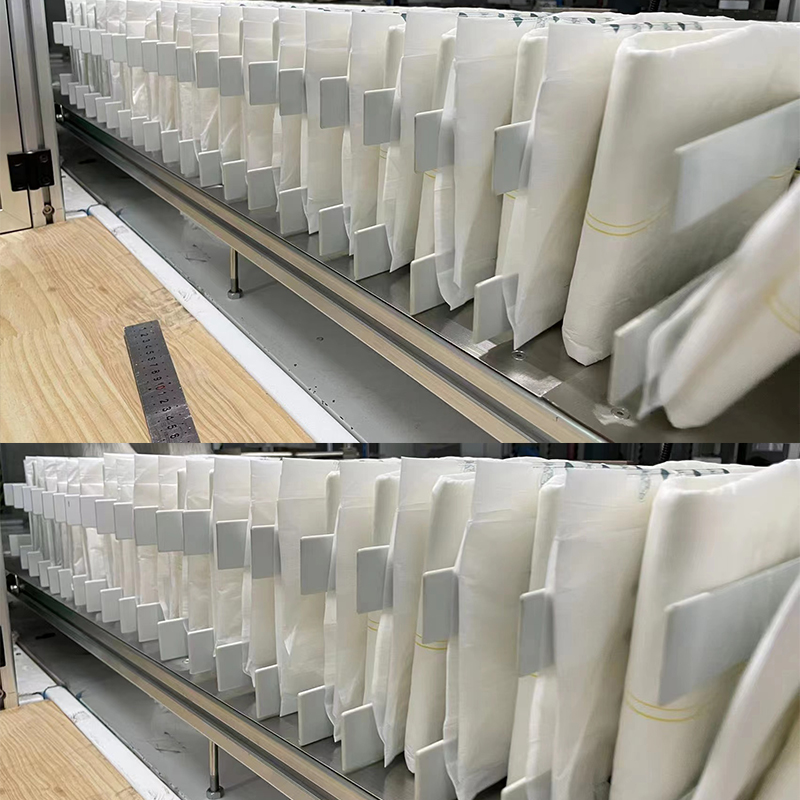
Beyond the product itself, technology is reshaping the entire value chain. Artificial intelligence (AI) and machine learning are being deployed in state-of-the-art manufacturing facilities, such as those operated by leading hygiene product suppliers. Companies like leverage automated production lines that use AI for quality control. High-speed cameras and sensors can detect microscopic defects in real-time, ensuring that every single product meets exacting standards and reducing waste.
The supply chain is another area ripe for technological disruption. AI-powered demand forecasting can analyze historical sales data, demographic trends, and even external factors like weather patterns or local health advisories to predict demand with incredible accuracy. This allows manufacturers to optimize production schedules, manage inventory more efficiently, and ensure that distributors have the right products in the right places at the right time. For distributors and private label brands, this means fewer stockouts, lower inventory carrying costs, and a more resilient supply chain capable of responding to market fluctuations.
The Role of E-commerce and Subscription Models
The digital revolution has fundamentally changed how consumers purchase goods, and incontinence products are at the forefront of this shift. The discretion and convenience of e-commerce are perfectly suited to this product category. Consumers can research options, read reviews, and have products delivered directly to their door in discreet packaging, bypassing the potential discomfort of a public retail purchase.
Building on this, the subscription model has become a game-changer. Incontinence is a recurring need, making it ideal for a "set it and forget it" purchasing model. Consumers can sign up to receive a regular supply of their preferred products, eliminating the mental load of remembering to reorder and the risk of running out. For brands, this model is incredibly powerful, as it fosters customer loyalty and creates a predictable, recurring revenue stream. This direct-to-consumer (DTC) relationship also provides a valuable feedback loop, allowing brands to gather data on customer preferences and adapt their offerings accordingly.
Trend 2: The Green Revolution in Absorbent Hygiene
For many years, the convenience of disposable hygiene products came with a significant environmental cost. A single disposable diaper can take hundreds of years to decompose in a landfill. As global environmental consciousness grows, consumers are increasingly demanding products that align with their values. This has sparked a "green revolution" within the industry, and it is a crucial factor underpinning the belief that the future is bright for the adult incontinence market. The brands that lead this charge will capture the hearts, minds, and wallets of the modern consumer.
Sustainable Materials: From Bamboo to Plant-Based Polymers
The core of a disposable incontinence product has traditionally been wood-based fluff pulp and petroleum-derived Super Absorbent Polymers (SAP). The innovation race is now focused on finding viable, sustainable alternatives.
- Bamboo Fiber: Bamboo is a remarkable resource. It grows incredibly fast, requires no pesticides, and uses significantly less water than cotton. Its fibers are naturally soft, breathable, and hypoallergenic, making them an ideal material for the top sheet (the layer that touches the skin).
- Plant-Based Plastics (PLAs): The waterproof outer layer of a diaper is typically made from polyethylene plastic. Manufacturers are now turning to polylactic acid (PLA), a bioplastic derived from renewable resources like corn starch or sugarcane. PLA provides the necessary barrier function but is compostable under industrial conditions.
- Chlorine-Free Processing: Traditional methods for bleaching wood pulp use chlorine, which can create harmful dioxin byproducts. A key feature of eco-friendly products is the use of Totally Chlorine-Free (TCF) or Elemental Chlorine-Free (ECF) processing, which is much safer for the environment.
These material innovations are not just about being "green"; they often result in a superior product. The breathability of bamboo, for instance, can contribute to better skin health for the user.
Biodegradability and the Circular Economy
The ultimate goal for many eco-conscious brands is to create a fully biodegradable product. While a 100% biodegradable disposable diaper remains a complex challenge due to the high-performance requirements of the absorbent core, significant progress is being made. Many products on the market now feature biodegradable components, such as the back sheet and packaging.
The concept of a circular economy is also gaining traction. This involves designing products where waste is minimized and materials can be recaptured and reused. In the hygiene sector, this could involve advanced recycling programs that can separate the plastic and organic components of used products, or the development of "compostable" products that can be broken down in specialized industrial facilities. While these systems are still in their infancy, they represent the long-term vision for a truly sustainable industry. Companies that invest in this research and development are positioning themselves as leaders in the market of the future.
Eco-Conscious Branding as a Market Differentiator
In a crowded marketplace, sustainability has become a powerful branding tool. For consumers in Europe, North America, and increasingly across the globe, a brand's environmental credentials can be a deciding factor in their purchasing decision. This is especially true for millennials who may be purchasing these products for their aging parents and are highly attuned to corporate social responsibility.
Manufacturers like and emphasize their commitment to quality and often hold certifications that speak to their environmental and ethical standards. For a private label brand or a distributor, partnering with a manufacturer that can supply certified eco-friendly products is a strategic advantage. It allows them to craft a brand story that resonates with modern consumer values, building a loyal customer base that is drawn not just to the product's function but to its philosophy. This values-based connection is a hallmark of successful modern brands and a key indicator of the market's evolving sophistication.
Trend 3: Unprecedented Customization and User-Centric Design
The adult incontinence market of the past was defined by a one-size-fits-all approach. Products were designed to meet a basic functional need, with little consideration for the diverse bodies, lifestyles, and preferences of the individuals using them. That era is decisively over. The modern market is characterized by a profound shift towards user-centric design and customization, a trend that is making products more effective, comfortable, and discreet than ever before. This focus on the individual is a powerful testament to the bright future of the adult incontinence market.
The Power of OEM/ODM Partnerships
The engine driving this wave of customization is the sophisticated ecosystem of Original Equipment Manufacturers (OEM) and Original Design Manufacturers (ODM). OEM is a model where a factory produces a product based on the client's exact specifications. ODM goes a step further, where the manufacturer also contributes to the design and development of the product itself.
Leading manufacturers in this space offer a vast array of customization options, allowing brands to create a product that is perfectly tailored to their target audience. This process is far more detailed than simply putting a logo on a generic product. As detailed by providers like , a brand can specify:
- Absorbency Levels: From light liners for minor leaks to maximum absorbency overnight briefs.
- Core Technology: Choosing between different types of SAP, fluff pulp ratios, or advanced composite cores.
- Materials: Selecting specific top sheets for softness, back sheets for breathability, or eco-friendly components like bamboo fiber.
- Fit and Sizing: Developing unique size ranges or features like extra-stretchy side panels or higher waistbands.
- Aesthetics: Choosing colors, patterns, and even the texture of the materials to create a product that feels less clinical and more like regular underwear.
This ability to fine-tune every aspect of the product allows brands to carve out specific niches in the market. For distributors and entrepreneurs, partnering with a flexible ODM/OEM provider offers a pathway to enter the market with a unique and competitive product without the massive capital investment required to build a factory from scratch. It democratizes innovation and fuels the market's diversity. This model of comprehensive one-stop diaper procurement is becoming the standard for agile and market-responsive brands.
Designing for Diverse Needs: Gender, Activity Level, and Severity
The "average user" does not exist. A 55-year-old woman experiencing light stress incontinence after childbirth has vastly different needs than an 85-year-old man with low mobility and heavy incontinence. The market is finally recognizing this reality with a proliferation of specialized products.
- Gender-Specific Design: Men and women have different anatomies, and incontinence products are adapting accordingly. Products for men often feature more absorbent material towards the front, while products for women may have a wider absorbent zone in the center. This tailored design prevents leaks more effectively and provides a more comfortable fit.
- Activity-Specific Products: An active individual who enjoys sports needs a product that is highly flexible, discreet, and secure against leaks during movement. In contrast, a person who is bed-bound requires a product that prioritizes maximum absorbency, skin protection during prolonged contact, and ease of changing for a caregiver.
- The Rise of Pant-Style Diapers: One of the most significant design evolutions has been the perfection of pull-on, pant-style diapers. These products look and feel much more like regular underwear, offering a huge psychological boost in terms of dignity and normalcy. The rise of pant-style adult diapers is a direct response to consumer demand for discretion and ease of use, allowing users to manage their own needs independently for longer.
The Focus on Aesthetics and Discretion
Perhaps the most subtle but emotionally significant shift is the focus on aesthetics. For years, adult diapers were invariably white, bulky, and made of a noisy, plastic-like material. They were a constant, tangible reminder of the condition.
Today's designers understand that the emotional experience of wearing the product is as important as its physical function. This has led to:
- Softer, Quieter Materials: The use of cloth-like back sheets makes the products feel more like fabric and eliminates the tell-tale "crinkle" sound during movement.
- Neutral Colors and Patterns: Many brands now offer products in muted colors like beige, grey, or black, making them far less conspicuous under clothing. Some even feature subtle, tasteful patterns.
- Slimmer Profiles: Advances in absorbent core technology have allowed for the creation of products that are incredibly thin yet highly absorbent, further enhancing discretion.
This focus on design is not superficial. It is about restoring a sense of normalcy and confidence to the user, empowering them to wear what they want and participate fully in life without fear of embarrassment. It is a compassionate, human-centered approach that is elevating the entire category.
Trend 4: The Expansion of Retail Channels and Accessibility
For a market to realize its full potential, its products must be easily accessible to those who need them. For a long time, adult incontinence products were relegated to the back shelves of pharmacies and medical supply stores, a placement that reinforced the stigma surrounding them. A key reason the future is bright for the adult incontinence market lies in the dramatic expansion and diversification of retail channels, which is making products easier to find, purchase, and normalize.
Beyond the Pharmacy: Mainstream Retail and Online Marketplaces
One of the most visible signs of de-stigmatization is the growing presence of adult incontinence products in mainstream retail environments. Major supermarket chains and big-box stores now dedicate significant shelf space to these products, often placing them within the general personal care aisle alongside items like deodorant and toothpaste. This simple act of placement sends a powerful message: this is a normal part of personal hygiene for a significant portion of the population.
Simultaneously, the explosion of global online marketplaces has been a boon for the industry. Platforms like Amazon, Alibaba, Ozon, and Shopee allow consumers from virtually anywhere in the world to access an enormous variety of brands and product types. This is particularly impactful for individuals in regions with less developed local retail infrastructure or for those seeking specialized products that may not be available in their local stores. For manufacturers and brands, these platforms provide a relatively low-barrier channel to reach a massive global audience, as evidenced by the partnerships highlighted by manufacturers like . This global reach is a cornerstone of the market's future growth, connecting producers in manufacturing hubs with consumers in diverse markets from Southeast Asia to Russia.
The Direct-to-Consumer (DTC) Disruption
While online marketplaces offer reach, the Direct-to-Consumer (DTC) model offers a deeper connection. A growing number of brands are bypassing traditional retail altogether and selling exclusively through their own websites. This model offers several distinct advantages:
- Brand Control: DTC brands have complete control over their messaging, branding, and customer experience. They can create an educational, supportive, and empathetic environment that builds a strong community around their brand.
- Data and Personalization: By owning the customer relationship, DTC brands can gather invaluable data on purchasing habits, product preferences, and customer feedback. This allows them to personalize marketing, offer tailored product recommendations, and rapidly iterate on product design.
- Subscription Services: As mentioned earlier, the DTC model is the natural home for subscription services, which provide convenience for the consumer and predictable revenue for the brand.
The DTC model is not just a sales channel; it is a relationship-building tool. It allows brands to speak directly to their customers, understand their needs on a profound level, and build a level of trust and loyalty that is difficult to achieve through a third-party retailer.
Global Market Penetration Strategies
The growth of the adult incontinence market is a global phenomenon, but the strategies required to succeed vary significantly from region to region. Established manufacturers and trading companies have become experts at navigating these complexities.
- Emerging Markets: In regions like Southeast Asia and parts of the Middle East, the strategy often revolves around balancing quality with price sensitivity. There is a huge opportunity for products that offer good performance at an accessible price point. E-commerce is often the most effective entry channel in these markets, leapfrogging the need for extensive physical retail networks.
- Mature Markets: In North America and Europe, the market is more sophisticated. Success here often depends on innovation, premiumization, and niche targeting. Eco-friendly credentials, advanced skin-health features, and highly specialized designs are key differentiators.
- The Role of Distributors: Local and regional distributors remain critically important. They possess invaluable knowledge of their specific market's regulations, cultural nuances, and distribution logistics. For a global manufacturer, building a strong network of trusted distributors is the key to effective market penetration. Companies like serve as crucial links in this global chain, connecting production capacity with regional demand.
This multi-pronged approach to distribution—combining mainstream retail, global marketplaces, DTC brands, and expert local distributors—ensures that as demand grows around the world, the products are there to meet it.
Trend 5: Regulatory Evolution and Quality Assurance
In a market that deals so intimately with personal health and well-being, trust is the ultimate currency. Consumers and healthcare professionals need to be absolutely confident that the products they use are safe, effective, and of high quality. The increasing focus on stringent regulatory standards and transparent quality assurance is the final, crucial trend that solidifies why the future is bright for the adult incontinence market. This commitment to excellence elevates the entire industry and protects the vulnerable individuals who rely on its products.
Navigating Global Certifications: ISO, CE, FDA
Operating in a global marketplace means adhering to a complex web of international standards. Reputable manufacturers do not see this as a burden but as a badge of honor. Key certifications serve as a universal language of quality:
- ISO 9001: This is the international standard for a Quality Management System (QMS). A manufacturer with ISO 9001 certification has demonstrated that they have robust, repeatable processes in place to ensure consistent product quality.
- CE Mark: For products sold within the European Economic Area, the CE mark is mandatory. It signifies that the product meets the EU's high safety, health, and environmental protection requirements.
- FDA Registration: In the United States, incontinence products are regulated by the Food and Drug Administration (FDA) as medical devices. Manufacturers selling into the US market must comply with FDA regulations regarding manufacturing practices and product claims.
- Other Certifications: Additional standards like ISO 13485 (for medical devices), REACH (regulating chemicals in the EU), and FSC (Forest Stewardship Council, for sustainably sourced pulp) further demonstrate a manufacturer's commitment to quality and responsibility.
For a distributor or private label brand, partnering with a manufacturer that holds these certifications is non-negotiable. It mitigates risk, ensures market access, and provides a powerful marketing tool that builds immediate trust with consumers.
The Importance of Skin Health and Dermatological Testing
The skin is the body's largest organ, and protecting it is a primary concern in incontinence care. Prolonged exposure to moisture and ammonia (from the breakdown of urine) can lead to a painful and dangerous condition known as Incontinence-Associated Dermatitis (IAD).
Leading manufacturers are investing heavily in technologies to promote skin health:
- Breathable Materials: Using microporous back sheets that allow water vapor to escape while retaining liquid is critical for keeping the skin dry and cool.
- pH-Balancing Top Sheets: Some advanced products feature a top sheet treated with a mild lotion or designed to maintain the skin's natural acidic pH, which helps to inhibit bacterial growth.
- Dermatological Testing: The "Dermatest" seal, or similar certifications from independent dermatological institutes, provides third-party validation that a product is gentle and non-irritating to the skin. This is a powerful claim that resonates strongly with consumers and caregivers who have experienced the challenges of IAD.
This focus on skin health transforms the product from a simple absorbent device into a therapeutic tool that actively contributes to the user's overall well-being.
Transparency and Trust in the Supply Chain
In today's interconnected world, consumers are increasingly interested in the entire lifecycle of the products they buy. They want to know where the raw materials came from, the conditions under which the product was made, and the ethical standards of the company behind it.
Transparency is the new paradigm for building brand trust. This can take many forms:
- Clear Labeling: Providing clear, honest information on packaging about the materials used, the product's origin, and its certifications.
- Traceability: Implementing systems that allow a product to be traced from the retail shelf all the way back to the raw materials used in its production. This is crucial for rapid recalls in the unlikely event of a quality issue.
- Ethical Audits: Participating in social accountability audits like BSCI (Business Social Compliance Initiative) or SEDEX, which ensure that workers in the supply chain are treated fairly and work in safe conditions.
By embracing this level of transparency, manufacturers and the brands they supply demonstrate a profound respect for their customers. They are not just selling a product; they are entering into a pact of trust. This foundation of quality, safety, and ethical conduct is what will sustain the market's growth and ensure its bright future for decades to come.
Frequently Asked Questions (FAQ)
What is the main reason the adult incontinence market is growing so quickly? The primary driver is global demographics. The world's population is aging rapidly, particularly in North America, Europe, and parts of Asia. As people age, the prevalence of conditions that cause incontinence increases. This creates a structural, long-term expansion of the core consumer base for these products.
Are eco-friendly adult diapers as effective as traditional ones? Yes, absolutely. Early versions of eco-friendly products sometimes required a trade-off in performance, but modern innovations have closed that gap. Today's sustainable products use advanced plant-based materials, such as bamboo fibers and highly effective bio-polymers, that offer absorbency, softness, and leak protection that is equal to or even better than their traditional counterparts, with the added benefit of being better for skin health and the environment.
What is the difference between OEM and ODM manufacturing? OEM (Original Equipment Manufacturer) is a service where a factory produces a product according to the exact design and specifications provided by the client brand. ODM (Original Design Manufacturer) is a more collaborative service where the factory not only manufactures the product but also contributes its expertise to the design, material selection, and feature development process. ODM is an excellent option for new brands that want to leverage the manufacturer's experience to create a competitive product quickly.
Are "smart diapers" a real product I can buy? Smart diapers are an emerging but very real technology. They are currently more common in professional healthcare settings like hospitals and nursing homes, where they help staff provide more efficient and dignified care. As the cost of sensor technology decreases, they are expected to become more widely available for home use, offering real-time alerts and health insights to individual users and their families.
Why are pant-style (pull-on) adult diapers becoming so popular? The popularity of pant-style diapers is driven by their focus on user dignity and independence. They look and feel much more like regular underwear than traditional tab-style briefs, which helps users feel more normal and confident. They are also easier for many individuals to manage themselves, promoting autonomy. Their discreet, body-hugging fit also provides excellent leak protection for active users.
How can I be sure the incontinence products I buy are safe for sensitive skin? Look for products that specifically mention features for skin health. Key indicators include labels like "hypoallergenic," "dermatologically tested," or certifications from institutes like Dermatest. Products that are described as "breathable" and are made without harsh chemicals, fragrances, or chlorine bleaching are also much gentler on the skin.
Conclusion
The evidence points overwhelmingly in one direction: the future is bright for the adult incontinence market. This is not a fleeting trend but a fundamental reshaping of an industry, driven by the powerful and enduring forces of demographic change, technological innovation, environmental consciousness, and a renewed focus on human dignity. The market is maturing beyond a simple commodity business into a sophisticated, user-centric sector offering a diverse range of solutions that empower individuals to live fuller, more active lives.
For distributors, private label entrepreneurs, and healthcare providers, this evolution presents a landscape rich with opportunity. The trends of smart technology, sustainability, hyper-customization, channel diversification, and stringent quality control are not just points of interest; they are the strategic pillars upon which successful businesses will be built in the coming years. By understanding and embracing these shifts, stakeholders can not only achieve commercial success but also contribute to a positive movement that enhances the quality of life for millions of people around the world. The journey ahead is one of growth, innovation, and profound social impact.
References
- Huikang Diaper. (2025, April 16). Custom diapers solutions. Retrieved from odm-oem-solution/
- Huikang Diaper. (2025, April 16). Diaper manufacturer and OEM/ODM solutions. Retrieved from https://huikangdiaper.com/
- G.T. Paper Co., Ltd. (2024, November 28). OEM baby diapers, diaper pants, adult diapers & sanitary napkins manufacturer. Retrieved from
- NEW YIFA Group. (2024, February 29). Manufacturer of baby diapers, adult diapers, wet tissue, sanitary napkins, paper towels & OEM services. Retrieved from
- Quanzhou V-care Sanitary Products Co.,Ltd. (2025, October 30). Company overview. Retrieved from
- World Health Organization. (2022, October 1). Ageing and health. WHO. Retrieved from


