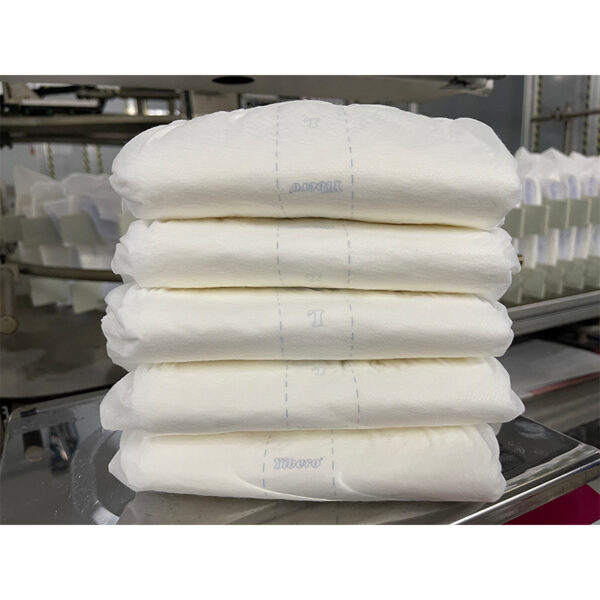
Abstract
This analysis explores the hypothetical transformation of adult diapers from a product primarily associated with incontinence to a mainstream personal wellness device by the year 2026. The examination posits that technological advancements, cultural shifts, and evolving consumer demands could converge to reposition adult absorbent products as multifaceted tools for health monitoring, performance enhancement, and daily convenience. The paper investigates five potential breakthrough innovations: the integration of biosensors for non-invasive health tracking, the application of advanced materials for athletic and professional performance, the development of sustainable and biodegradable designs, the rise of mass customization through OEM/ODM partnerships, and the normalization of use in various lifestyle contexts beyond medical necessity. It scrutinizes the underlying manufacturing capabilities, ethical considerations, and socio-cultural dynamics that would need to evolve to support such a paradigm shift. The objective is to provide a comprehensive framework for understanding how a once-stigmatized product could become a central component of the broader personal wellness movement.
Key Takeaways
- Smart diapers with biosensors could offer non-invasive, continuous health monitoring.
- Advanced materials may transform absorbent wear into performance-enhancing gear.
- Sustainable, plant-based options are becoming central to consumer choice and production.
- Mass customization allows for personalized fit, comfort, and functionality.
- Explore what if adult diapers became the next big breakthrough in personal wellness.
- The product's use is expanding into travel, postpartum care, and professional settings.
- De-stigmatization through marketing and education is vital for mainstream acceptance.
Table of Contents
- The Current Landscape: Reframing Adult Absorbent Products in 2026
- Innovation #1: The Smart Diaper as a Non-Invasive Health Monitor
- Innovation #2: Performance Enhancement for the Everyday Athlete and Professional
- Innovation #3: The Rise of Eco-Conscious and Sustainable Designs
- Innovation #4: Personalized Comfort Through Advanced Customization
- Innovation #5: Redefining Convenience for Modern Lifestyles
- Societal and Cultural Shifts: Accepting a Diapered Future
- Frequently Asked Questions (FAQ)
- Conclusion
- References
The Current Landscape: Reframing Adult Absorbent Products in 2026
To comprehend the potential for a revolution in personal wellness, one must first grasp the foundations upon which it would be built. As of 2026, the perception and technology of adult absorbent products are already in a state of significant flux. The narrative is slowly but surely moving away from a singular focus on age-related or severe medical incontinence. Instead, a more nuanced understanding is emerging, one that acknowledges a wide spectrum of needs and applications. This shift is not happening in a vacuum; it is propelled by advancements in materials science, manufacturing agility, and a global conversation that increasingly prioritizes personal health, comfort, and dignity. The journey from a medical necessity to a wellness tool begins with de-stigmatizing its current uses and recognizing the sophisticated technological base that already exists.
Beyond Incontinence: De-stigmatizing Use Cases
The term "adult diaper" has long been burdened with connotations of frailty and a loss of autonomy. Yet, the reality of its user base in 2026 is far more diverse. The conversation is expanding to include a variety of situations where temporary or light protection offers a profound sense of security and freedom. For instance, postpartum recovery is a period when many individuals experience temporary incontinence. The availability of discreet, comfortable absorbent underwear provides them with the confidence to navigate the early weeks of motherhood without anxiety. Similarly, individuals recovering from pelvic or prostate surgery find these products indispensable for a short-term, manageable need.
Beyond medical recovery, lifestyle applications are gaining traction. Long-distance truck drivers, pilots, and surgeons in lengthy operations are beginning to view absorbent wear as a practical tool for maintaining focus without interruption. Think of a crane operator high above a construction site or a researcher in a cleanroom environment; in these scenarios, the ability to delay a bathroom break is not about incontinence but about operational efficiency and safety. As these use cases become more openly discussed, the stigma begins to erode. The product is reframed not as a symbol of a failing body, but as a clever solution for a demanding world, much like an energy gel for a marathon runner or noise-canceling headphones for a frequent flyer.
Technological Foundations: Materials Science and Manufacturing
The speculative future of the "wellness diaper" is only possible because of the remarkable, often unseen, innovations of the present. The modern adult diaper is a feat of engineering, combining materials science and high-speed manufacturing in a way that balances performance, comfort, and cost. Manufacturers like HuiKang Diaper, with their 33 automated production lines and capacity for 3 billion pieces annually, represent the scale and sophistication of the industry ().
The core of the product is the superabsorbent polymer (SAP), a material capable of absorbing and retaining hundreds of times its own weight in liquid. Today's SAPs are incredibly efficient, locking moisture away from the skin to maintain dryness and prevent irritation. The nonwoven fabrics used for the topsheet and backsheet are designed to be soft, breathable, and cloth-like, a far cry from the plastic-heavy products of the past. Advanced features like 3D embossed surface layers and dual leak-guard designs are now standard, engineered to manage fluid rapidly and prevent leaks during active movement (Huikang Diaper, n.d.-a). This existing technological platform is the launchpad for future innovations. The factories and supply chains are already in place, ready to incorporate new materials, sensors, and designs as the market evolves.
A Global Market in Transition
The demand for adult hygiene products is growing rapidly across the world, from North America and Europe to Russia, the Middle East, and Southeast Asia. This growth is driven by several factors, including aging populations in many developed nations and increasing health awareness and disposable income in emerging markets. Companies like G.T. Paper Co., Ltd. export to over 70 countries, highlighting the global nature of this industry ().
This global demand creates a competitive environment that fosters innovation. Retailers and distributors are constantly seeking products that offer a better user experience—softer materials, a more discreet fit, and superior performance. This pressure pushes manufacturers to invest in research and development. Furthermore, the rise of e-commerce and direct-to-consumer brands allows for more targeted marketing and product development, catering to niche segments of the population. The market is no longer monolithic. A consumer in a tropical climate like Southeast Asia might prioritize breathability and an ultra-thin design, while a consumer in a colder European climate might value thermal properties. This diversification of demand is a powerful force, pushing the industry away from a one-size-fits-all approach and toward a future of personalization and wellness.
| Feature | Current Adult Diapers (circa 2026) | Future Wellness Diapers (Hypothetical) |
|---|---|---|
| Primary Function | Incontinence Management | Holistic Personal Wellness |
| Core Technology | Superabsorbent Polymers (SAP) | SAP + Integrated Biosensors |
| Material Focus | Absorbency, Softness, Breathability | Biodegradability, Thermoregulation, Compression |
| Data Collection | None (or basic wetness indicator) | Real-time health metrics (hydration, pH, etc.) |
| User Profile | Primarily individuals with incontinence | Athletes, professionals, travelers, new mothers |
| Customization | Size and absorbency level | Bespoke fit, on-demand features, aesthetics |
| Market Position | Medical/Hygiene Product | Wellness/Lifestyle/Tech Gadget |
Innovation #1: The Smart Diaper as a Non-Invasive Health Monitor
Imagine a world where a simple piece of personal wear could provide a continuous, non-invasive stream of data about your health. What if adult diapers became the next big breakthrough in personal wellness by transforming into sophisticated health monitoring platforms? This is not the realm of distant science fiction; it is the logical next step in the convergence of wearable technology and personal hygiene. By embedding micro-sensors and flexible electronics into the absorbent core, the adult diaper could evolve into a powerful tool for preventative health, offering insights that were previously only available through clinical tests.
Integrating Biosensors for Real-Time Data
The foundation of the "smart diaper" lies in the integration of miniaturized, flexible biosensors. These are not bulky pieces of hardware but rather printed electronic circuits and chemically reactive agents woven directly into the fabric of the product. These sensors would be designed to come into contact with urine and sweat, analyzing their composition in real time. The technology builds upon existing research into wearable sensors for health monitoring, which has already produced devices that can track glucose levels through sweat or heart rate through skin contact (Heo et al., 2018).
The key challenge is to produce these sensors at a scale and cost suitable for a disposable product. This is where the immense production capabilities of the hygiene industry become relevant. Companies that already operate on a massive scale, producing billions of units per year, are well-positioned to integrate new technologies into their existing automated processes (). The data collected by these sensors could then be transmitted wirelessly via low-energy Bluetooth to a smartphone app, providing the user—or a designated caregiver—with a dashboard of their physiological status.
From Hydration Levels to UTI Detection
What specific health metrics could a smart diaper track? The possibilities are vast and incredibly valuable.
- Hydration: Dehydration is a common and serious issue, particularly among the elderly and athletes. A sensor could measure urine specific gravity or electrolyte concentration to provide a precise, real-time indicator of hydration status. The app could send an alert: "Your hydration is low. Time to drink some water."
- Urinary Tract Infections (UTIs): UTIs are a frequent and often recurring problem. Sensors could be designed to detect the presence of nitrites or leukocyte esterase, key biomarkers for bacterial infection (Schmiemann et al., 2010). Early detection could enable prompt treatment, preventing more serious complications like kidney infections.
- Kidney Function: Changes in urine pH, protein levels (proteinuria), or glucose levels could be early warning signs of declining kidney function or diabetes. Continuous monitoring could spot trends that a one-off clinical test might miss, allowing for earlier intervention.
- Fertility and Hormonal Tracking: For individuals using these products for menstrual care, sensors could track hormonal fluctuations, providing a more accurate picture of the menstrual cycle for fertility planning or managing conditions like polycystic ovary syndrome (PCOS).
This data transforms the product from a passive absorbent device into an active participant in one's health management. It empowers individuals to take a proactive role in their well-being, shifting the focus from treating sickness to maintaining wellness.
Data Privacy and Ethical Considerations in Wearable Tech
The collection of such intimate health data naturally raises profound ethical questions. Who owns this data? How is it protected? The success of the smart diaper as a wellness tool would depend entirely on establishing a robust framework of trust. Manufacturers and software developers would need to adhere to the highest standards of data encryption and privacy, compliant with regulations like GDPR in Europe and HIPAA in the United States.
Users must have complete control over their data, with clear and transparent options for sharing it with healthcare providers or family members. The potential for data to be used by insurance companies or employers to make discriminatory decisions is a serious risk that must be addressed through stringent regulation and corporate ethics. The design of the system should be user-centric, prioritizing the individual's autonomy and privacy above all else. The dialogue would need to shift from "What can we collect?" to "What information is genuinely useful and how can we protect it absolutely?" Without this ethical foundation, the technological promise of the smart diaper would remain unfulfilled.
Innovation #2: Performance Enhancement for the Everyday Athlete and Professional
The conversation around high-performance gear is typically dominated by specialized footwear, moisture-wicking apparel, and aerodynamic equipment. But what if the next leap forward in athletic and professional performance was found in an entirely unexpected place? What if adult diapers became the next big breakthrough in personal wellness by being re-engineered as performance-enhancing undergarments? This evolution would leverage advanced materials to offer benefits like thermoregulation, compression, and friction reduction, catering to the needs of everyone from marathon runners to long-haul pilots.
Thermoregulation and Moisture Management
At the heart of athletic performance is the body's ability to manage heat and moisture. An athlete who is too hot or too cold, or whose skin is damp and prone to chafing, cannot perform at their peak. The modern absorbent product is already a master of moisture management, using superabsorbent polymers to pull liquid away from the skin. The next generation of these products could take this a step further.
Imagine an undergarment with integrated phase-change materials (PCMs). These are substances that absorb and release thermal energy during the process of melting and freezing. Woven into the diaper's fabric, PCMs could absorb excess body heat during intense exertion, creating a cooling effect. Conversely, in cold conditions, they could release stored heat to provide warmth. This is not just about comfort; it is about maintaining an optimal core body temperature, which is directly linked to endurance and performance (Mondal, 2008).
Furthermore, advancements in nonwoven fabrics could create materials with directional moisture wicking. Instead of just absorbing sweat, the fabric could be engineered to actively transport it from the skin to the outer layer of the garment, where it can evaporate more efficiently. This would keep the athlete's skin drier, reducing the risk of painful chafing and skin irritation over long distances.
Compression, Support, and Preventing Chafing
Compression wear is already a staple for many athletes, valued for its ability to improve blood flow, reduce muscle oscillation, and provide a sense of support. A performance-oriented adult diaper could incorporate these principles into its design.
- Zoned Compression: Instead of uniform pressure, the garment could offer targeted compression to key muscle groups in the hips, glutes, and core. This could enhance stability and potentially reduce muscle fatigue during activities like running or cycling.
- Anatomical Design: Moving beyond simple small, medium, and large sizes, these products would be anatomically shaped for different body types and activities. The fit would be snug and seamless, moving with the body like a second skin. This eliminates the bunching and shifting that can lead to chafing.
- Friction-Reducing Surfaces: The outer layer of the product could be treated with a low-friction coating, allowing outer clothing layers (like running shorts or cycling bibs) to glide smoothly over the surface. This would be a game-changer for endurance athletes, for whom friction is a constant and painful battle. The result is a garment that not only manages moisture but also provides biomechanical support and protection.
Applications in Extreme Sports and Endurance Activities
The benefits of such a performance garment extend beyond traditional sports into more extreme and demanding environments.
- Endurance Racing: For ultrarunners, endurance cyclists, or participants in multi-day adventure races, the ability to urinate without stopping or removing layers of clothing is a significant competitive advantage. A high-performance absorbent undergarment would allow them to do so discreetly and hygienically, saving precious minutes and maintaining focus.
- Motorsports: Race car drivers endure extreme heat and G-forces for hours at a time. A garment that offers both cooling and moisture management, while also allowing them to relieve themselves during a long race, would be an invaluable piece of equipment.
- Mountaineering and Polar Exploration: In environments where removing clothing is dangerous due to extreme cold, an absorbent system can be a critical piece of survival gear. An advanced version with thermal properties would provide an even greater margin of safety and comfort.
In these contexts, the product sheds its last vestiges of stigma. It is no longer a "diaper" but a piece of high-tech gear, a crucial component of an athlete's or adventurer's toolkit, designed for the express purpose of pushing the limits of human performance.
Innovation #3: The Rise of Eco-Conscious and Sustainable Designs
The global hygiene products industry faces a significant environmental challenge. The vast majority of disposable diapers, for both babies and adults, end up in landfills, where their plastic components can take centuries to decompose. As consumers become more environmentally aware, the demand for sustainable alternatives is growing stronger. The question then becomes, what if adult diapers became the next big breakthrough in personal wellness not just for the user, but for the planet? This innovation pathway focuses on reimagining the product's entire lifecycle, from sourcing and production to disposal, using biodegradable materials and embracing a circular economy model.
Biodegradable Materials and Circular Economies
The ultimate goal for a sustainable hygiene product is full biodegradability. This means that after use, the product can be composted, breaking down into natural elements without leaving harmful residues. Achieving this requires a fundamental shift in the materials used.
- Plant-Based Plastics: The waterproof outer layer, traditionally made from polyethylene, can be replaced with bioplastics like polylactic acid (PLA), which is derived from corn starch or sugarcane. PLA is compostable under industrial conditions.
- Natural Fibers: The absorbent core can be made from sustainably sourced wood pulp fluff, bamboo fibers, or even agricultural waste products. These materials are inherently biodegradable.
- Bio-Based Superabsorbents: The most challenging component is the superabsorbent polymer (SAP), which is typically petroleum-based. Significant research is underway to develop bio-based SAPs derived from sources like starch or cellulose (Zohuriaan-Mehr & Omidian, 2010). A breakthrough in cost-effective, high-performance bio-SAP would be a monumental step forward for the industry.
Beyond the product itself, the concept of a circular economy comes into play. This could involve creating municipal composting programs specifically for hygiene products, turning waste into a valuable resource like soil fertilizer. It might also include take-back programs where manufacturers are responsible for the end-of-life of their products.
The Role of Plant-Based Polymers and Composites
The development of advanced plant-based materials is key to creating a product that is both high-performing and eco-friendly. Manufacturers are increasingly exploring innovative composites that blend different natural fibers to achieve desired properties. For example, a blend of bamboo and cotton fibers could offer a unique combination of softness, strength, and absorbency. Companies that specialize in baby diapers are already leading the way with eco-friendly designs, using plant-based nonwoven fabrics and biodegradable surface layers (huikangdiaper.com). This technology is directly transferable to the adult product market.
The manufacturing process itself can also be made more sustainable. This includes using renewable energy to power factories, minimizing water usage, and reducing packaging waste. Many modern diaper manufacturers already hold certifications like ISO 14001 for environmental management and FSC for responsible sourcing of wood pulp, demonstrating a commitment to sustainability that can be built upon ().
| Material Component | Conventional Material | Sustainable Alternative | Environmental Benefit |
|---|---|---|---|
| Absorbent Core | Wood Pulp + Petroleum-based SAP | FSC-Certified Wood Pulp + Bio-based SAP | Reduces fossil fuel dependence, biodegradable |
| Waterproof Backsheet | Polyethylene Film | PLA (Polylactic Acid) Bioplastic Film | Compostable, derived from renewable resources |
| Topsheet (Skin Contact) | Polypropylene Nonwoven | Bamboo or Organic Cotton Nonwoven | Renewable resource, soft, naturally hypoallergenic |
| Adhesives | Synthetic Hot-Melt Adhesives | Bio-based Adhesives | Reduces reliance on petrochemicals |
| Packaging | Plastic Bags | Recycled Cardboard or Compostable Bags | Reduces plastic waste, promotes recycling |
Manufacturer Responsibility and Consumer Choice
In this eco-conscious future, the role of the manufacturer extends far beyond simply selling a product. They become stewards of the environment. This means transparently communicating the material composition and end-of-life options for their products. Clear labeling, such as "Industrially Compostable" or "Made with 85% Plant-Based Materials," would empower consumers to make informed choices that align with their values.
This shift also creates a new dimension of competition. Brands would compete not only on performance and price but also on their environmental credentials. A company that can offer a fully biodegradable, high-performance product at a reasonable price point would have a powerful market advantage. This consumer-driven demand for sustainability would accelerate innovation across the entire industry, pushing every player to improve their environmental footprint. The wellness of the individual becomes inextricably linked to the wellness of the planet, making the choice of a personal care product a statement of environmental responsibility.
Innovation #4: Personalized Comfort Through Advanced Customization
For decades, the model for disposable hygiene products has been one of mass production: a limited range of sizes and absorbency levels designed to fit the "average" person. But in the pursuit of true wellness, "average" is rarely optimal. Discomfort, poor fit, and leakage are often the result of a product that is not tailored to an individual's unique body shape and needs. This is where the next revolution lies. What if adult diapers became the next big breakthrough in personal wellness by moving from a one-size-fits-many model to one of mass customization? This innovation leverages the power of advanced manufacturing to create a product that feels like it was made just for you.
OEM/ODM and the Future of Bespoke Fits
The groundwork for this revolution is already being laid by the robust Original Equipment Manufacturer (OEM) and Original Design Manufacturer (ODM) ecosystem within the hygiene industry. Companies like New Sense and HuiKang Paper Industry are not just producing their own brands; they are specialists in creating custom products for other companies around the world (, ). They offer a vast array of customization options, from different materials and sizes to unique packaging designs. This existing infrastructure for customization is the key to unlocking personalized products for the end consumer.
Imagine a direct-to-consumer brand that uses a smartphone app to guide a user through a simple 3D body scan using their phone's camera. This data would generate precise measurements of the user's waist, hips, and thighs. The app would then ask a series of questions about their lifestyle, activity level, and specific needs (e.g., "Are you a side sleeper?", "Do you need protection for high-impact sports?"). This information would be sent directly to a highly automated and flexible manufacturing facility. The factory's production line, guided by software, would then produce a bespoke garment tailored to that user's exact specifications: a unique shape, a specific combination of materials, and targeted zones of absorbency. This is the ultimate expression of pant-style adult diapers as the future of personal care, taken to its logical conclusion.
On-Demand 3D Printing and Material Science
While current OEM/ODM processes offer significant flexibility, the future may involve even more radical manufacturing techniques. 3D printing, or additive manufacturing, could play a crucial role. While printing an entire diaper might be slow and costly, specific components could be 3D-printed on-demand. For example, the elastic waistband and leg cuffs could be printed directly onto the nonwoven chassis, creating a seamless and perfectly contoured fit based on the user's 3D scan.
Material science would also play a part. Imagine "tunable" materials whose properties could be altered during the manufacturing process. A single roll of nonwoven fabric could be treated in different ways along its length to create zones of higher breathability or greater softness, all controlled by the individual user's data. The superabsorbent polymer could be deposited in a precise pattern, concentrating it where the user needs it most and keeping the rest of the garment ultra-thin and discreet. The result is a product that is not just assembled from standard parts but is truly constructed for an individual.
The Psychological Impact of Personalized Care
The benefits of a perfectly fitting product go far beyond physical comfort and leak prevention. There is a profound psychological impact. When a product fits poorly, it is a constant, uncomfortable reminder of the need for it. It can feel bulky under clothing, crinkle when moving, and create anxiety about potential failure. This can lead to a diminished sense of self and a reluctance to engage in social activities.
In contrast, a bespoke garment that is seamless, discreet, and perfectly reliable restores a sense of normalcy and dignity. It allows the user to forget they are even wearing it. They can move with confidence, wear the clothes they want to wear, and live their life without the constant background anxiety of a product that does not quite work. This feeling of confidence and bodily integrity is a cornerstone of personal wellness. The act of receiving a product designed specifically for your body sends a powerful message: your needs are seen, understood, and catered to. It transforms the experience from one of managing a condition to one of practicing self-care, supported by a reliable and innovative hygiene products supplier.
Innovation #5: Redefining Convenience for Modern Lifestyles
The concept of wellness is not confined to moments of exercise or health monitoring; it permeates every aspect of daily life. It is about reducing friction, minimizing stress, and enabling individuals to operate at their best, whatever their activity. In our fast-paced, highly mobile world, practical convenience has become a form of wellness in itself. So, what if adult diapers became the next big breakthrough in personal wellness by being positioned as a tool for ultimate convenience? This vision expands the product's role far beyond its traditional boundaries, integrating it into the fabric of modern life for a diverse range of people who are not incontinent but who value uninterrupted focus and freedom.
Travel, Commuting, and Uninterrupted Focus
Consider the modern traveler or commuter. Long-haul flights with turbulent "fasten seatbelt" signs, lengthy train journeys with occupied or unhygienic restrooms, and gridlocked traffic on the daily commute are all situations where access to a bathroom is limited or inconvenient. For many, this can cause significant anxiety, known as "restroom anxiety," which can detract from the experience of travel or add stress to the workday.
An ultra-thin, highly absorbent undergarment offers a simple and elegant solution. It acts as a safety net, a form of insurance that provides peace of mind. A passenger on a 12-hour flight can rest, watch a movie, or sleep without worrying about disturbing their neighbor or timing their restroom visits. A commuter stuck in a two-hour traffic jam can remain calm, knowing they have a backup. This is not about an inability to control one's bladder; it is about controlling one's environment and schedule. The product empowers individuals to reclaim time and focus that would otherwise be lost to logistical concerns.
Supporting Postpartum Recovery and Menstrual Care
The application of absorbent technology to menstrual care is not new, but the evolution into a full pant-style garment represents a significant leap in convenience and security. For individuals with very heavy flows (menorrhagia) or for overnight protection, menstrual pants offer 360-degree coverage that pads cannot match. They eliminate the worry of leaks staining bedding or clothing, allowing for a more restful and secure night's sleep.
Similarly, in the postpartum period, a time of physical healing and emotional adjustment, convenience is paramount. New mothers often experience heavy bleeding (lochia) combined with temporary bladder leakage. Managing this with a combination of pads and other products can be cumbersome. A single, comfortable, highly absorbent pant simplifies the process, allowing the mother to focus on recovering and bonding with her newborn. In these contexts, the product is a tool of self-care, providing comfort and simplifying a complex and often stressful period of life. The industry has a long history of producing a wide range of feminine and maternal care products, making this a natural market extension (G.T. Paper Co., Ltd., n.d.).
A Tool for Productivity in High-Stakes Professions
In certain professions, interruptions can have significant consequences. A surgeon in the middle of a complex, 10-hour procedure cannot simply step away. A trial lawyer delivering a closing argument, a musician performing a symphony, or a politician giving a pivotal speech cannot afford to have their concentration broken. While these professionals are not incontinent, the physiological urge to urinate can be a powerful distraction.
For these high-stakes situations, an absorbent garment can be a strategic tool for maintaining peak performance. It removes a potential source of distraction, allowing the individual to remain completely immersed in their task. This may seem like an extreme example, but it highlights the core principle: the product is being used to optimize human performance by removing a fundamental biological constraint. It is a choice made not out of necessity, but for the pursuit of excellence. This reframing is crucial for normalization, as it positions the product as a proactive choice for ambitious and focused individuals, further distancing it from the passive, medicalized image of the past.
Societal and Cultural Shifts: Accepting a Diapered Future
Technological innovation alone is not enough to spark a revolution. For adult absorbent products to truly become a mainstream wellness tool, a profound societal and cultural shift must occur. The deeply ingrained stigma surrounding bladder control and bodily functions must be dismantled and replaced with a more open, pragmatic, and compassionate perspective. This process involves a concerted effort in marketing, a change in generational attitudes, and a willingness to learn from the history of other once-taboo products. The future of this personal wellness breakthrough depends as much on psychology and sociology as it does on materials science.
Marketing and Normalization in Mainstream Media
The way a product is presented to the world shapes our perception of it. For decades, the marketing for adult diapers was clinical, discreet, and targeted almost exclusively at the elderly. Advertisements featured gentle, silver-haired actors in quiet, domestic settings, reinforcing the association with aging and infirmity.
For normalization to occur, this narrative must be completely rewritten. The future of marketing for these products will look very different:
- Diverse Representation: Advertisements will feature a wide range of users: a young mother, a marathon runner, a business traveler, a video gamer in the middle of a tournament. This visually communicates the product's expanded role.
- Focus on Empowerment: The messaging will shift from "managing a problem" to "unlocking potential." The tone will be confident, active, and aspirational. Slogans might focus on freedom, confidence, and uninterrupted living.
- Humor and Authenticity: Brands may use humor and relatable scenarios to break down the awkwardness surrounding the topic. Think of the way brands have successfully normalized conversations about erectile dysfunction or menstruation. A touch of wit can be a powerful tool for de-stigmatization.
- Product Naming: The terminology itself will evolve. Brands may move away from terms like "diaper" or "incontinence pad" in favor of names like "performance underwear," "personal liners," or "active briefs."
This new marketing paradigm will not just sell a product; it will sell a new way of thinking about bodily functions and personal care.
Generational Attitudes and the Wellness Movement
Younger generations, particularly Millennials and Gen Z, have grown up in a culture that is increasingly open about topics once considered private. They are the driving force behind the modern wellness movement, which treats health not just as the absence of disease, but as a holistic state of physical, mental, and emotional well-being.
This generation is more likely to view the body as a system to be optimized. They track their sleep, monitor their nutrition, and use technology to enhance their fitness. From this perspective, using an absorbent garment for convenience or performance is not a sign of weakness, but a logical and pragmatic "life hack." They are less encumbered by the historical stigma and more willing to adopt solutions that offer a tangible benefit. As these generations age and become the dominant consumer group, their attitudes will naturally pull the product into the mainstream wellness market.
Overcoming the Stigma: A Lesson from History
It is helpful to remember that many products we now consider commonplace were once taboo. Consider eyeglasses. In the 18th and 19th centuries, wearing spectacles was often seen as a sign of physical defect and intellectual weakness. People would hide them and only use them in private. Today, eyeglasses are a fashion accessory, a statement of style and personality.
What caused this shift? A combination of factors: technological improvements made them more comfortable and effective, celebrity and influencer adoption made them fashionable, and a cultural shift towards valuing intellectual pursuits made them a symbol of intelligence rather than infirmity.
The path for adult absorbent products could be similar. As the technology improves to make them more comfortable, discreet, and even "smart," and as their use is normalized through new marketing and adoption by a wider range of people, the stigma will inevitably fade. The journey from a hidden medical aid to a celebrated wellness tool is a long one, but it is a path that has been walked before. It requires us to challenge our own preconceived notions and to imagine a future where dignity, comfort, and convenience are accessible to all, through innovations in even the most personal of products.
Frequently Asked Questions (FAQ)
Will these advanced wellness diapers be affordable?
Initially, products with integrated biosensors or highly specialized materials may be introduced at a premium price point, similar to other new wearable technologies. However, the immense scale of the global hygiene industry and the competitive nature of OEM/ODM manufacturing, as seen with firms like , suggest that costs would decrease rapidly. As technology matures and becomes standard, market forces will likely make these advanced features accessible to a broader consumer base.
Are smart diapers with biosensors safe for long-term use?
Safety would be the highest priority. All materials and electronic components would undergo rigorous testing to ensure they are hypoallergenic, non-toxic, and biocompatible, adhering to international standards like CE, FDA, and Dermatest. The electronics would be low-power and fully sealed to prevent any contact with the skin or risk of electrical shock, ensuring they are as safe as any other piece of clothing.
How will the data privacy of smart diapers be protected?
Data protection would be foundational to the product's acceptance. Companies would be required to use end-to-end encryption for all data transmitted from the diaper to a user's app. Users would have full control over their data, with clear opt-in/opt-out choices for sharing information with healthcare providers. Adherence to strict data privacy regulations, such as GDPR and HIPAA, would be non-negotiable.
Where could I find a manufacturer for customized or specialized adult diapers?
For businesses or brands looking to enter this market, the best approach is to partner with an experienced Original Design Manufacturer (ODM) or Original Equipment Manufacturer (OEM). Companies specializing in hygiene product solutions offer comprehensive services, including R&D, material sourcing, custom design, and large-scale production, enabling the creation of unique products tailored to specific market needs.
What is the environmental impact of these next-generation diapers?
The environmental impact is a central concern. A major focus of innovation is the development of sustainable materials, including plant-based plastics (PLA), biodegradable fibers like bamboo and wood pulp, and bio-based superabsorbent polymers. The goal for many manufacturers is to create fully compostable products and to promote circular economy models, significantly reducing the landfill burden associated with traditional disposable hygiene products.
Can these products be used by people without any medical conditions?
Absolutely. A key part of this hypothetical shift is the expansion of use cases beyond medical necessity. People in professions requiring long periods of uninterrupted focus, travelers, endurance athletes, and new mothers are all potential users who may not have incontinence but can benefit from the convenience, comfort, and security these advanced garments provide.
How can society overcome the stigma associated with adult diapers?
Overcoming stigma is a gradual process that involves changing the public conversation. This can be achieved through inclusive and empowering marketing that showcases diverse users in active lifestyles, the use of neutral or positive terminology (e.g., "performance underwear"), public education, and open discussions that frame the product as a practical tool for modern life rather than a symbol of infirmity.
Conclusion
The proposition that adult diapers could become a central pillar of the personal wellness industry requires a significant imaginative leap, yet it is a leap grounded in observable trends in technology, culture, and manufacturing. The journey from a stigmatized medical product to a celebrated wellness tool is not predicated on a single invention but on the convergence of multiple streams of innovation. The integration of non-invasive biosensors promises to turn a passive garment into an active health monitor, providing data that empowers preventative care. The application of advanced materials science can transform it into performance-enhancing gear, optimizing thermoregulation and support for athletes and professionals alike. Critically, the growing demand for sustainability is driving the industry toward biodegradable materials and circular economies, aligning personal wellness with planetary health.
Underpinning these possibilities is the evolution of manufacturing from a mass-production model to one of mass customization, enabling products that offer an unprecedented level of personalized comfort and dignity. As these technological advancements intersect with evolving social norms and a generational shift in attitudes toward health and the body, the potential for a paradigm shift becomes clear. The question is not merely a technical one of "can we build it?" but a cultural one of "can we accept it?" If we can, the future of personal care might look very different, with one of its most humble products leading the way toward a more convenient, informed, and confident way of living.
References
Associated Hygienic Products LLC. (n.d.). Company overview. UNIS. Retrieved from
G.T. Paper Co., Ltd. (n.d.). OEM baby diapers, diaper pants, adult diapers & sanitary napkins manufacturer. Retrieved from
Heo, J. S., Eom, J., Kim, Y., & Park, S. K. (2018). Recent progress in wearable sensors for continuous health monitoring. Journal of Information and Communication Convergence Engineering, 16(1), 1-8. https://doi.org/10.6109/jicce.2018.16.1.1
Huikang Diaper. (n.d.-a). Baby diaper manufacturer in China. Retrieved from https://huikangdiaper.com/product-category/baby-diaper/
Huikang Diaper. (n.d.-b). Diaper manufacturer and OEM/ODM solutions. Retrieved from https://huikangdiaper.com/
Huikang Diaper. (n.d.-c). Custom diapers solutions. Retrieved from
Mondal, S. (2008). Phase change materials for smart textiles – An overview. Applied Thermal Engineering, 28(11-12), 1536-1550.
New Sense Hygiene Products Co., Ltd. (n.d.). Baby diaper/pull up baby diaper/adult diaper/underpad, sanitary napkin. Alibaba. Retrieved from
New Yifa Group. (n.d.). Manufacturer of baby diapers, adult diapers, wet tissue, sanitary napkins, paper towels & OEM services. Retrieved from
Schmiemann, G., Kniehl, E., Gebhardt, K., Matejczyk, M. M., & Hummers-Pradier, E. (2010). The diagnosis of urinary tract infection: A systematic review. Deutsches Ärzteblatt International, 107(21), 361–367. https://doi.org/10.3238/arztebl.2010.0361


