Abstract
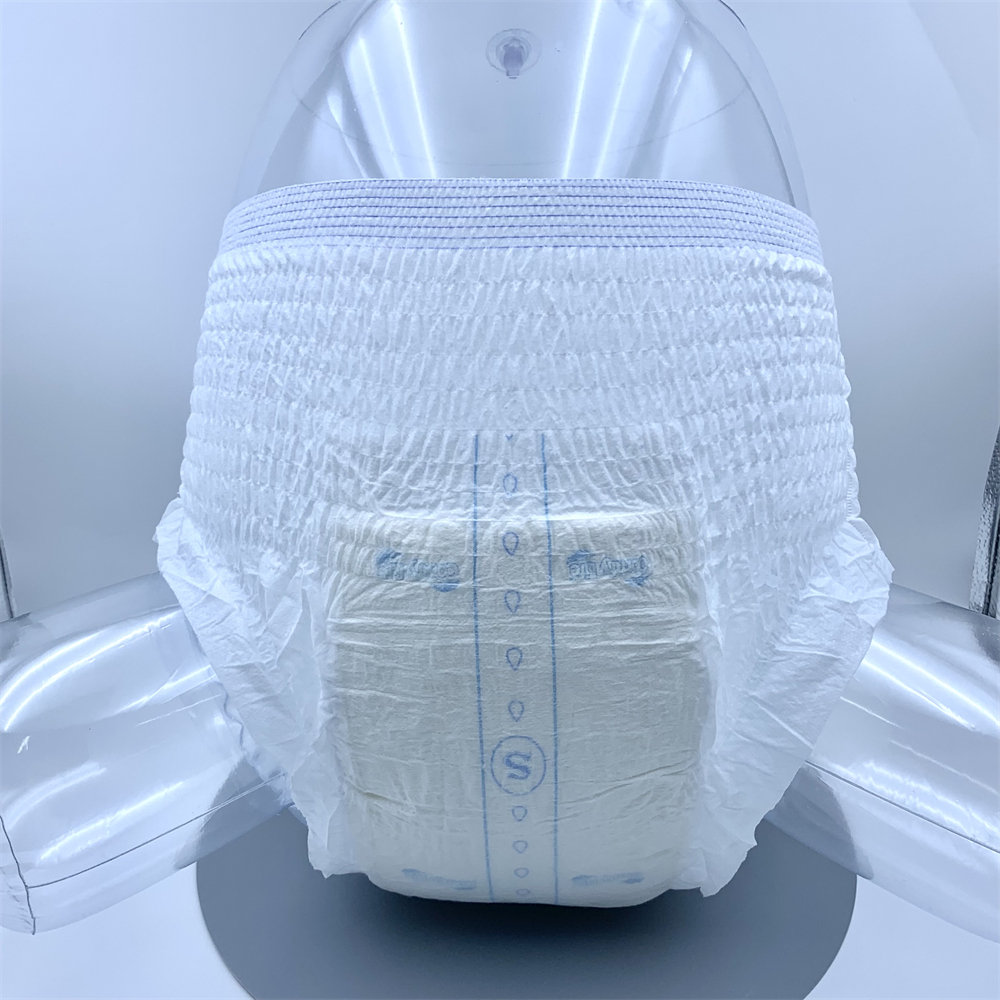
The global market for adult incontinence products is experiencing significant expansion, driven by demographic shifts and a growing cultural emphasis on maintaining an active and dignified lifestyle despite physical challenges. This document provides a comprehensive analysis for distributors, retailers, and procurement specialists on the essential features that define high-quality adult pull up pants in the 2025 marketplace. It moves beyond a superficial assessment to a deep examination of the underlying material science, engineering, and design principles that contribute to a superior product. The analysis covers seven critical domains: advanced absorbent core technology, skin-compatible material science, the anatomy of a secure fit, odor control systems, design for discretion and dignity, functional usability aids, and the importance of manufacturing excellence and certifications. By exploring the interplay between Super Absorbent Polymers and fluff pulp, the nuances of breathable non-woven fabrics, and the mechanics of modern elastication, this guide equips business-to-business buyers with the knowledge to source products that offer not only effective containment but also comfort, confidence, and normalcy for the end-user.
Key Takeaways
- Prioritize products with a multi-layer absorbent core for rapid fluid acquisition and superior dryness.
- Select adult pull up pants made from breathable, hypoallergenic materials to safeguard skin integrity.
- Ensure the product line offers precise sizing and robust elasticity for a secure, leak-free fit.
- Invest in products with advanced, non-fragranced odor-neutralizing technology for user confidence.
- Choose discreet, low-profile designs that feel and sound like regular underwear.
- Look for functional features like wetness indicators and tear-away seams to enhance usability.
- Partner with suppliers who hold key quality certifications like ISO and can offer OEM/ODM services.
Table of Contents
- The Evolving Discourse on Adult Incontinence Care
- 1. The Heart of the Matter: Advanced Absorbent Core Technology
- 2. A Second Skin: Prioritizing Material Science and Skin Health
- 3. The Anatomy of a Perfect Fit: Sizing, Elasticity, and Form
- 4. The Unspoken Feature: Superior Odor Control Systems
- 5. Discretion and User Dignity: Designing for Normalcy
- 6. Indicators and Functional Aids: Enhancing Usability
- 7. Navigating the Supply Chain: Certifications and Manufacturing Excellence
- Frequently Asked Questions (FAQ)
- Conclusion
- References
The Evolving Discourse on Adult Incontinence Care
The subject of adult incontinence, once confined to the sterile corridors of medical institutions, has entered a new phase of public and commercial discourse. This shift is not merely a consequence of aging populations across North America, Europe, and parts of Asia, but reflects a profound change in how societies conceive of aging, independence, and quality of life. The demand is no longer for a product that simply manages a condition; it is for a garment that facilitates an uninterrupted life. The modern consumer of adult pull up pants seeks discretion, comfort, and the confidence to continue working, socializing, and traveling without compromise. For the distributor and retailer, this evolution presents a mandate: to understand the product not as a mere disposable good, but as a sophisticated piece of wearable technology.
Explaining the intricate details of what makes one product superior to another can be challenging, as the underlying concepts draw from material science and fluid dynamics (Mahoney, 2022). To navigate this complexity, this guide will adopt a pedagogical approach, breaking down complex ideas into understandable components. We will use analogies and real-world examples, a method proven effective for increasing comprehension of technical topics (training.safetyculture.com). Our objective is to build a foundational knowledge base, moving from the microscopic properties of polymers to the macroscopic experience of the wearer. By understanding the “why” behind each feature, you, the buyer, can make procurement decisions that align with the genuine needs and desires of the end-user, fostering trust and loyalty in your market.
1. The Heart of the Matter: Advanced Absorbent Core Technology
At the functional center of every pair of adult pull up pants lies the absorbent core. Its performance is the primary determinant of the product’s efficacy. To the casual observer, it is a simple pad. To the engineer, it is a complex system designed to acquire, distribute, and retain fluid rapidly and securely. A failure in any of these three functions results in leakage, skin moisture, and a loss of user confidence.
Understanding the Core’s Function
Imagine the core not as a simple sponge, but as a high-tech reservoir system. Its first task is “acquisition”—the speed at which the surface of the core draws fluid away from the body. A slow acquisition speed leaves moisture against the skin, leading to discomfort and potential dermatological issues. Next is “distribution.” An effective core does not sequester fluid in one spot. It efficiently wicks the moisture throughout the core’s matrix, utilizing its full absorbent capacity. The final, and perhaps most significant, task is “retention.” The core must lock the fluid away, even under pressure (such as when the user is sitting or moving), to prevent “rewet,” where moisture is squeezed back out onto the skin.
SAP vs. Fluff Pulp: The Synergistic Duo
The magic behind modern absorbent cores lies in the precise combination of two key materials: Super Absorbent Polymer (SAP) and fluff pulp.
- Super Absorbent Polymer (SAP): This is a granular polymer with an astonishing capacity to absorb and retain liquid—up to several hundred times its own weight in aqueous solutions. When it comes contact with fluid, the SAP granules swell into a gel, effectively locking the moisture inside their molecular structure. The quality and quantity of SAP are direct indicators of a product’s total absorbent capacity and its ability to prevent rewet.
- Fluff Pulp: This is a cellulose-based material, typically derived from wood pulp. It acts as the structural matrix of the core. Fluff pulp creates a fibrous network that provides loft and softness. More importantly, it creates channels (capillary action) that rapidly acquire and distribute fluid, delivering it to the SAP particles for long-term storage.
The relationship between these two is symbiotic. A core with only fluff pulp would have poor retention and would feel wet. A core with only SAP might not acquire fluid quickly enough and could lead to “gel blocking,” where the surface SAP swells so fast it forms a barrier preventing fluid from reaching the rest of the core. A high-quality manufacturer of adult pull up pants carefully engineers the ratio and distribution of SAP and fluff pulp to create a core that is both fast-acting and highly retentive.
| Material | Primary Function | Key Performance Metric | Common Pitfall in Low-Quality Products |
|---|---|---|---|
| Super Absorbent Polymer (SAP) | Fluid Retention & Locking | Grams of fluid retained per gram of SAP | Insufficient quantity leading to low capacity; poor quality leading to rewet. |
| Fluff Pulp | Fluid Acquisition & Distribution | Acquisition speed (seconds to absorb set volume) | Poorly milled pulp creating clumps; incorrect density hindering wicking. |
Multi-Layer Core Designs for Rapid Fluid Distribution
The most advanced adult pull up pants feature a multi-layered core. This is not simply about making the pad thicker. Each layer has a specific purpose.
- Acquisition-Distribution Layer (ADL): This is the topmost layer, directly beneath the topsheet that touches the skin. It is typically a very porous, non-woven material designed to rapidly take in fluid and spread it over a wide area, preventing pooling.
- Primary Absorbent Layer: This is the main body of the core, containing the engineered blend of fluff pulp and SAP. Having received the fluid from the ADL, this layer does the heavy lifting of absorption and retention.
- Secondary or Backup Layer: Some high-absorbency products may include a lower layer with a higher concentration of SAP to handle gushes and provide an extra margin of security.
This layered approach ensures that even with a large, sudden void, the fluid is managed efficiently, keeping the skin surface as dry as possible. When evaluating a supplier, inquiring about the specifics of their core construction can reveal a great deal about their commitment to performance.
2. A Second Skin: Prioritizing Material Science and Skin Health
While the core handles containment, the materials that constitute the rest of the adult pull up pants are responsible for comfort, discretion, and, most critically, skin health. The skin is the body’s largest organ, and enclosing it in a product for hours at a time requires careful material selection. Incontinence-Associated Dermatitis (IAD) is a common and painful condition that a well-designed product can help prevent (Kottner et al., 2018).
The Importance of Breathability
The concept of “breathability” in hygiene products refers to the material’s ability to allow water vapor and air to pass through it, while still being impermeable to liquid. This is crucial for thermal comfort. A non-breathable, plastic-like material traps heat and moisture against the skin, creating a warm, damp environment ideal for skin breakdown and bacterial growth.
Modern adult pull up pants achieve breathability through the use of spunbond or SMS (Spunbond-Meltblown-Spunbond) non-woven fabrics for the backsheet (the outer layer) and side panels. These materials have microscopic pores that are large enough for vapor to escape but too small for water droplets to pass through. The result is a product that helps maintain a more natural skin microclimate, reducing sweat and the risk of irritation.
Hypoallergenic and Dermatologically Tested Materials
For a product worn in such intimate contact with the skin, the chemical composition of the materials is paramount.
- Hypoallergenic: This term indicates that the product is formulated to minimize the potential for allergic reactions. In the context of adult pull up pants, this typically means the product is free from common irritants like latex (especially in the elastics), perfumes, and lotions. Many individuals have sensitivities to these additives.
- Dermatologically Tested: This certification provides an extra layer of assurance. It means the finished product has been tested on human skin under the supervision of a dermatologist to verify its low potential for causing irritation.
When sourcing products for diverse markets like the USA and Europe, where consumer protection standards are high, ensuring products are hypoallergenic and dermatologically tested is not just a quality feature; it is a market-entry requirement.
The Feel Factor: Softness and Textile-Like Backsheets
The psychological component of wearing an incontinence product cannot be overstated. A product that feels soft and cloth-like promotes a sense of normalcy and dignity. Early generations of adult incontinence aids often featured a polyethylene (plastic) backsheet that was noisy, stiff, and uncomfortable.
Today, the standard for a quality product is a “cloth-like” or “textile-like” backsheet. This is typically a non-woven fabric laminated onto a thin, breathable film. It is quiet under clothing, soft to the touch, and feels more like conventional underwear. This focus on the tactile experience is a hallmark of a manufacturer who understands the user’s emotional needs in addition to their physical ones.
3. The Anatomy of a Perfect Fit: Sizing, Elasticity, and Form
An adult pull up pant can have the world’s most absorbent core, but if it does not fit the user’s body correctly, it will fail. A poor fit is the leading cause of leakage. It can create gaps at the legs or waist, or conversely, be so tight that it is uncomfortable and restricts circulation. Providing a product with a reliable and comfortable fit is essential for customer satisfaction.
Beyond Small, Medium, Large: The Nuances of Sizing
Providing clear and accurate sizing charts is a responsibility of the manufacturer. These charts should be based on waist and hip measurements (in both inches and centimeters to cater to international markets). A common mistake for distributors is to underestimate the importance of carrying a full range of sizes.
| Size | Typical Waist/Hip Range (Inches) | Issue if Too Small | Issue if Too Large |
|---|---|---|---|
| Small | 22″ – 36″ | Uncomfortable constriction, tears at seams, skin chafing. | Gaps at waist and leg openings, leading to major leaks. |
| Medium | 34″ – 48″ | Restricts movement, can cause pressure marks on skin. | Product sags when full, increasing leak risk and discomfort. |
| Large | 45″ – 58″ | Difficult to pull on, potential for side seams to burst. | Significant gapping, product is not held securely against the body. |
| X-Large | 56″ – 68″ | Over-stretches elastics, compromising the seal around legs. | Product shifts excessively during movement, complete failure of containment. |
Encouraging end-users to measure themselves rather than guessing their size is a key part of user education. As a distributor, providing sizing guides to your clients is a valuable service.
Elastication Technology: Lycra Strands and Form-Fitting Waistbands
The elasticity of an adult pull up pant allows it to conform to the unique contours of an individual’s body and move with them. High-quality products use multiple strands of Lycra or a similar elastane material, particularly around the leg openings and throughout the waistband.
- Leg Elastics: These should be gentle yet firm, creating a seal in the leg crease without digging into the skin. Multiple, fine strands are superior to a single, thick elastic band.
- Waistband: A wide, soft, and highly elasticated waistband ensures the product stays up without being restrictive. It should stretch to allow for easy pulling on and then retract to provide a secure, 360-degree fit.
The quality of the elastication is a subtle but powerful differentiator. It is what makes the product feel like underwear rather than a medical device.
Tear-Away Seams and Their Practical Utility
A key design feature of the “pull up” style is the presence of tear-away side seams. This allows for easy and hygienic removal without having to pull the soiled product down the legs. For a standing user, they can simply tear the sides and step out of the product. For a caregiver assisting someone who is lying down, it makes changing significantly easier and cleaner. The seams should be strong enough to withstand the motion of pulling the pants on, but easy enough to tear when intended. This balance requires precise manufacturing control.
4. The Unspoken Feature: Superior Odor Control Systems
For many users, the fear of odor is as significant, if not more so, than the fear of leakage. Odor is a source of social anxiety and can lead to individuals withdrawing from activities they enjoy. Effective odor control is therefore not a luxury feature; it is a core requirement for a product that aims to restore confidence and normalcy.
The Science of Odor Neutralization
It is important to distinguish between masking odor and neutralizing it. Simply adding a perfume or fragrance to an adult pull up pant is often counterproductive. The fragrance can be an allergen for sensitive skin, and it can mix unpleasantly with odors rather than eliminating them.
True odor control technology works on a chemical level. The ammonia in urine is produced when the enzyme urease (from bacteria) breaks down urea. This process raises the pH, creating the characteristic unpleasant smell. Advanced odor control systems in adult pull up pants work in several ways:
- pH Buffering: The core may be infused with a mildly acidic substance. This helps maintain the skin’s natural low pH and inhibits the bacterial action that produces ammonia.
- Odor-Absorbing Molecules: Some high-end SAPs are co-polymerized with molecules that trap and lock away odor-causing compounds.
- Zeolites: These are microporous minerals that can be added to the core to trap odor molecules within their structure.
A manufacturer that invests in these technologies demonstrates a deep understanding of the user’s holistic needs.
The Role of a Dry Environment
The most fundamental aspect of odor control is keeping the environment dry. As explained in the section on absorbent cores, a high-performance core that quickly wicks moisture away from the skin and locks it away in a gel form is the first line of defense. Bacteria thrive in damp conditions. By keeping the skin surface dry, a superior adult pull up pant inhibits bacterial growth and, as a consequence, significantly reduces the formation of odor from the outset. Therefore, absorbency performance and odor control are inextricably linked.
5. Discretion and User Dignity: Designing for Normalcy
The emotional impact of wearing an incontinence product is profound. The ideal adult pull up pant should allow the user to forget they are wearing it. This is achieved through design choices that prioritize discretion and replicate the experience of wearing conventional underwear as closely as possible.
Low-Profile Design for Invisibility Under Clothing
“Bulkiness” is a major concern for users. A thick, noticeable product can make a person self-conscious about their appearance in fitted clothing like trousers or skirts. Modern product design focuses on creating thinner, more discreet profiles without compromising absorbency. This is achieved through:
- Core Compression: Advanced manufacturing techniques can compress the absorbent core into a denser, thinner form.
- Efficient SAP: Using a smaller amount of a more efficient, higher-quality SAP can provide the same capacity in a less bulky format.
- Anatomical Shape: Moving away from a simple rectangular pad to a contoured, hourglass-shaped core reduces unnecessary bulk between the legs and provides a closer fit.
The goal is a silhouette that is indistinguishable from that of someone wearing regular underwear.
Quiet Materials for Undetectable Wear
The “crinkle” of old-fashioned plastic-backed diapers was a significant source of anxiety for users, broadcasting their use of a continence product with every step. The adoption of soft, cloth-like non-woven backsheets has been a revolution in this regard. These materials are virtually silent during movement, allowing the user to walk, sit, and move in public settings with confidence that their product is not making any audible noise. When evaluating samples, this is a simple but effective test: handle the product and listen.
Packaging and Branding that Respects the User
The user’s experience begins before they even open the product. Packaging that is overtly medical, with sterile imagery and clinical language, can reinforce a sense of being a “patient.” Forward-thinking brands are moving towards packaging that is more discreet, aspirational, and normalized. The design might resemble packaging for other personal care items or undergarments. For distributors creating their own brand through an OEM/ODM partnership, considering a packaging design that empowers the consumer and avoids stigmatizing language can be a powerful market differentiator.
6. Indicators and Functional Aids: Enhancing Usability
Beyond the core functions of absorption and comfort, certain features are added to adult pull up pants to improve their usability for both the individual and any potential caregivers. These are practical additions that demonstrate a thoughtful design process.
The Practicality of Wetness Indicators
A wetness indicator is typically a set of lines printed on the outside of the product’s backsheet. The ink used is pH-sensitive. When the product is dry, the lines are one color (often yellow). When they come into contact with urine, they react to the change in pH and change color (often to blue).
The utility of this feature is twofold:
- For the Independent User: It provides a simple, external visual check to know if a change is needed, without having to feel or remove the product.
- For the Caregiver: It is an invaluable tool. It allows a caregiver to check for the need for a change quickly and with minimal intrusion, preserving the dignity of the person they are caring for. It also helps prevent unnecessary changes (saving product and cost) and ensures timely changes (protecting skin health).
Leg Cuffs and Leak Guards: The First Line of Defense
While the absorbent core is the main defense against leaks, it is not the only one. Standing leak guards, also known as leg cuffs, are a critical feature. These are hydrophobic (water-repellent) non-woven flaps that run along the inside of each leg opening. They are designed to stand up and create a channel, providing a physical barrier against side leakage, especially during sudden gushes or when the user is lying on their side. A well-constructed adult pull up pant will have tall, soft, and effective leak guards as a secondary containment system.
7. Navigating the Supply Chain: Certifications and Manufacturing Excellence
For a distributor or retailer, the quality of the product is inextricably linked to the quality of the manufacturer. Choosing the right supply partner is as important as choosing the right product features. A reliable supplier provides not only a high-quality product but also consistency, regulatory compliance, and the potential for customization.
Decoding Quality Certifications (ISO, CE, FDA)
International certifications are a non-negotiable indicator of a manufacturer’s commitment to quality, safety, and process control.
- ISO 9001: This certifies that the manufacturer has a robust Quality Management System in place. It speaks to their ability to consistently produce products that meet customer and regulatory requirements.
- CE Marking: For products sold within the European Economic Area, the CE mark is mandatory. It signifies that the product meets EU safety, health, and environmental protection requirements.
- FDA Registration: For products intended for the U.S. market, registration with the Food and Drug Administration is required. The FDA regulates these products as Class I or Class II medical devices, depending on their claims.
Partnering with a manufacturer that holds these certifications de-risks the procurement process and ensures the products are fit for your target markets.
The Value of OEM/ODM Partnerships
Many distributors wish to build their own brand identity. This is where Original Equipment Manufacturer (OEM) and Original Design Manufacturer (ODM) services become invaluable.
- OEM: The supplier manufactures a product based on your design and specifications, which you then sell under your own brand.
- ODM: The supplier offers a pre-existing product design that you can brand as your own, often with minor modifications.
A strong manufacturing partner will work collaboratively with you to develop a product line tailored to your market’s specific needs, from absorbency levels to packaging design. This flexibility allows you to offer unique value, such as providing customizable high-absorbency adult pants that cater to a specific consumer segment.
Evaluating a Supplier’s R&D and Production Capabilities
Beyond certifications, it is wise to assess a supplier’s underlying capabilities. A supplier with a strong Research & Development (R&D) department is more likely to be at the forefront of material science and product innovation. Ask about their testing procedures: Do they have in-house labs to test acquisition speed, rewet, and tensile strength?
Production capacity and quality control are also vital. A state-of-the-art production line with automated quality checks (like vision systems that detect defects) ensures a consistent final product. A supplier that offers a diverse range of adult diaper pants demonstrates a breadth of capability and an understanding of varying market needs. A tour of their facility, even a virtual one, can provide immense insight into their professionalism and commitment to excellence. This due diligence is the foundation of a successful and long-lasting supply chain partnership.
Frequently Asked Questions (FAQ)
What is the primary difference between adult pull up pants and adult diapers with tabs? Adult pull up pants are designed like regular underwear and are pulled on and off. They are best for active, mobile individuals who can manage their own changing. Adult diapers with tabs (also called briefs) are secured with adhesive tabs on the sides. They are generally better for individuals with very heavy incontinence or those who are less mobile and may require caregiver assistance for changes, as they can be changed while lying down.
How do I determine the right absorbency level to stock for my customers? It is best to offer a range. Moderate absorbency is suitable for daytime use for many individuals. Maximum or overnight absorbency is designed for extended wear, for those with heavier needs, or for nighttime use to ensure uninterrupted sleep. Offering at least two or three levels allows customers to choose the right product for different situations, which improves satisfaction and loyalty.
Are scented adult pull up pants a good idea to sell? Generally, it is advisable to prioritize unscented products. While the intention is to mask odor, fragrances are a common cause of skin irritation and allergic reactions. A high-quality adult pull up pant should rely on advanced core technology to neutralize odor at its source, rather than covering it with a scent. Offering fragrance-free, hypoallergenic options caters to the widest possible market.
What does “dermatologically tested” really mean for these products? “Dermatologically tested” signifies that the final, finished product has been subjected to a Human Repeat Insult Patch Test (HRIPT) under the supervision of a dermatologist. In this test, the product is applied to the skin of human volunteers repeatedly to assess its potential for causing irritation or sensitization. A product that passes this test is certified as having a very low risk of causing skin issues.
How important is the wetness indicator for the end-user? For independent, active users, it can be a convenient feature for a quick check. For caregivers, however, it is an extremely important tool. It allows them to know when a change is needed without having to physically disturb the individual, preserving their dignity and making the care process more efficient and hygienic. It is a key feature for products aimed at the assisted living or home care markets.
Can adult pull up pants be used for both urinary and bowel incontinence? Yes, most adult pull up pants are designed for dual-use. The absorbent core can manage both urine and fecal matter. However, for heavier bowel incontinence, a product with a snug fit and high, robust standing leak guards is essential to ensure proper containment. It is also important that the product is changed as soon as possible after a bowel movement to maintain skin hygiene.
What are the latest innovations in adult pull up pant technology? Recent innovations focus on creating thinner, more discreet cores with higher efficiency SAP, improving the softness and silence of the cloth-like materials, and developing more anatomically correct shapes for a better fit. There is also ongoing research into “smart” diapers with sensors that can actively monitor for wetness and skin health, though these are not yet widely commercially available.
Conclusion
The selection of adult pull up pants for a commercial portfolio in 2025 is an exercise in understanding the intersection of technology, human dignity, and market dynamics. The seven key features outlined—from the microscopic action of the absorbent core to the macroscopic statement of the packaging—are not independent variables. They form an integrated system whose sole purpose is to provide the end-user with a sense of security, comfort, and normalcy. A product that breathes, fits correctly, neutralizes odor, and remains invisible under clothing is one that empowers its user to live a fuller life.
For distributors and retailers, the path to success lies in moving beyond price-point analysis to a deeper appreciation of these qualitative and technical attributes. By partnering with manufacturers who demonstrate a commitment to R&D, quality control, and user-centric design, you can build a product offering that resonates with the modern consumer. The demand is for a solution, not just a product. Providing a high-quality, thoughtfully designed adult pull up pant is a response to that demand, fostering a relationship of trust with your customers and affirming the principle that personal challenges should not be a barrier to a life lived with confidence.
References
Kottner, J., Blume-Peytavi, U., Lohrmann, C., & Halfens, R. (2018). Associations between incontinence and incontinence-associated dermatitis: A secondary data analysis of a multi-centre cross-sectional study. International Journal of Nursing Studies, 81, 105–110.
Mahoney, A. J. (2022, October 25). An overlooked superpower: How to explain complex concepts. Medium. Retrieved from @a.jeremymah/an-overlooked-superpower-how-to-explain-complex-concepts-2dd14573ac13
McCormick, K. (2025, April 3). Teaching complex concepts with confidence in upper elementary. The Stellar Teacher Company. Retrieved from https://www.stellarteacher.com/blog/teaching-complex-concepts/
SafetyCulture. (2023, March 6). How to explain complex concepts in a simple way. SC Training (formerly EdApp). Retrieved from https://training.safetyculture.com/blog/what-is-a-complex-concept-and-how-do-you-teach-it/
Vedantu. (2025, April 18). 7 effective ways to understand difficult concepts. Retrieved from https://www.vedantu.com/blog/7-effective-ways-to-understand-difficult-topics


