Abstract
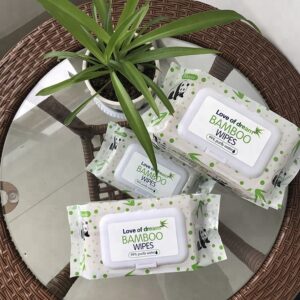
The selection of baby wet wipes represents a significant parental decision, directly impacting infant dermatological health and environmental sustainability. This analysis examines the multifaceted criteria for identifying truly healthy baby wet wipes in the 2025 market. It moves beyond surface-level marketing claims to investigate the core components of a wipe: the chemical formulation of the wetting solution and the physical composition of the nonwoven fabric. Key areas of inquiry include the role and risks of preservatives, fragrances, and surfactants in contact with the delicate infant skin barrier. The article also explores the material science of wipe fabrics, contrasting natural fibers like cotton and bamboo with synthetic polymers such as polyester, in terms of performance, softness, and ecological footprint. A structured, seven-point evaluation framework is proposed to empower consumers to make informed choices. This framework synthesizes dermatological principles, chemical safety standards, and environmental science, providing a comprehensive methodology for assessing product safety, efficacy, and lifecycle impact.
Key Takeaways
- Prioritize wipes with minimal, water-based formulas to reduce chemical exposure.
- Scrutinize labels for common irritants like fragrances, alcohol, and harsh preservatives.
- Choose wipes made from natural, plastic-free fibers like bamboo or cotton for softness.
- Understanding material composition is key to finding genuinely healthy baby wet wipes.
- Verify claims like “hypoallergenic” with third-party dermatological testing seals.
- Opt for biodegradable materials but avoid flushing any wipe, regardless of claims.
- Perform a simple patch test at home before committing to a new brand of wipes.
Table of Contents
- The Expert 2025 Buyer’s Guide: 7 Checks for Truly Healthy Baby Wet Wipes
- Check 1: Scrutinize the Ingredient List for Purity
- Check 2: Evaluate the Wipe’s Physical Material
- Check 3: Assess for True Hypoallergenicity and Dermatological Testing
- Check 4: Investigate the Environmental Impact
- Check 5: Consider the Packaging and Dispensing Mechanism
- Check 6: Verify Brand Transparency and Certifications
- Check 7: Perform a Practical At-Home Test
- Frequently Asked Questions (FAQ)
- Conclusion
- References
The Expert 2025 Buyer’s Guide: 7 Checks for Truly Healthy Baby Wet Wipes
The care of an infant is an exercise in profound responsibility, a series of choices that, however small, contribute to the foundation of a person’s well-being. The skin of a newborn, up to 30% thinner than that of an adult, is a uniquely delicate and permeable barrier, a frontier between the new life and the world. It is not yet fully equipped to defend itself. Its acid mantle, the fine, slightly acidic film on the surface that acts as a primary defense against bacteria and environmental stressors, is still developing. When we choose a product that will come into contact with this skin hundreds, if not thousands, of times in the first years of life, we are making a choice of considerable weight. The baby wipe, a seemingly simple tool of modern convenience, thus becomes an object worthy of deep consideration. The market, however, presents a bewildering landscape of claims—”pure,” “natural,” “sensitive,” “organic.” How does a caregiver navigate this terrain to find what is genuinely safe? This guide proposes a structured, seven-part examination, a method for looking past the packaging and understanding the fundamental nature of the product you are choosing for your child.
Check 1: Scrutinize the Ingredient List for Purity
The journey toward identifying healthy baby wet wipes begins not with the texture or the scent, but with the silent, often microscopic, world of its chemical composition. The solution that saturates the wipe is the component that is left behind on the baby’s skin. Its ingredients are absorbed, they interact with the skin’s biology, and they have the potential to either support or disrupt its fragile ecosystem. A caregiver’s first task is to become a discerning reader of the ingredient list, treating it as the most truthful part of the packaging.
The Foundation: Why Water-Based is Best
The ideal baby wipe solution is, in its essence, mostly water. Many brands now market “water wipes,” often claiming to be 99.9% water. This is an admirable starting point. Water is the universal solvent, the gentlest cleanser, and the substance most compatible with human biology. Yet, the very concept of “water” in this context requires a closer look. The quality of the water matters immensely.
Think of it like this: would you offer a baby a glass of untreated tap water from an old pipe? Probably not. The same principle applies here. The water used in high-quality baby wipes should undergo a rigorous purification process. This often involves multiple stages, such as reverse osmosis, deionization, and ultraviolet (UV) sterilization. Reverse osmosis pushes water through a semipermeable membrane to filter out minerals and microscopic impurities. Deionization removes charged ions, and UV sterilization eliminates any remaining bacteria or viruses without adding chemicals. The result is water that is exceptionally pure, reducing the risk of introducing contaminants to your baby’s skin. A product that is simply “99.9% water” without specifying the purification process may not be as pure as one that details its multi-step filtration system. The remaining 0.1% is where the complexity lies, and we will turn to that now.
Identifying and Avoiding Irritants: Fragrances, Dyes, and Alcohols
If water is the foundation, the other ingredients are the additives that can either support or undermine the structure. The most common and problematic of these are fragrances, dyes, and certain types of alcohol.
Fragrances: The term “fragrance,” “parfum,” or “aroma” on an ingredient list is a red flag. These terms are protected as trade secrets, meaning a single entry can conceal a cocktail of dozens or even hundreds of synthetic chemicals. These can include phthalates (used to make scents last longer), which have been linked to endocrine disruption, and a host of other potential allergens and sensitizers (Lunder & Tadesse, 2011). A baby’s immune system is still learning to distinguish friend from foe. Repeated exposure to complex fragrance chemicals can trigger contact dermatitis, a red, itchy rash, or even lead to the development of long-term allergies. Even “natural” fragrances derived from essential oils can be potent allergens for sensitive infant skin. The safest path is to choose products that are explicitly labeled “fragrance-free” or “unscented.” Be aware that some “unscented” products may contain masking fragrances to cover up the chemical smell of other ingredients, so a “fragrance-free” designation is typically more reliable.
Dyes: Dyes serve a purely aesthetic purpose in baby wipes and offer no functional benefit. They are unnecessary chemicals that add another layer of risk for skin irritation or allergic reaction. There is no logical reason for a cleaning product meant for a baby’s most sensitive areas to be colored.
Alcohols: Not all alcohols are created equal. Fatty alcohols, such as cetyl or stearyl alcohol, are often used as emulsifiers or thickeners and are generally considered non-irritating. However, simple alcohols like ethanol or isopropyl alcohol are drying agents. They can strip the skin of its natural oils, disrupting the delicate lipid barrier and leading to dryness, irritation, and increased vulnerability to other irritants. These types of drying alcohols have no place in a healthy baby wet wipe.
The Preservative Predicament: Necessary Evils and Safer Alternatives
Any product that contains water is a potential breeding ground for mold, yeast, and bacteria. Preservatives are therefore a necessary component of any baby wipe to ensure it remains safe for use from the first wipe to the last. The challenge lies in finding preservatives that are effective at their job without posing a risk to the baby. This is perhaps the most contentious area in wipe formulation.
Historically, parabens (like methylparaben, propylparaben) were common, but public and scientific concern over their potential to mimic estrogen and disrupt the endocrine system has led most reputable brands to phase them out. Another group of preservatives, formaldehyde-releasers (e.g., quaternium-15, DMDM hydantoin), have also fallen out of favor due to their potential to cause allergic reactions and the carcinogenic classification of formaldehyde.
In their place, phenoxyethanol has become one of the most widely used preservatives. It is effective in small concentrations, but its safety has been questioned. Regulatory bodies like the European Commission’s Scientific Committee on Consumer Safety have deemed it safe for use in cosmetics up to a 1% concentration, but they caution against its use in products intended for the diaper area of young children. The primary concern is systemic absorption through delicate or broken skin.
A particularly problematic preservative is methylisothiazolinone (MI) and the related methylchloroisothiazolinone (MCI). Once hailed as a replacement for parabens, MI was later named the “Allergen of the Year” in 2013 by the American Contact Dermatitis Society due to an epidemic of allergic reactions it caused (Castanedo-Tardan & Zug, 2013). While its use has been heavily restricted in leave-on products in Europe, it can still appear in products in other markets.
So, what are the safer alternatives? Sodium benzoate and potassium sorbate are food-grade preservatives that are generally considered gentler options. Citric acid and sodium citrate are also used to adjust pH and can have a mild preservative effect. Some formulations use plant-derived extracts with antimicrobial properties, such as grapefruit seed extract, though their efficacy and potential for sensitization must also be carefully evaluated. The key is to look for a short list of recognizable, well-studied, gentle preservatives and to avoid those with known links to significant allergic reactions or systemic health concerns.
Understanding “Natural” Additives: Soothing Agents vs. Potential Allergens
To enhance their appeal, many wipes include botanical extracts and oils marketed for their soothing properties. Ingredients like Aloe barbadensis (aloe vera), Chamomilla recutita (chamomile) flower extract, and calendula extract are common. In many cases, these can be beneficial. Aloe vera has moisturizing and anti-inflammatory properties. Chamomile can help to calm irritated skin.
However, “natural” does not automatically mean “non-allergenic.” Just as some people have allergies to pollen or certain foods, a baby can have a reaction to a botanical ingredient. The more complex the blend of extracts, the higher the chance of a reaction and the more difficult it becomes to pinpoint the culprit if one occurs. A wipe with a simple formulation of water, a gentle cleanser, and a safe preservative is often a better choice than one that contains a long list of botanical “extras.” If you do opt for a wipe with soothing additives, choose one with only one or two, and perform a patch test to ensure your baby’s skin tolerates them well.
Check 2: Evaluate the Wipe’s Physical Material
Having dissected the liquid, we now turn our focus to the solid: the fabric of the wipe itself. The material determines the wipe’s softness, strength, absorbency, and, critically, its environmental fate. The term for this fabric is “nonwoven,” which means it’s not made by weaving or knitting threads together like traditional textiles. Instead, fibers are bonded together through various mechanical, chemical, or thermal processes. Understanding these fibers and processes is the second pillar of making an informed choice.
The Fabric of the Wipe: Natural Fibers vs. Synthetics
The fibers used to create nonwoven fabrics for baby wipes fall into two broad categories: natural (or “cellulosic,” derived from plants) and synthetic (derived from petroleum).
Natural Fibers:
- Cotton: The gold standard for softness and absorbency. It is natural, hypoallergenic, and strong. However, conventional cotton farming is water- and pesticide-intensive, raising environmental concerns. Organic cotton is a much better, albeit more expensive, alternative.
- Bamboo: A popular choice in recent years. Bamboo is a type of grass that grows incredibly fast with minimal need for pesticides or fertilizers. The fiber is naturally hypoallergenic and has some antimicrobial properties. When processed into viscose (or rayon), it creates a silky, soft, and highly absorbent fabric.
- Wood Pulp: Another source of cellulose fibers. It’s affordable and biodegradable but may not produce a fabric as soft or strong as cotton or bamboo viscose.
Synthetic Fibers:
- Polyester (PET): A plastic polymer. It is very strong and inexpensive, which is why it’s a common component in many wipes. However, it is not soft, is not absorbent (it repels water), and is not biodegradable. It is essentially a thin sheet of plastic.
- Polypropylene (PP): Another plastic polymer with similar properties to polyester. It is strong, cheap, and non-biodegradable.
Many wipes on the market are not 100% one thing or the other. They are often blends. A common combination is a mix of viscose (for softness and absorbency) and polyester (for strength and cost reduction). A wipe that feels surprisingly tough or has a slight sheen to it likely contains synthetic fibers. For the health and comfort of your baby’s skin, a fabric made from 100% natural, plant-based fibers is superior. They are softer, more breathable, and less likely to cause mechanical irritation.
| Feature | Bamboo Viscose | Organic Cotton | Wood Pulp | Polyester (PET) |
|---|---|---|---|---|
| Source | Plant-based (Bamboo Grass) | Plant-based (Cotton Plant) | Plant-based (Trees) | Petroleum-based (Plastic) |
| Softness | Very High | High | Moderate | Low |
| Absorbency | Very High | High | High | Very Low |
| Biodegradability | Yes (under right conditions) | Yes | Yes | No |
| Sustainability | High (fast-growing, low input) | Moderate (organic is better) | Varies (FSC-certified is better) | Low (fossil fuels) |
| Hypoallergenic | Yes | Yes | Yes | Can cause irritation |
Spunlace Technology: A Closer Look at Strength and Softness
How are these loose fibers turned into a cohesive sheet? The highest quality nonwoven fabrics for wipes are typically created using a process called “spunlace” or “hydroentanglement.” Imagine laying down a web of soft, fluffy fibers. Then, instead of using chemical binders or melting the fibers together with heat, the spunlace process uses high-pressure, needle-thin jets of water to entangle the fibers, literally knotting them together on a microscopic level (droidwipes.com).
This method is superior for several reasons. First, it avoids the need for chemical binders or glues, which could otherwise become potential skin irritants. Second, it maintains the natural softness and absorbency of the fibers. The process can be used to create fabrics of varying thickness and texture without compromising the integrity of the material. A well-made spunlace fabric is both strong enough to resist tearing during use and exceptionally gentle on the skin. When a brand mentions it uses spunlace nonwoven fabric, it’s generally a sign of higher quality manufacturing. For example, some manufacturers specialize in producing high-quality spunlace baby wipes that leverage this technology for superior softness and strength.
Texture and Thickness: Does it Matter for Cleaning Efficiency?
Wipes come in a variety of textures, from smooth to quilted or embossed with bumps. Does this make a difference? Yes, it does. A textured surface can provide a bit more friction to help lift away stubborn messes more effectively, potentially meaning you use fewer wipes per change. Think of it as the difference between wiping a counter with a smooth paper towel versus one with a textured surface.
However, there is a trade-off. For a baby with extremely sensitive skin or a bad case of diaper rash, even a mildly textured surface can feel abrasive. The thickness of the wipe also plays a role. A thicker, more plush wipe not only feels more luxurious but also provides a better barrier between your hand and the mess. It’s also less likely to tear. A very thin wipe might be cheaper, but if you have to fold it over or use two at a time to get the job done, the cost savings are an illusion. The ideal wipe is thick and soft, with a gentle texture that aids cleaning without causing irritation.
Check 3: Assess for True Hypoallergenicity and Dermatological Testing
The terms “hypoallergenic” and “dermatologist-tested” are ubiquitous on baby product packaging. They are designed to offer reassurance, to signal safety. Yet, without a clear understanding of what these claims mean—and what they don’t—they can be misleading. A discerning caregiver must look beyond the words to the evidence that supports them.
Decoding the “Hypoallergenic” Label: Marketing vs. Reality
One might assume that a product labeled “hypoallergenic” is guaranteed not to cause an allergic reaction. This is, unfortunately, not the case. In many countries, including the United States, there are no federal standards or definitions that govern the use of the term “hypoallergenic.” A company can use this claim regardless of its formulation or testing protocols. It is, in essence, a marketing term.
A truly hypoallergenic product is one that has been formulated to minimize the potential for causing allergies. This means it omits common allergens, such as the fragrances, dyes, and harsh preservatives we discussed earlier. So, while the word “hypoallergenic” on its own is not a guarantee, it can be a useful starting point. The real test is to turn the package over and see if the ingredient list aligns with the claim. Does the product contain “parfum”? If so, the hypoallergenic claim is questionable at best. A brand that is genuinely committed to being hypoallergenic will have a transparent, minimal, and clean ingredient list to back it up.
The Significance of Third-Party Dermatological Testing
The claim “dermatologist-tested” is a step above “hypoallergenic,” but it also requires scrutiny. At its most basic, it could mean a single dermatologist was shown the product. A more meaningful claim is “dermatologically tested on sensitive skin” or “clinically tested.” This usually implies that the product has undergone a Human Repeat Insult Patch Test (HRIPT).
In an HRIPT, the product is applied to the skin of human volunteers (often those who self-identify as having sensitive skin) under controlled conditions, typically under an occlusive patch. The skin is monitored for any signs of irritation or allergic reaction over a period of several weeks. If the product passes this test with no adverse reactions, it can be considered clinically proven to have a very low potential for irritation.
The most trustworthy claims are those verified by independent, third-party organizations. Look for seals from reputable dermatological testing institutes. These organizations have no financial stake in the product’s success and follow rigorous, standardized testing protocols. A certification from a third-party lab provides a much higher level of assurance than a simple, unverified claim from the manufacturer.
Understanding pH Balance and Its Role in Skin Health
This is a more technical point, but it’s fundamental to skin health. The surface of the skin is naturally acidic, with a pH typically between 4.5 and 5.5. This “acid mantle” is a crucial part of the skin’s protective barrier. It helps to keep moisture in and pathogens out. Many cleansers, including some baby wipes, are alkaline (with a higher pH). Using an alkaline product on the skin can disrupt the acid mantle, stripping away its protective lipids and leaving it dry, vulnerable, and prone to irritation and infection.
A healthy baby wet wipe should be pH-balanced to match the natural acidity of a baby’s skin. This helps to support the skin’s barrier function rather than compromise it. Most brands that take this into account will state “pH-balanced” on their packaging. While you can’t test this at home without pH strips, it’s a key feature to look for in the product description. Choosing a pH-balanced wipe is a proactive step in maintaining the health and integrity of your baby’s skin with every single use.
Check 4: Investigate the Environmental Impact
The responsibility of a caregiver extends beyond the immediate well-being of the child to the world that child will inherit. A single baby can use thousands of wet wipes in their first few years. The cumulative environmental impact of this consumption is enormous, from the resources used in manufacturing to the waste left behind. Choosing a healthy baby wipe in 2025 means considering its entire lifecycle.
Biodegradability vs. Compostability: A Crucial Distinction
The terms “biodegradable” and “compostable” are often used interchangeably, but they describe different processes with different environmental outcomes.
Biodegradable: A biodegradable product is one that can be broken down by microorganisms (like bacteria and fungi) into natural elements like water, carbon dioxide, and organic matter. However, the term itself doesn’t specify a timeframe. A product could take hundreds of years to break down and still technically be called biodegradable. Wipes made from plant-based materials like cotton, bamboo viscose, or wood pulp are biodegradable. Wipes containing plastics like polyester are not.
Compostable: Compostability is a much more specific and meaningful standard. A compostable product must be able to break down in a composting environment (either at home or in an industrial facility) within a specific timeframe (e.g., 90-180 days), turning into nutrient-rich humus without leaving any toxic residue. To be certified compostable, a product must meet stringent standards, such as those set by ASTM International or European Norms (EN 13432).
For a baby wipe, being made of biodegradable material is the minimum standard for eco-friendliness. Being certified compostable is the gold standard, though it requires access to appropriate composting facilities to realize its full benefit.
| Feature | Standard (Plastic-based) Wipe | Biodegradable (Plant-based) Wipe | “Flushable” Wipe |
|---|---|---|---|
| Primary Material | Polyester, Polypropylene | Bamboo, Cotton, Wood Pulp | Often Wood Pulp/Cellulose |
| Disposal Method | Trash Only | Trash (or compost if certified) | Marketed for Toilet |
| Breakdown Time | 500+ years (as microplastics) | Months to years (in landfill) | Faster than standard wipes, but problematic |
| Key Concern | Microplastic pollution, landfill volume | Landfill methane, slow breakdown | Clogs pipes, creates “fatbergs” |
The Myth of the “Flushable” Wipe: Protecting Your Plumbing and Our Waterways
Perhaps the most damaging environmental misconception in the world of wipes is the “flushable” claim. Many wipes are marketed as safe to flush down the toilet. However, wastewater treatment professionals around the world are nearly unanimous in their plea: do not flush any wipes.
Here’s the problem: toilet paper is designed to break down almost instantly in water. “Flushable” wipes are not. They are engineered to be strong enough to be used for cleaning, which means they do not disintegrate quickly. When flushed, they travel through sewer pipes intact. They can get caught on roots or imperfections in the pipes, snagging other debris and congealing with fats, oils, and grease to form monstrous blockages known as “fatbergs.” These fatbergs can cause sewer backups into homes and overflow into rivers and oceans, causing massive environmental damage and costing municipalities millions in removal fees. Even wipes that pass industry “flushability” tests often do not break down sufficiently in real-world sewer systems. The rule is simple and absolute: only the three P’s (pee, poo, and paper) go in the toilet. All wipes, regardless of what the package says, belong in the trash. Some manufacturers are now offering more environmentally friendly options like that are clearly intended for disposal in the bin.
Plastic-Free Promises: Identifying Genuinely Eco-Friendly Options
A growing number of brands are advertising their wipes as “plastic-free.” This is a direct response to consumer awareness about the environmental harm caused by plastic pollution. A “plastic-free” wipe is one made from 100% plant-based fibers, such as cotton, bamboo, or wood pulp, with no synthetic fibers like polyester or polypropylene blended in.
How can you verify this claim? First, check the materials list. If it lists polyester (PET), polypropylene (PP), polyethylene (PE), or even just “polymers,” it contains plastic. Second, you can perform a simple burn test (with extreme caution, away from flammable materials). A natural fiber like cotton will burn to a fine ash. A plastic fiber will melt and bead up, forming a hard, black plastic ball and releasing a chemical smell. A truly plastic-free wipe is not only better for the environment because it is biodegradable, but it is also softer and more breathable for your baby’s skin. Making the choice to go plastic-free is a powerful vote for a cleaner planet.
Check 5: Consider the Packaging and Dispensing Mechanism
The interaction with a product shapes our experience of it. In the context of baby wipes, which are often used in messy, one-handed situations, the design of the packaging is not a trivial detail. It affects the product’s hygiene, longevity, and ease of use, contributing to the overall assessment of its quality.
The Role of Packaging in Maintaining Freshness and Purity
Baby wipes are a wet product. Once the seal is broken, they are exposed to the air, which can lead to two problems: drying out and contamination. The packaging is the primary defense against both.
There are generally two types of closures on wipe packages: a simple resealable sticker and a rigid plastic flip-top lid. While the sticker is cheaper to manufacture, it is notoriously unreliable. The adhesive quickly loses its tack, especially when it gets wet, leading to a poor seal. This allows moisture to escape, and the wipes at the top of the pack become dry and useless. More importantly, a poor seal allows airborne bacteria and mold spores to enter the package, potentially contaminating the remaining wipes.
A hard plastic flip-top lid provides a much more secure and reliable seal. It clicks shut, keeping the wipes moist and protected from the environment. This preserves the integrity of the product and ensures that the last wipe is as fresh and clean as the first. When choosing between two otherwise similar products, the one with the superior closure system is often the wiser investment.
Ease of Use: The One-Handed Dispensing Test
Picture the scene: you are in the middle of a diaper change. One hand is holding your baby’s legs, and the other is reaching for a wipe. You pull one out, but a chain of five more wipes comes with it, or the wipe tears in half, or you can’t get one out at all. This is a failure of dispensing design.
A well-designed package should allow for easy, one-at-a-time dispensing with a single hand. The opening should be sized correctly, and the wipes should be interfolded in a way that allows one to pop up, ready for the next pull, without dragging its companions along. This might seem like a small point, but in a moment of parenting stress, functional design is a significant blessing. It’s a feature that is impossible to assess in the store, which is why trying a smaller pack of a new brand before committing to a bulk purchase is often a good strategy.
Bulk Buying vs. Single Packs: Economic and Environmental Trade-offs
Buying in bulk is almost always more cost-effective. You pay less per wipe, and you make fewer trips to the store or place fewer online orders. From an environmental perspective, it can also be beneficial, as it typically involves less packaging material per wipe compared to buying many individual small packs.
However, there are a few considerations. First, storage space. Boxes of wipes can take up a significant amount of room. Second, the risk of the wipes drying out over a long period, especially if the bulk box contains many individual soft packs with sticker seals. A good compromise is to buy in bulk but to use a reusable plastic tub dispenser for the pack you are currently using. This provides the excellent seal of a flip-top lid while still allowing you to take advantage of the cost savings of bulk packs. You can simply refill the tub as needed. This approach combines economic sense with practical functionality and reduces plastic waste over the long term compared to repeatedly buying single packs with integrated plastic lids.
Check 6: Verify Brand Transparency and Certifications
In a crowded market filled with competing claims, trust is a valuable commodity. A brand earns that trust not through clever marketing, but through honesty and a demonstrable commitment to quality and safety. This requires the caregiver to act as a detective, looking for clues that reveal the true character of the company they are supporting.
Reading Beyond the Front of the Pack: The Search for Honesty
The front of the package is advertising. The back of the package is information. A trustworthy brand is one where the information on the back fully supports the claims on the front. Look for a complete and clear ingredient list. Does the company explain its sourcing and manufacturing processes on its website? Do they provide clear answers to frequently asked questions about their formulations and materials?
Transparency means being open about what is in the product and why. For example, if a preservative like sodium benzoate is used, a transparent company might explain why it was chosen over other options. This level of detail shows respect for the consumer and confidence in the product. It’s also worth investigating the company’s broader ethos. Do they support environmental initiatives? Are they involved in their community? Supporting companies that align with your values is another dimension of conscious consumerism. When exploring a wide selection of wet wipes for babies, look for brands that offer this level of transparency on their product pages and corporate websites.
Key Certifications to Look For: USDA Organic, EWG Verified, MADE SAFE
Third-party certifications are a powerful tool for cutting through marketing noise. They represent an independent verification that a product meets a specific, high standard. Here are a few of the most reputable certifications to look for in the realm of baby wipes:
- USDA Organic: This seal is most often seen on food, but it can apply to personal care products that use agricultural ingredients. If a wipe contains ingredients like organic aloe or organic cotton, this seal certifies that they were grown and processed according to federal guidelines that address soil quality, pest control, and use of additives.
- EWG Verified™: The Environmental Working Group (EWG) is a non-profit organization dedicated to consumer health. The EWG Verified seal means that the product avoids EWG’s ingredients of concern, provides full transparency, and uses good manufacturing practices. It is one of the most rigorous and health-protective standards for personal care products in the U.S. A wipe with this seal has had its formulation thoroughly vetted for safety.
- MADE SAFE®: This is another non-profit seal that certifies a product is made without a long list of known toxic chemicals. It screens ingredients for behavioral toxins, carcinogens, developmental toxins, endocrine disruptors, and more. It is a comprehensive seal that looks at the full spectrum of human health.
A product does not need to have all these seals to be safe, and many excellent small brands may not have the resources to go through the certification process. However, when these seals are present, they provide a strong, impartial endorsement of the product’s safety and quality.
OEM/ODM Services and Quality Control
Many of the wipes you see on the shelf are not actually made by the brand whose name is on the package. They are produced by specialized manufacturers through Original Equipment Manufacturer (OEM) or Original Design Manufacturer (ODM) agreements (). The brand provides the specifications, and the manufacturer produces the product. There is nothing inherently wrong with this model; it’s how much of the modern economy works.
The key is the quality control systems of the manufacturer. Reputable manufacturers have stringent protocols for sourcing raw materials, purifying water, mixing solutions, and ensuring the final product is free from contamination. They have in-house labs to test batches for microbial growth and to ensure the chemical formulation is correct. When considering a brand, it can be insightful to see if they are open about their manufacturing partners. A company that prides itself on using a state-of-the-art facility is more likely to produce a consistently high-quality product. This behind-the-scenes aspect of production is a critical component of ensuring every pack of wipes is safe.
Check 7: Perform a Practical At-Home Test
After all the research, reading, and comparison, the final evaluation happens in your own home. Your senses and, most importantly, your baby’s skin, are the ultimate judges of a wipe’s quality and suitability. A few simple, practical tests can reveal a great deal about the product you’ve chosen.
The Scent Test: Is “Unscented” Truly Fragrance-Free?
Open the package and take a sniff. A truly fragrance-free wipe should have a neutral, clean smell. It might have a very faint, almost clinical scent from its preservative system or a subtle, earthy smell from its natural fibers. What you should not smell is any perfume, floral, or “baby powder” scent.
Be wary of a strong chemical or alcohol-like odor. This could indicate the presence of drying alcohols or other harsh ingredients that a “masking fragrance” has failed to cover up. Your nose is a surprisingly sensitive chemical detector. If it smells harsh or unpleasant, you probably don’t want to use it on your baby’s delicate skin.
The Stretch and Tear Test: Assessing Durability
Take a single wipe and gently pull it from opposite corners. Does it stretch significantly before tearing? Does it feel flimsy or robust? Now try to poke your finger through it. A well-made wipe, particularly one made with spunlace technology and a good blend of fibers, should have a bit of give but be resistant to tearing or shredding under normal pressure.
This test tells you about the fabric’s integrity. A wipe that falls apart easily will be frustrating to use and may leave behind lint or fiber fragments on your baby’s skin. You need a wipe that is strong enough to handle a messy cleanup without disintegrating. This simple physical test can quickly differentiate a high-quality fabric from a poorly made one.
The Patch Test: A Final Safety Check on Your Baby’s Skin
This is the single most important at-home test and should be done every time you introduce a new brand of wipes, even if your baby does not typically have sensitive skin.
Here’s how to do it properly:
- Choose a small, discreet area of skin, such as behind the ear or on the inner arm.
- Clean the area with the wipe.
- Let the area air dry. Do not apply any other creams or lotions.
- Wait for 24 hours. Monitor the area for any signs of reaction: redness, bumps, itching, or rash.
If there is no reaction after 24 hours, the wipe is likely safe to use on your baby. If any irritation occurs, discontinue use immediately and choose a different brand. It may be that your baby has a specific sensitivity to one of the ingredients, even a “natural” one. The patch test is your final, personalized safety check that accounts for your baby’s unique skin chemistry. No lab test can replace it.
Frequently Asked Questions (FAQ)
1. Are water-based wipes really just water? No, they are not. While they are predominantly water (often over 99%), they must contain a small percentage of other ingredients to function. These typically include a very mild cleansing agent to help lift away impurities and, crucially, a preservative system to prevent the growth of bacteria, mold, and yeast in the water-rich environment. The quality lies in the purity of the water and the gentleness of that remaining 0.1-1% of ingredients.
2. What is the single worst ingredient to find in baby wipes? While many ingredients are best avoided, “fragrance” or “parfum” is arguably one of the most problematic. This single term can hide a complex mixture of dozens of unlisted chemicals, including common allergens and potential endocrine disruptors like phthalates. Because there is no transparency, it’s impossible to know what you are exposing your baby to. For this reason, always choosing fragrance-free products is the safest bet.
3. Can I use the same wipes for my baby’s face, hands, and diaper area? If you have chosen a high-quality, gentle, and pure wipe, then yes, it should be safe for use on the face, hands, and diaper area. The skin on the face can be particularly sensitive, so a wipe that is safe for the face will certainly be safe for other areas. However, for hygiene reasons, you should always use a fresh, new wipe when moving from the diaper area to the hands or face to prevent the spread of bacteria.
4. How long do baby wipes last after being opened? Most manufacturers recommend using a pack of wipes within one month of opening it. This is to ensure the product’s freshness and the effectiveness of the preservative system. Over time, the wipes can begin to dry out, and the risk of microbial contamination increases, especially if the package seal is not secure.
5. Are expensive organic wipes actually better? Not necessarily. “Organic” refers to how the plant-based ingredients (like cotton or aloe) were farmed. While this is better for the environment and reduces pesticide exposure, it doesn’t guarantee the overall formulation is gentle. An organic wipe could still contain an irritating preservative or be made in a way that isn’t ideal. Conversely, a non-organic wipe could have a perfectly clean, minimal, and gentle formulation. It is more effective to evaluate the entire ingredient list and material composition rather than relying on the word “organic” alone.
6. What is the difference between baby wipes and adult moist toilet paper? The primary difference is often in the formulation and the intended breakdown. Baby wipes are formulated to be exceptionally gentle for sensitive infant skin, with a focus on minimal ingredients. Adult moist toilet papers may have stronger cleansers or fragrances. Additionally, many adult wipes are marketed as “flushable” and are designed to break down faster than baby wipes (though, as discussed, no wipe should be flushed). Baby wipes are generally stronger and more durable.
Conclusion
The selection of a baby wipe is a microcosm of the modern parenting experience: a seemingly simple choice that unfolds into a complex web of considerations spanning chemistry, dermatology, engineering, and environmental ethics. It is a task that asks the caregiver to become a researcher, a material scientist, and a toxicologist. Yet, this process need not be a source of anxiety. Rather, it can be an act of empowerment. By learning to read an ingredient list with a critical eye, to understand the difference between a natural and a synthetic fiber, to question marketing claims, and to trust the evidence of certifications and your own practical tests, you transform a routine purchase into an informed act of protection. The goal is not to find a “perfect” product, but to engage in a thoughtful process of inquiry that honors the profound vulnerability and resilience of the new life in your care. Each choice, grounded in knowledge and guided by care, helps to build a safe, healthy, and supportive environment in which your child can thrive.
References
Castanedo-Tardan, M. P., & Zug, K. A. (2013). Methylisothiazolinone. Dermatitis, 24(1), 2–6.
Clean-Wipe. (2025a). Fragrance-free organic baby wipes. Sywipe.
Clean-Wipe. (2025b). Organic baby wipes – Gentle, natural & chemical-free. Sywipe.
Droidwipes. (2025). Spun-lace non-woven roles and fiber types for wet wipes. DROID. https://www.droidwipes.com/what-is-spunlace-non-woven/
Flushable-Wipe. (2022). Spunlace nonwoven fabrics for wet wipe material.
Friends Wipes. (2024). Mastering wet wipes material selection: Tips and tricks.
Lunder, S., & Tadesse, A. (2011). Not so sexy: The health risks of secret chemicals in fragrance. Environmental Working Group. https://www.ewg.org/research/not-so-sexy
WetWipesPro. (2025). Wet wipes raw material.


