Abstract
Managing adult incontinence presents a significant financial and emotional challenge for many seniors and their caregivers. The recurring expense of incontinence supplies can strain fixed incomes, compelling individuals to seek alternative, cost-free solutions. An examination of available resources reveals a multi-faceted network of support, although navigating it requires diligence. Government-funded programs, most notably Medicaid, represent a primary avenue for assistance, covering medically necessary supplies for eligible individuals, though benefits vary significantly by state. Non-profit organizations, including local diaper banks and Area Agencies on Aging, provide direct distribution of products or connect seniors with vital community services. Additionally, Veterans Affairs offers coverage for enrolled veterans, while certain disease-specific foundations may provide aid to those with qualifying conditions. A less-traveled but viable path involves requesting samples directly from manufacturers. A comprehensive understanding of these disparate sources empowers seniors to secure necessary supplies, alleviating financial pressure while upholding personal dignity and health.
Key Takeaways
- Check Medicaid eligibility first, as it is the largest source of aid.
- Veterans should contact the VA for incontinence supplies as part of their benefits.
- Locate a local diaper bank or Area Agency on Aging for community-based support.
- Contact manufacturers directly to request free diapers for seniors as samples.
- Ask local churches or community centers about any available assistance programs.
- Disease-specific organizations often provide resources for related care needs.
- Explore state-specific Home and Community-Based Services (HCBS) waivers.
Table of Contents
- Understanding the Need: The Financial and Emotional Cost of Incontinence
- A Comparative Overview of Assistance Programs
- Choosing the Right Product: A Matter of Dignity and Health
- Source 1: Medicaid and Government-Funded Waivers
- Source 2: Veterans Affairs (VA) Health Care
- Source 3: Local Diaper Banks and Non-Profit Organizations
- Source 4: Area Agencies on Aging (AAA)
- Source 5: Disease-Specific Assistance Programs
- Source 6: Requesting Samples from Manufacturers
- Source 7: Local Religious and Community Groups
- Frequently Asked Questions (FAQ)
- Conclusion
- References
Understanding the Need: The Financial and Emotional Cost of Incontinence
The experience of aging often brings with it a host of unforeseen challenges, few of which are as intimately personal or as financially burdensome as managing incontinence. For many seniors, the a need for adult diapers is not a matter of convenience but a medical necessity that preserves health, hygiene, plus social engagement. Yet, the silence surrounding topic often leaves individuals feeling isolated, while the persistent economic drain can become a source of profound stress. To truly grasp why finding free diapers for seniors is such a pressing concern, one must look beyond the product itself to the human realities it represents.
The Scope of Adult Incontinence
Incontinence is far more widespread than public discourse might suggest. It is a condition that does not discriminate, affecting individuals across all demographics, though its prevalence increases with age. The National Association for Continence reports that millions of Americans experience loss of bladder control, with a significant portion being older adults (National Association for Continence, n.d.). The causes are varied, ranging from weakened pelvic floor muscles after childbirth or prostate surgery to neurological conditions like Parkinson's disease, stroke, or dementia. For some, it is a temporary issue; for countless others, it becomes a permanent part of their daily lives.
Imagine, for a moment, the simple act of laughing with a friend, lifting a bag of groceries, or even just sneezing. For a person with incontinence, these ordinary moments can be fraught with anxiety. The fear of an accident is a constant companion, shaping decisions about where to go, what to do, and how long to stay. A life that was once expansive may begin to shrink, confined by the proximity of a restroom and the availability of supplies.
The Hidden Costs Beyond the Price Tag
The direct financial cost of adult diapers is substantial. Depending on the type and quantity needed, a senior can easily spend hundreds of dollars each month. For someone living on a fixed income, such as Social Security, an expense of this magnitude is not merely an inconvenience; it can be catastrophic. It may force agonizing choices between purchasing necessary incontinence products, buying nutritious food, or paying for essential medications.
Beyond the monetary expense, there is an emotional toll. The need to rely on diapers can evoke feelings of shame, embarrassment, and a loss of independence. It strikes at the core of one's sense of self, dignity, and control. Caregivers, too, bear a heavy burden, not only financially but also emotionally, as they support their loved ones through these difficult adjustments. The search for free diapers for seniors, therefore, is not just about saving money. It is about restoring a measure of security, dignity, and quality of life for some of society's most vulnerable members. It is a quest to ensure that aging can proceed with grace, even in the face of physical challenges.
A Comparative Overview of Assistance Programs
Navigating the landscape of available aid can be bewildering. Different programs have distinct eligibility rules, application processes, and types of support. The following table provides a high-level comparison to help you identify the most promising avenues for your specific situation.
| Program/Source | Type of Organization | Primary Eligibility | How to Access |
|---|---|---|---|
| Medicaid | Government (Federal/State) | Low income and assets; medical necessity | State Medicaid agency application |
| Veterans Affairs (VA) | Government (Federal) | Enrollment in VA healthcare system | Contact local VA medical center or clinic |
| Diaper Banks | Non-Profit | Varies by bank; often income-based | Direct contact or referral from social worker |
| Area Agencies on Aging | Quasi-Governmental/Non-Profit | Age-based (typically 60+); needs-based | Local office search via Eldercare Locator |
| Disease-Specific Aid | Non-Profit | Diagnosis of a specific condition (e.g., ALS) | Contact the relevant foundation or association |
| Manufacturer Samples | Commercial | Open to anyone, typically for trial | Contacting customer service or website forms |
| Community Groups | Faith-Based/Local Non-Profit | Varies; often based on community ties/need | Inquiries with local churches, mosques, etc. |
Choosing the Right Product: A Matter of Dignity and Health
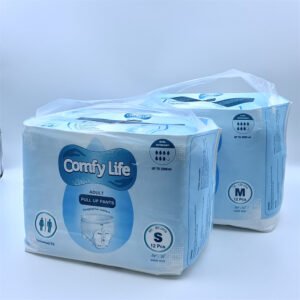
Not all incontinence products are created equal. The right product provides comfort, security, and skin protection, while the wrong one can lead to leaks, discomfort, and serious health issues like skin breakdown or urinary tract infections. Understanding the different types available is the first step toward making an informed choice, whether you are paying out-of-pocket or receiving supplies through an assistance program. Some programs may have a preferred list of products, but it is always beneficial to know what to ask for. For instance, a wide array of adult nappies are designed to meet diverse needs, from light leakage to heavy overnight protection.
| Product Type | Absorbency Level | Best For | Key Features |
|---|---|---|---|
| Pads/Liners | Light to Moderate | Active individuals with minor, occasional leaks | Adhesive strip secures to underwear; discreet |
| Pull-Up Underwear | Moderate to Heavy | Mobile individuals who prefer a product like regular underwear | Elastic waistband; easy to pull on and off |
| Briefs (Diapers) | Heavy to Maximum | Individuals with low mobility or needing caregiver assistance | Refastenable tabs for a secure, adjustable fit |
| Booster Pads | Varies | Adding extra absorbency to another product (e.g., a brief) | Non-waterproof backing; placed inside another product |
| Underpads (Chux) | Varies | Protecting bedding, chairs, and other surfaces | Disposable or washable; available in various sizes |
Source 1: Medicaid and Government-Funded Waivers
For low-income seniors, the single most significant source of help for incontinence supplies is Medicaid. It is a joint federal and state program that provides health coverage to millions of Americans, including eligible seniors. While federal law does not mandate that Medicaid cover incontinence supplies, every state's Medicaid program does, in fact, offer some level of coverage for them, deeming them "medically necessary."
Navigating the Medicaid Bureaucracy
The term "medically necessary" is pivotal. To receive free diapers for seniors through Medicaid, you cannot simply want them; a healthcare provider must document a medical reason for the need. A formal diagnosis of incontinence is required. The process generally involves these steps:
- Obtain a Prescription: A doctor, nurse practitioner, or other qualified healthcare provider must write a prescription or a letter of medical necessity. The document should specify the type of incontinence, the products needed (e.g., briefs, pull-ups), the quantity required per day, and the duration of the need.
- Verify Eligibility: The individual must be enrolled in their state's Medicaid program. Eligibility is based on income and asset limits that vary by state.
- Work with a Supplier: Medicaid does not hand out diapers directly. Instead, it pays for them through an approved medical supply company. You will need to find a supplier that accepts your state's Medicaid plan and submit the prescription to them. The supplier will then handle the billing with Medicaid and ship the supplies directly to the senior's home, usually on a monthly basis.
State-Specific HCBS Waivers
A complication arises because traditional Medicaid often has limitations, particularly for those living at home rather than in a nursing facility. To address this, all states have Home and Community-Based Services (HCBS) waiver programs. These waivers allow states to use Medicaid funds to provide a broader range of services to people in their own homes and communities.
Think of an HCBS waiver as a special key that unlocks additional Medicaid benefits. For many seniors, these waivers are the primary mechanism for getting incontinence supplies covered while living at home. The names of these waivers vary by state (e.g., "Community HealthChoices" in Pennsylvania or the "Aged and Disabled Waiver" in Indiana), but their purpose is similar: to provide the support needed to avoid or delay nursing home placement. Finding out about your state's specific waiver programs is a vital step. Your local Area Agency on Aging can be an invaluable guide here.
The Application Process Demystified
Applying for Medicaid can feel like a monumental task. It requires extensive documentation of income, assets, medical history, and residency. The process can be slow and, at times, frustrating. It is a journey that demands patience.
Consider the case of Maria, an 82-year-old widow living on a small pension. Her increasing incontinence was costing her nearly $200 a month, forcing her to cut back on fresh produce. A social worker at a local senior center helped her gather the necessary paperwork for a Medicaid application. It took three months, but once approved and enrolled in an HCBS waiver, Maria began receiving a monthly supply of high-quality briefs at no cost. The financial relief was immense, but the emotional relief of no longer having to ration her supplies was even greater. Her story highlights the transformative power of these programs.
Source 2: Veterans Affairs (VA) Health Care
For those who have served in the United States armed forces, the Department of Veterans Affairs (VA) is a crucial resource. If a senior is enrolled in the VA healthcare system and has a medical need for incontinence supplies, the VA will typically provide them at no cost. The products are considered part of the veteran's prescribed medical care.
Eligibility for VA Health Benefits
Eligibility for VA health care is not automatic for all veterans. It depends on several factors, including service history (such as minimum duty requirements), a service-connected disability rating, income levels, and other specific criteria. However, many seniors who served, especially those with lower incomes or service-related health issues, will qualify. The first step is to apply for enrollment in the VA health care system. This can be done online, by phone, by mail, or in person at a VA facility.
How the VA Provides Incontinence Supplies
Once a veteran is enrolled and seeing a VA primary care provider, the process is quite straightforward.
- Discuss the Need: The veteran or their caregiver should discuss the incontinence issue with the VA provider.
- Receive a Consultation: The provider will assess the condition and determine the medical necessity for supplies.
- Place an Order: The provider will then place an order through the VA's medical supply system. The VA has its own formulary or list of approved products. While the brand choice might be limited compared to the open market, the products are selected to meet clinical standards.
- Receive Shipments: The supplies are shipped directly from a VA distribution center or a contracted supplier to the veteran's home. Shipments are typically sent on a recurring basis (e.g., monthly or quarterly) to ensure a continuous supply.
The VA system is designed to be an integrated healthcare provider, meaning that supplies are just one part of a comprehensive care plan. A veteran being treated for incontinence might also be referred to a urologist, a physical therapist for pelvic floor exercises, or other specialists, all within the VA network.
Source 3: Local Diaper Banks and Non-Profit Organizations
While government programs are powerful, they are not accessible to everyone. Some seniors may have incomes just slightly too high to qualify for Medicaid but still struggle with the cost of supplies. Others may need immediate help while waiting for a Medicaid application to be processed. This is where the non-profit sector plays a vital role.
Finding a Diaper Bank Near You
Diaper banks are charitable organizations that collect and distribute diapers to people in need. While many historically focused on infants, the National Diaper Bank Network now recognizes the immense need for adult products. Many of its member banks have expanded their mission to serve all ages.
These organizations function much like food banks. They receive donations of diapers from manufacturers, retailers, and community drives. They then distribute the products to individuals through partner agencies like senior centers, home health agencies, and faith-based organizations. To find a diaper bank that provides adult supplies, the best starting point is the National Diaper Bank Network's website, which has a member directory. A simple phone call can confirm if they stock adult sizes and how to access their services.
The Role of Community in Elderly Care
The support from a diaper bank can be a lifeline. It is a tangible expression of a community's commitment to caring for its own. Unlike a government program, the process is often less bureaucratic and more personal. While the supply might be limited—for example, a person might receive a week's worth of diapers per month rather than a full supply—that assistance can bridge a critical gap, freeing up funds for other necessities. It is a testament to the power of collective action in addressing human needs that might otherwise go unnoticed.
Source 4: Area Agencies on Aging (AAA)
Established under the Older Americans Act of 1965, Area Agencies on Aging (AAAs) are a cornerstone of senior support in the United States. There is a network of over 600 AAAs and 244 Title VI Native American aging programs, covering every community in the country. Their mandate is broad: to be a single point of entry for seniors seeking information, assistance, and connection to local services.
What Are Area Agencies on Aging?
Think of your local AAA as a master connector or a knowledgeable guide for the landscape of senior services. They do not typically store and distribute diapers themselves. Instead, their staff are experts on the resources available in your specific city or county. They are the people who know which local pantry has a supply of adult briefs, which church runs a senior assistance fund, or how to start the application for your state's Medicaid waiver program.
Their services are generally free, regardless of a senior's income. The goal is to empower older adults to remain independent and healthy in their homes for as long as possible.
Connecting with Local Resources through AAAs
The best way to contact your local AAA is through the Eldercare Locator, a public service of the U.S. Administration on Aging. By visiting their website or calling their toll-free number, you can enter a zip code and be connected with the agency serving that area.
When you call, be prepared to explain your situation clearly. For instance, you could say, "My father is 78, lives at home, and is struggling to afford his incontinence supplies. We need to know where we can get free diapers for seniors. Can you tell me what programs are available in our area?"
The AAA specialist can then:
- Screen you for eligibility for programs like Medicaid.
- Refer you to local diaper banks or non-profits.
- Inform you about other benefits you might be eligible for, such as nutrition programs (like Meals on Wheels) or utility assistance, which can free up money in your budget for supplies.
Engaging with an AAA is a proactive step that can yield information on a wide range of supportive services, well beyond just incontinence products.
Source 5: Disease-Specific Assistance Programs
For some seniors, incontinence is a symptom or side effect of a specific underlying medical condition. In these cases, the organizations dedicated to fighting those diseases may offer direct financial assistance or resources for obtaining necessary supplies.
Support for Individuals with Alzheimer's or ALS
Consider Alzheimer's disease. As the condition progresses, incontinence is a very common development. The Alzheimer's Association does not directly provide diapers, but local chapters often have resources and can provide guidance. They may have respite care grants or other financial assistance programs that can help offset the costs of care, including supplies.
Similarly, the ALS Association provides support for individuals living with Amyotrophic Lateral Sclerosis, a neurodegenerative disease that leads to loss of muscle control. Because mobility becomes severely limited, high-quality incontinence care is essential. Local ALS Association chapters often have grant programs and equipment loan closets that can help families manage the staggering costs associated with the disease.
Other Condition-Related Financial Aid
The principle extends to other conditions. If incontinence is due to a spinal cord injury, a local chapter of the United Spinal Association might be a resource. If it is related to multiple sclerosis, the National MS Society could have information on assistance programs.
The key is to think about the root cause of the incontinence. If there is a primary diagnosis, investigating the support network for that specific disease can open up new avenues for help. These organizations bring a deep, empathetic understanding of the particular challenges their communities face, offering tailored and compassionate support.
Source 6: Requesting Samples from Manufacturers
A less conventional but surprisingly effective method for obtaining a small quantity of free diapers is to go directly to the source: the manufacturers. Companies that produce incontinence products want you to use their brand. To encourage you to switch or to find the right fit, many offer free samples.
The Logic of "Try Before You Buy"
From a business perspective, providing samples makes perfect sense. Incontinence products are not one-size-fits-all. A product that works wonderfully for one person may be uncomfortable or leak for another. By allowing potential customers to try a few different sizes or absorbency levels, manufacturers increase the likelihood of creating a loyal, long-term customer. Companies like explicitly mention offering a "complimentary sample to evaluate the diaper quality" as part of their business process (Huikang Diaper, 2025). Similarly, other hygiene product suppliers like and are part of a large industry where sampling is a common practice.
How to Approach Manufacturers for Samples
- Identify the Brands: Make a list of the major brands of adult diapers available in your country. A quick online search will reveal names like Tena, Depend, Prevail, and others.
- Visit Their Websites: Navigate to the official website for each brand. Look for a "Free Sample" or "Trial Kit" link. It is often prominently displayed on the homepage or under a "Products" or "Offers" tab.
- Fill Out the Form: You will typically need to fill out a short form with your name, address, and the type/size of product you are interested in trying.
- Call Customer Service: If you cannot find a sample request form online, do not hesitate to call the company's customer service number. Explain that you are a caregiver for a senior and would like to try a sample to ensure the right fit and absorbency before purchasing.
While you will not receive a month's supply, you can often get enough to last for a few days from each company. By requesting samples from several different manufacturers, you could potentially gather a week or two's worth of supplies. This strategy is particularly useful for bridging a gap while waiting for other forms of assistance to begin. It also has the added benefit of helping you find the best possible product for the senior's needs, ensuring that when you do have to purchase them or when a program like Medicaid covers them, you are getting a product that genuinely works. Working with a reliable supplier of hygiene products can also ensure access to quality options once a decision is made.
Source 7: Local Religious and Community Groups
Often overlooked in the digital age is the power of local, grassroots community networks. Churches, synagogues, mosques, temples, and other faith-based organizations have long been pillars of support for their communities, often operating with a quiet benevolence that does not make headlines.
The Untapped Benevolence in Your Neighborhood
Many larger religious institutions have a "benevolence fund" or "pastor's discretionary fund" specifically set aside to help members of the congregation or people in the local community facing a crisis. These funds can sometimes be used to purchase a box of diapers, provide a grocery store gift card, or help with a utility bill, all of which can ease the financial pressure on a senior's household.
Beyond direct financial aid, these groups are hubs of human connection. They might have a group of volunteers who visit homebound seniors or a bulletin board where needs can be posted (discreetly, of course). Someone in the community might have leftover, unopened packages of diapers from a loved one who has passed away or whose needs have changed, and they would be happy to donate them to someone who could use them.
Reaching Out with Humility and Grace
Approaching a community group for help can feel difficult, as it requires a degree of vulnerability. The key is to act with humility and grace.
- Start with a phone call or email to the main office of the organization.
- Ask to speak with the pastor, rabbi, imam, or a designated outreach coordinator.
- Explain the situation simply and honestly. For example: "I am calling on behalf of my elderly mother. She lives in the neighborhood and is having a very difficult time affording her medical supplies, specifically her adult diapers. I was wondering if your organization has any programs or funds that might be able to offer some temporary assistance."
You may find that while one organization cannot help, they know of another that can. These community leaders are often deeply networked and aware of the tapestry of local aid. Tapping into this network can provide not only material support but also a powerful sense of not being alone in your struggle.
Frequently Asked Questions (FAQ)
Does Medicare cover adult diapers?
This is one of the most common points of confusion. Generally, Original Medicare (Part A and Part B) does not cover incontinence supplies like diapers or pads. They are considered disposable, non-durable goods. However, some private Medicare Advantage (Part C) plans may offer a small amount of coverage, often as an over-the-counter (OTC) benefit, but it is typically not enough for a full month's supply.
How many diapers will Medicaid provide per month?
The quantity varies by state and by the individual's documented medical need. Most state Medicaid programs set a monthly limit, often between 180 and 300 products per month. A doctor's prescription must justify the requested amount based on the severity of the incontinence.
Can I get free diapers if my income is too high for Medicaid?
Yes, you still have several options. Your best bets are to contact your local Area Agency on Aging to learn about other local programs, seek out a diaper bank, request samples from manufacturers, and inquire with local community or faith-based groups.
What documents do I need to apply for assistance?
For government programs like Medicaid or VA benefits, you will typically need proof of age (birth certificate), proof of citizenship or legal residency, proof of income (Social Security statements, pension records), proof of assets (bank statements), and a prescription or letter of medical necessity from a doctor. Non-profit assistance is usually less document-intensive.
Are there any options for getting eco-friendly or sustainable diapers for free?
Securing free diapers of any kind is the primary challenge. Most assistance programs and diaper banks provide standard disposable products based on availability and cost. While some manufacturers are beginning to offer more sustainable options, as noted by industry players like , these are less likely to be available through free programs. You can always ask the supplier or program coordinator, but options may be limited.
Conclusion
The journey to secure free diapers for seniors is one that requires persistence, research, plus a willingness to reach out for help. The financial weight of incontinence is undeniable, but it is a burden that no one should have to carry alone. From the structured support of government programs like Medicaid and Veterans Affairs to the compassionate, community-based aid offered by diaper banks, Area Agencies on Aging, and local faith groups, a network of assistance does exist. Each path presents its own process, its own requirements, and its own rewards.
By exploring these avenues, caregivers and seniors can alleviate a significant financial strain, ensuring that resources can be directed toward other essential needs. More profoundly, accessing these supplies restores a fundamental sense of dignity, comfort, and freedom. It allows older adults to participate more fully in life, to maintain social connections, and to face the challenges of aging not with shame or anxiety, but with the support and respect they so richly deserve. The task may seem daunting, but the peace of mind it can bring is immeasurable.
References
Baron (Weifang) Co., Ltd. (2024). Agent. Besuper Hygiene. Retrieved from
Foshan Huikang Paper Industry Co., Ltd. (2025). Diaper manufacturer and OEM/ODM solutions. Huikang Diaper. Retrieved from
Foshan Huikang Paper Industry Co., Ltd. (2025). Custom diapers solutions. Huikang Diaper. Retrieved from
National Association for Continence. (n.d.). Who has incontinence?. Retrieved from
Quanzhou Apex Hygiene Products Co., Ltd. (2025). Company overview. Alibaba. Retrieved from
Unis Lojistik. (2025). Associated hygienic products LLC | Private label diaper m…. Retrieved from
WEHOO Hygiene. (2022). Baby & adult diaper manufacturer | Diaper wholesale supplier. Retrieved from
Zhongtian (China) Industrial Co., Ltd. (n.d.). Company profile. AAB. Retrieved from


